Choose DAF, an ETP, or a combined treatment train
A Seattle factory usually needs a DAF system when its industrial wastewater contains oil, grease, FOG, suspended solids, or colloidal material that must be separated before discharge, reuse, or biological treatment. DAF works by dissolving air under pressure, typically at 3 to 5 bar, then releasing it as micro-bubbles in a flotation tank so contaminants rise and are skimmed. A full ETP is more appropriate when the wastewater also requires biological, filtration, disinfection, or other downstream treatment. The correct choice depends on representative wastewater tests, average and peak flow, contaminant loading, pretreatment needs, and the required discharge or reuse outcome.
The decision involves treatment scope rather than equipment size. An ETP is the complete treatment solution required to meet the applicable discharge, reuse, or sewer-pretreatment objective. It may include biological treatment, filtration, disinfection, equalization, and solids handling. DAF is a separation technology that removes suspended solids, oils, fats, and other contaminants by dissolving air into wastewater under pressure and releasing it in a flotation tank. The 2026 DAF unit selection and decision framework provides a starting point for evaluating the treatment boundary.
Use the following procurement logic:
| Site condition | Probable treatment scope | Buyer’s next decision |
|---|---|---|
| Oily, greasy, FOG-rich, solids-rich, or colloidal wastewater requiring physical separation | DAF-centered package, potentially with equalization and pretreatment | Confirm whether clarified water can be reused, discharged under the applicable requirement, sent for biological treatment, or accepted as sewer pretreatment |
| Wastewater requiring biological treatment, filtration, disinfection, or reuse polishing in addition to solids removal | Broader ETP, with DAF as one treatment stage where appropriate | Define the required effluent or reuse characteristics before requesting an integrated proposal |
| Multiple factory streams with materially different contaminant profiles | Separate treatment trains or segregated equalization, potentially followed by a common ETP | Characterize each stream and identify which stream controls hydraulic and contaminant loading |
Representative wastewater tests, peak flow, discharge or reuse goals, and downstream treatment needs are required to select equipment. A DAF unit is directly relevant to suspended solids, oils, fats, FOG, colloids, and low-density material. Further clarification and, if necessary, disinfection may follow. That sequence explains why DAF is often the physical and chemical separation stage inside a broader ETP rather than a substitute for every required treatment step.
Identify the wastewater that needs treatment
Representative wastewater data, rather than the factory’s nominal production rate or a single average daily flow, provides the controlling evidence. Request samples across normal production, cleaning, batch discharge, and other peak conditions. A composite average can hide the short-duration load that determines equipment capacity, chemical demand, and the need for equalization.
Document flow rate, operating duration, batch discharges, flow variability, and any storm-water or wash-water contribution. These inputs establish the hydraulic basis for comparison. Identify whether the treatment objective is direct discharge, reuse within the facility, or pretreatment to a sewer or receiving system. The objective determines which treatment steps must be included rather than simply which contaminants are present.
Characterize oil and grease, FOG, suspended solids, colloids, and pH, together with contaminants specific to the factory process. Where the wastewater has process-specific constituents, include enough analytical detail for the supplier to assess compatibility with aeration, flocculation, piping, materials, and downstream biology. These evidence requirements are consistent with the approach described in the resources on meeting sewer limits with site-specific wastewater evidence and industrial metal-plant wastewater characterization.
Separate streams where practical. A combined sample may conceal the oil, FOG, solids, or cleaning-chemical load that determines whether DAF, biological treatment, or both are required. For each stream, record its origin, production schedule, discharge frequency, and whether it can be isolated without disrupting factory operations. Then obtain a process flow diagram showing collection, equalization, treatment, and the point of discharge or reuse.
Do not assign a Seattle discharge limit until the applicable sewer authority, receiving system, reuse application, and permit conditions are identified. The supplier can compare treatment scopes against the stated objective; it cannot reliably select a complete plant from a generic “industrial wastewater” description.
Follow the treatment process from pretreatment to final effluent
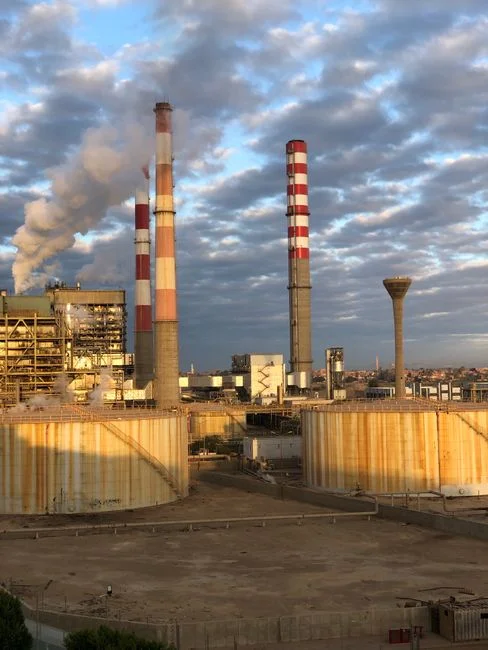
Screening and sedimentation should be considered before flotation when large particles or settleable solids could overload the DAF equipment. Alantech identifies screening and sedimentation as preliminary treatments that can prevent clogging and excessive buildup in the DAF unit. This is a mechanical protection issue; the flotation train should not be asked to remove debris or a disproportionate settled-solids load.
- Characterize and equalize: Confirm the stream composition, flow profile, batch loads, and need for equalization before fixing the flotation duty.
- Screen and settle: Remove large material and settleable solids where required to protect the flotation equipment.
- Condition if needed: Alantech reports that chemicals may be used to assist flocculation and improve separation. Specify the proposed chemical, dose basis, contact arrangement, control method, and handling requirements.
- Pressurize and aerate: Alantech identifies a typical DAF aeration pressure of 3 to 5 bar. A PLC-controlled chemical dosing system may be included where conditioning is required, but its specification should follow the wastewater and control design rather than precede them.
- Release and float: The pressure reduction forms tiny bubbles that attach to suspended solids, oils, and greases. The buoyant contaminants rise to the surface.
- Skim and withdraw: Mechanical or automatic skimming removes floated material, while clarified water is withdrawn from the flotation stage.
- Finish or reuse: Further clarification and, if necessary, disinfection may follow to achieve the required discharge or reuse outcome.
Skimming does not remove the solids from the site. Sludge handling is a separate design requirement covering collection, storage, dewatering or disposal, access, odor control, and the operating sequence for removing accumulated float. A quotation that excludes sludge withdrawal can be materially incomplete even if the flotation tank is fully specified. The comparison of DAF with alternative oil-water separation systems is useful when the factory must evaluate DAF against other separation duties rather than assume flotation is the default.
Compare the equipment scope and supplier options
A technically comparable quotation must identify the treatment boundary. A DAF-only package, a DAF-centered ETP, and a broader biological ETP have different duties and should not be compared as equivalent unless their included steps, performance basis, and operating responsibilities are aligned.
| Comparison item | DAF-only package | DAF-centered ETP | Broader biological ETP |
|---|---|---|---|
| Primary duty | Flotation and skimming of suitable solids, oils, fats, FOG, and colloids | Physical and chemical separation followed by required downstream treatment | Biological treatment as the central process, with separation and polishing as required |
| Included equipment | Flotation system and its directly associated controls and auxiliaries | DAF plus equalization, pretreatment, downstream clarification or filtration, and other specified steps | Equalization, biological process, separation, filtration, disinfection, and controls as required by the objective |
| Controls and sludge | Clarify level control, aeration, skimming, sludge withdrawal, and auxiliaries | Define operating logic across every treatment step | Define biological loading, aeration, sludge removal, polishing, and controls |
| Bid comparison | Compare with other methods for the same separation duty | Compare only against proposals with the same treatment boundary | Compare only against proposals delivering the same required outcome |
The catalog industrial dissolved air flotation system covers 4–300 m³/h across 13 standard models and is intended for suspended solids, FOG, oil and grease, and colloidal matter. Separately, a supplier’s February 10, 2026 Facebook post reports availability in mild steel or stainless steel, including SS304 and SS316, with capacity ranging from small industrial flows to 1000 m³/hr depending on the model. These are supplier-stated availability ranges, not proof that either system fits a particular factory.
Material selection requires site-specific review of the waste stream, temperature, chemistry, corrosion exposure, and cleaning requirements. SS304 or SS316 availability does not establish universal suitability. Likewise, model range cannot size a project: suppliers must state whether capacity means design flow, average flow, peak flow, or another operating basis and show how the stated flow relates to batch discharges and operating duration.
Each quotation should identify flow basis, duty cycle, included pretreatment and post-treatment, construction materials, controls, installation requirements, power, air demand, operating chemicals, and sludge withdrawal. Where a broader proposal is being developed, the pressure-flotation system specifications can help expose omissions before bid comparison. Normalize the package boundary first; then compare price, lifecycle obligations, and technical compliance.
Prepare a supplier-ready data package

A quotation becomes auditable when the buyer provides enough operating and wastewater evidence for each supplier to state its assumptions. The package should include a wastewater narrative, process flow diagram, sample results, average and peak flow, operating hours, batch-discharge details, and the treatment objective. Include enough context to distinguish normal production from cleaning and other high-load periods.
State the required effluent or reuse characteristics without assigning regulatory limits unless the applicable Seattle, state, federal, or sewer authority has been identified. Identify whether the treated water will be discharged, reused within the facility, or sent to a sewer or receiving system as pretreatment. If reuse is the goal, describe the receiving process and its water-quality requirements rather than using an undefined “reuse specification.”
Document available space, utilities, access for maintenance, electrical supply, compressed air, drainage, odor controls, and future expansion needs. These constraints can change the process train and skid arrangement even when laboratory results remain unchanged. The canonical DAF selection guide gives an engineering framework for representative wastewater tests, peak flow, and solids loading.
Ask every shortlisted supplier to identify sizing assumptions, pretreatment requirements, control strategy, chemical use, solids handling, maintenance access, and exclusions. Request the capacity basis, expected operating sequence, utility demand, control narrative, and performance obligations. This prevents a nominal flow rating from substituting for an engineered duty.
Ask suppliers to resolve any conflict between the project flow data and their stated standard-capacity range before quotation. Where existing equipment or an overloaded temporary system affects implementation, the DAF overload and emergency-treatment guidance can help frame the hydraulic checks and interim operating risks. The final selection should follow a documented mass-and-water balance, not the largest quoted skid or the lowest purchase price alone.
Frequently Asked Questions
When is a DAF system justified for industrial wastewater?
DAF is justified when the stream contains suspended solids, oils, fats, FOG, colloids, or other material that can be floated and skimmed. Alantech identifies screening and sedimentation as useful preliminary treatments where they can prevent clogging and excessive buildup. Representative samples must confirm that flotation fits the stream before the equipment is selected.
When does a factory need a full ETP instead of a DAF unit?
A full ETP is needed when the treatment objective extends beyond physical separation. The required scope may include biological treatment, filtration, disinfection, reuse polishing, and sludge handling. Alantech states that further clarification and, if necessary, disinfection may follow DAF; that means DAF can be one stage in the ETP rather than the complete solution.
How much does a DAF or industrial ETP cost for a Seattle factory?
The research does not provide a Seattle-specific dollar price, so any quotation based only on a website, catalog range, or headline flow capacity would be incomplete. Ask each supplier to price the same treatment boundary and state the flow basis, included pretreatment and post-treatment,