Start with the permit, not a standard treatment package
Fabricated metals plants near Jamestown, United States meet pretreatment limits by applying the stricter applicable requirement for each pollutant, using the current POTW permit and local-limit table as the controlling design basis. The project should then follow a defined sequence: equalization, oil removal, hexavalent chromium reduction, cyanide oxidation, metal hydroxide precipitation, DAF or lamella clarification, pH adjustment, and sludge handling. Part 433 applicability depends on actual production and wastewater routing, including whether on-site plating or anodizing occurs. Representative sampling, automated controls, solids removal, and compliance monitoring complete the compliance case.
Obtain the current industrial user permit, discharge authorization, POTW local-limit table, applicable state conditions, production records, and wastewater-routing drawings before equipment bids become regulatory commitments. For every parameter, identify the applicable PSES or PSNS requirement, the current POTW limit, averaging basis, monitoring frequency, sampling method, proposed control setpoint, and alarm threshold. The controlling value is the stricter requirement on a parameter-by-parameter basis, not a single generic federal table. This permit-first approach is detailed in the permit-first fabricated metals pretreatment guide.
HydropureWater’s 2026 guidance states that 40 CFR Part 433 includes forming, finishing, forging, foundry, metal-spraying, and machining-wash operations co-located with plating or anodizing lines. A plant operating zinc, nickel, or chromic-acid tanks is within the covered scope described by that guidance; a dry-stamping operation shipping parts to a separate finisher is generally outside it. The receiving POTW must confirm applicability from the complete production inventory and wastewater routing.
| Requirement or condition | Design basis to obtain | Procurement consequence |
|---|---|---|
| Categorical standards | Part 433 applicability determination; applicable PSES or PSNS parameters, averaging bases, and monitoring conditions | Do not omit a covered operation because the plant’s primary business is fabrication |
| POTW requirements | Current local-limit table, industrial user permit, discharge authorization, and applicable state conditions | Use the stricter requirement for each pollutant |
| Operational controls | Permit pH condition, treatment endpoints, sampling methods, monitoring point, and reporting frequency | Specify alarms and records that can be audited against the permit |
| PFAS | Current rulemaking status and any POTW condition | No current numerical chrome-finisher PFAS limit was identified in EPA’s 2026 rulemaking activity; reserve polishing rather than treat it as a present numerical requirement |
Build a representative wastewater profile for Jamestown-area batch operations
A four-hour composite can miss a Friday-afternoon batch dump and undersize equalization, so HydropureWater’s 2026 guidance calls for at least one full week of representative composite sampling. The sampling program must distinguish routine rinsewater from periodic tank dumps, washdown, floor drainage, and concentrated production discharges. Otherwise, the resulting average concentration may describe neither the hydraulic peak nor the chemical mass load.
Separate stamping, machining, drawing, grinding, casting, floor-drain, washdown, rinsewater, tank-dump, chromic-acid, and cyanide-bearing sources before combining them. Document flow timing, batch volume, bath chemistry, and the wastewater connection for each source. This source separation is more useful than one blended floor-drain sample because it reveals which stream controls pH, oil loading, dissolved metals, suspended solids, Cr(VI), or cyanide demand. The regional fabricated metals pretreatment comparison provides a related source-characterization framework.
HydropureWater’s 2026 field-data screening ranges report oils at 50–500 mg/L, total dissolved metals at 5–200 mg/L, TSS at 100–1,000 mg/L, and pH moving between 2 and 12 across batch dumps. These are preliminary screening ranges, not universal design limits or substitutes for site data. Calculate hydraulic and mass loads from measured flow and concentration: a low-volume, high-concentration dump and a high-volume, low-concentration stream impose different constraints on equalization, chemical feed, and solids handling.
| Wastewater source | Measure or document | Sizing consequence |
|---|---|---|
| Stamping, machining, and drawing compounds | Oil concentration, emulsion condition, flow, and discharge timing | Equalization demand and oil-removal capacity |
| Rinsewater and acid-bearing streams | Metal species, pH, flow, and dump volume | Acid demand, precipitation loading, and batch containment |
| Chromic-acid anodizing or hard chrome | Cr(VI), total chromium, pH, flow, and batch frequency | Reduction and precipitation requirements |
| Grinding swarf and casting sand | TSS, particle character, and solids-generation rate | Solids separation and sludge handling |
| Cyanide-bearing plating | Cyanide concentration and associated plating chemistry | Oxidation endpoint and downstream precipitation protection |
Match each contaminant family to a dedicated treatment step
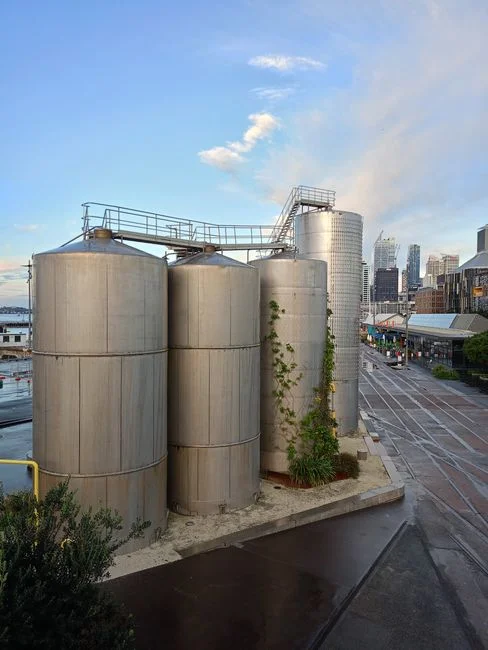
A staged treatment train is more defensible than one general-purpose reaction tank because each contaminant family requires a different physical or chemical mechanism. Equalization buffers batch dumps and stabilizes downstream flow and chemical demand; HydropureWater’s 2026 guidance associates a flow coefficient of variation below 0.5 with smoother downstream chemistry. The basin must therefore be sized from the measured batch-discharge profile rather than average flow alone.
Remove free and emulsified oils before chemistry and solids separation because oil can interfere with floc formation and flotation. Next, reduce hexavalent chromium to trivalent chromium with sodium metabisulfite or ferrous sulfate at pH 2–3 and roughly 250–300 mV ORP, as specified in HydropureWater’s 2026 guidance. Confirm the endpoint with Cr(VI) results before proceeding. Chromium then precipitates during the pH 8.5–9.5 stage described by the same source.
Destroy cyanide before metals precipitation because untreated cyanide can redissolve downstream metal hydroxide precipitates. Oxidize it in a dedicated stage with a verified endpoint and residual cyanide result. Follow with hydroxide precipitation and solids separation using a DAF system for metalworking wastewater or a lamella clarifier, then trim pH to the permit condition. The automatic chemical dosing skid should meter each chemical function separately so operators can reconcile consumption and diagnose individual reactions.
| Process step | Primary function | Operating evidence required |
|---|---|---|
| Equalization | Buffer batch dumps and smooth downstream demand | Basin-level trend, batch profile, flow coefficient of variation |
| Oil and grease removal | Remove oils that interfere with floc and flotation | Oil concentration, emulsion condition, separated-oil handling |
| Cr(VI) reduction | Convert soluble Cr(VI) to trivalent chromium | pH 2–3, roughly 250–300 mV ORP, Cr(VI) and total chromium results |
| Cyanide oxidation | Destroy cyanide before precipitation | Oxidation endpoint and residual cyanide result |
| Metal hydroxide precipitation | Remove dissolved metals | Precipitation pH, including the pH 8.5–9.5 chromium stage |
| DAF or lamella clarification | Separate hydroxide floc and suspended solids | Hydraulic loading, floc condition, float withdrawal, and carryover |
| Final pH adjustment | Meet the permit pH condition | Continuous pH trend and alarm response |
Size solids separation around the actual wastewater rather than a model name
DAF sizing must be calculated from the selected wastewater flow, documented floc condition, and solids production rather than from tank dimensions alone. HydropureWater’s 2026 DAF guidance gives hydraulic surface loading of 4–20 m/h depending on model and floc density, an air-to-solids ratio of 0.005–0.060 with 0.02 as a typical design point, and recycle of 10–30% of forward flow. These values belong in the supplier’s calculation with the actual wastewater basis attached.
Require each proposal to state selected flow, solids production, floc characteristics, air demand, blower power, recycle effect, and carryover assumptions. A higher A/S can produce a drier float while increasing power use and breaking fragile floc. A higher recycle can improve TSS removal while diluting chemistry and increasing equalization demand. These tradeoffs should remain visible in the design calculation.
A lamella clarifier may suit compact inclined-plate separation, sludge recirculation, and integrated flocculation where installation constraints favor that arrangement. DAF may be more appropriate where oil, floatable material, or fragile floc requires dedicated flotation. The DAF versus lamella clarifier comparison provides a technical framework, but measured wastewater properties must decide the selection.
| DAF design input | HydropureWater 2026 guidance | What the supplier must show |
|---|---|---|
| Hydraulic surface loading | 4–20 m/h, depending on model and floc density | Selected value tied to flow and floc condition |
| Air-to-solids ratio | 0.005–0.060; 0.02 typical design point | Solids basis, air demand, blower power, and float integrity |
| Recycle | 10–30% of forward flow | TSS effect, chemistry dilution, and equalization demand |
| Solids separation | Measured wastewater properties and installation constraints | DAF or lamella selection, sludge withdrawal, and carryover assumptions |
Build automatic controls and a protected discharge path
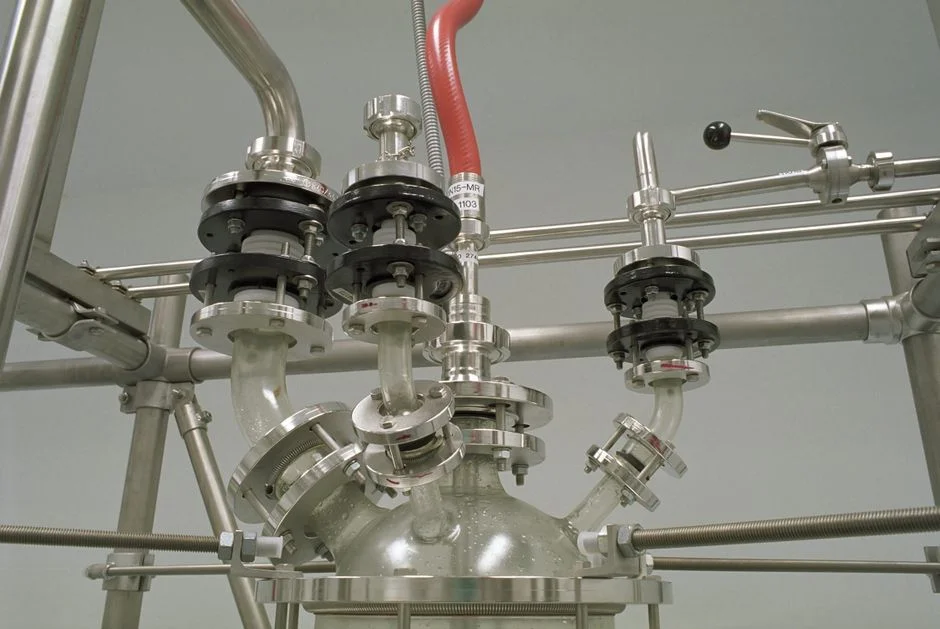
A PLC-controlled chemical system should combine flow-paced feed with pH or ORP feedback for pH, Cr(VI), and cyanide control. Fixed manual settings are inadequate for variable batch-discharge streams because the chemical demand changes with the waste stream entering the treatment train. The automatic chemical dosing skid should identify each feed, setpoint, alarm, interlock, and response action.
Require calibration columns and stroke-count totalizers on metering pumps. These records allow the operator to reconcile chemical use with laboratory results and explain why a dose changed. The final permit and operating procedure should also establish when an alarm requires operator action, when flow must be isolated, and when the discharge path may reopen.
Interlock pH excursions, out-of-range ORP, and high TSS to automatically divert flow to the equalization header. The mechanical screening arrangement should also protect the collection and sludge routes from rags, wipes, and tramp metal. Protective diversion reduces the risk of a prohibited discharge, but it does not eliminate the excess batch. Equalization capacity, alarms, and operator response remain part of the operating plan.
Convert metal hydroxide sludge into a disposal plan
Metal hydroxide sludge must be evaluated against the hauler’s acceptance criteria, not only against filter area. HydropureWater’s 2026 benchmarks place floated metal hydroxide sludge at 2–5% dry solids leaving a DAF and 25–35% after plate-and-frame dewatering; the same source cites a belt-press ceiling of around 22% dry solids. A plate-and-frame filter press for metal hydroxide sludge therefore requires a disposal basis, not merely a filtration duty.
Confirm hauler acceptance, destination requirements, leachate characteristics, disposal-cost basis, and manifest procedures before selecting a dewatering target. If the waste is priced by wet weight, the difference between cake dry solids and transport water can affect lifecycle cost. The 2025 industrial sludge-press comparison provides a broader equipment-selection framework.
Protect the sludge train with mechanical screening because rags, wipes, and tramp metal can prematurely blind a filter press or block downstream equipment. Evaluate the system on dry-solids throughput and usable cake characteristics, including feed consistency and expected variation from batch precipitation. A procurement package should connect the selected dewatering method to the actual destination and transport method.
Use a permit-based scorecard to select the supplier
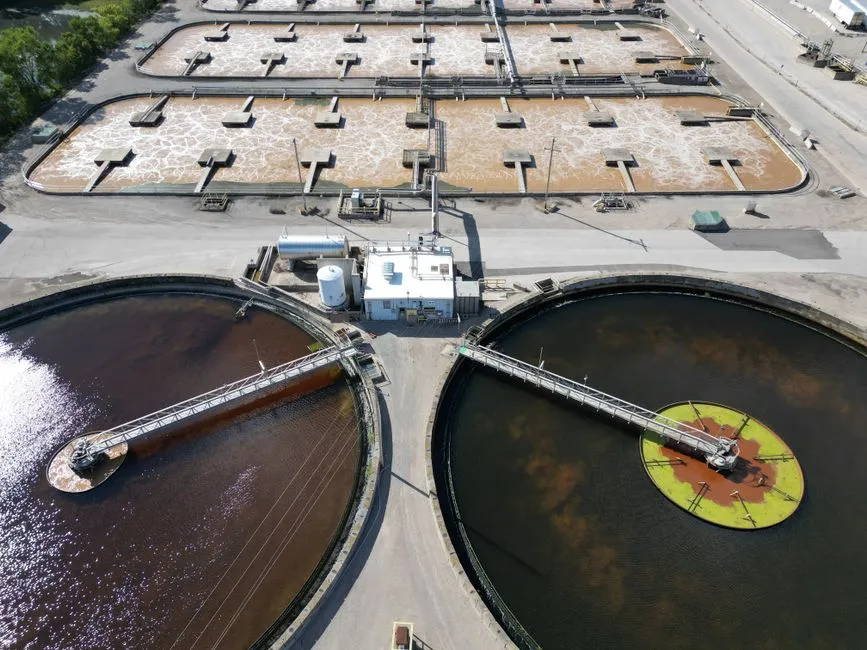
A defensible bid should trace from the current permit through representative influent data, equipment sizing, controls, operating records, and sludge disposal. Require a flow diagram, full-week composite dataset, mass-loading calculation, equipment sizing, chemical-consumption range, control narrative, alarm list, interlock tests, commissioning plan, operator training, and disposal route. This structure is consistent with the technical scope in the industrial wastewater proposal framework.
Separate equipment, foundations, electrical work, chemicals, commissioning, training, maintenance, and sludge-disposal costs. The supplied research does not support a defensible generic capital-price range, so an itemized site-specific quotation is more useful than a headline equipment price.
Do not accept an outlet guarantee until the governing permit, categorical applicability, representative influent dataset, control narrative, and disposal route are documented. Ask each supplier to distinguish calculated design values, guaranteed performance terms, and outcomes dependent on chemical consumption, sludge properties, or operator practice.
| Supplier submission | Acceptance check | Commercial risk controlled |
|---|---|---|
| Permit and applicability documents | Current POTW limits, industrial user permit, and documented Part 433 determination | Scope and compliance risk |
| Influent and sizing package | Full-week composite dataset, mass loading, equipment calculations, and chemical-consumption range | Undersized tanks, pumps, or solids handling |
| Controls and commissioning | Control narrative, alarm list, interlock test, pump calibration method, and operator training | Uncontrolled batch upsets and untested safeguards |
| Sludge and cost package | Dry-solids basis, dewatering method, hauler acceptance, destination, and itemized installed costs | Disposal-route failure and incomplete bid comparison |
| Performance language | Separate calculations, guarantees, and operator- or chemistry-dependent outcomes | Unsupported performance claims |
Verify compliance with monitoring and operating records
Compliance verification begins with the current industrial user permit, not a supplier’s shop test. Perform composite sampling against the applicable PSES or PSNS parameters and the stricter POTW limits, using the permit’s sampling method, averaging basis, monitoring frequency, and reporting requirements. The industrial user permit controls the verification program once the parameter-by-parameter design envelope has been established.
Maintain laboratory results, sample location, time, flow, analytical method, chemical-use records, pump totals, pH and ORP trends, alarm events, and equalization-level histories. Track TSS, dry-solids measurements, dewatering logs, and disposal manifests as part of the operating record. These records allow an exceedance to be reconstructed rather than handled as an unexplained lab result.
For exceedances, test the likely mechanism before increasing chemical feed. Consider batch overload, failed Cr(VI) reduction, uncontrolled precipitation pH, floc or float breakthrough, and sludge-system failure. Protect the sewer through diversion if necessary, but also determine where the excess batch will go and whether equalization capacity remains adequate. Continued operation depends on correcting the mechanism and confirming the response with monitoring.
Frequently Asked Questions
Does a dry-stamping operation near Jamestown have to comply with Part 433?
Generally, no. HydropureWater’s 2026 guidance states that a dry-stamping operation shipping parts to a separate finisher is outside Part 433, while on-site zinc, nickel, or chromic-acid plating can place the plant within the covered scope. The receiving POTW must confirm applicability using the actual production inventory, purchase and shipping records, floor plan, and wastewater routing. Do not finalize treatment scope without that determination.
Can a four-hour composite sample size the pretreatment system?
Not reliably for batch operations. HydropureWater’s 2026 guidance warns that a four-hour composite can miss a Friday-afternoon batch dump and undersize equalization. Obtain at least a full week of representative composite sampling, retain source-level results, and document which samples contained tank dumps, washdown, floor drainage, and rinsewater. This dataset should then drive hydraulic, chemical, and solids calculations.
How should a supplier calculate DAF capacity?
Require the calculation to use the selected wastewater flow, solids production, documented floc condition, HydropureWater’s 2026 hydraulic surface-loading range of 4–20 m/h, A/S range of 0.005–0.060 with 0.02 as a typical design point, and recycle range of 10–30% of forward flow. The proposal must also state air demand, blower power, chemistry dilution, and carryover assumptions. Treat these as sizing guidance tied to site data, not automatic guarantees.
Should a Jamestown plant buy PFAS polishing now?
No current numerical chrome-finisher PFAS limit was identified in EPA’s 2026 rulemaking activity. Reserve space, utilities, containment, and control interfaces for possible future anion-exchange or granular activated carbon polishing, but do not price that equipment as a present compliance requirement unless the current permit or another binding requirement establishes the need.
How should procurement compare cost and supplier capabilities?
Request an itemized quotation after permit review and wastewater characterization, separating equipment, foundations, electrical work, chemicals, commissioning, training, maintenance, and sludge disposal. The supplied research does not support a defensible generic capital-price range. Evaluate suppliers on the traceable permit-to-sample-to-calculation-to-disposal package, and do not accept an outlet guarantee until the governing permit, Part 433 applicability, influent data, control narrative, and disposal route are documented.