
Choose the Treatment System by Wastewater Problem, Not Factory Name
A San Antonio factory generally needs DAF when wastewater contains oil, grease, FOG, colloids, or suspended solids that must be removed before biological treatment; a full ETP is needed when biodegradable organic load also requires biological treatment. These are not mutually exclusive. A DAF unit can protect an ETP by removing emulsified oil and fine solids, while the ETP handles the broader treatment train. The correct choice depends on representative wastewater tests, peak and average flow, discharge route, and required effluent quality—not the equipment name alone.
The first decision is the contaminant and treatment objective. Free oil, emulsified oil, FOG, suspended solids, colloids, pH, and biodegradable organic load do not respond to the same process. A physical separation objective points toward DAF. A biological organic-load objective points toward an industrial effluent treatment plant. Tight emulsions and fine solids that could impair downstream biology can justify DAF ahead of an ETP.
DAF is a physico-chemical process in which small air bubbles attach to suspended material and rise to the surface for collection. Quora’s July 2021 explanation describes the process as separating solid and liquid particles by adding very small air bubbles that increase the particles’ rate of ascent. An ETP, by contrast, is a treatment train that may combine physical, chemical, biological, and tertiary stages.
Use this sequence for preliminary selection:
- If oil, FOG, colloids, or suspended solids dominate, evaluate DAF for physical separation or pretreatment.
- If biodegradable organic load also requires treatment, include biological ETP capacity.
- If the final discharge or reuse criteria require additional polishing, evaluate tertiary treatment.
- If both oil removal and biological treatment are required, evaluate a combined DAF-plus-ETP train.
The available industrial DAF system is one physical process unit, not a complete industrial effluent treatment plant. Likewise, an MBR integrated wastewater treatment system addresses biological treatment and associated separation objectives; it does not eliminate the need to determine whether oily or colloidal wastewater requires upstream conditioning.
| Observed wastewater condition | Primary treatment implication | Decision to test |
|---|---|---|
| Free oil, FOG, or settled solids | Physical separation may be sufficient | Can DAF meet the required separation and discharge objective? |
| Emulsified oil and fine solids | Condition the feed before biology or discharge | Is chemical conditioning and DAF required? |
| Biodegradable organic load | Biological treatment is required | Which aerobic, anaerobic, or combined ETP process fits? |
| Oil plus biodegradable organic load | DAF may protect downstream biology | Is a combined DAF and biological ETP train appropriate? |
| Final reuse or polishing requirement | Add treatment beyond primary or secondary objectives | Is tertiary treatment required by the actual reuse or permit criteria? |
Map Each Factory Stream Before Selecting Equipment
Each wastewater source must be characterized separately because dilution, batch dumping, and incompatible chemicals can make a plant-wide composite sample unsuitable for sizing. Start with an inventory that identifies the process origin, production schedule, average and peak flow, batch dumps, cleaning-water frequency, chemical additions, and final discharge route. A composite sample alone cannot show which process creates the worst condition or whether a short discharge controls treatment demand.
Separate sanitary, cooling, wash, paint, food-processing, metalworking, petrochemical, and truck-stop streams where practical. Each stream has a different contaminant pattern and operating pattern. Cooling water may dilute other flows; cleaning operations may produce concentrated pH, surfactant, oil, or solids loads; a batch dump may exceed the normal treatment basis; and sanitary flow contributes organic load without representing production wastewater.
The North American truck-stop case referenced for an emergency application involved FOG interception ahead of an overloaded lagoon. It is useful as a source-segregation and pretreatment example, not as evidence of universal performance in San Antonio. The emergency DAF case study should not be treated as local performance data.
Comparable Texas decision logic is available in the industrial ETP or DAF guide for Austin factories, but regional proximity does not substitute for site-specific analysis.
Build the sampling plan around operating cycles:
- Sample individual source streams during representative production.
- Capture cleaning, shutdown, and batch-discharge events separately.
- Record flow at the same time as each sample so concentration and loading can be calculated.
- Use composites only after confirming that they preserve the relevant operating pattern.
- Retest when the process, product mix, cleaning chemistry, or production schedule changes.
The result should be a source-by-source wastewater inventory, not just a single “factory influent” value. That inventory becomes the basis for preliminary mass loading, treatment selection, and a defensible vendor brief.
Decide Whether DAF, ETP, or a Combined Train Is Required
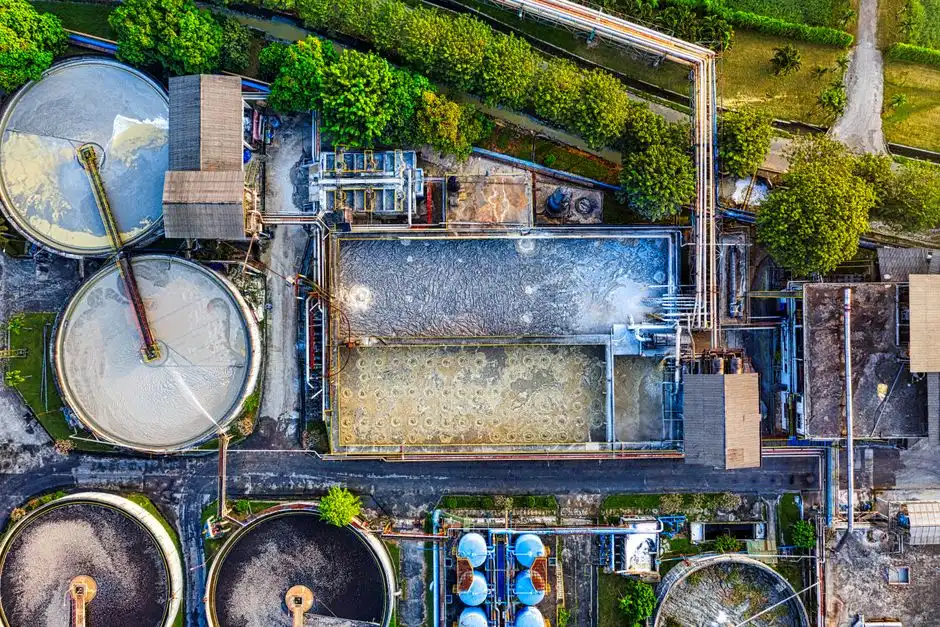
DAF and ETP describe different scopes: DAF is a separation unit, while an ETP is a coordinated sequence of treatment processes. Quora’s July 2021 source divides ETP treatment into primary treatment using physical and chemical methods, secondary aerobic or anaerobic biological treatment, and tertiary treatment before final release. This framework supports an equipment decision because each level answers a different contaminant question.
In a DAF unit, clarified effluent is pressurized and saturated with air, then returned to the flotation tank. The pressure reduction produces microbubbles that attach to solids and oil droplets. The resulting froth is removed by a mechanical skimmer, leaving clarified water below an overflow weir. The same source describes microbubbles generally measuring between 10 and 100 micrometres in diameter.
The refinery sequence illustrates the distinction between physical and biological stages. An API separator first uses gravity to remove large free-floating oil and heavy sediment. DAF then targets residual emulsified oil and fine solids before biological reactors. That sequence is a comparative example, not a claim that every factory requires either unit.
Emulsified oil entering biological treatment can coat microorganisms, inhibit oxygen transfer, and damage the biological population, according to the July 2021 Quora explanation. Strong pretreatment is therefore more defensible than relying on biology to remove materials that interfere with it.
| Selection | Use when | Do not assume |
|---|---|---|
| DAF only | The objective is physical removal of oil, FOG, colloids, or suspended solids, or DAF is required as factory wastewater pretreatment. | That DAF removes biodegradable dissolved organic load. |
| Biological ETP | The wastewater requires aerobic or anaerobic biological treatment and the feed is compatible with the selected process. | That biology can remove emulsified oil, problematic solvents, or all suspended solids. |
| DAF plus biological ETP | Oily or colloidal feed requires conditioning before biological organic-load removal. | That the DAF alone satisfies the final effluent objective. |
| DAF plus biological and tertiary ETP stages | Primary separation, biological treatment, and final discharge or reuse polishing are all required. | That “ETP” is a single piece of equipment without a defined process scope. |
Some industrial compounds can also defeat biological treatment. The July 2021 Quora source identifies aromatic solvents such as trichloroethylene as difficult pollutants and recommends effective pretreatment rather than biological treatment alone. That condition calls for source identification and process-specific testing, not a generic ETP selection.
Chemical dosing must be part of the process definition. A PLC-controlled chemical dosing system can be proposed where operating data support automatic control of coagulants, flocculants, or pH adjusters, but the proposed chemical regime should be supported by jar or pilot testing. The 2026 DAF selection and decision framework provides a broader basis for evaluating those inputs.
Size the System from Test Data and Operating Demand
Equipment sizing must combine representative wastewater quality with the flow condition that actually drives treatment demand. Request average and peak flow, pH, TSS, oil and grease, FOG, COD, BOD, and applicable surfactant or toxicity information, then add parameters specific to the factory process. Annual wastewater volume is not an adequate sizing basis by itself because batch discharges and cleaning events may govern hydraulic or contaminant loading.
For DAF, ask each supplier to show the hydraulic loading, contaminant loading, recycle assumptions, operating pressure, air demand, chemical condition, and required separation performance used in the calculation. Clarify whether the stated capacity is raw feed, clarified recycle, or combined circulation, and whether batch flows can pass through the selected equipment.
The available equipment catalog illustrates configuration breadth rather than proving suitability: 13 standard DAF models span 4–300 m³/h for suspended solids, FOG, oil and grease, and colloidal matter. For an MBR configuration, the stated range is 10–2,000 m³/day. Those ranges can help identify the scale of a proposal, but they cannot establish the correct San Antonio factory size without process data. The broader DAF sizing considerations are reviewed in the engineering guide on DAF sizing for industrial wastewater.
| Vendor sizing input | Why it affects selection | Minimum supporting information |
|---|---|---|
| Representative flow profile | Determines hydraulic equipment size and equalization needs. | Average, peak, batch, and cleaning-event flows |
| TSS, oil and grease, and FOG | Establishes the physical-separation load for DAF. | Source-specific analyses matched to operating conditions |
| COD and BOD | Indicates whether biological treatment is required and its scale. | Source-specific analyses and process-specific load data |
| pH and chemical additions | Defines chemical-conditioning and materials requirements. | Existing chemical use, pH range, and proposed dosing control |
| Surfactants, toxicity, and problematic solvents | Can interfere with flotation or biological treatment. | Product/process-specific information and toxicity testing where applicable |
| Discharge or reuse criteria | Determines the required final treatment level. | Applicable permit, sewer limits, or documented reuse specification |
No San Antonio flow, contaminant, or effluent-limit dataset was supplied for this analysis. Therefore, no defensible unit size or performance guarantee can be selected from the location and factory description alone. The preliminary size should remain an engineering basis subject to vendor review and, where process variability is material, pilot testing.
Verify San Antonio Discharge and Reuse Requirements
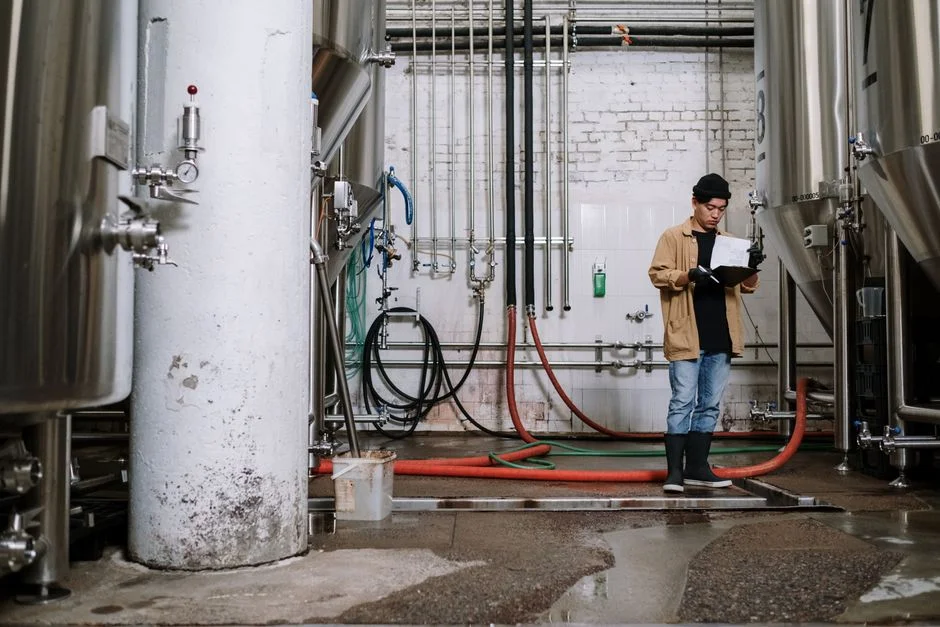
The discharge route determines the evidence required to select treatment: sanitary sewer, industrial or stormwater authorization, and on-site reuse have different acceptance requirements. Obtain the applicable San Antonio wastewater permit, sewer-use limits, sampling protocol, or reuse criteria from the responsible authority and the factory’s compliance team. Do not use a generic treatment level as a substitute for those requirements.
Ask the supplier to separate three statements: the selected process, the design basis, and the performance commitment. A DAF manufacturer’s removal claim is not a regulatory guarantee. The quotation should identify the incoming wastewater conditions assumed, the outlet objective applied, and the acceptance tests used to demonstrate compliance or reuse suitability.
Check whether pretreatment requirements specifically address pH, suspended solids, oil and grease, or surfactants before discharge or biological treatment. These parameters may affect both the permit pathway and process selection. Where local requirements differ by facility or discharge point, the factory’s actual authorization must control.
The supplied research supports the categorical treatment structure of primary, secondary, and tertiary treatment but does not provide verified numerical San Antonio discharge limits. Any request for a “compliant package” should therefore specify the permit or sewer-use document as an attachment and identify who is responsible for confirming each requirement.
Compare Quotes Using the Same Technical Basis
Comparable quotations require the same wastewater analysis, flow profile, source-stream description, discharge target, footprint constraint, utility requirements, and operating schedule. If each vendor receives different inputs, the resulting prices will not be comparable. Require a proposed process flow and enough calculations for the buyer to verify why the proposed equipment fits the stated design condition.
For a DAF proposal, request the hydraulic and contaminant loading calculations, recycle basis, pressure and air requirements, chemical system, materials of construction, skimming arrangement, sludge withdrawal, controls, utilities, installation requirements, commissioning plan, and acceptance criteria. For an ETP proposal, request the biological process basis, aeration or gas requirements, sludge recycling, odor controls, tertiary steps, and operating attendance.
Compare proposals by complete treatment scope, not by the price of a skid. A DAF bid may omit biological treatment, piping, electrical work, source segregation, sludge handling, or permits. An ETP bid may omit chemical pretreatment, tertiary polishing, or long-term operating services. A plate and frame filter press may also be separately required for dewatering, rather than included in either equipment price.
| Commercial and technical item | Question to require in every quotation | Buyer check |
|---|---|---|
| Design basis | Which flow, analysis, batch condition, and outlet objective were used? | Matches the factory test data and permit or reuse specification |
| Treatment scope | Which pretreatment, biological, tertiary, sludge, and controls work are included? | No process gap between the proposed train and objective |
| Equipment and materials | Which skids, tanks, pumps, instruments, and materials are supplied? | Compatibility with the factory process and installation constraints |
| Utilities and operating inputs | What electrical, air, water, drainage, and chemical demand is expected? | Available capacity and operating cost assumptions |
| Sludge and residuals | How are float, sludge, and separated solids collected and disposed of? | Volume, characteristics, labor, and disposal route |
| Commissioning and acceptance | What startup, testing, training, and performance criteria are included? | Responsibilities, schedule, and acceptance method are documented |
| Exclusions | Which permits, piping, electrical work, source segregation, spares, and disposal services are excluded? | Assign each exclusion and cost to the responsible party |
Chemical control should be priced explicitly. Ask suppliers to identify the operating data needed for automatic dosing and how coagulants, flocculants, and pH adjusters will be controlled. Otherwise, the equipment quotation may omit the chemical consumption and operating labor needed to achieve its stated separation result.
Plan Commissioning and Sludge Handling Before Purchase
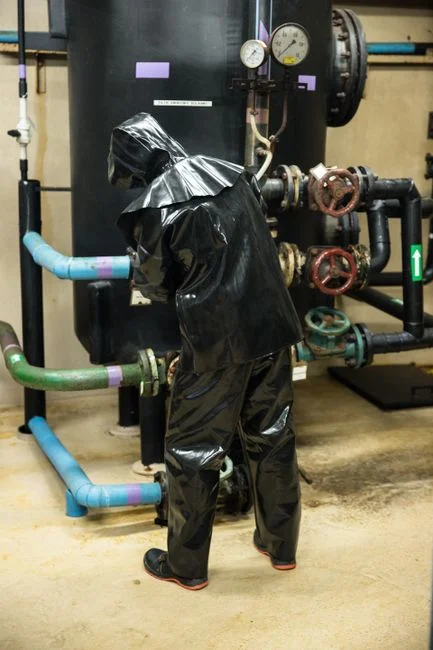
Acceptance criteria must be written before purchase because “operating normally” is not a defensible commissioning test. The purchase package should define startup, stabilization, performance testing, operator training, and corrective responsibilities. Include the wastewater conditions, sampling method, parameters, test duration, and acceptance values proposed by the manufacturer.
Plan the float, sludge, and separated-solids route at the same time as the treatment equipment. Collection, storage, dewatering, transportation, and disposal all affect operability and cost. The available plate and frame filter press options cover industrial sludge dewatering with filtration areas from 1 m² to 500 m², giving the buyer a documented range to evaluate once sludge generation and dewatering tests define the duty.
A biological ETP also needs an operating concept covering aeration, sludge recycling, controls, odor management, and routine operator attention. Comparing it with a compact physical DAF skid on footprint alone misses these operating requirements.
Require defined monitoring points and corrective-action responses for flow, pH, oil and grease, suspended solids, and process-specific parameters. For biological systems, also require the supplier to specify how upset conditions are detected and controlled. The MBR integrated wastewater treatment system reference can help structure that review, but the final commissioning plan must match the proposed process and actual factory staffing.
Frequently Asked Questions
Does a San Antonio factory need DAF, an ETP, or both?
DAF alone may fit a physical-separation objective involving oil, FOG, colloids, or suspended solids. An ETP is needed when the wastewater requires biological organic-load removal or tertiary polishing. A combined train is appropriate when oil or colloidal solids must be removed before biological treatment. The discharge route and representative wastewater analyses determine which case applies.
What information does a supplier need for an accurate DAF quotation?
Provide source-separated wastewater analyses, average and peak flow, batch and cleaning-event data, pH, TSS, oil and grease, FOG, relevant chemical information, and the required discharge or reuse objective. Also state the available footprint and utilities. These inputs allow the supplier to calculate hydraulic and contaminant loading rather than select from equipment type alone. The 2026 DAF selection and decision framework provides a structured basis for this request.
How should DAF and ETP quotations be compared on cost and scope?
Compare each proposal against the same written treatment scope and design basis. Require line items for pretreatment, biological or tertiary stages, controls, utilities, sludge handling, installation, commissioning, training, permits, and exclusions. No defensible price range can be stated from the supplied research because no quotation or factory-specific design basis was provided.
How do I select a supplier and confirm San Antonio compliance before ordering?
Check the supplier’s calculation basis, proposed process flow, acceptance tests, utility demands, operating controls, commissioning responsibilities, and exclusions against your wastewater data. Before selecting equipment or promising reuse, obtain the applicable San Antonio permit, sewer limits, or reuse criteria from the responsible authority. A supplier process claim does not replace regulatory verification, and treatment level alone does not establish unit size.