
What Chemical Wastewater Changes About the MBR-versus-CAS Decision
For chemical wastewater in Star, Idaho, MBR is usually the stronger fit when the wastewater is biodegradable after pretreatment, flows are reasonably stable, and the facility needs compact equipment, high suspended-solids separation, or water reuse. Conventional activated sludge generally has a lower initial equipment cost and remains suitable for stable, lower-complexity streams with adequate land and clarifier performance. Neither system removes every industrial chemical: characterize toxicity, pH, salinity, biodegradability, and compound variability first. The 2022 Water review identifies waste type, concentration, heterogeneity, cleanup level, operating difficulty, environmental impact, and cost as decisive selection factors. HydropureWater specifies its integrated MBR at 10–2,000 m³/day, below 1 μm filtration, and a 60% smaller footprint than conventional systems.
A conventional activated sludge system combines biological treatment with separate solids separation, commonly a clarifier and return activated sludge. An industrial membrane bioreactor combines activated-sludge biology with membrane filtration; the integrated MBR wastewater treatment system specified by HydropureWater uses submerged PVDF membranes with filtration below 1 μm.
The governing rule is simple: MBR can improve solids separation and reduce the space occupied by the treatment train, but it cannot make a toxic, inhibitory, or non-biodegradable chemical stream suitable for biology. The 2022 Water review by Koul and colleagues identifies waste type, concentration, heterogeneity, required cleanup level, feasibility, operating difficulty, environmental impact, and treatment cost as selection factors, while identifying industrial chemicals among emerging contaminants.
For a Star facility, industrial pretreatment and sewer-discharge requirements are separate design constraints from the final biological unit. The supplied research contains no Star-specific permit limits. Obtain applicable pretreatment, discharge, and reuse conditions in writing before comparing bids.
Characterize the Stream Before Choosing a Bioreactor
A defensible MBR-versus-CAS decision starts with measured wastewater characteristics, because chemical composition can make pretreatment more important than the final bioreactor. Request a representative characterization covering flow, pH, COD/BOD, suspended solids, salinity, toxicity, temperature, oils or surfactants where relevant, target compounds, and variability during production and cleanup cycles.
- Classify biodegradability as readily biodegradable, slowly biodegradable, or refractory.
- Identify inhibitory constituents and likely shock loads.
- Define the required endpoint: direct discharge, indirect discharge, reuse, or preparation for zero-liquid-discharge treatment.
- Size equalization and pretreatment around the worst credible chemical load, not merely the average daily wastewater.
- Confirm compatibility of every cleaning or CIP chemical with the membrane, seals, piping, instrumentation, and biological system.
The 2025 operator-focused source from goveyra.com states that MBR operation depends on flow loading and how closely actual loading matches design assumptions. Batch discharges therefore require particular scrutiny: review production sequencing, slug-load frequency, cleanup operations, equalization volume, and upset-management provisions. Segregation may be preferable when incompatible or high-strength streams can be kept out of the biological feed.
Do not infer membrane compatibility from pH alone. Obtain written compatibility information for the proposed membrane material and the intended cleaning or CIP chemicals. Likewise, a pH correction is only useful if the selected chemical does not inhibit biology or damage the membrane. An PLC-controlled chemical dosing system may support controlled pretreatment, but chemical selection and downstream compatibility remain the engineer’s responsibility.
| Screening item | Information required | Decision consequence |
|---|---|---|
| Flow and variability | Average flow, minimum and maximum flow, batch discharges, cleanup flows | Defines equalization, hydraulic turndown, and biological loading |
| Biological compatibility | COD/BOD, biodegradability, toxicity, salinity, pH, temperature | Determines whether biology is viable after pretreatment |
| Physical contaminants | Suspended solids, colloids, oil, grease, surfactants, target compounds | Determines whether DAF, filtration, or segregation is required |
| Required endpoint | Discharge route, reuse objective, governing permit conditions | Sets the required solids separation and polishing scope |
| Membrane compatibility | Membrane material and compatibility with proposed cleaning chemicals | Protects membrane assets and biological performance |
The 2022 Water review identifies the percentage and type of cleanup required as a central selection criterion. For industrial wastewater reuse, that endpoint must be defined before a reactor format is selected. This is also where an industrial DAF pretreatment system may be relevant, but only if the influent characteristics justify oil, grease, FOG, colloid, or suspended-solids removal before biology.
Compare MBR and Conventional Activated Sludge for Chemical Wastewater
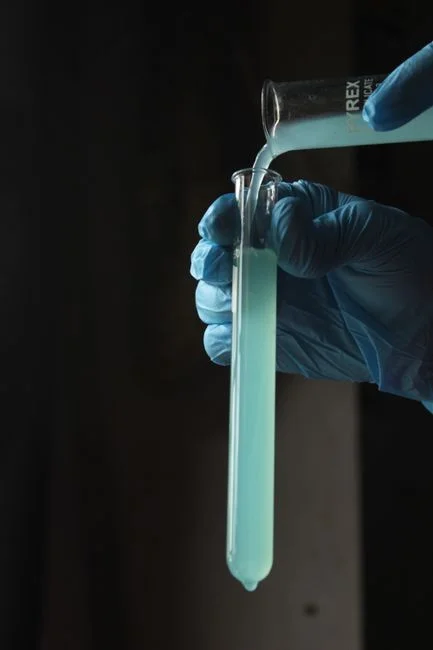
MBR and CAS share the same biological constraint: both depend on acclimated microorganisms, so both require biodegradable and non-inhibitory influent after pretreatment. Their main differences are solids separation, footprint, hydraulic behavior, controls, maintenance, and the associated life-cycle risk—not an ability to treat any chemical indiscriminately.
| Design issue | MBR | Conventional activated sludge |
|---|---|---|
| Biological stage | Activated-sludge biology with membrane solids separation | Activated-sludge biology with separate clarification |
| Solids separation | HydropureWater specifies filtration below 1 μm for its integrated system | Depends on clarifier settling, sludge blanket control, and RAS performance |
| Footprint | HydropureWater states a 60% smaller footprint than conventional systems; this is a supplier specification, not a universal rule | Requires space for aeration basins, clarifiers, sludge handling, and access |
| Hydraulic operation | The 2025 goveyra.com source warns that operation below 20% or above 80% of design flow is harder to manage | Turndown is constrained by mixing, aeration, clarifier, and solids-washout risks |
| Controls | Dynamic DO, normalized transmembrane pressure, automated air scour, backpulse, and CIP controls | DO control, aeration management, RAS adjustment, sludge blanket monitoring, and waste sludge control |
| Maintenance focus | Membrane fouling, cleaning, seals, pumps, blowers, and instrumentation | Clarifiers, RAS, settling, sludge wasting, and bulking management |
| Sludge | Retains biomass in membrane tanks and still generates excess sludge | Generures excess sludge and depends on clarifier performance for solids capture |
HydropureWater’s 10–2,000 m³/day range and 60% footprint claim define the supplier’s catalog envelope, not automatic suitability for every chemical plant. The 2025 goveyra.com source states that MBRs operating below 20% or above 80% of design flow are inherently more difficult to operate. A chemical facility with batch dumps or wide production variability therefore needs a turndown strategy that includes equalization, flow balancing, and upset management.
Membrane fouling is a process-control issue as well as a maintenance issue. Require the supplier to define how normalized transmembrane pressure will be corrected for temperature and flow, how air scour and backpulse will be triggered, and when CIP will be required. These controls must be integrated with biological indicators rather than operated as isolated membrane functions.
Neither technology should be represented as universally removing industrial chemicals. The supplied pharmaceutical comparison paper returned a broken DOI page, so it provides no verified numerical basis for comparing CAS and MBR contaminant removal. Both systems also generate sludge. The 2022 Water review identifies sludge treatment and disposal as major limitations that affect total treatment cost.
Pretreatment and Membrane Compatibility Can Decide the Project
Pretreatment determines whether the selected biological process receives a controllable feed, so the process flow should be resolved before comparing reactor equipment. A typical sequence is source segregation and collection, equalization, physical removal such as DAF or filtration, pH or chemical adjustment where required, biological treatment, and disinfection or reuse treatment as specified.
- Segregate sources: keep incompatible, highly concentrated, or separately regulated streams apart where practical.
- Equalize flow and composition: reduce production and cleanup shocks before biological treatment.
- Remove physical contaminants: apply DAF or filtration where oils, grease, colloids, or suspended solids would interfere with biology or membranes.
- Adjust chemistry: correct pH or other inhibitory conditions with a controlled chemical feed.
- Treat biologically: operate MBR or CAS on a compatible feed with an enforceable operating envelope.
- Polish for the endpoint: add disinfection or reuse treatment only as required by the confirmed authorization.
HydropureWater specifies DAF use across industrial wastewater applications and capacities from 4 to 300 m³/h. This establishes a published supplier range; it does not establish the required DAF capacity for a Star facility. That selection requires wastewater characteristics, flow, and the physical contaminants that must be removed.
Automatic chemical dosing can support pH control or targeted pretreatment, but it creates a second compatibility check: the dosed chemical must not damage the membrane or impair the biology. This concern includes the cleaning and CIP chemicals already used at the site. Do not infer compatibility from pH alone.
| Process dependency | Question for the design team | Required evidence |
|---|---|---|
| Equalization | Can the tank absorb the worst credible batch or cleanup discharge? | Production sequence, peak-flow record, batch-waste inventory |
| DAF or filtration | Which physical constituents could foul biology or membranes? | Oils, grease, colloids, suspended-solids, and surfactant characterization |
| Chemical adjustment | Will the selected chemical remain compatible downstream? | Dosage logic, chemical specification, membrane and biology compatibility evidence |
| MBR controls | How will fouling and hydraulic upset be detected and controlled? | Normalized TMP method, air-scour sequence, backpulse and CIP triggers |
| Upset management | What happens during an off-spec batch or failed pretreatment step? | Bypass, segregation, alarm, shutdown, and recovery philosophy |
The 2025 goveyra.com source identifies design, actual loading, training, and automation as determinants of operator experience. If pretreatment is undersized, more membrane controls will not correct a chemically incompatible influent. Conversely, reliable equalization and pretreatment can make MBR operation more predictable by holding actual loading closer to the basis used for design.
Compare Operating Risk, Footprint, and Lifecycle Requirements
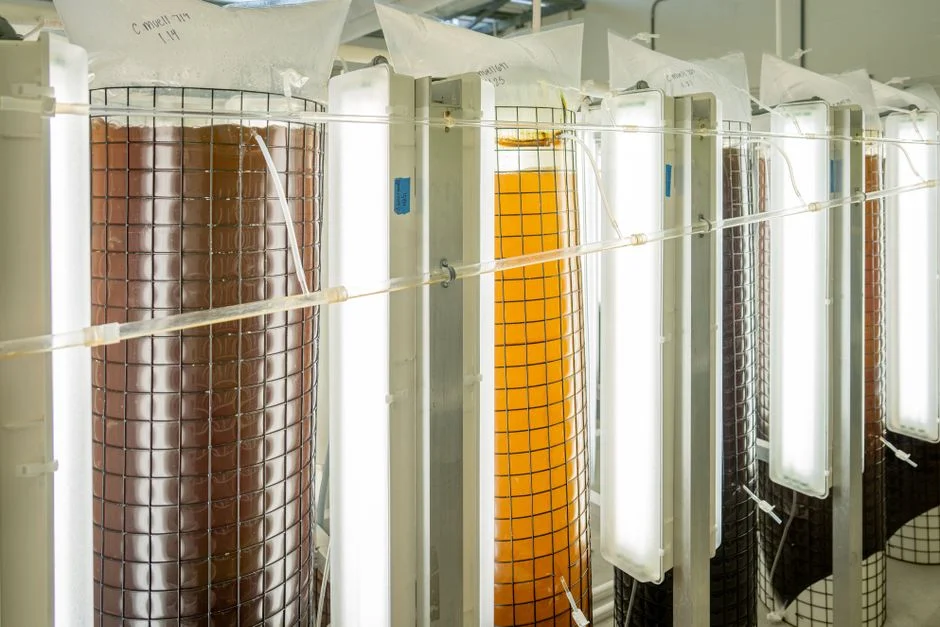
The operating advantage of MBR comes from process design and automation, not from the presence of membranes alone. The 2025 goveyra.com source argues that a well-designed, automated MBR with structured training can be easier to operate than CAS, while poorly matched loading and inadequate training undermine that result. For procurement, that means evaluating the controls and support package as part of the equipment—not as optional extras.
Require proposals to address dynamic DO control, normalized TMP trending, automated air scour, backpulse, CIP triggers, flow balancing, and accessible membrane trains. Also establish how the operator will distinguish membrane fouling from changes in biological activity. Without trend-based controls and defined response actions, MBR operation shifts toward constant manual intervention.
Conventional systems carry different operating risks. The 2025 goveyra.com source identifies clarifier performance, RAS adjustment, solids washout during storm events, and suspended-solids bulking as recurring concerns. Where storm flow is relevant, confirm whether that term is being applied to a chemical plant’s storm event, process washdown, or another high-flow condition. A CAS proposal should state how its aeration, clarifier, sludge inventory, and effluent solids control respond to that hydraulic event.
HydropureWater states that its integrated MBR occupies 60% less footprint than conventional systems. That makes MBR relevant where Star site space is constrained, but the comparison should include equalization, DAF or filtration, chemical dosing, sludge handling, maintenance access, and future service clearances. A smaller bioreactor package does not necessarily produce a smaller treatment plant.
Both systems create sludge that requires dewatering and disposal. The plate-and-frame filter press is one potential solids-handling option, but the selected route should follow from sludge characteristics, dewatering performance, and disposal arrangements. The 2022 Water review identifies maintenance and monitoring, sludge treatment and disposal, and total treatment cost as major limitations affecting wastewater treatment.
Build a lifecycle comparison around membrane replacement or refurbishment, aeration and membrane-scour energy, cleaning and CIP chemicals, operator labor, monitoring, sludge dewatering, disposal, and production downtime. Do not accept a capital-equipment price alone. The MBR cost per m³ 2026 guide provides a broader commercial framework, but project-specific inputs are still needed for a defensible estimate.
Build a Star Project Decision and Procurement Checklist
A comparable bid package must define the same flow, wastewater envelope, pretreatment, endpoint, and lifecycle assumptions for both technologies. HydropureWater’s published MBR capacity range of 10–2,000 m³/day is an initial screening reference, not process sizing.
| Procurement document | Information every bidder should provide | Buyer’s acceptance check |
|---|---|---|
| Basis of design | Design flow, minimum and maximum flow, turndown, influent envelope, biological loading basis, pretreatment assumptions | Assumptions are tied to the same measured stream and production cycle |
| Process design | Process flow and P&ID covering equalization, pretreatment, biology, solids separation, disinfection, sludge handling, sampling, and upset provisions | No equipment bypasses an unresolved treatment or compliance step |
| Membrane proposal | Material, nominal pore size, expected operating flux range, cleaning compatibility, fouling strategy, normalized TMP monitoring, backpulse and CIP controls, replacement assumptions | Values are supported by the supplier and tied to the chemical stream |
| Lifecycle worksheet | Equipment, installation, startup, pretreatment, chemicals, energy, labor, membrane maintenance, sludge handling, disposal, and contingency | Scopes and assumptions are separated by category |
| Service package | Operator training, commissioning, SCADA graphics, alarm philosophy, preventive maintenance, remote support, critical-part response | Deliverables and responsibilities are contractual |
| Regulatory basis | Applicable discharge, sewer, pretreatment, and reuse conditions | Current Star requirements are confirmed in writing |
Before issuing equipment bids, conduct the characterizations listed in the stream-screening table, review production and cleanup cycles, and obtain written Star discharge, sewer, or reuse conditions. Then ask each bidder to state whether MBR or CAS is recommended and why. A technically coherent recommendation should identify the biological loading basis, pretreatment performance, hydraulic turndown, solids handling, controls, and failure response—not simply claim that one technology is more advanced.
For membrane bids, separately verify membrane material, nominal pore size, expected operating flux range, cleaning chemistry compatibility, fouling strategy, normalized TMP monitoring, backpulse and CIP controls, replacement assumptions, and spare-parts availability. These are the documents needed to compare risk as well as price. A MBR membrane bioreactor module should not be accepted as a performance guarantee unless its operating envelope is tied to the actual wastewater characterization.
Finally, align treatment capacity with the project’s real operating pattern. The published 10–2,000 m³/day range can narrow the supplier discussion, but the selected train must still handle minimum flow, peak flow, batch discharges, chemical upsets, and maintenance conditions without exceeding the supplier’s stated operating assumptions.
Frequently Asked Questions
Which system should a chemical facility in Star select: MBR or conventional activated sludge?
Select MBR when the stream is biodegradable after pretreatment, stable hydraulic loading can be maintained or buffered, land is constrained, or the endpoint requires stronger solids separation and reuse preparation. Select CAS when the wastewater is biologically compatible, flow and composition are comparatively stable, adequate land and clarifier performance are available, and its lower initial equipment burden is preferable. Neither technology resolves toxicity, refractory compounds, salinity, pH excursions, or chemical variability without suitable source control and pretreatment.
How should the buyer compare MBR and CAS cost and budget?
Request matched lifecycle-cost worksheets rather than comparing quoted equipment prices. Each worksheet should separate installed equipment, biological and pretreatment startup, chemicals, energy, labor, membrane maintenance, sludge handling, disposal, and contingency. Obtain current quotations against the same flow, influent envelope, pretreatment, controls, and replacement assumptions. The MBR cost per m³ 2026 guide is useful for structuring that request, but the supplied research does not provide a defensible Star project price.
What should a buyer request before selecting an MBR supplier?
Request membrane material and pore-size data, chemical and CIP compatibility, worst-case design assumptions, flux and normalized TMP methodology, automation details, operator training, commissioning support, service response, and a transparent lifecycle-cost worksheet. Also require proof that the proposed hydraulic and loading envelope matches the actual chemical stream. The supplier’s published footprint and capacity claims are screening information, not substitutes for stream-specific guarantees.
Is the 10–2,000 m³/day MBR range sufficient for sizing?
No. HydropureWater’s 10–2,000 m³/day range is a catalog screening boundary, not a process-sizing calculation. Supply average flow, minimum and maximum flow, production and cleanup cycles, batch-discharge data, wastewater characteristics, pretreatment requirements, and the required endpoint. These inputs must be reconciled with biological loading, hydraulic turndown, fouling controls, and maintenance conditions before selecting equipment.
What Star compliance risks should be resolved before procurement?
Obtain written confirmation of the applicable industrial pretreatment, discharge-to-sewer, direct-discharge, or reuse conditions and identify which party owns each compliance obligation. The supplied research contains no Star-specific limits, so generic permit values should not be copied into the specification. Require bidders to demonstrate how their proposed flow, controls, monitoring, and upset-management provisions satisfy the facility’s confirmed authorization.
For a broader technical comparison, see the related chemical-wastewater MBR comparison. Where detergents or surfactants dominate the stream, also evaluate ultrafiltration treatment for detergent wastewater during pretreatment screening.
Related Equipment
- industrial DAF pretreatment system — specifications, capacity range, and technical data