

DAF, ETP, or a Combined Treatment Train?
An Atlanta factory generally needs a DAF system when its wastewater contains recoverable oil, grease, suspended solids, or colloidal material that must be removed before discharge, sewer entry, reuse, or biological treatment. A full industrial effluent treatment plant is needed when the wastewater also requires biological degradation, additional polishing, disinfection, or broader contaminant control. Many factories need both: screening and equalization, then DAF for physical separation, followed by biological or tertiary treatment. Selection should begin with representative wastewater tests, peak flow, discharge route, permit conditions, and reuse requirements—not the equipment name alone.
An industrial ETP is a treatment train, not a single machine. The available Quora evidence describes primary treatment using physical and chemical methods, secondary biological treatment in aerobic or anaerobic conditions, and tertiary cleaning or disinfection before release (Quora, 2025-07-15). A dissolved air flotation system is the physical-separation component within that broader train. It uses tiny air bubbles to attach to particles and float them to the surface, where a skimmer removes the separated material.
Factories handling oily or solids-rich wastewater often need DAF before biological treatment. Refinery guidance describes DAF as a protective barrier that removes emulsified oil and fine solids before they interfere with downstream microbes (Quora, 2025-07-15). DAF alone may be adequate where the required objective is physical separation followed by an authorized discharge, reuse route, or sewer discharge, but that conclusion depends on the wastewater characterization and permit conditions.
| Initial selection | Use when | Do not assume |
|---|---|---|
| DAF only | The main objectives are oil, grease, suspended-solids, or colloidal removal and the clarified water has an authorized discharge, reuse, or sewer route. | Flotation removes every contaminant or satisfies every permit condition. |
| Full ETP | The wastewater requires biological treatment, final polishing, disinfection, or control across several contaminant groups. | One unit or one supplier quotation defines the entire compliance obligation. |
| Combined DAF–ETP train | Oily or fine-solids wastewater could interfere with biological treatment, and downstream biological or tertiary stages are required. | DAF eliminates the need for biological treatment. |
The industrial ETP versus DAF factory decision guide provides a useful conceptual comparison. For Atlanta procurement, the more useful starting point is the 2026 DAF selection and engineering decision framework, provided it is populated with plant-specific wastewater and permit data.
Start with the Factory's Wastewater and Permit Profile
Equipment selection becomes reliable only after the factory has defined its wastewater characteristics, hydraulic load, and legal discharge route. Without representative data, a quotation may be based on assumptions that cannot support process sizing or permit discussions.
Begin with a wastewater characterization package:
- Obtain representative samples across relevant production conditions and request analysis for flow, suspended solids, oil and grease, pH, and pollutants associated with the factory process. Alantech identifies suspended particles, oils, and greases as DAF targets; Trity Enviro advises identifying the wastewater type and sharing data before comparing quotations (Alantech, 2025; Trity Enviro, 2025).
- Record average and peak flow, production shifts, batch discharges, storm-water separation, and expected production changes. DAF equipment must be considered against peak loading rather than diluted average flow.
- Map the destination: direct discharge, sanitary sewer or POTW pretreatment, reuse within the plant, or preparation for zero-liquid discharge. Each route changes the required treatment stages, documentation, and operating controls.
- Screen the wastewater for compounds that may be unsuitable for biological treatment. Quora identifies aromatic solvents such as trichloroethylene as difficult to remove biologically and calls for stronger pretreatment (Quora, 2025-07-15).
- Define site requirements: pH adjustment, chemical compatibility, odor control, sludge or froth removal, monitoring, operator access, utilities, and available installation footprint.
| Selection input | Information the buyer should obtain | Decision affected |
|---|---|---|
| Wastewater characterization | Representative analyses for suspended solids, oil and grease, pH, flow, and process-specific contaminants. | DAF, biological ETP, chemical dosing, and polishing. |
| Hydraulic profile | Average and peak flow, production shifts, batch discharges, storm-water separation, and future changes. | Tank and pump sizing; equalization requirements. |
| Discharge or reuse endpoint | Direct-discharge, POTW pretreatment, plant reuse, or zero-liquid-discharge preparation requirements. | Permit pathway and required treatment sequence. |
| Residue handling | Expected sludge and froth characteristics, removal method, storage, and disposal route. | DAF skimming, pumps, containers, and site operations. |
| Permit and pretreatment status | Applicable authorization, approved discharge route, monitoring conditions, and required documentation. | Compliance risk and acceptance criteria. |
Keep technology selection separate from permit approval. The selected process may support the facility’s compliance strategy, but the permitted endpoint, monitoring plan, and applicable local requirements must still be established through the responsible authority and the sewer authority where a POTW route is used. The 2026 DAF selection and engineering decision framework can help organize the technical inputs; it does not replace project-specific wastewater testing or regulatory review.
Where DAF Fits in the Treatment Process
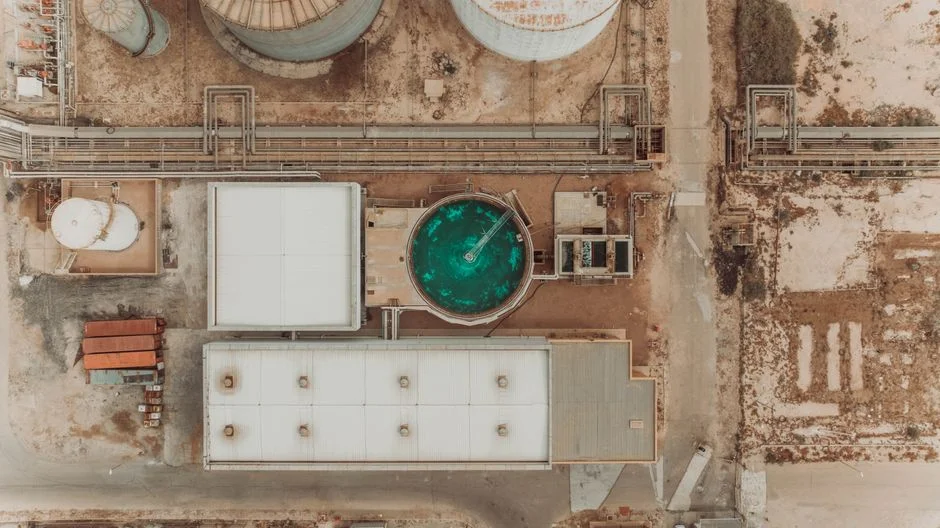
DAF removes floatable and suspended material by attaching microscopic bubbles to particles and collecting the resulting froth at the tank surface. Alantech describes aeration under high pressure, typically at 3–5 bar, followed by chemical mixing where needed for flocculation (Alantech, 2025). After the pressure drop, the released bubbles attach to suspended solids, oils, and grease; a skimmer removes the accumulated material while clarified water leaves from the bottom (Alantech, 2025).
The refinery explanation gives the bubbles a reported diameter of 10–100 microns and explains how they lift fine solids and oil droplets for continuous skimming (Quora, 2025-07-15). That source also identifies the DAF’s specific downstream role: removing emulsified oil before it reaches biological reactors, where it can interfere with microbial activity and oxygen transfer.
DAF should not receive raw factory wastewater without considering upstream preparation. Screening and sedimentation can remove large particles and settleable solids before flotation, reducing clogging and excessive buildup inside the DAF (Alantech, 2025). Equalization is also important where batch discharges create short-duration loading peaks.
Chemical dosing is part of process performance rather than an accessory. Coagulants can destabilize emulsions, while flocculants can help form larger floatable flocs. An automatic wastewater chemical dosing system should be evaluated with its control logic, chemical storage, compatibility, and operator interface—not separated from the DAF quotation.
Equipment selection may also require screening and solids-handling stages. A rotary mechanical bar screen may be considered as upstream pretreatment, but the required configuration depends on the factory’s debris characteristics. An industrial dissolved air flotation system then handles the applicable flotation duty.
Further clarification and, where necessary, disinfection may follow flotation. Alantech explicitly includes final clarification and optional disinfection in the DAF treatment sequence for discharge or reuse (Alantech, 2025). Neither DAF nor chemical addition is a substitute for determining the project-specific permit requirements.
Compare DAF, a Full ETP, and Combined Treatment
DAF versus biological treatment is not a choice between two interchangeable devices: they remove different contaminant classes and solve different problems. DAF is appropriate where physical separation is the principal duty; biological treatment is needed where dissolved and biodegradable organic matter must be degraded or final compliance requires broader polishing.
DAF is the more direct fit for oil, grease, low-density floatables, suspended solids, and colloidal material. The HydropureWater product catalog covers 4–300 m³/h across 13 standard models and describes micro-bubble technology with automatic skimming (HydropureWater product catalog, 2026). That range is a screening reference, not a basis for selecting a model without hydraulic and contaminant-loading data.
A full ETP can include physical and chemical primary treatment, aerobic or anaerobic biological secondary treatment, and tertiary cleaning or disinfection (Quora, 2025-07-15). It is the appropriate route when the wastewater requires organic-matter degradation, biological treatment, final polishing, or several treatment objectives.
A combined DAF–ETP train places DAF before biological treatment where emulsified oil and fine solids could interfere with the biological process. The refinery explanation describes this protection function directly (Quora, 2025-07-15). It is a common process logic, but the factory’s wastewater analysis must establish the need; refinery operating conditions should not be transferred automatically to a different Atlanta plant.
A high-efficiency sedimentation tank can be considered for solids separation, while DAF is more directly aligned with oil, grease, and low-density floatables. Neither replaces biological treatment when biodegradation is required. For broader route selection, see the engineering material that explains how to compare DAF with alternative wastewater treatment units.
| Decision factor | DAF | Full ETP | Combined DAF–ETP |
|---|---|---|---|
| Treatment objective | Remove suspended solids, oil and grease, and floatable or colloidal material. | Provide physical, chemical, biological, and—where needed—tertiary treatment. | Protect and improve the performance of downstream biological or tertiary stages. |
| Typical role | Pretreatment or stand-alone physical separation. | Complete effluent treatment train. | DAF upstream of biological treatment and final polishing. |
| Principal strengths | Direct flotation of oil, grease, and solids; automatic surface skimming in the catalog configuration. | Broader contaminant control, including biological degradation and optional disinfection. | Removes emulsified oil and fine solids before they reach sensitive biological processes. |
| Principal limitations | Does not itself provide comprehensive biological degradation or universal compliance. | Greater process complexity, site requirements, and residue-handling demands. | More equipment, controls, utilities, and operating interfaces than a single route. |
| Required design inputs | Representative wastewater analysis, peak flow, oil and grease, suspended solids, pH, chemicals, and residue route. | Full characterization, hydraulic profile, biological load, endpoint, utilities, sludge route, and permit criteria. | Inputs for both DAF duty and downstream biological or polishing requirements. |
| Selection caveat | Final selection requires wastewater testing, hydraulic and process design, and permit review. The comparison matrix is a screening tool, not an equipment selection. | ||
For biological treatment beyond clarification, the integrated MBR wastewater treatment system is one possible technology, but the chosen biological route must follow the required process duty and endpoint. Technology names should come after the wastewater and permit profile is established.
Prepare a Quotation-Ready System Selection
A comparable quotation starts with a common engineering basis, not a request for a generic DAF or ETP package. Send every supplier the same representative wastewater analysis, average and peak flow, production schedule, batch-discharge information, discharge or reuse endpoint, and applicable permit or POTW requirements.
Ask each supplier to state:
- The proposed treatment train and the design basis for every stage.
- Whether screening, equalization, chemical dosing, aeration, clarification, biological treatment, polishing, and disinfection are included or excluded.
- Expected chemical use, operating sequence, controls, utilities, installation footprint, and electrical requirements.
- Sludge or froth characteristics, removal method, storage, handling, and disposal assumptions.
- Proof testing, operator training, maintenance, spare parts, controls integration, warranty boundaries, and ongoing support.
The HydropureWater catalog range of 4–300 m³/h across 13 models can help screen whether a supplier’s proposed package covers the factory’s hydraulic scale (HydropureWater product catalog, 2026). It should not be used to infer loading capacity, treatment efficiency, or compliance. Ask each vendor to demonstrate how the selected model handles the submitted peak flow and contaminant loads.
Compare proposals on the whole operating cost, not acquisition price alone. Include chemicals, energy, residue handling, operator labor, maintenance, controls integration, and replacement parts. The DAF maintenance and operating guide identifies practical questions about skimming, pressure checks, controls, and inspections that can be placed into supplier scope documents.
Use the industrial dissolved air flotation system as a reference point when checking whether the quoted DAF scope includes the flotation tank, recirculation equipment, skimming arrangement, controls, and required pretreatment. Undefined exclusions are where otherwise comparable proposals diverge.
Frequently Asked Questions
What wastewater data should I provide before requesting a DAF or ETP price?
Provide representative analyses for suspended solids, oil and grease, pH, flow, and process-specific contaminants, together with average and peak flow, production shifts, batch discharges, and the intended discharge or reuse endpoint. Alantech identifies suspended solids, oils, and greases as flotation targets (Alantech, 2025), while Trity Enviro identifies wastewater type and shared data as the basis for quote comparison (Trity Enviro, 2025). Without these inputs, request budgetary pricing only and ask the supplier to state every design assumption.
How should an Atlanta factory compare DAF with a full biological ETP?
Compare the required treatment objective against the wastewater profile. Use DAF when physical removal of oil, grease, suspended solids, or colloids is the principal duty and the clarified water has an approved endpoint. Specify biological treatment when the wastewater requires degradation of biodegradable organics or broader final treatment. Use a combined train when DAF must protect downstream biological treatment from emulsified oil or fine solids. The 2026 DAF selection and engineering decision framework can structure the comparison.
Which supplier should I select for a factory wastewater treatment system?
Require a supplier to demonstrate its process basis, relevant pilot or comparable-project evidence, treatment objectives, scope boundaries, controls configuration, utilities, residue handling, O&M support, and proof-of-performance requirements. Ask each bidder to identify which stages are included, excluded, or provisional. A catalog capacity range is not evidence that a proposed system meets the factory’s wastewater and permit duties. The industrial ETP versus DAF factory decision guide is useful for framing that technical review.
Does selecting DAF or an ETP mean the Atlanta discharge is already approved?
No. Equipment selection is a process-design decision; permit approval is a separate regulatory decision. The applicable authorization, discharge destination, monitoring requirements, and POTW pretreatment conditions must be confirmed with the responsible authorities and sewer authority where applicable. No specific Atlanta discharge limits should be assumed from this comparison because the supplied research does not establish them. Ask each supplier which compliance activities are included and which remain the owner’s responsibility.