Why Anodizing Wastewater Needs a Stream-Specific RO Design
An RO system for anodizing wastewater should not be selected as a stand-alone treatment unit because anodizing lines generate acidic, alkaline, and mixed rinse streams with different chemistry. A 2020 case study found heavy metals below detection in color-rinse permeate, but acidic-pickling-rinse ion rejection was only 7%–13%; neutralized mixed wastewater required precipitate removal and then achieved stable permeability of 1 L/(m²·h·bar). For reuse, RO can remove drag-out chemicals and contaminants from used rinse water, but pretreatment must address acidity, suspended solids, colloids, and membrane-fouling risks. Equipment sizing should therefore begin with stream-by-stream sampling, treatment objectives, feed chemistry, flow, recovery, and concentrate-disposal requirements.
The 2020 Membranes case study separated color rinse, alkaline pickling rinse, acidic pickling rinse, anodizing rinse, and mixed wastewater because the streams do not behave alike under membrane treatment. That distinction is the first engineering decision: a generic skid based on average effluent chemistry can conceal the dominant failure mode in whichever stream has the most extreme pH, solids, or salinity.
Besco Commercial identifies sulfuric acid, dissolved aluminum, and other metals in anodizing wastewater. These constituents influence both pretreatment requirements and discharge risk because acidity affects membrane and materials compatibility, while dissolved aluminum and other metals contribute to the contaminant load carried into either permeate or concentrate.
The treatment objective also changes the preferred configuration. The Membranes study concluded that mixed-wastewater treatment was the best option for discharge, while separate color-rinse and anodizing-rinse treatment could be preferable for reuse. Besco Commercial likewise describes RO/DI systems for removing drag-out chemicals and contaminants from used rinse water before recycling; that reuse application does not mean every bath should be combined into one train.
Before selecting an industrial reverse osmosis system for anodizing wastewater, characterize each stream separately for pH, conductivity, suspended solids, metals, flow profile, and temperature. Record its intended reuse point or discharge route as well. Without that data, recovery and membrane-area comparisons are not meaningful.
How RO Removes Dissolved Metals from Anodizing Effluent
RO is a pressure-driven membrane process that rejects dissolved salts, inorganic and organic compounds, and charged metal ions, although actual separation depends on feed chemistry, membrane type, operating conditions, and fouling conditions (Frontiers in Chemical Engineering, 2024-02-20).
The principal membrane type discussed in the 2024 Frontiers in Chemical Engineering review is thin-film composite: a polyamide selective layer thinner than 0.2 μm over a porous support, with interstitial void size at or below 0.5 nm. The review identifies effective purification and straightforward scale-up as advantages, while also noting high capital cost and energy consumption.
Rejection evidence from unrelated industrial studies must remain within its original scope. In a synthetic tannery-effluent study summarized by the 2024 review, a commercial membrane removed more than 99% of chromium. Results for BW30 and SW30 were lower and broader: chromium removal was 80%–90% and 80%–98%, respectively, while sodium removal was 60%–80% and 78%–96%, respectively. These values demonstrate membrane-dependent performance under the reported test conditions, not guaranteed rejection for anodizing effluent.
RO also produces a concentrated reject stream. Permeate quality therefore has to be evaluated with recovery, scaling potential, pretreatment requirements, cleaning frequency, and retentate management—not as an isolated permeate specification. The RO and UF membrane elements should be selected only after the supplier confirms compatibility with the adjusted feed and required operating envelope.
| Evidence or parameter | Reported result | Engineering interpretation |
|---|---|---|
| Thin-film composite geometry | Polyamide selective layer below 0.2 μm; void size at or below 0.5 nm | Provides the selective barrier used to reject dissolved species |
| Synthetic tannery effluent, BW30 | Chromium removal 80%–90%; sodium removal 60%–80% | Condition-specific rejection requiring site confirmation |
| Synthetic tannery effluent, SW30 | Chromium removal 80%–98%; sodium removal 78%–96% | Different membrane chemistry produced a different performance range |
| Commercial membrane in the same study | Chromium removal above 99% | Not transferable as an anodizing guarantee |
Performance Evidence from Anodizing Wastewater Studies
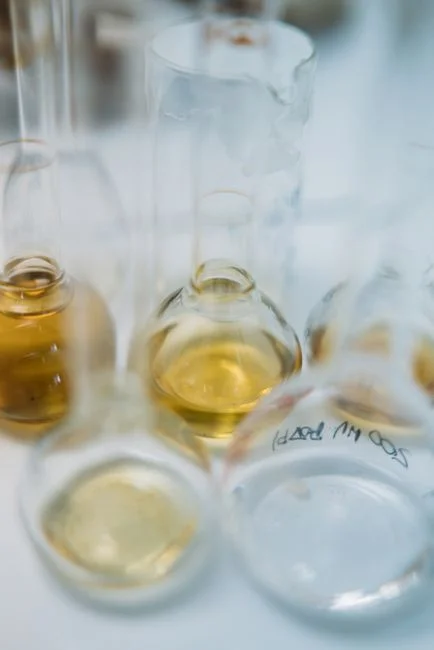
The 2020 anodizing study shows why laboratory membrane performance must be linked to stream chemistry and operating conditions before it becomes a procurement basis.
The commercial NF99HF membrane had a pure-water permeability of 10 L/(m²·h·bar). Color-rinse treatment produced permeate with heavy metals below the detection limit and permeability of 9 L/(m²·h·bar). These results supported separate color-rinse treatment where conductivity reduction and reuse quality were the objectives.
Alkaline-pickling-rinse treatment exhibited no permeability. That result is a warning about chemistry and membrane compatibility, not evidence that all alkaline streams will fail. It makes pH adjustment, constituent identification, and a feed-specific pilot necessary before committing to a membrane train.
Acidic-pickling-rinse treatment produced permeability of 3.1–4.1 L/(m²·h·bar), but ion rejection was only 7%–13%. It would therefore be unsound to treat water flux as proof of desalination. Neutralized mixed wastewater, after precipitate removal, produced high-quality permeate and stable permeability of 1 L/(m²·h·bar), supporting the study’s mixed-stream discharge conclusion.
| Stream | Observed result | Procurement implication |
|---|---|---|
| Color rinse | Heavy metals below detection; permeability 9 L/(m²·h·bar) | Promising evidence for segregated reuse treatment; confirm feed variability and required permeate specification |
| Alkaline pickling rinse | No permeability | Resolve chemistry and membrane compatibility before scale-up |
| Acidic pickling rinse | Permeability 3.1–4.1 L/(m²·h·bar); ion rejection 7%–13% | Water flow alone does not establish desalination performance |
| Anodizing rinse | Permeate conductivity reduced significantly | Relevant to reuse, but final process-water suitability remains to be verified |
| Neutralized mixed wastewater | High-quality permeate after precipitate removal; stable permeability 1 L/(m²·h·bar) | Require solids removal before the membrane stage |
Evidence limit: the source evaluated nanofiltration, not RO. Its results identify stream-specific risks and pilot needs; they do not supply direct RO permeability or rejection values for procurement.
Build a Pretreatment Train That Protects the RO Membranes
Source segregation allows pH adjustment, solids removal, and membrane protection to be designed for each wastewater rather than forcing dissimilar streams into one compromise condition.
In the 2020 Membranes study, pH was adjusted within the NF99HF membrane’s recommended range for every stream except one. Partial heavy-metal precipitation contributed to removal. This makes chemistry control part of the treatment process, not merely an auxiliary utility.
For mixed wastewater, precipitate removal was required before membrane treatment. The associated solids need a defined sludge-handling route, including isolation, dewatering, and disposal or reuse assessment. Neutralization without solids separation merely transfers the burden downstream.
Evaluate multi-media pretreatment for RO membrane protection where suspended solids and colloids must be controlled. Also request a hollow-fiber ultrafiltration system using 0.03 μm PVDF membranes where a finer barrier is required. These specifications identify potential pretreatment functions; final selection should follow feed analysis and pilot evidence.
Use PLC-controlled chemical dosing for pH adjustment and membrane-compatible conditioning. Require the supplier to define the chemical, dose basis, residual limit, injection location, material compatibility, and response to high or low residual concentrations. An automatic chemical dosing system is only useful if those control boundaries are explicit.
| Process step | Required engineering basis | Evidence to request from bidder |
|---|---|---|
| Equalization and sampling | Flow and chemistry variation by source | Measured flow profile, pH, conductivity, suspended solids, metals, and temperature |
| Chemistry control | Membrane-compatible pH and chemical residuals | Control narrative, dose logic, residual limits, and alarm/interlock sequence |
| Precipitation, where used | Removal of precipitated metals | Solid yield, separation method, sludge route, and representative pilot results |
| Multi-media filtration | Suspended-solids and colloid control | Specified filtration objective and downstream protection criteria |
| UF | Finer particulate barrier before RO | Membrane material and pore size, backwash details, and feed compatibility |
Choose between Segregated Treatment and a Mixed-Water RO Train
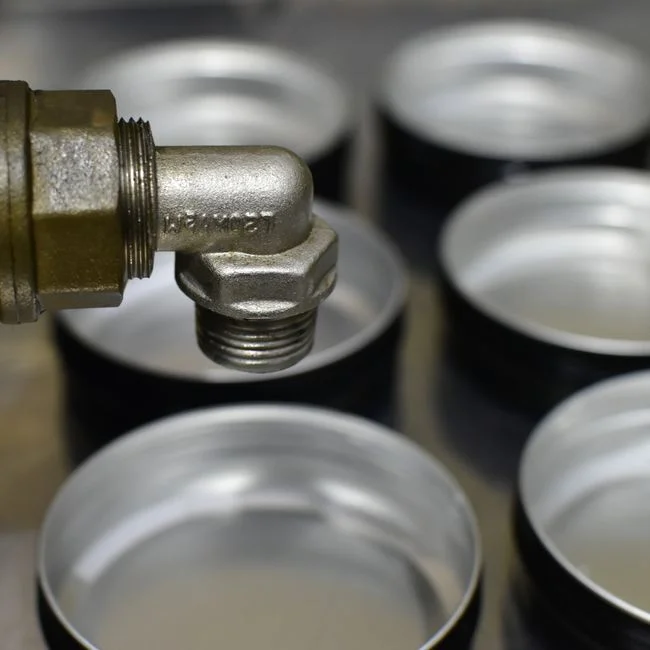
The 2020 Membranes study supports different configurations for different endpoints: mixed wastewater was the best discharge option, while separate color-rinse and anodizing-rinse treatment could be better for reuse because their permeate conductivity was reduced significantly.
Use branch logic. Segregate color rinse when high-quality reuse is the objective and its chemistry remains controllable. Assess alkaline and acidic pickling separately because the case study showed sharply different permeability and rejection. Choose a mixed train when stream segregation, chemical variability, or discharge economics dominate.
The trade-off is operational as well as hydraulic. Separate trains can simplify the chemistry presented to each membrane, but they increase equipment, controls, space, operator interfaces, and maintenance points. A mixed train can reduce duplicated equipment while requiring robust equalization, solids removal, and chemistry control. The research provides no universal cost comparison, so neither arrangement should be declared cheaper without site-specific pricing.
Ask suppliers to price both options using identical measured flows, treatment targets, recovery assumptions, concentrate-disposal costs, utilities, and labor. For solids-producing alternatives, the comparison between DAF and clarifiers for fabricated-metals wastewater should be based on measured feed properties and required effluent quality, not generic equipment preference.
| Decision condition | Preferred path to evaluate | Key reason |
|---|---|---|
| Discharge is the primary objective | Mixed train with neutralization and precipitate removal | This was the 2020 study’s discharge conclusion |
| High-quality color-rinse reuse is required | Segregated color-rinse treatment | Permeate heavy metals were below detection and conductivity was reduced |
| Anodizing-rinse reuse is required | Segregated anodizing-rinse treatment, followed by process validation | Conductivity reduction supported reuse potential |
| Pickling streams are variable or incompatible | Assess independently; pilot before combining | Alkaline and acidic streams showed materially different behavior |
| Separate systems add excessive operating burden | Evaluate a mixed train against the same targets | One train may reduce duplicated equipment but increases pretreatment demands |
Size Recovery, Cleaning, and Concentrate Management Around Real Operating Conditions
RO sizing must include recovery, cleaning, and retentate handling because the 2024 Frontiers review identifies high capital cost and energy consumption alongside effective purification, straightforward scale-up, and applicability to large industrial effluent volumes.
An industrial RO product may be specified for recovery rates up to 95%, but that maximum is not a site guarantee. Require each bidder to state guaranteed recovery for the actual anodizing feed, adjusted chemistry, selected membrane, temperature, and cleaning configuration. The guarantee should state what feed conditions qualify it and how deviations are handled.
The RO concentrate pathway needs its own permit and disposal basis. The concentrate can retain acidity or alkalinity, metals, salts, and pretreatment chemicals, so recovery, further treatment, or disposal must match the site’s waste characteristics and permitted route. Include valves, filter media, and treatment parts in the comparison where they affect isolation, service, and operating reliability.
Compare clean-in-place capability, cleaning chemicals, operator exposure, waste volume, downtime, spare parts, and technical support. The operating philosophy should specify differential pressure, normalized permeate flow, conductivity, and cleaning triggers, together with PLC alarms, interlocks, and fail-safe responses.
| Commercial issue | Information required before comparison |
|---|---|
| Recovery | Guaranteed rate at defined feed chemistry, temperature, membrane condition, and cleaning configuration |
| Concentrate | Predicted composition pathway, permitted destination, treatment needs, and disposal responsibility |
| Cleaning | CIP frequency basis, chemicals, duration, operator exposure, recovery after cleaning, and waste handling |
| Controls | Monitoring parameters, triggers, alarms, interlocks, data logging, and manual fallback |
| Operating burden | Energy, chemicals, membrane replacement, labor, downtime, and technical support |
What to Require in a Vendor Proposal
A comparable proposal must define the feed, performance guarantee, complete treatment scope, and operating burden so that bidders are solving the same problem.
Request a permeate-quality guarantee tied to a defined feed-water analysis, flow, recovery, membrane type, temperature, and operating envelope. State which analytes are covered and which are not; a conductivity claim alone does not establish dissolved-aluminum removal or compliance with a reuse specification.
Require a complete process flow showing sampling, equalization, chemistry control, solids separation, cartridge filtration where specified, RO, optional post-treatment, and concentrate handling. Membrane compatibility information must cover adjusted-feed pH, pressure rating, temperature limits, scaling controls, cleaning procedures, and any chlorine limitation relevant to the selected membrane.
Ask for references from comparable acidic or alkaline, metal-bearing industrial wastewater. The bidder should clearly separate full-scale references from laboratory or nanofiltration evidence; the 2020 anodizing case study is useful pilot evidence, but it does not establish full-scale RO performance.
Delivery assumptions, commissioning boundaries, operator training, spare-parts strategy, controls integration, ongoing technical support, warranty conditions, and excluded costs belong in the proposal. Compare the full treatment train and total operating burden, not membrane price alone.
| Proposal area | Minimum information for a fair comparison |
|---|---|
| Feed basis | Stream-specific analyses, flow profile, temperature, variability, and sampling method |
| Performance | Guaranteed permeate analytes, recovery, operating envelope, and exclusions |
| Process scope | Every pretreatment, RO, polishing, sludge, and concentrate step |
| Membranes and controls | Material, compatibility, pressure and temperature limits, instrumentation, alarms, and interlocks |
| Operations | CIP procedure, chemicals, operator training, maintenance, spares, and support |
| Commercial | Delivery scope, commissioning, warranty, exclusions, utilities, disposal, and lifecycle costs |
Frequently Asked Questions
Can an RO system treat all anodizing wastewater streams together?
Sometimes, but the objective governs the decision. The 2020 Membranes study found mixed wastewater to be the best option for discharge, while separate color-rinse and anodizing-rinse treatment could be preferable for reuse because permeate conductivity was reduced significantly. A mixed proposal should therefore include equalization, chemistry control, precipitate removal, and a defined solids route rather than assume that one RO stage can handle every constituent.
How should an RO system for anodizing wastewater be priced and budgeted?
Require each bidder to price the complete treatment train using the same measured flows, feed analyses, permeate targets, recovery assumptions, utilities, chemical demand, cleaning provisions, and concentrate-disposal route. Request a capital-price breakdown plus the assumptions used for operating cost. No supported site quotation is available in the research, so a buyer should request the project-specific quotation rather than apply a generic equipment price.
What is the lowest-risk way to compare RO suppliers?
Use a common proposal template that requires feed analysis, a guaranteed operating envelope, identified analytes, membrane compatibility, full process scope, controls, CIP procedure, references, delivery assumptions, commissioning, training, spares, and support. Reject any comparison based only on permeate conductivity or membrane area. Also require the bidder to distinguish full-scale evidence from laboratory or nanofiltration results.
When is RO more appropriate than UF or DAF alone?
DAF and UF primarily address physical contaminants, while RO targets dissolved salts and ions. RO becomes relevant when the reuse or discharge objective requires dissolved-metal or conductivity control. However, the 2020 Membranes study’s acidic-pickling-rinse ion rejection of only 7%–13% shows why membrane selection must match the stream and objective; acceptable water flux does not prove useful desalination.
Can RO effluent be reused in an anodizing line?
Potentially. The 2020 Membranes study found significant conductivity reduction in color-rinse and anodizing-rinse permeates, supporting separate treatment when reuse is the objective. Before returning water to any bath, however, confirm the required purity against that bath’s process specification, including relevant dissolved metals, salts, residual chemicals, and production-quality effects.