What Changes When Meta Acquires an India Plant?
There is no single wastewater approval or consent-transfer rule that applies whenever Meta acquires a plant in India. The buyer must localize the review by plant location, industrial process, final discharge route and applicable state authority. A plant discharging its own effluent may need authorization for the outlet, sludge disposal and reuse, while a plant sending effluent to a common treatment facility may instead face sewer-pretreatment limits. Before making wastewater capital a binding purchase-price assumption, Meta should obtain the complete consent and enforcement file, test actual influent and effluent, audit the ETP against its design basis, and allocate legacy non-compliance and retrofit risk in the acquisition agreement.
India has no single national acquisition rule covering every state, discharge route and product process. That is the central finding of HydropureWater’s 2026 plant-acquisition review, which also says the precise instrument and approving body depend on the site’s actual discharge route and that the supplied research establishes no universal India consent-transfer procedure.
Acquisition-related diligence is therefore a gate, not a substitute for continuing compliance. The buyer must determine whether the transaction changes ownership, operating responsibility, production plans or the consent position, while separately assessing the plant’s continuing obligations for wastewater collection, treatment, disposal and reuse.
On-site treatment does not remove the need to examine authorization for the final outlet, sludge disposal and reuse. Conversely, a plant conveying effluent to a common facility may face sewer-pretreatment limits rather than direct-discharge conditions. Meta should apply a Transaction Route Test covering location, process, effluent route, receiving system, reuse destination and sludge route. This approach extends the site-specific logic used in wastewater due diligence for a Vietnam plant acquisition, but the consent path must be confirmed under India’s applicable state framework.
Classify the Plant's Wastewater Route Before Reviewing Permits
Consent review should begin with the physical wastewater route, not with the name of the plant’s existing ETP. Four route classifications determine which documents, conditions and technical checks Meta should request.
| Wastewater route | Primary approval question | Technical evidence required |
|---|---|---|
| Discharge to a receiving environment | Identify the outlet consent, permitted discharge point, applicable conditions, monitoring duties, sludge-disposal route and reuse conditions. | Measured influent and effluent, hydraulic and contaminant loads, outlet monitoring history, sludge records and enforcement correspondence. |
| Conveyance to a common treatment facility | Identify the sewer-pretreatment conditions and agreement with the receiving authority. | Pre-treatment performance, receiving-system correspondence, sewer charges, historical limit changes and third-party claims. |
| Zero-discharge or reuse within the plant | Identify the authorization governing reuse, residual streams and disposal of concentrates or sludge. | Reuse quality, destination and quantity, concentrate route, membrane or filtration performance and operating records. |
| Mixed routing | Establish which streams are regulated together or separately and where each stream finally goes. | A stream-by-stream mass and water balance linked to production, collection, treatment, discharge and disposal points. |
The site map should include process wastewater, domestic sewage, employee wastewater, cooling and washing streams, storm water, laboratory wastewater, process sludge and any potentially hazardous stream. Meta should not assume that one consent covers all of them. It should request the instrument that the seller states applies to each outlet, collection system, disposal activity and reuse destination.
HydropureWater’s 2026 review states that an environmental site assessment addresses soil and groundwater conditions but does not test effluent, establish permit compliance or prove that the biological treatment train can meet applicable discharge conditions. The same source identifies the need for a legal consent review, enforcement-history review, measured influent and effluent campaign and unit-operation audit.
Domestic sewage and industrial streams may also need separate treatment considerations. The domestic sewage treatment engineering guide for Mumbai is useful for framing that stream, but Meta must verify the plant’s actual jurisdiction rather than infer that Mumbai conditions apply elsewhere. No consent transfer should be inferred from the acquisition agreement; local counsel must confirm the consent, ownership, outlet and state-specific implications.
Pre-Signing Due Diligence: 12 Documents and Data Sets to Request
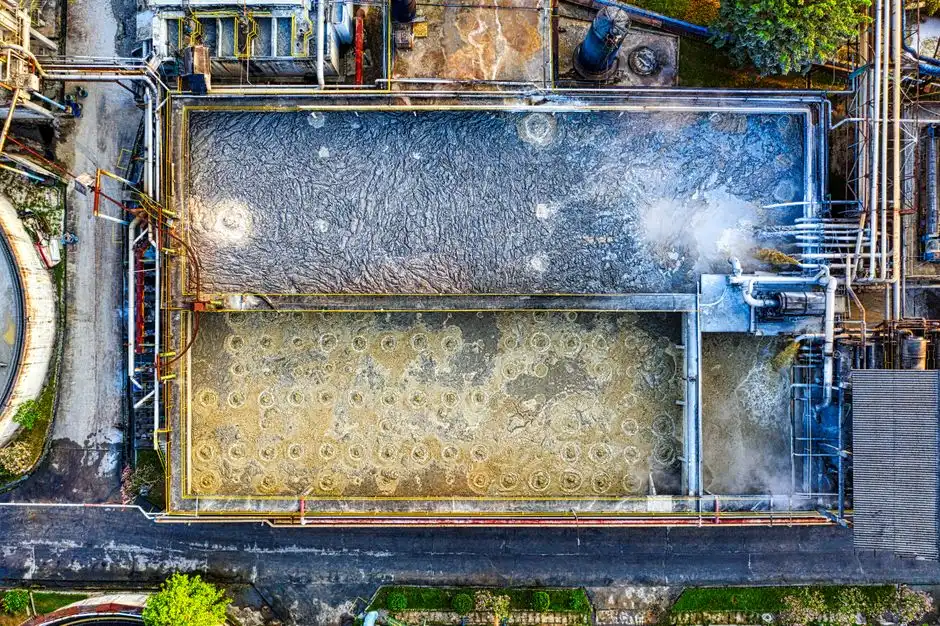
The complete consent and enforcement file should be received before wastewater capex becomes a binding purchase-price assumption, according to HydropureWater’s 2026 acquisition review. The request should separate legal evidence from operating evidence so the seller cannot close the gap with a general compliance certificate.
| Request | Minimum content to obtain | Decision use |
|---|---|---|
| 1. Consent register | Every current consent, renewal application, amendment, fee receipt and expiry date identified by the seller. | Establishes the approval inventory and identifies missing or pending instruments. |
| 2. CTE and CTO documentation | Consent documents and supporting conditions for construction and operation, where applicable. | Defines permitted activities, outlets, compliance obligations and approval boundaries. |
| 3. Enforcement file | Inspection reports, non-compliance notices, show-cause notices, litigation, remediation records and correspondence. | Identifies legacy exposure and recurring operating weaknesses. |
| 4. Compliance reports | Monitored values, departures, corrective actions and reporting history for the applicable cycle. | Tests whether performance is consistent with stated conditions. |
| 5. Representative operating data | At least one complete operating cycle of flow, influent, intermediate-stage and effluent data, tied to production volumes and shifts. | Supports load balancing and identifies seasonal or batch effects. |
| 6. ETP design basis | Process flow diagram, hydraulic and organic load calculations, equipment list and commissioning report. | Establishes the original treatment objective and capacity assumptions. |
| 7. Asset and maintenance records | Asset register, maintenance history, breakdowns, spare-parts record and operating logbooks. | Tests condition, reliability and deferred-maintenance risk. |
| 8. Chemical and utility records | Chemical inventory, consumption, aeration energy, power quality and utility interruptions. | Establishes operating drivers and retrofit constraints. |
| 9. Sludge records | Quantities, characteristics, handling contracts, disposal receipts and transport records. | Identifies treatment and off-site disposal liabilities. |
| 10. Reuse records | Reuse destinations, quality results, volumes, agreements and residual-stream handling. | Verifies whether claimed reuse is operational and authorized. |
| 11. Sewer correspondence | Receiving-authority conditions, correspondence, limit history, charges and third-party claims. | Clarifies pretreatment obligations and counterparty exposure. |
| 12. Forward-load model | Current production mix and Meta’s proposed product, volume and reuse changes. | Tests whether the existing ETP remains appropriate after the transaction. |
The buyer should ask the seller to explain any mismatch between design conditions and actual operations, including bypasses, seasonal production, cleaning cycles and treatment units operating outside their intended envelope. This review also supports the transaction-specific approach described in wastewater diligence for an industrial plant acquisition, while the legal conclusions must remain India- and site-specific.
Prove Whether the Existing ETP Can Meet Its Actual Conditions
Nominal ETP capacity is not evidence that the plant can meet its consent or receiving-system conditions. HydropureWater’s 2026 review says to judge the ETP against the site’s actual consent conditions, measured influent and receiving-system requirements—not a generic treatment technology or U.S. reference.
Meta should commission a qualified laboratory under applicable Indian and customer requirements to characterize influent and effluent across a representative production cycle. The sampling plan should include slug loads, equalization requirements, seasonal production variation and cleaning-cycle discharges. It should link each result to operating shifts, production volumes and the relevant consent or sewer condition.
The engineering audit should then examine aeration energy, basin condition, sludge wasting and effluent variability, which HydropureWater identifies as diagnostic factors. Each unit operation should be assessed against observed loading, treatment condition, hydraulic retention, effluent variability and downstream sludge handling.
| Verification item | Evidence required | Decision output |
|---|---|---|
| Hydraulic capacity | Measured flow, equalization behavior, production peaks, cleaning discharges and bypass records. | Capacity margin and equalization requirement. |
| Organic and contaminant loading | Influent characterization across representative operating conditions. | Treatment objective and unit-operation suitability. |
| Biological performance | Process trends, aeration records, basin condition, sludge wasting and effluent variability. | Condition, reliability and intervention scope. |
| Effluent compliance | Representative laboratory results compared with the plant’s actual consent or receiving-system requirements. | Verified gap or demonstrated conformity. |
| Sludge route | Sludge generation, characteristics, dewatering, storage, transport and disposal records. | Residual environmental and operating liability. |
| Site integration | Footprint, reuse objective, local installation constraints and available civil works. | Retrofit envelope and schedule. |
The comparison must also cover footprint, reuse objective and local installation constraints. HydropureWater’s manufacturer information states that its integrated MBR produces near-reuse-quality effluent below 1 μm and occupies 60% less space than conventional systems. Those are HydropureWater product specifications—not guaranteed India outcomes, consent requirements or measured acquisition-site performance. The MBR wastewater treatment system should therefore be assessed against site conditions, while any industrial DAF pretreatment system proposal should be tested against measured loads and required removal performance.
Choose a Retrofit That Fits the India Site
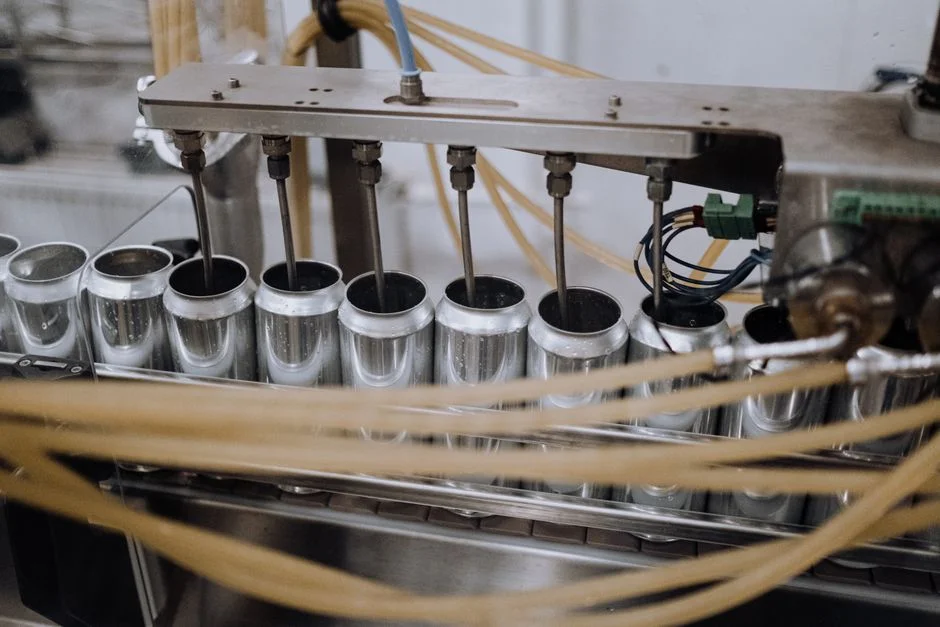
Equipment selection should follow the measured design basis, not precede it. HydropureWater’s 2026 review requires each option to be compared against measured influent, required effluent quality, footprint, sludge route, reuse objective and local installation constraints.
| Retrofit category | Use when the measured design basis supports it | Supplier evidence to request |
|---|---|---|
| DAF pretreatment | Oil, grease, suspended solids or colloidal matter require defined removal before biological treatment. | Verified flow and contaminant loads, removal duty, installed footprint, local utilities, sludge handling and performance test protocol. |
| MBR treatment or reuse | Compact biological treatment, clarified effluent or reuse is required under the actual discharge or reuse conditions. | Influent envelope, effluent basis, membrane configuration, cleaning regime, sludge route, redundancy and local service capability. |
| Plate-and-frame filtration | Sludge dewatering is part of the identified risk and the selected sludge route supports the duty. | Sludge characteristics, feed rate, cake target, operating mode, filter-area basis and disposal arrangements. |
| Chemical dosing | Measured treatment chemistry requires controlled dosing and the existing system cannot deliver it reliably. | Chemical demand, storage, metering, bunding, worker exposure, changeover strategy and local service support. |
For oil, grease, suspended solids and colloidal matter, Meta should evaluate DAF against measured loads and required removal performance. HydropureWater’s DAF catalogue lists capacities from 4–300 m³/h across 13 standard models. For compact biological treatment or reuse, its MBR specification lists capacities from 10–2,000 m³/day. If sludge dewatering is required, its plate-and-frame filtration range is 1–500 m² with manual, hydraulic or automatic operation. These catalogue ranges can frame supplier questions but do not establish the required duty.
None of the supplied research establishes mandatory zero liquid discharge for every India plant acquired by Meta. MarketResearchReports’ 2026 article describes zero liquid discharge and mandatory recycling as policy and market drivers, not as a universal acquisition requirement. The same article places the global industrial wastewater ZLD market at approximately USD 9.4 billion in 2024 and India’s commercial building wastewater recycling and greywater market at approximately USD 0.68 billion in 2024. Neither is a plant valuation or retrofit estimate.
Supplier comparisons should therefore cover measured duty, guaranteed performance, local installation, utilities, sludge route, reuse objective, commissioning, operator training and service coverage. A comparison of industrial ETP and DAF treatment selection can support the technical evaluation, but the commercial and regulatory decision remains India-specific.
Build an India-Specific Budget Without Inflating the Risk
A generic India retrofit estimate is not defensible until the plant’s flow, loads, treatment condition and local prices are known. HydropureWater’s 2026 review says not to carry U.S. cost inputs into an India budget without local pricing and site-specific quantities.
The cost model should cover electricity for aeration, chemicals, sludge transport and disposal, labor, maintenance, reuse infrastructure and civil works. It should also include commissioning, training, temporary treatment, redundancy, monitoring, laboratory testing, permits and reporting. These inputs determine total ownership cost rather than equipment price alone.
| Budget layer | Required local input | Buyer decision |
|---|---|---|
| Mandatory compliance capex | Measured hydraulic and contaminant loads, applicable consent or sewer conditions, verified ETP gap and local installed cost. | Whether the scope is necessary to close or preserve compliance. |
| Operating cost | Electricity tariff, chemical prices and consumption, sludge transport and disposal, labor, maintenance and laboratory testing. | Affordability and operating sensitivity. |
| Delivery and commissioning | Civil scope, logistics, installation, temporary treatment, training, monitoring and acceptance testing. | Total installed cost and schedule certainty. |
| Discretionary investment | Reuse expansion, resilience, redundancy and production-growth requirements. | Whether to approve separately from legal necessity. |
HydropureWater cites meat-processing OPEX of USD 0.55–3.10/m³, but expressly states that this is not an India estimate. It can serve only as a reference point requiring local validation. Meta should run low, expected and high-load scenarios and keep mandatory compliance capex separate from discretionary reuse or resilience investments.
The DAF-versus-clarifier framework in the DAF and clarifier comparison for fabricated-metals wastewater can inform that process comparison, but it does not establish India prices. Any budget should use current local quotations supported by the measured design basis.
Allocate Environmental Risk Before Closing
Legacy wastewater exposure should be allocated before closing rather than left inside the acquired business. HydropureWater’s 2026 review identifies a specific indemnity, disclosure schedule, survival period and environmental indemnity escrow tied to identified exposure as transaction precedents—not requirements imposed by Indian law.
Measured sampling results, correspondence and enforcement records should define known exposure. Uncertain contamination or future upgrades should be addressed through clearly scoped price adjustments, escrow or completion mechanisms. The agreement should state which party bears pre-closing exceedances, monitoring gaps, sludge liabilities, off-site contamination, third-party sewer claims and delays in permit renewal.
| Risk | Evidence | Protection before closing |
|---|---|---|
| Past effluent exceedances | Monitoring results, notices, show-cause records and correspondence. | Specific seller indemnity and survival period tied to identified exposure. |
| Missing monitoring or reporting | Gaps in the compliance record and regulator correspondence. | Defined responsibility for investigations, reporting and remediation. |
| Sludge and disposal liability | Sludge records, transport documents, disposal receipts and contractor claims. | Express allocation for historic and post-closing sludge. |
| Off-site contamination | Site assessment, incident and spill records, groundwater information and remediation history. | Separate disclosure and indemnity for identified conditions. |
| Third-party sewer claims | Receiving-authority correspondence, limit history and claim records. | Allocation of pre-closing claims and continuing compliance costs. |
| Consent delay or transfer uncertainty | Consent register, renewal status and local counsel’s advice. | Closing deliverable, price treatment or escrow where appropriate. |
| Uncertain future retrofit | ETP audit, measured campaign and verified design gap. | Separate price or escrow treatment rather than a general representation. |
Material consent steps, the transfer strategy and corrective-action milestones should become explicit closing deliverables where local counsel confirms they are relevant. This approach treats environmental risk as a priced transaction workstream, not a post-closing compliance exercise. The comparison with wastewater requirements for a plant acquisition in Texas is useful only for transaction structure; Indian counsel must determine the legal mechanism.
From Consent Review to Commissioning: A Six-Stage Workflow
A shared workflow lets M&A, EHS, operations, engineering and procurement move from document collection to verified performance without mixing legal assumptions with treatment design.
- Map the routes: identify every wastewater stream, destination, ownership boundary and regulator. Confirm whether production, domestic, storm water, laboratory and sludge routes are separate.
- Collect and verify the file: reconcile the consent register, monitoring records, enforcement history, renewals and amendments with the site map and the state pollution control board’s applicable requirements.
- Measure and audit: conduct a qualified-laboratory influent and effluent campaign across representative operating conditions, followed by a unit-operation audit of the industrial effluent treatment plant.
- Identify the gap: compare measured performance with the plant’s actual consent conditions, sewer-pretreatment requirements, reuse specifications and sludge obligations. Do not benchmark against a generic technology.
- Design and price: develop local operating inputs, compare retrofit categories, obtain installed quotations and separate mandatory compliance scope from discretionary investment.
- Complete and verify: complete applicable consent, ownership and corrective-action steps; commission the selected train; test against agreed acceptance criteria; and hand over the verified operating and compliance package.
Stage six should include operator training, laboratory arrangements, monitoring protocols, spare-parts planning, preventive maintenance, sludge contracts and handover of unresolved liabilities. Where a plant conveys wastewater to a common facility, the industrial wastewater sewer-pretreatment limits guide illustrates why receiving-system conditions must be carried through design and acceptance rather than treated as background correspondence.
Frequently Asked Questions
Does Meta need a new wastewater consent merely because it acquires an Indian plant?
No universal transfer or new-consent rule is established in the supplied research. Meta should obtain local legal confirmation based on the plant’s specific consent, ownership structure, discharge route, outlet and state requirements. The acquisition agreement cannot substitute for that confirmation.
What should Meta budget for an acquired plant’s wastewater retrofit?
No defensible generic India budget can be given from the supplied research. Meta should cost the measured flow and loads, treatment condition, local civil works, electricity, chemicals, sludge disposal, labor, maintenance, monitoring, commissioning and temporary treatment. The USD 0.55–3.10/m³ meat-processing OPEX cited by HydropureWater is expressly not an India estimate and should not be used as one.
How should Meta select an ETP supplier in India?
Meta should compare suppliers against measured influent, required effluent, footprint, sludge route, reuse objective, local installation constraints, India-specific operating costs, service capability and demonstrated performance. Catalogue capacity is not a substitute for a verified duty calculation or an acceptance-test protocol. The supplier should also demonstrate local commissioning and operator support.
What is the biggest compliance risk after closing?
The largest risk is operating against assumptions that differ from the plant’s actual consent conditions, receiving-system requirements or measured wastewater loads. Meta should assign identified legacy exposure before closing, obtain local confirmation on consent steps and verify the existing ETP and any retrofit through representative sampling before handover.