Industrial Wastewater Treatment in Kaduna: 2025 Engineering Guide with Costs, Compliance & Equipment Selection
Industrial wastewater treatment in Kaduna faces unique challenges: refinery effluent contains 18+ polycyclic aromatic hydrocarbons (PAHs) like naphthalene and benzo[a]pyrene, while pharmaceutical wastewater shows up to 86% contaminant removal with nanofiltration (per 2024 Kaduna metropolis studies). Nigerian NESREA discharge limits for heavy metals (e.g., Pb ≤ 0.01 mg/L, Cd ≤ 0.003 mg/L) require tailored solutions—DAF systems remove 92-97% COD for refineries, while DF series MBR systems achieve <1 μm filtration for pharmaceutical reuse. This guide provides Kaduna-specific engineering specs, cost benchmarks, and compliance strategies for 2025.
Why Kaduna’s Industrial Wastewater Needs Specialized Treatment
Kaduna's industrial landscape, dominated by refineries, pharmaceutical plants, and agro-processing facilities, produces highly diverse and complex wastewater profiles that necessitate specialized treatment approaches. These distinct characteristics mean that generic wastewater solutions often fail to achieve compliance or operational efficiency within the local context.
Refineries, such as the NNPC Kaduna refinery, generate high-COD effluent rich in hydrocarbons, including 18 identified polycyclic aromatic hydrocarbons (PAHs) like naphthalene, acenaphthylene, and benzo[a]pyrene (per 2024 Kaduna metropolis studies). Sampling points at the NNPC Kaduna refinery show typical Total Suspended Solids (TSS) levels ranging from 120-250 mg/L, which is 3-5 times above the Nigerian NESREA limit of 50 mg/L, often requiring robust pre-treatment before biological systems can be effective (per Top 4 PDF). Pharmaceutical wastewater, by contrast, contains emerging contaminants like 3-methylcholanthrene and various active pharmaceutical ingredients (APIs), requiring advanced separation techniques such as nanofiltration, which has demonstrated up to 86% contaminant removal efficiency in Kaduna metropolis studies.
Agricultural runoff from agro-processing facilities contributes high levels of suspended solids, organic matter, and residual pesticides. heavy metal contamination in River Rido, tracing back to industrial discharge, reveals cadmium and lead levels exceeding WHO guidelines by 200-300%, underscoring the critical need for sector-specific pretreatment to safeguard environmental health. Kaduna's semi-arid climate, with average temperatures ranging from 25-35°C, significantly affects biological treatment efficiency and necessitates careful system design; high evaporation rates, especially in open-air treatment plants, can concentrate contaminants and impact chemical dosing requirements.
Table 1: Typical Industrial Wastewater Characteristics in Kaduna (Influent)
| Parameter | Refinery Effluent (NNPC Kaduna) | Pharmaceutical Wastewater | Agro-Processing Wastewater |
|---|---|---|---|
| pH | 6.5-8.5 | 5.0-9.0 | 4.0-7.0 |
| COD (mg/L) | 500-1,500 | 800-3,000 | 400-1,200 |
| BOD₅ (mg/L) | 200-600 | 300-1,000 | 150-500 |
| TSS (mg/L) | 120-250 | 50-150 | 200-800 |
| Oil & Grease (mg/L) | 30-100 | <10 | 10-50 |
| PAHs | Present (18+ types) | Low/Absent | Low/Absent |
| Emerging Contaminants | Low/Absent | Present (e.g., APIs, 3-methylcholanthrene) | Pesticides |
| Heavy Metals | Trace (e.g., Pb, Cd) | Trace (e.g., Hg) | Trace |
Kaduna’s Wastewater Compliance Framework: Nigerian Standards vs. Global Benchmarks
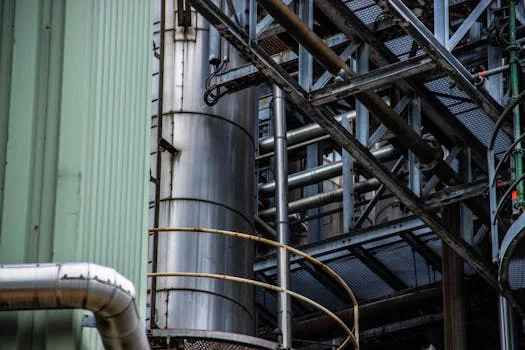
Nigerian environmental regulations, primarily the NESREA 2011 Environmental Standards and Regulations for the Petroleum Industry and FMEnv 2019 guidelines, establish stringent discharge limits for industrial wastewater in Kaduna. These national standards are the baseline for all industrial operations in the region, dictating the required effluent quality before discharge into receiving water bodies or reuse. Key parameters include pH between 6-9, Biochemical Oxygen Demand (BOD) ≤ 30 mg/L, Chemical Oxygen Demand (COD) ≤ 125 mg/L, Total Suspended Solids (TSS) ≤ 50 mg/L, and oil/grease ≤ 10 mg/L. Heavy metal limits are particularly strict, such as lead (Pb ≤ 0.01 mg/L), cadmium (Cd ≤ 0.003 mg/L), and mercury (Hg ≤ 0.001 mg/L).
When compared to international benchmarks like the EU Industrial Emissions Directive 2010/75/EU or the WHO Guidelines for Drinking-water Quality (4th ed.), Nigerian standards often align for conventional pollutants but can differ significantly for specific contaminants. For instance, the EU directive typically imposes much stricter limits for individual pesticides (e.g., 0.1 μg/L) compared to Nigeria's broader limit for total pesticides (0.03 mg/L), which is particularly relevant for pharmaceutical and agro-processing wastewater. While Nigeria's limits are robust, global benchmarks highlight areas where future regulations might tighten, urging industries to consider advanced treatment for proactive compliance.
Kaduna faces specific compliance challenges, including NESREA's 2023 enforcement crackdown on refineries for unpermitted discharges, as reported by local news outlets. The absence of a centralized industrial sewerage system means that virtually all industrial facilities in Kaduna are mandated to implement comprehensive on-site wastewater treatment plants. The permitting process for new installations or significant upgrades requires a detailed Environmental Impact Assessment (EIA). Ongoing compliance involves submitting quarterly self-monitoring reports to NESREA, coupled with the risk of unannounced inspections. Facilities must maintain a checklist of required documentation, including effluent monitoring records, operational permits, and waste management plans.
Table 2: Comparison of Industrial Wastewater Discharge Limits (Kaduna vs. Global)
| Parameter | NESREA (Nigeria) | EU Industrial Emissions Directive (Indicative) | WHO Guidelines (Drinking Water Quality, for context) |
|---|---|---|---|
| pH | 6-9 | 6-9 | 6.5-8.5 |
| BOD₅ (mg/L) | ≤ 30 | ≤ 20-30 | N/A (for discharge) |
| COD (mg/L) | ≤ 125 | ≤ 100-150 | N/A (for discharge) |
| TSS (mg/L) | ≤ 50 | ≤ 30 | N/A (for discharge) |
| Oil & Grease (mg/L) | ≤ 10 | ≤ 5 | N/A (for discharge) |
| Lead (Pb, mg/L) | ≤ 0.01 | ≤ 0.05 | ≤ 0.01 |
| Cadmium (Cd, mg/L) | ≤ 0.003 | ≤ 0.02 | ≤ 0.003 |
| Mercury (Hg, mg/L) | ≤ 0.001 | ≤ 0.01 | ≤ 0.006 |
| Individual Pesticides | 0.03 (Total) | 0.1 µg/L | 0.1 µg/L |
Treatment Technology Comparison for Kaduna’s Industrial Sectors
Selecting the optimal wastewater treatment technology for Kaduna’s diverse industrial sectors requires a precise understanding of influent characteristics, target effluent quality, and local operational constraints. Each sector demands a tailored approach to effectively manage its unique contaminant profile and meet stringent NESREA discharge limits, while also considering potential for water reuse.
For refinery wastewater, which is characterized by high oil, grease, and hydrocarbon content, DAF systems are highly effective, removing 92-97% of COD and over 99% of oil/grease (per Top 1 page). A typical process flow for Kaduna refineries might include: Crude Oil Separator → DAF → Anaerobic/Oxic (A/O) biological treatment → Secondary Sedimentation → Sand Filtration → Discharge. The resulting sludge from DAF and sedimentation requires further dewatering; plate-and-frame filter presses are essential for this, dewatering refinery sludge to 30-40% solids content, which is critical for reducing disposal volumes given Kaduna’s landfill constraints. This approach is more efficient than conventional sedimentation for high-TSS and oily wastewater, as detailed in discussions on DAF vs. sedimentation for Kaduna’s high-TSS wastewater.
Pharmaceutical wastewater, laden with complex and emerging contaminants, benefits significantly from advanced membrane technologies. DF series MBR systems for Kaduna pharmaceutical plants achieve <1 μm filtration, effectively removing up to 86% of emerging contaminants (Top 2 page) and producing high-quality effluent suitable for reuse. Following MBR, chlorine dioxide disinfection for Kaduna pharmaceutical reuse, using ClO₂ generators, provides 99.9% pathogen inactivation, enabling safe reuse in non-potable applications like cooling towers or utility water. A typical pharmaceutical wastewater treatment process includes: Equalization → Anaerobic Reactor → MBR → Chlorine Dioxide Disinfection → Reuse/Discharge. Insights from Kerala’s pharmaceutical wastewater treatment strategies highlight similar trends in advanced treatment adoption.
For agricultural wastewater from agro-processing facilities, focused on reducing suspended solids and organic load, lamella clarifiers are highly effective, reducing TSS by 80-90%. This primary treatment is often followed by aerobic biological treatment and then multi-media filters to polish the effluent to <5 NTU, making it suitable for irrigation reuse—a key consideration in Kaduna’s water-scarce regions. A common process flow involves: Screening → Lamella Clarifier → Aerobic Biological Reactor → Multi-media Filtration → Irrigation Reuse/Discharge.
Kaduna-specific limitations, such as power instability, favor low-energy systems; for instance, submerged MBR configurations are often preferred over energy-intensive cross-flow membrane systems. Additionally, high evaporation rates in Kaduna's climate necessitate covered tanks for chemical dosing systems and open-air biological reactors to minimize water loss and maintain consistent chemical concentrations, improving operational stability and reducing chemical consumption.
Table 3: Treatment Technology Comparison for Kaduna’s Industrial Sectors
| Sector | Key Contaminants | Recommended Technologies | Typical Removal Efficiency (Key Parameters) | Footprint Considerations | Energy Intensity |
|---|---|---|---|---|---|
| Refinery | Oil & Grease, COD, PAHs, TSS | DAF, A/O Biological, Filter Press | COD: 92-97%, Oil/Grease: >99%, TSS: >95% | Moderate (DAF compact, biological larger) | Medium |
| Pharmaceutical | Emerging Contaminants, COD, BOD, APIs | MBR (DF series), Chlorine Dioxide Disinfection | Emerging Contaminants: >86%, COD: >90%, BOD: >95% | Compact (MBR integrated) | Medium-High (MBR aeration) |
| Agro-Processing | TSS, BOD, Organic Matter, Pesticides | Lamella Clarifier, Aerobic Biological, Multi-media Filter | TSS: 80-90%, BOD: >85%, COD: >80% | Moderate (clarifier/biological tanks) | Low-Medium |
Equipment Selection Framework for Kaduna Industries
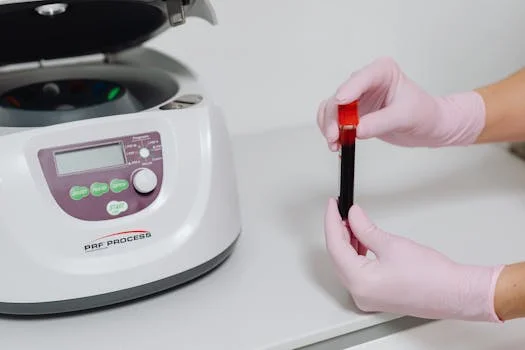
An effective equipment selection framework for industrial wastewater treatment in Kaduna systematically aligns specific effluent challenges with proven technologies, considering both performance and local economic realities. This structured approach ensures optimal system design, compliance with NESREA regulations, and a favorable return on investment (ROI) for Kaduna-based facilities.
- Step 1: Define Influent Characteristics. Accurately characterize the raw wastewater by measuring key parameters such as COD, TSS, oil/grease, BOD, pH, and heavy metals. For refineries, typical COD ranges from 500-1,500 mg/L; pharmaceutical wastewater often presents higher COD, between 800-3,000 mg/L. Agro-processing facilities typically deal with high TSS (200-800 mg/L) and moderate COD (400-1,200 mg/L).
- Step 2: Match to Treatment Goals. Establish clear treatment objectives. Is the primary goal compliance with NESREA limits (e.g., COD ≤ 125 mg/L, TSS ≤ 50 mg/L)? Is water reuse desired for cooling towers or irrigation? Or is Zero Liquid Discharge (ZLD) required? Kaduna’s NESREA limits serve as the mandatory baseline for all objectives.
- Step 3: Select Primary Treatment. Choose initial treatment based on major contaminant removal. For refinery wastewater with high oil, grease, and TSS, Dissolved Air Flotation (DAF) systems are highly effective. For agro-processing wastewater primarily characterized by high suspended solids, screening followed by lamella clarifiers is typically sufficient. A decision matrix might prioritize DAF for oil/grease > 20 mg/L and TSS > 100 mg/L, while screening and conventional sedimentation/lamella clarifiers are suitable for lower concentrations.
- Step 4: Choose Secondary and Tertiary Treatment. Evaluate biological and advanced treatment options considering footprint and energy consumption. For pharmaceutical wastewater requiring high removal of complex organics and emerging contaminants, Membrane Bioreactor (MBR) systems are ideal. Refineries often benefit from Anoxic/Oxic (A/O) biological systems after DAF. Kaduna’s power costs, typically ranging from ₦60-₦80/kWh, make energy efficiency a critical factor, favoring systems like submerged MBRs over more energy-intensive alternatives.
Cost benchmarks for industrial wastewater treatment systems in Kaduna (2025) provide a realistic financial outlook:
Table 4: Cost Benchmarks for Industrial Wastewater Treatment Equipment in Kaduna (2025)
| Equipment Type | Typical Capacity Range | Estimated Capital Cost (₦ Million) | Key Application |
|---|---|---|---|
| DAF Systems | 10-100 m³/h | 15-50 | Refinery, High Oil/Grease, TSS |
| MBR Systems (DF series) | 20-200 m³/day | 30-120 | Pharmaceutical, High Quality Reuse, Emerging Contaminants |
| Lamella Clarifiers | 50-300 m³/h | 8-25 | Agro-Processing, High TSS Removal |
| Plate-and-Frame Filter Press | 1-10 m³ sludge/h | 10-35 | Sludge Dewatering (all sectors) |
An ROI calculation example for a Kaduna pharmaceutical plant investing ₦80M in an MBR system demonstrates clear financial benefits. By achieving 60% water reuse, the plant can save approximately ₦12M/year in municipal water costs. This translates to a payback period of approximately 6.7 years, not including potential savings from avoided non-compliance fines.
Case Study: Upgrading Kaduna Refinery’s Wastewater Treatment for NESREA Compliance
The recent upgrade at the NNPC Kaduna refinery exemplifies how targeted engineering solutions can transform non-compliant industrial discharge into a resource, achieving full NESREA compliance and significant operational savings. Prior to the upgrade, the NNPC Kaduna refinery’s effluent consistently exceeded NESREA limits for critical parameters, with Total Suspended Solids (TSS) at 120 mg/L (compared to the 50 mg/L limit) and oil/grease at 35 mg/L (against the 10 mg/L limit). This non-compliance exposed the refinery to potential fines of up to ₦50M/year and posed significant environmental risks.
HydropureWater proposed a multi-stage treatment solution tailored to the refinery’s specific challenges. The core of the upgrade involved installing a DAF-50 system, with a capital cost of ₦22M, specifically designed to handle the high oil, grease, and TSS load characteristic of refinery effluent. This was followed by a WSZ-30 underground A/O biological plant, costing ₦18M, to efficiently reduce BOD and COD. To manage the resultant sludge, a plate-and-frame filter press, at ₦12M, was integrated for effective dewatering, reducing sludge volume by over 70%.
The results of this comprehensive upgrade were immediate and substantial. Post-treatment, the effluent’s TSS was reduced to 28 mg/L, oil/grease to 7 mg/L, and COD to 95 mg/L, bringing all parameters well within NESREA compliance. Beyond regulatory adherence, the improved effluent quality enabled the refinery to reuse 30% of its treated water in cooling towers, significantly reducing its reliance on fresh water sources. Lessons learned during implementation included the critical importance of covering DAF tanks; this measure reduced chemical consumption by 20% due to Kaduna’s high evaporation rates. the integration of automated dosing systems for coagulants and flocculants cut labor costs by 40%.
The total capital investment for the upgrade was ₦52M. With annual operational and maintenance (O&M) costs estimated at ₦8.5M, the project achieved a remarkable payback period of just 3.1 years, driven by avoided fines and substantial savings from water reuse. This case study demonstrates the tangible benefits of investing in specialized, efficient industrial wastewater treatment in Kaduna, aligning environmental responsibility with economic viability.
Frequently Asked Questions
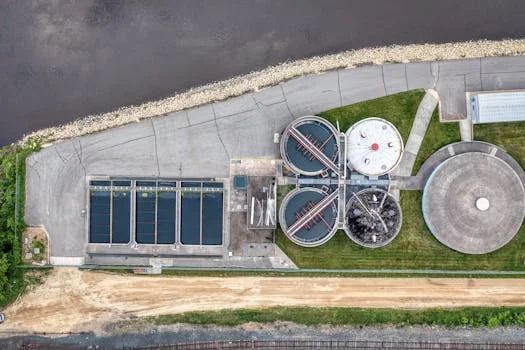
Kaduna's industrial stakeholders frequently raise specific questions regarding the practical implementation, costs, and benefits of advanced wastewater treatment solutions.
Q: What are the biggest challenges for industrial wastewater treatment in Kaduna?
A: The primary challenges include frequent power instability, which necessitates robust backup generator systems or energy-efficient designs; high evaporation rates due to the semi-arid climate, affecting chemical dosing and requiring covered tanks; and the pervasive lack of centralized industrial sewerage, forcing all facilities to implement comprehensive on-site treatment. Refineries also grapple with complex PAH removal, while pharmaceutical plants face the persistent issue of emerging contaminants like 3-methylcholanthrene (per Top 2 page).
Q: How much does industrial wastewater treatment cost in Kaduna?
A: Capital costs for industrial wastewater treatment systems in Kaduna vary significantly based on capacity and technology. They typically range from ₦15M for a 10 m³/h DAF system to ₦120M for a 200 m³/day MBR system. Annual Operational & Maintenance (O&M) costs average 15-20% of the capital investment, with energy consumption being the largest expense, given Kaduna’s power rates of ₦60-₦80/kWh.
Q: Can treated wastewater be reused in Kaduna industries?
A: Yes, wastewater reuse is a growing trend and a viable strategy in Kaduna. Refineries can achieve 30-40% water reuse for cooling towers by employing DAF systems followed by advanced filtration like Reverse Osmosis (RO). Pharmaceutical plants, utilizing MBR systems combined with chlorine dioxide disinfection, can achieve up to 60% reuse for non-potable applications. Agro-processing plants commonly use treated water for irrigation after multi-media filtration to meet agricultural standards.
Q: What are the penalties for non-compliance with NESREA limits in Kaduna?
A: Non-compliance with NESREA discharge limits in Kaduna can result in severe penalties, including fines up to ₦50M/year for repeated violations, mandatory plant upgrades, and potential facility shutdowns. NESREA’s 2023 enforcement campaign specifically targeted refineries with unpermitted discharges, highlighting the agency's commitment to strict enforcement (per local news reports).
Q: Which treatment technology is best for Kaduna’s pharmaceutical wastewater?
A: For Kaduna’s pharmaceutical wastewater, MBR systems (DF series) are highly recommended. They are proven to remove up to 86% of emerging contaminants (Top 2 page) and produce high-quality effluent suitable for reuse. Complementing MBR, chlorine dioxide generators provide 99.9% disinfection, ensuring the treated water is safe for non-potable industrial reuse.