Saudi Arabia’s industrial wastewater market is projected to grow at 8.5% CAGR through 2030, driven by Vision 2030 reuse goals and industrial expansion in Jubail, Yanbu, and Wa’ad Al-Shamal. Plants face high salinity (TDS > 10,000 mg/L in petrochemical effluent), MODON network limits (COD < 150 mg/L, TSS < 30 mg/L), and wastewater temperatures of 40–50°C that cut biological efficiency. This guide covers 2026 compliance checkpoints, CAPEX ranges of SAR 5M–50M for turnkey plants, and when to select DAF, MBR, or RO.
Why the Kingdom’s Industrial Wastewater Market Differs
Industrial wastewater treatment in the Kingdom is driven by high-salinity effluent, 40–50°C wastewater temperatures, and MODON limits of COD < 150 mg/L and TSS < 30 mg/L. Turnkey plants commonly budget SAR 5M–50M. Selection usually starts with DAF for FOG, MBR for high BOD, and RO when reuse or ZLD requires TDS control./p>
Ambient summer temperatures near 50°C can push wastewater above 45°C. EPA 2023 guidance notes traditional activated sludge can lose 30–40% efficiency at these temperatures because oxygen solubility falls and microbes are stressed. Most petrochemical trains we size for Jubail and Yanbu therefore start with physical-chemical pretreatment before any membrane stage.
Oversight sits with MODON, SASO, and environmental authorities that enforce discharge and reuse rules to protect groundwater. The National Water Strategy also targets higher national reuse—up to 10 million m³/d treated and about 70% reuse by 2030—while industrial zones still plan for full reuse and NEOM projects baseline on ZLD.
| Industrial Sector | Primary Wastewater Challenge | Typical Influent Characteristics | 2030 Reuse Mandate |
|---|---|---|---|
| Petrochemical | High Salinity & VOCs | TDS > 10,000 mg/L; COD 2,000-5,000 mg/L | 100% Reuse / ZLD |
| Food Processing | High FOG & BOD | FOG 500-1,500 mg/L; BOD 1,500-3,000 mg/L | 100% Reuse |
| Mining & Metals | Heavy Metals & TSS | TSS > 2,000 mg/L; High Chromium/Lead | 85% Recovery |
| Desalination Brine | Extreme TDS | TDS > 35,000 mg/L | ZLD (NEOM Requirement) |
How Does Industrial Waste Discharge Work in Saudi Arabia?
Waste discharge from industrial sites means either meeting MODON central-network limits or closing the loop for on-site reuse. For network discharge, MODON industrial guidelines require COD below 150 mg/L and TSS below 30 mg/L before effluent enters the shared sewer. NEOM and similar giga sites shift the baseline to circularity: treat to TDS below 500 mg/L and turbidity below 1 NTU for internal reuse rather than export liquid waste.
SASO 2360:2023 further caps heavy metals—chromium below 0.1 mg/L and lead below 0.05 mg/L in the referenced metal limits. Food plants also face pathogen and arsenic controls, with arsenic at 0.01 mg/L and E. coli below 100 CFU/100 mL for non-potable site uses. Non-compliance can trigger fines up to SAR 1 million and shutdowns under the Saudi Environmental Law of 2022. For parameter-by-parameter limits, see the industrial discharge standards for MODON networks and the companion wastewater treatment regulations and compliance steps.
| Parameter | MODON Network Limit (2025) | NEOM Reuse Standard (ZLD) | SASO 2360 (Heavy Metals) |
|---|---|---|---|
| COD (mg/L) | < 150 | < 50 | N/A |
| BOD (mg/L) | < 30 | < 10 | N/A |
| TSS (mg/L) | < 30 | < 5 | N/A |
| Oil & Grease (mg/L) | < 10 | < 2 | N/A |
| Chromium (mg/L) | < 0.5 | < 0.05 | < 0.1 |
| Lead (mg/L) | < 0.1 | < 0.02 | < 0.05 |
How Does the Kingdom Dispose of Sewage and Industrial Effluent?
Municipal sewage is collected into treatment works, while industrial plants either pretreat into MODON networks or run on-site reuse trains. Current municipal treated capacity is reported around 6–7 million m³/d, with roughly 25–30% reused today, so disposal still includes discharge after treatment where reuse offtake is missing. Industrial sites that cannot meet network limits must add DAF, biological, or membrane stages before any tanker haul or sewer connection is acceptable.
For compact sites without a full civil works package, an Underground Package Sewage Treatment Plant (WSZ Series) can handle sanitary and light industrial streams before polishing. Tanker transfer remains a logistics backup, not a compliance strategy: regulators still judge the final effluent quality against MODON, SASO, or reuse specs.
Industrial Wastewater Treatment Technologies: How They Work and When to Use Them
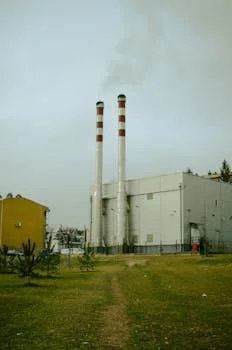
Dissolved Air Flotation (DAF) is the main physical-chemical step for high-FOG effluent. DAF systems for high-FOG industrial wastewater typically remove 90–95% of TSS and 80–85% of FOG in food and petrochemical pretreatment. Pressurized air is released as micro-bubbles that float solids for skimming. In hot climates, DAF often beats sedimentation because the footprint is smaller and settling velocity is less temperature-sensitive. PAC or polymer dose control remains the usual performance lever.
Membrane Bioreactors (MBR) suit high-organic loads in dairy and similar plants. Integrated MBR systems for high-BOD industrial effluent combine biology with membrane filtration and reach 95–99% BOD removal under design conditions. TDS above 5,000 mg/L can raise osmotic pressure and cut membrane life by up to 30%. When heat is the constraint, review MBR performance notes for high-temperature environments before locking aeration and cooling design.
Reverse Osmosis (RO) is the polishing tier for ZLD or high-purity reuse. High-recovery RO systems for ZLD and high-salinity effluent recover 70–90% of water from brine or secondary effluent when pretreatment is sound. Energy use of 3–5 kWh/m³ dominates OPEX. Without DAF or UF ahead of RO, petrochemical membranes foul within weeks. You can compare DAF and sedimentation for industrial pretreatment to choose the step that keeps SDI in range for RO feed.
| Technology | Removal Efficiency (TSS/BOD) | Energy Use (kWh/m³) | Temperature Tolerance | Primary Use Case |
|---|---|---|---|---|
| DAF | 95% TSS / 30% BOD | 0.2 - 0.4 | High (up to 60°C) | FOG & TSS removal |
| MBR | 99% TSS / 98% BOD | 0.8 - 1.2 | Medium (requires < 40°C) | High organic removal |
| RO | 99.9% TDS removal | 3.0 - 5.0 | Low (requires < 35°C) | ZLD & High-purity reuse |
Where Are RO Plants Used for Industrial Reuse Projects?
RO plants are used wherever dissolved salts block reuse—petrochemical brine, boiler-feed makeup, and NEOM-style ZLD trains. A typical sequence is DAF or chemical precipitation, then UF or MBR, then RO, with a concentrator or crystallizer if true zero liquid discharge is required. Energy at 3–5 kWh/m³ and anti-scalant cost set the OPEX floor, so recovery targets of 70–90% only hold when SDI and organics stay controlled.
Cost Benchmarks for Industrial Wastewater Treatment Plants (2025)
Turnkey CAPEX still tracks technology and metallurgy. A DAF train at 50–300 m³/h typically budgets SAR 5–15 million. MBR packages for 100–1,000 m³/day often land at SAR 10–30 million. RO-based ZLD plants for 200–2,000 m³/day commonly need SAR 15–50 million once brine concentrators or crystallizers are included.
OPEX is driven by power, chemicals, and membrane replacement. DAF usually runs SAR 0.5–1.5/m³; RO can reach SAR 2.5–5/m³. Petrochemical CAPEX often rises 20–30% for duplex stainless steel on high-salinity brine. Reuse can cut water procurement cost by 40–60% where tariffs are high. A 2023 case study of Veolia’s SATORP project in Jubail reported about 90% reuse with a five-year payback on a combined DAF and RO layout.
| Technology | CAPEX Range (SAR) | OPEX (SAR/m³) | Membrane Life (Years) | Estimated ROI |
|---|---|---|---|---|
| DAF System | 5M - 15M | 0.5 - 1.5 | N/A | 2 - 4 Years |
| MBR System | 10M - 30M | 1.2 - 2.5 | 5 - 8 | 3 - 6 Years |
| RO System | 15M - 50M | 2.5 - 5.0 | 3 - 5 | 5 - 7 Years |
How to Select the Right Wastewater Treatment System for Your Plant
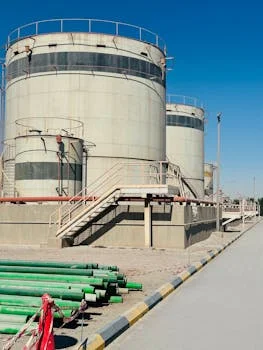
Start with 24-hour composite sampling for COD, BOD, TSS, TDS, and FOG at peak shift. FOG above 100 mg/L usually makes DAF mandatory upstream. Organic-heavy food waste aimed at MODON limits often fits MBR. NEOM or boiler-feed purity needs a multi-stage train ending in RO.
Then model total cost of ownership against water tariffs and non-compliance risk. The Saudi Industrial Development Fund (SIDF) can cover up to 70% of CAPEX for eligible water-conservation projects through low-interest financing. For flows above 500 m³/day, run a 3–6 month pilot through peak summer to prove biology and membranes under 40–50°C feed temperatures.
| If your effluent has... | And your goal is... | The recommended tech is... |
|---|---|---|
| High FOG (> 500 mg/L) | MODON Compliance | DAF + Biological |
| High BOD (> 2,000 mg/L) | Process Water Reuse | MBR + UV Disinfection |
| High TDS (> 5,000 mg/L) | Zero Liquid Discharge | DAF + UF + RO + Crystallizer |
| Heavy Metals | SASO 2360 Compliance | Chemical Precipitation + DAF |
Selection checklist for EPC and plant teams:
- Confirm discharge vs reuse endpoint (MODON network, irrigation, boiler, or ZLD).
- Measure peak TDS and FOG before choosing membranes.
- Budget duplex materials if salinity stays above 10,000 mg/L TDS.
- Include summer temperature control for any biological or RO stage.
- Price power at 3–5 kWh/m³ if RO recovery is required.
- Check SIDF eligibility before freezing CAPEX.
- Pilot at least one hot-season month for plants above 500 m³/day.
Who This Is For / Next Step
Plant engineers, EPC contractors, and procurement leads sizing pretreatment in MODON cities or giga-project zones are the primary readers. Operators that only need municipal package treatment without high salinity or ZLD should look at compact sanitary plants instead. To size DAF, MBR, or RO against your COD/TDS profile, request a project-specific treatment quote with recent lab data.
Frequently Asked Questions
What are the most common wastewater treatment challenges in the Kingdom?
High salinity (TDS > 10,000 mg/L in petrochemical effluent), wastewater temperatures of 40–50°C that cut biological rates, and MODON network limits of COD < 150 mg/L and TSS < 30 mg/L are the usual constraints. Effective trains pair DAF pretreatment with heat-aware biology or membranes and corrosion-resistant materials on brine lines.
How much does a DAF system cost for industrial plants?
A turnkey DAF system typically costs SAR 5–15 million for 50–300 m³/h capacity under 2025 budget ranges used in this guide. Operating cost usually falls between SAR 0.5 and 1.5 per m³ treated, depending on polymer or PAC dose and automation level.
What are the key differences between MBR and RO for industrial wastewater?
MBR combines biological treatment with membrane filtration and suits high-BOD organic waste, while RO is a physical salt-removal step needed for ZLD and high-purity reuse. RO typically uses 3–5 times more energy than MBR and fails quickly without solids and organics pretreatment.
How can a plant stay compliant with local discharge rules?
Audit effluent against MODON’s COD/TSS limits and SASO 2360:2023 metal caps, then verify with third-party labs on a fixed schedule. Continuous monitors on COD, pH, and oil & grease reduce the risk of SAR 1 million-class fines and unplanned shutdowns.
What financing options exist for industrial water reuse projects?
SIDF financing can cover up to 70% of CAPEX for eligible industrial water-conservation projects through low-interest loans. MODON and NEOM developments also favor plants that commit to advanced reuse or ZLD when allocating land and utility connections for new industrial plots.