What Makes Starch Wastewater Suitable—and Difficult—for Anaerobic Digestion
An anaerobic digester for starch wastewater is usually the biological core of a treatment train beginning with equalisation and solids removal, followed by anaerobic COD reduction and biogas capture, then aerobic polishing if the permit requires it. Reactor selection depends on wastewater variability, temperature, footprint, COD load and operator capability. A full-scale wheat-starch-sugar case reported COD removal above 89.2% and 0.4 m³ biogas/kg COD removed, but sugar-refinery testing also showed that stronger organic content can reduce removal through acidification.
Anaerobic digestion converts biodegradable organics into methane-rich biogas without oxygen through four linked stages: hydrolysis breaks down complex material, acidogenesis converts it to organic acids, acetogenesis forms acetate and hydrogen, and methanogenesis produces methane and carbon dioxide. For starch streams, readily biodegradable carbohydrate supports this sequence, while suspended starch, batch variation and rapid acid formation determine whether it remains stable.
The load is material: the commercial Starch Wastewater Treatment Processes Guide reports generation of 10–20 m³ of high-COD wastewater per tonne of starch produced. Washing, steeping, separation and drying can each contribute wastewater, but plant-specific composition must be established. Raw-material source, recycled process water, production schedule, pH, alkalinity and nutrients all affect reactor selection.
The Durban University of Technology study demonstrates why biochemical methane potential (BMP) must be paired with removal data. Sugar-refinery wastewater contained 18,770 mg/L COD and produced 148 mL/gTDS in the BMP test, yet COD removal was only 62.8%. Industrial sewage at 4,320 mg/L COD produced 76 mL/gTDS. A strong BMP result therefore does not, by itself, establish stable treatment.
| Characterisation item | Evidence and design implication |
|---|---|
| Wastewater generation | 10–20 m³ of high-COD wastewater per tonne of starch produced, according to the commercial Starch Wastewater Treatment Processes Guide. |
| Sugar-refinery stream | 18,770 mg/L COD, 148 mL/gTDS in the BMP test and 62.8% COD removal in the Durban University of Technology study. |
| Industrial sewage | 4,320 mg/L COD and 76 mL/gTDS in the same study. |
| Required site checks | Raw material, recycled water, batch pattern, pH, alkalinity, nutrients and inhibitory compounds. |
Build the Treatment Train Before Choosing the Digester
Equalisation and controlled solids removal precede reactor selection because variable starch wastewater can overload both the digester and downstream gas equipment. The recommended sequence is:
- Characterise the stream through representative production and wash cycles.
- Equalise flow, COD and solids excursions.
- Screen and remove suspended solids.
- Apply physicochemical pretreatment where the characterisation shows it is needed.
- Feed the anaerobic reactor and handle biogas safely.
- Provide aerobic polishing where residual COD, BOD, ammonia or solids require it.
- Confirm final compliance by sampling the completed train.
Coarse screening can be specified with a rotary mechanical bar screen for wastewater pretreatment. Screening, sedimentation and coagulation-flocculation remove suspended or colloidal material, but not the dissolved biodegradable COD that drives methane production. DAF pretreatment for starch wastewater can remove suspended solids, FOG, oil and grease or colloidal matter where those fractions interfere with biological treatment; it conditions the feed rather than replacing anaerobic digestion.
The design team should measure flow, COD, BOD, TSS, pH, alkalinity, temperature, nutrients and relevant inhibitory compounds across representative operating cycles. An automatic chemical dosing system may be needed for pretreatment or alkalinity control, but its selection depends on measured chemistry and the chosen control strategy.
The commercial guide reports final treated secondary starch effluent at 200–250 mg/L COD and 150–200 NTU turbidity. Those values describe that stated application, not a universal starch-plant limit. The specification should therefore define final COD, BOD, TSS, ammonia, pH and reuse or discharge criteria rather than sizing the digester from raw-wastewater COD alone.
Compare UASB, EGSB, Internal Circulation and Staged Digestion
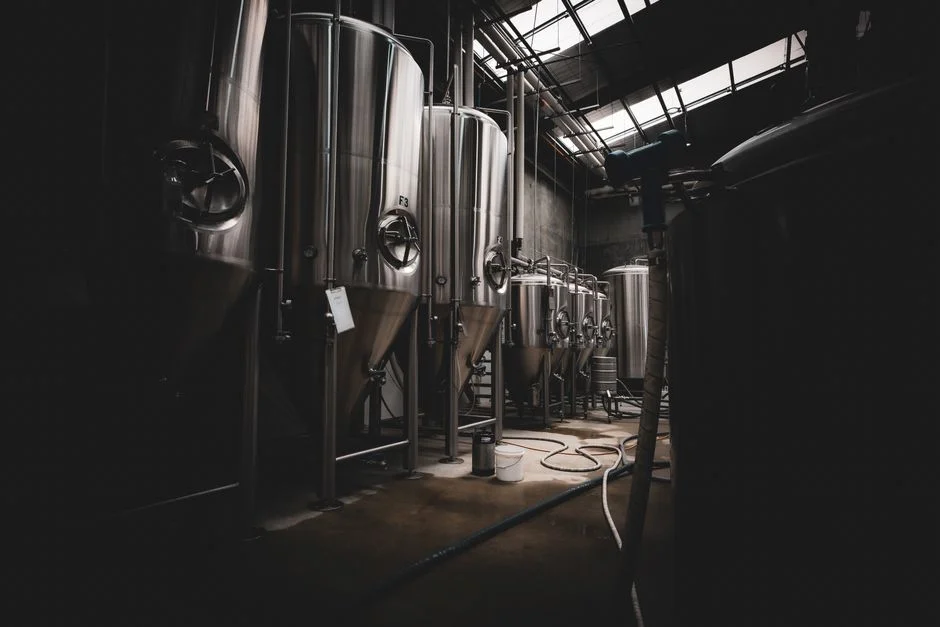
Reactor choice follows feed consistency, hydraulic behaviour and operating capability rather than a single COD-removal target. UASB is simplest where flow and composition can be equalised; EGSB adds bed expansion and mass transfer; internal circulation suits constrained footprints; staged digestion separates acidogenic and methanogenic conditions when load shocks threaten stability.
| Configuration | How it operates | Best fit to test | Main engineering caution |
|---|---|---|---|
| UASB | Upward flow through a dense blanket of granular anaerobic sludge. | Relatively consistent wastewater with equalised flow and operators experienced in high-rate anaerobic systems. | Feed variation, sludge retention and gas handling still require detailed design. |
| EGSB | A UASB evolution using higher upflow velocity to expand the granular sludge bed and improve transfer. | Sites prioritising enhanced mass transfer, lower-temperature application or lower-COD wastewater, subject to pilot evidence. | Higher hydraulic demands and tighter control of the expanded bed. |
| Internal circulation reactor | A tall, narrow system in which biogas-lift circulation keeps biomass in contact with influent without external mixing energy. | High-strength industrial streams where footprint is constrained and gas-system competence is available. | Internal hydraulics, gas removal, solids separation and maintenance need specialist review. |
| Staged digestion | Separates hydrolysis and acidogenesis from methanogenesis so the communities operate under more favourable conditions. | Plants where batch variation makes single-stage acidification difficult. | More equipment, control points and opportunities for operational error. |
The commercial guide describes an eddy-integrated internal circulation reactor treating wheat-starch-sugar wastewater at a design capacity of 4,000 m³/d. It reports COD removal above 89.2% and biogas yield of 0.4 m³/kg COD removed. These figures establish a full-scale reference case, not a guarantee for another wastewater.
The same guide reports a tropical anaerobic pond benchmark above 90% COD and TSS removal. That supports the viability of low-energy systems when local temperature, feed and reactor capacity match; it does not justify transferring that result to a temperate, variable starch stream.
Higher-rate and internally circulated systems can improve loading and footprint performance, but that advantage transfers control risk. Gas removal, feed distribution, granule retention, safety systems and operator response must be included in the comparison. For other feed-specific design methods, see anaerobic digester design for distillery wastewater or anaerobic digester design for brewery wastewater.
Size the Digester from Organic Load, HRT and Operating Stability
Both organic loading rate and hydraulic retention time (HRT) are required for sizing because strength, flow and biodegradability may change independently. Organic loading rate expresses the applied organic load relative to reactor volume. HRT is reactor volume divided by wastewater flow. Neither alone establishes a defensible starch-plant reactor volume.
For the Durban University of Technology study’s industrial and sugar-refinery streams, the optimised 50 L operating condition was a 21-day HRT, pH 7.01 and 0.42 g/L magnetite. These values describe that study’s optimum, not a universal specification for starch wastewater.
The trial sequence matters as much as the endpoint. The researchers observed poor initial response, exponential biogas-production growth from days 9–18, a decline from days 19–22, and retardant or no production from days 22–30. They identified an optimum HRT between 18 and 22 days. Magnetite reduced the lag phase from nine days to three, while a 0.8 g/L loading overloaded the catalyst and biogas production declined to 2 mL/d after nine days. Conductive additives should therefore be tested, not added automatically.
| Sizing or trial parameter | Meaning | Evidence or decision rule |
|---|---|---|
| Organic loading rate | Design organic load applied per unit reactor volume. | Calculate from site flow, COD concentration and selected reactor volume; confirm through loading-step testing. |
| Hydraulic retention time | Reactor volume divided by wastewater flow. | The study found an optimum of 18–22 days for its streams; do not transfer it without BMP and pilot evidence. |
| BMP test | Measures potential gas production from degradable organics. | Use site wastewater and retain the result alongside measured COD removal. |
| Long-duration stability trial | Tests loading steps, pH, alkalinity, gas production and residual COD. | Complete before fixing reactor volume, heat recovery or gas-yield assumptions. |
The purchase sequence should therefore be: establish a representative analytical dataset, run BMP testing, conduct a reactor trial with load steps, then size around demonstrated stable operation while reserving reasonable hydraulic and treatment-stage flexibility.
Control pH, Alkalinity, Temperature and Organic Shock

Acidification is the central risk when stronger starch wastewater increases gas production faster than contaminant removal. In the Durban University of Technology study, raising organic content from 4,320 to 18,770 mg/L increased biogas production by 30%, but contaminant removal fell by more than 40% because lower pH encouraged inhibitory long-chain fatty acids. This directly contradicts the assumption that the strongest feed is always the best reactor feed.
Provide continuous pH monitoring and feed-rate control. Determine alkalinity-testing frequency from batch variability and reactor configuration. The optimised 50 L system operated at pH 7.01, and the addition of sensors improved measured methane content to 90%; these remain study-specific results supporting the importance of monitoring rather than universal set points.
The commercial guide gives conventional aerobic energy demand as 0.5–1.0 kWh/kg COD removed and reports 0.4 m³ biogas/kg COD removed in the wheat-starch-sugar application. The comparison supports anaerobic pretreatment for suitable streams, but economic benefit still depends on actual gas quantity, gas use and heat demand.
| Warning signal | First response | Escalation if stability does not recover |
|---|---|---|
| Declining pH | Verify the sensor and check feed composition and alkalinity demand. | Reduce feed or dilute the influent, then restore alkalinity through the engineered dosing route. |
| Falling methane fraction or rising volatile fatty acids | Check feed rate, gas-system measurement and the relationship between pH and alkalinity. | Reduce organic loading and hold the reactor at a stable condition before restarting controlled loading. |
| Reduced COD removal | Confirm laboratory sampling and BMP-based biodegradability. | Reduce feed, investigate inhibition and reassess the reactor configuration. |
Temperature, wastewater composition and alkalinity are mandatory site inputs. The supplied research does not establish a universal temperature or loading-rate limit for starch wastewater, so neither should be inferred from the study values. An automatic chemical dosing system should be engineered around the selected alkalinity or pretreatment chemistry rather than used as an undefined control response.
Plan Aerobic Polishing and Biogas Use
Aerobic treatment should be reserved for the residual pollutants that require it. Following anaerobic digestion, activated sludge, a sequencing batch reactor or a moving bed biofilm reactor can address residual BOD, ammonia or suspended solids when the permit or reuse specification demands it. Selection must follow effluent targets, footprint, residuals and operating capability; the anaerobic reactor should not be sized as though polishing is optional.
Where solids separation is required downstream, a lamella clarifier for solids separation can be evaluated around the biological train. An integrated MBR wastewater treatment option may be relevant where the reuse specification requires stringent solids control, but that decision requires the actual effluent criteria and feed characteristics.
Biogas use should be planned alongside the digester. The American Biogas Council’s September 2026 survey found that 55% of surveyed wastewater facilities with anaerobic digestion used biogas for electricity or CHP and that 89% of electricity generated from biogas was used on-site. That municipal survey indicates a common energy strategy, not a starch-plant performance guarantee.
The wheat-starch-sugar benchmark of 0.4 m³ biogas/kg COD removed is site-specific and must be checked through BMP and pilot work before it enters a financial model. Include gas storage, pressure regulation, flame arrestors and an engineer’s review of H₂S, methane fraction and contaminant risks. The 90% methane result from the university reactor is not a universal gas-quality specification.
Evaluate Cost, Supplier Guarantees and Commissioning Performance
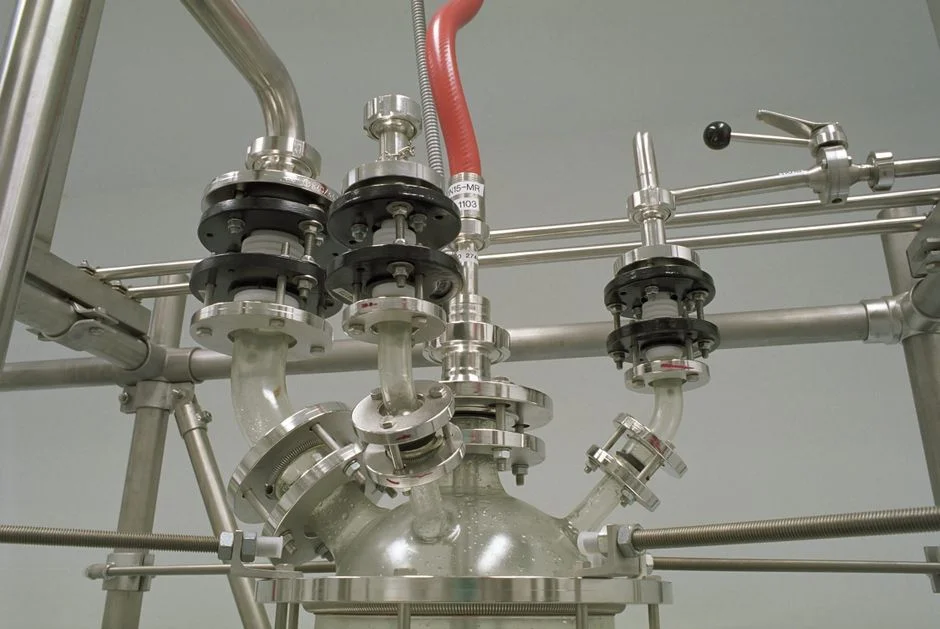
Compare bids as complete treatment systems rather than isolated digester vessels. A comparable scope should identify pretreatment, reactor and civil works, piping and pumping, gas storage and utilisation, heat integration, controls, aerobic polishing, solids handling, commissioning, training and lifetime consumables.
The Durban University of Technology study’s economic result is a warning against treating laboratory biogas potential as project profitability. Its optimised 50 L system generated net cash flow of -R8,506 and a net present value of -R121,016. Estimated payback ranged from 19.03 years for the 50 L system to 25.3 years for the 10 L system. These results reflect the study’s capital, scale, energy and cost assumptions; they are not starch-digester price benchmarks.
| Procurement item | Information required before bid comparison |
|---|---|
| Design basis | Representative flow, COD, BOD, TSS, pH, alkalinity, temperature, nutrients, biodegradability, operating pattern and final permit or reuse targets. |
| Performance basis | Reactor volume, loading rates, HRT, temperature, COD-removal guarantee, gas-yield basis, methane fraction, test protocol and operating hours. |
| Price boundary | Equipment, civil work, pretreatment, controls, gas system, heat integration, polishing, solids handling, commissioning, training and consumables. |
| Acceptance evidence | Measured project data, test duration, wastewater basis, operating conditions, sensor records and distinction between measured and modelled claims. |
Set commissioning gates around stable HRT and loading, acceptable pH and alkalinity, COD removal, methane fraction, solids handling, biogas-system availability and stable polishing performance. The American Biogas Council’s September 2026 U.S. survey identified 1,213 operating facilities and more than 5,000 facilities of at least 1 MGD as potential candidates, but municipal scale is not a direct starch-plant sizing analogue.
Where downstream sludge dewatering is required, define the interface before selecting equipment; a plate-frame filter press for sludge dewatering should be evaluated against the actual solids rate, cake target and operating schedule. Exclude no performance obligation merely because it falls outside the reactor package.
Frequently Asked Questions
What data are required to size an anaerobic digester for starch wastewater?
Request daily flow, COD, BOD, TSS, temperature, pH, alkalinity, biodegradability, batch operating pattern and permit targets from representative production cycles. Use those data for BMP and pilot validation before fixing reactor volume, HRT or loading rate.
Should the plant choose UASB, EGSB, IC or staged digestion?
Choose UASB where equalised feed is sufficiently consistent and operators understand high-rate anaerobic systems. Consider EGSB where enhanced mass transfer or lower-temperature operation needs validation, IC where footprint is constrained, and staged digestion where separating acidogenic and methanogenic phases improves upset control.
What should the budget request from a digester supplier?
Ask for a complete installed-scope price covering equipment, civil work, pretreatment, controls, gas handling, heat integration, polishing, commissioning and consumables. The supplied research provides no universal starch-digester price, so require a site-specific quotation against the agreed wastewater and effluent design basis.
How should compliance and supplier performance risk be checked?
Tie the guarantee to residual COD, BOD, ammonia, TSS and pH required by the actual permit or reuse specification. Require measured COD removal, biogas yield, methane fraction and operating-stability records, together with the wastewater characterization, test duration and operating conditions supporting each claim.
Related Equipment
- DAF pretreatment for starch wastewater — specifications, capacity range, and technical data