Why Mérida Needs Site-Specific Domestic Sewage Treatment
Domestic sewage treatment in Mérida cannot be selected from population size alone because fractured, calcareous soil can let liquid and semisolid waste move downward, while some properties rely on septic tanks and periodic pumping. A 2010 Merida Key household account describes a three-tank septic system without a leach field that was pumped every few years; it also includes a resident unable to locate the septic system, but that observation is illustrative rather than representative evidence. The engineering response is to separate treatment, storage and infiltration, then verify flow, soil, groundwater, reuse and permit conditions before selecting equipment. This is particularly relevant where decentralized domestic wastewater treatment can avoid extensive collection networks and long-distance transport, although it transfers operating and maintenance responsibility to the site owner or service provider (Sustainability, 2024-10-04).
A septic tank is primarily a storage and solids-separation arrangement. It may accumulate and settle solids, but that function does not demonstrate biological treatment, pathogen removal, disinfection performance or compliance with a specified discharge or reuse requirement. Similarly, a site that relies on septic tank pumping is managing residuals from an on-site sanitation arrangement, not necessarily operating a treatment system with a defined effluent.
Engineering analysis should therefore begin with a map of every sanitary flow, septic component, well, drain and proposed discharge point. The question is not simply whether a package plant can be installed; it is whether the proposed treatment train can control the pollutants relevant to its receiving environment while managing accumulated solids safely. This distinction is central to Mexico wastewater compliance and treatment planning, even though the present application is domestic rather than industrial wastewater.
Define the Treatment Objective Before Choosing Equipment
The design basis must describe the wastewater to be treated, the land available, the intended destination of the effluent and the operating resources available. Do not select a nominal capacity from an occupancy estimate alone. The design team needs verified current and future peak flow, average flow, seasonal variation, wastewater characteristics, available footprint, groundwater and soil conditions, the receiving point and the proposed reuse application. The supplied research provides no Mérida-specific flow-per-capita factor, so a property calculation cannot be made from the available evidence.
Separate four objectives because no treatment stage should be credited automatically with meeting all of them:
- Odor and solids control: screening, grit management, settling and contained sludge handling.
- Biological treatment: removal of biodegradable organic matter through a suitable biological process.
- Pathogen and disinfection control: an identified disinfection stage with a defined performance basis.
- Nutrient removal: treatment designed around the required nitrogen and phosphorus outcomes rather than assumed removal.
The reuse application must also be stated precisely. The 2024 decentralized-treatment review identifies firefighting, toilet flushing and landscape irrigation as non-potable reuse categories (Sustainability, 2024-10-04). Those examples define uses, not a universal effluent specification. For each project, the designer must identify the applicable criteria, monitoring needs and responsible authority.
| Design input | Question the supplier must answer | Why it affects selection |
|---|---|---|
| Flow | What verified average, peak and variation basis was used? | Determines biological loading, hydraulic capacity and equalization needs. |
| Wastewater | What organic, solids, nutrient, solids-retention and wastewater characteristics were assumed? | Determines process stages, aeration and residuals handling. |
| Site | What soil, groundwater, footprint, access and utility conditions apply? | Controls installation, infiltration risk and maintainability. |
| Effluent use | Is the discharge point specified, and is reuse proposed? | Sets the required treatment and disinfection basis. |
| Residuals | Where will sludge and septage accumulate, leave and be treated? | Prevents an unclosed treatment and compliance pathway. |
Compare Decentralized Treatment Technologies for Mérida Sites
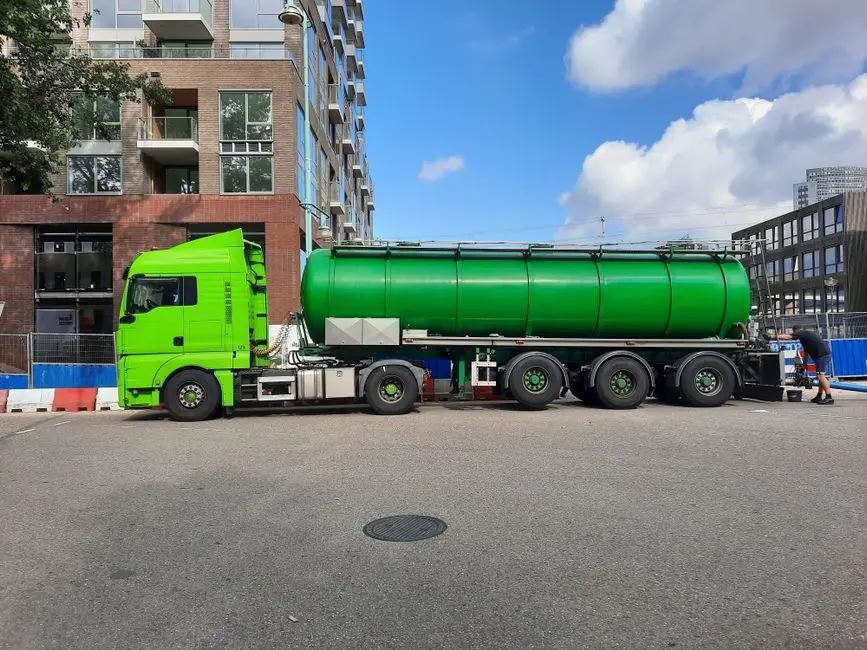
The appropriate technology is the one that matches the verified treatment objective, site and operating model; the evidence does not support a universal “best” process for Mérida. A packaged biological process may be more land-efficient than an oxidation ditch, while natural systems may be viable where land, climate, seasonal flow and approvals align. GX rotary mechanical bar screen equipment should be considered where incoming solids and fibrous material would otherwise enter pumps, valves or downstream biological stages.
| Process family | Evidence-based strengths | Principal constraints to verify | Potential Mérida application |
|---|---|---|---|
| A/O | Effective organic removal, simple operation and low cost (Sustainability, 2024-10-04). | Nitrogen, phosphorus, solids separation and disinfection still require explicit design. | Compact biological treatment where verified flow and effluent requirements support the configuration. |
| Activated sludge, SBR and oxidation ditch | Conventional biological options; oxidation ditches provide high purification and stable operation in the cited review. | Oxidation ditches generally have longer hydraulic retention time, require secondary sedimentation and occupy more area. | Larger developments where footprint and civil infrastructure can be justified. |
| Biofilm and contact oxidation | The review includes biofilters, MBBR, biological contact oxidation and biofluidized beds. | Biomass control, solids separation and fouling behavior must be evaluated. | Attached-growth biological stages within a package or hybrid plant. |
| Natural systems | Artificial wetlands, soil-percolation systems and stabilization ponds are reviewed as decentralized options. | Land, climate, seasonal flow variation and local approval conditions must align. | Land-intensive sites where treatment objectives and environmental controls permit. |
| MBR | Combines biological treatment with membrane solids separation in a compact system. | Filtration claim does not establish automatic compliance for a named reuse. | Projects requiring compact treatment or evaluating higher-quality reuse. |
| Combined treatment | Integrated configurations can improve organic and nutrient removal, address emerging pollutants and support resource recovery, according to the review. | Greater process complexity requires matching control, maintenance and residuals plans. | Projects with multiple effluent and resource-recovery objectives. |
The review also reports more than 850 oxidation-ditch systems operating worldwide (Sustainability, 2024-10-04). That figure demonstrates established use, not local suitability in Mérida. Selection should compare each family against the same project inputs, including land, verified flows, effluent objectives, maintainability and residual treatment. Where no local lifecycle-cost or performance comparison exists, procurement should request project-specific calculations rather than transfer generic performance claims.
When a Buried Package Plant Is the Practical Choice
A buried package plant is practical when the project needs a contained biological treatment train, limited above-ground footprint and manageable site works. The WSZ underground package sewage treatment plant combines inlet and collection, anoxic/aerobic A/O biological contact oxidation, sedimentation, disinfection and discharge or reuse in one buried unit. Its catalog describes fully automated operation without an operator, landscaping above the installation and optional trailer mounting for mobile deployment.
The manufacturer-supplied capacity is 1–80 m³/h (HydropureWater verified product catalog, 2026). That is a catalog comparison range, not a universal sizing rule. The correct selection still depends on verified flow and load variation. It also requires confirmation of inlet characteristics, hydraulic treatment, effluent specifications and the complete treatment sequence.
| WSZ catalog item | Stated specification | Buyer’s verification requirement |
|---|---|---|
| Process | A/O biological contact oxidation, sedimentation and disinfection in one buried package. | Receive the process flow, reactor configuration, aeration method, clarification arrangement and controls sequence. |
| Capacity | 1–80 m³/h. | Confirm the project load falls within the offered configuration and identify the design flow basis. |
| Installation | Below grade with landscaping above; optional trailer mounting for mobile deployment. | Check excavation, structural loading, soil conditions, access, odor control and utilities. |
| Operation | Fully automated, with no operator required. | Define inspection, calibration, sampling, alarm response and maintenance responsibilities. |
| Application | Residential communities, hotels, hospitals, factories and rural areas. | Confirm that the actual flow, wastewater, reuse objective and permit basis fit that use. |
The strongest fit is therefore a site with verified flows within the supplier’s demonstrated range, suitable ground conditions, available maintenance access and a clear effluent or reuse specification. The WSZ architecture is less defensible when the project requires a substantially higher-quality reuse claim, unusual industrial loading, exceptional nutrient removal or solids handling that has not been designed. The same evidence must include how sludge is removed, where it goes and how often it must be serviced.
Choose MBR or Pretreatment When the Reuse Objective Is Stricter
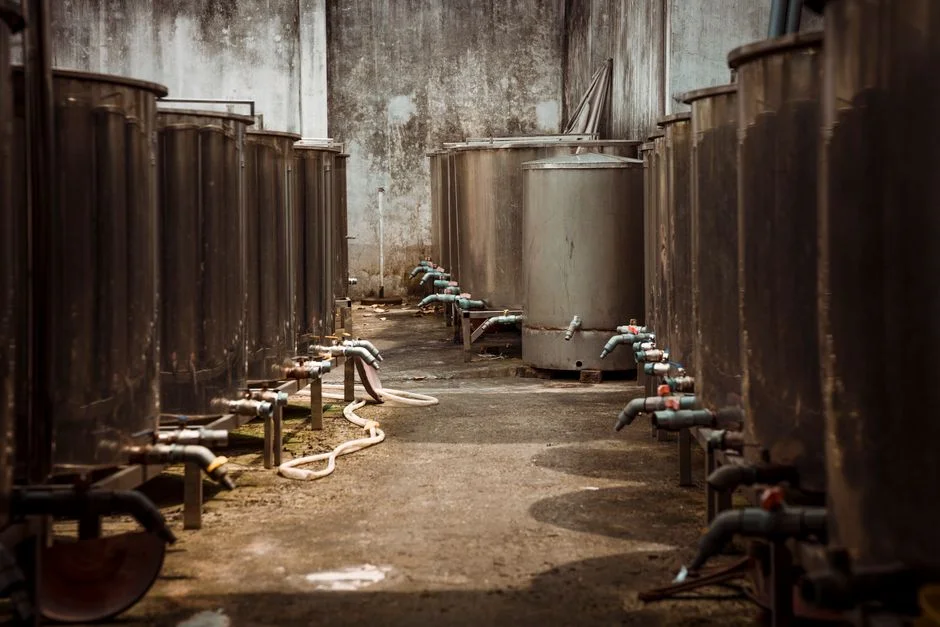
Stricter reuse objectives call for demonstrated separation and disinfection performance, not simply a more advanced product label. The MBR membrane bioreactor wastewater treatment system combines activated sludge with submerged PVDF membrane filtration. Its catalog specifies filtration below 1 μm, a footprint stated to be 60% smaller than conventional systems, and capacity of 10–2,000 m³/day (HydropureWater verified product catalog, 2026).
Those manufacturer figures help define an envelope for comparison. They do not prove that an effluent will satisfy a particular reuse or discharge standard. Membrane performance must be evaluated against the project’s required solids removal, treatment objectives, influent characteristics and operating conditions. Do not describe ultrafiltration as an automatic requirement for domestic sewage.
Instead, add an ultrafiltration water treatment system where a defined solids-removal duty or membrane-protective pretreatment requirement justifies it. Use a GX rotary mechanical bar screen where suspended solids, rags, plastics and fibrous debris could burden downstream pumps, valves or biological processes. Its role is pretreatment and operational protection, not a substitute for project-specific biological and disinfection design.
Reuse categories should be checked against the project basis. The decentralized-treatment review identifies firefighting, toilet flushing and landscape irrigation as non-potable applications (Sustainability, 2024-10-04), but each requires its own treatment specification, disinfection basis, sampling regime and approval verification in Mérida. A catalog filtration claim should not be converted into a promise of potable use or automatic compliance for a named reuse.
Build a Procurement Checklist That Exposes Project Risk
A defensible bid must expose the complete process and responsibility structure. Require the supplier to state the design flow basis, process diagram, reactor configuration, aeration approach, clarification method, disinfection stage, controls, alarm strategy and expected operating sequence. These are technical submittal requirements, not optional sales information.
- Validate the basis: submit measured or otherwise defensible average and peak flows, load variation, wastewater characteristics and the intended effluent use.
- Validate the site: provide a site-specific geotechnical and groundwater review. The risk is specific: Mérida soil is described as calcareous, fractured and thin in humus, giving liquid and semisolid wastes potential to percolate downward (Sustainability, 2022-05).
- Validate the permit: provide a permit and reuse matrix identifying the receiving point, authority, required sampling, criteria and documentation.
- Validate the scope: document civil works, installation, commissioning, power, aeration, chemicals or UV, routine maintenance, sludge removal, replacement parts and local support.
- Validate the residual route: identify accumulation points, removal frequency, transport and an authorized destination or treatment route.
| Bid item | Minimum evidence requested | Risk if omitted |
|---|---|---|
| Process basis | Flow calculations, process diagram, sizing report and guarantees aligned with the stated duty. | Equipment may be selected for an unverified load or treatment objective. |
| Installation | Civil, structural, geotechnical, groundwater, odor-control and maintenance-access requirements. | Installation changes or groundwater exposure emerge after equipment procurement. |
| Commissioning | Testing, supervision, startup sequence, performance validation and training. | System enters service without demonstrated operation. |
| Operations | Maintenance intervals, consumables, alarms, calibration, sampling and support responsibilities. | Automatic operation is mistaken for hands-off operation. |
| Residuals | Sludge estimate, removal method, frequency, destination and documentation. | Treatment creates a new unresolved disposal obligation. |
| Compliance | Permit matrix, receiving point, criteria, sampling and recordkeeping. | Equipment is purchased without a lawful outlet or reuse basis. |
Compare bids on total installed scope rather than equipment price alone. The supplied sources contain no reliable Mérida lifecycle-cost model, so buyers should request a project-specific price breakdown for each scope item rather than accept an invented local price. Packaged sewage treatment plant selection for housing and packaged sewage treatment selection for housing developments provide useful comparative selection questions, but their locations do not replace Mérida site data.
Plan Installation, Operation and Residual Sludge
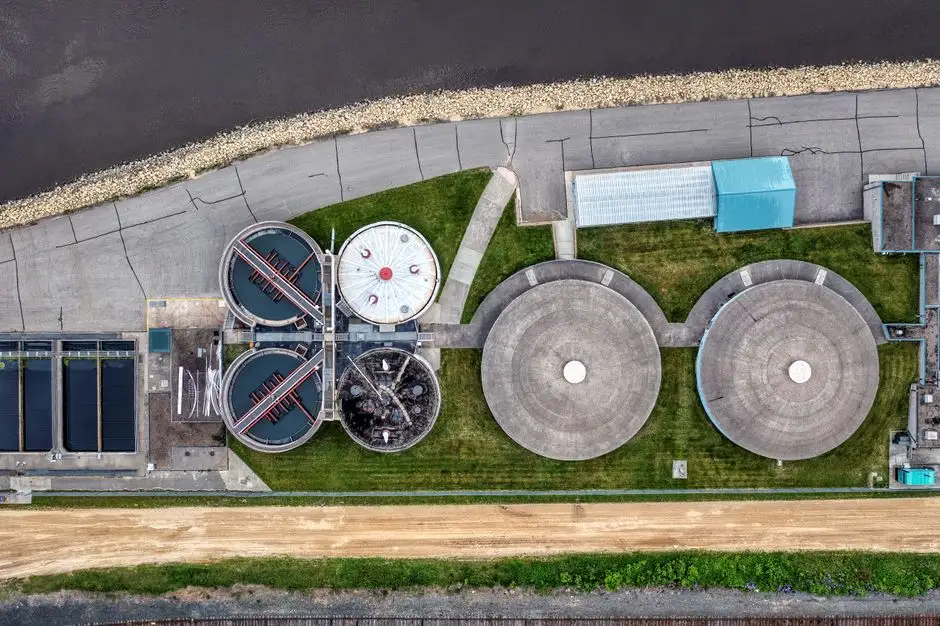
Implementation should proceed in a controlled sequence: verify flows and soils; establish the permit basis; complete civil and structural design; confirm utilities; install and test controls; commission under qualified supervision; validate treatment performance; and train operations staff or the appointed service provider. Each stage can expose a problem before the next commitment is made.
For a below-grade WSZ installation, the civil design should preserve access for lifting, inspection, aeration-service equipment and septage or sludge removal. These are operational access requirements, not guarantees that the package satisfies them without site-specific design. Also confirm how odour is controlled during installation and operation.
Residuals must remain part of the system design. The 2022 Mérida study notes that sewage sludge can contain pollutants and create environmental and health risks, particularly where land application occurs in calcareous, fractured soil with thin humus layers (Sustainability, 2022-05). A documented plan should therefore identify where solids accumulate, how they are removed and where residual sludge or septage is taken.
Where project analysis identifies a need for sludge dewatering, a plate and frame sludge dewatering press is an available option. Its catalog lists filtration areas from 1 to 500 m² and manual, hydraulic or PLC-controlled operation (HydropureWater verified product catalog, 2026). Whether that equipment is proportionate depends on residual generation, dewatering objectives and the authorized disposal route.
Automatic operation does not eliminate inspection, calibration, housekeeping, sampling, sludge handling or regulatory documentation. The operating plan should assign each task, frequency, record and response to a named party.
Frequently Asked Questions
How much does domestic sewage treatment cost in Mérida?
The supplied research contains no defensible local equipment or lifecycle price for Mérida. A bidder should separately itemize equipment, excavation and civil works, structural works, installation, electrical and control work, commissioning, power, aeration, disinfection consumables, routine maintenance, sludge removal, replacement parts, monitoring and local service support. Ask for the validity period and exclusions so the bids use the same scope.
What size sewage treatment plant does a property in Mérida need?
Verified peak flow, average flow and load variation determine selection. The WSZ catalog range of 1–80 m³/h is a manufacturer-supplied comparison range, not a property-specific calculation. Before sizing, establish the current and future flow basis, wastewater characteristics, treatment objective and equalization requirement, then require the supplier to show how its selected configuration handles that basis.
Which treatment is best for a hotel or housing development in Mérida?
A buried A/O package plant is a strong candidate where verified flows fit the offered range, land is limited and the project needs contained biological treatment, sedimentation and disinfection. MBR should be evaluated when compact membrane solids separation or a stricter reuse objective warrants it. Natural systems should be compared where sufficient land, seasonal performance and approvals align. The final choice follows the verified effluent objective and site constraints, not the product category alone.
How do I compare sewage treatment suppliers in Mexico?
Require each bidder to provide the process flow, sizing basis, guarantees, complete installed scope, commissioning plan, controls and alarm strategy, maintenance schedule, sludge-removal route, reference projects and local support responsibilities. Check who holds each permit and who remains accountable after handover. Compare these deliverables at equivalent scope rather than ranking suppliers by quoted package price.
Can treated wastewater from Mérida be reused?
Potentially, but not by equipment type alone. The 2024 decentralized-treatment review identifies firefighting, toilet flushing and landscape irrigation as non-potable reuse categories (Sustainability, 2024-10-04). For the proposed use, confirm the required effluent quality, disinfection, monitoring, approval authority and operating controls. Do not infer potable suitability from a package or membrane filtration claim.