
What wastewater profile makes DAF the right fit?
A Kaohsiung factory normally needs DAF when the main treatment objectives are removing suspended solids, FOG, oil and grease, or colloidal matter before reuse, discharge or biological treatment. It needs a broader ETP when the wastewater also requires pH adjustment, coagulation, flocculation, biological treatment, filtration or disinfection. The correct choice depends on representative wastewater tests, peak and average flow, contaminants, reuse targets, discharge route and sludge handling. S1, Dissolved Air Flotation (DAF) Plant (2022), describes DAF as air dissolved in wastewater under pressure and released at atmospheric pressure in a flotation-tank basin to remove oil and solid waste.
DAF is therefore most relevant when the dominant contaminant is material that can be separated by flotation or associated with floatable solids. The HydropureWater DAF catalogue identifies suspended solids, FOG, oil and grease, and colloidal matter as relevant application areas. The project team should not use those labels as a substitute for analysis: identify the particle, oil, FOG and colloidal fractions, then determine whether chemical conditioning is needed to make them separable.
DAF can also serve as a pretreatment stage. S1 identifies wastewater recovery and reuse before discharge, biosolids thickening, reduced loading on biological treatment, and sludge thickening or removal as DAF uses. These functions make DAF potentially relevant to a factory that wants to protect a downstream biological process, recover water, or improve solids handling. They do not, by themselves, establish that biological treatment, disinfection, polishing or reuse validation is unnecessary.
Request representative data for each wastewater stream before selecting equipment: TSS, oil and grease, FOG, pH, temperature where relevant, average and peak flow, and process-specific contaminants. Also request the production schedule, batch-dump information, intended discharge or reuse route, and available site data. Do not assign acceptance limits or removal guarantees before those results and the applicable permit are reviewed.
For a preliminary equipment review, see the industrial dissolved air flotation system catalogue, then use the wastewater results to determine whether DAF is the primary treatment stage or only one part of the train.
Map the factory wastewater into an ETP or DAF treatment train
DAF is a treatment stage, not a substitute for every downstream process. S1, Dissolved Air Flotation (DAF) Plant (2022), starts with equalization, pH control, fine screening and flocculation control before DAF solids separation. That sequence provides a useful architecture for a factory wastewater process flow: screen and collect the streams, equalize them, adjust chemistry where required, condition the wastewater where needed, separate floatable material, and add biological or polishing stages if the final target requires them.
- Collection and screening: isolate process streams, remove rags, plastics and fibrous debris, and prevent them from loading pumps or downstream biological equipment.
- Equalization: reduce the effect of variable flow and concentration before treatment. Determine the required volume from the actual flow profile and operating strategy.
- pH or chemical adjustment: establish need and dosing from wastewater testing; do not assume that equalization alone provides chemical stability.
- Flocculation where required: determine whether coagulation and flocculation are needed for the contaminant fractions identified in the analysis.
- DAF: use for applicable oil, FOG and solids loads where flotation is the intended separation mechanism.
- Biological, polishing or disinfection: add these functions only against the reuse, discharge or downstream process specification.
- Sludge handling: define how float, settled solids, chemicals and wastewater from dewatering will be managed.
| Process stage | Selection question | Information required |
|---|---|---|
| Equalization and screening | Are flow and solids peaks being buffered and protected from downstream equipment? | Flow profile, production schedule, batch dumps, debris observations and equalization strategy |
| pH control and flocculation | Is chemical conditioning required for separation or downstream treatment? | pH, alkalinity, TSS, oil and grease, FOG, process-specific contaminants and jar or pilot-test results |
| DAF | Are oil, FOG and floatable solids the main separation objectives? | Representative analysis, peak flow, recycle-water demand and chemical requirements |
| Lamella clarification | Is inclined-plate separation required after chemical conditioning? | Conditioned-water characteristics, solids loading and expected sludge volume |
| MBR or downstream treatment | Does the target require biological treatment and membrane separation, or further polishing? | Final effluent or reuse specification, process contaminant data and pretreatment suitability |
Where chemical conditioning must precede solids separation, the high-efficiency sedimentation tank catalogue describes combined sludge recirculation, flocculation and inclined-plate separation with a surface-loading range of 20–40 m/h. This is a catalogue range, not a Kaohsiung factory design value; the supplier must check it against the submitted flow and wastewater data.
Where biological treatment with membrane separation is required, the MBR integrated wastewater treatment range is stated as 10–2,000 m³/day and below 1 μm filtration. Verify that claim against the required effluent or reuse specification and the proposed pretreatment. The correct conclusion is therefore a treatment train, not an automatic choice between DAF and ETP.
Compare ETP, DAF and combined-treatment options
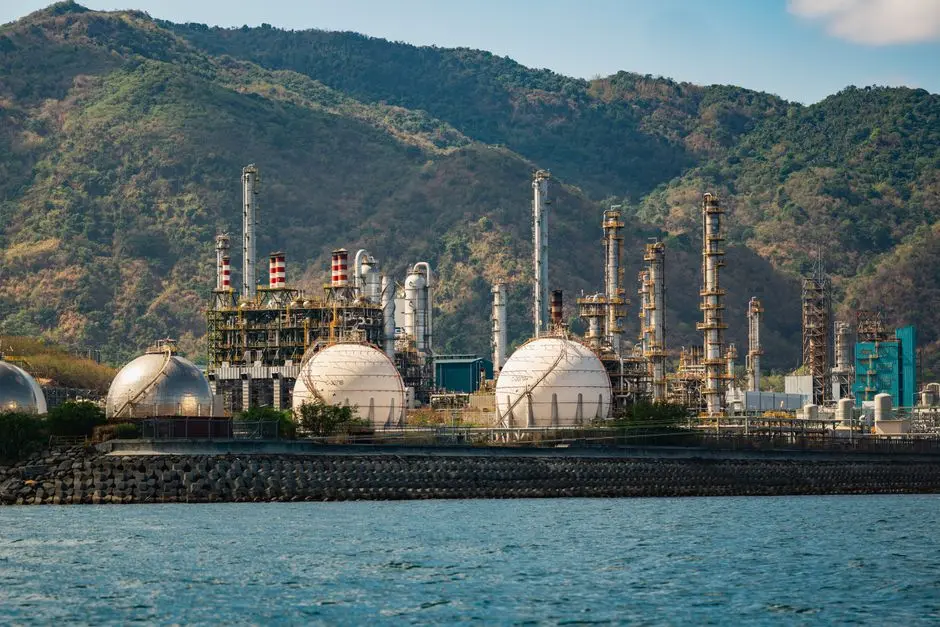
The practical distinction is the treatment objective: oil and solids separation points toward a DAF-led package, while a broader set of chemical, biological and final-treatment requirements points toward a full ETP. Neither label defines performance by itself, and no option guarantees a regulatory result.
| Option | Primary objective | Typical treatment scope | Solids-handling implication | Information still required |
|---|---|---|---|---|
| DAF-led solution | Oil, FOG and suspended-solids separation | Equalization, screening, relevant pH and flocculation control, DAF and sludge collection | Float and sludge removal still require a named route | Representative contaminants, flow profile, reuse or discharge target, chemical demand and site utilities |
| Full ETP | Coordinated treatment of multiple wastewater objectives | Equalization, chemical control, flocculation, biological treatment and final treatment or reuse steps | Sludge production and dewatering depend on the selected biological and solids-separation stages | Full wastewater profile, final specification, operating schedule, sludge destination and compliance route |
| Combined ETP with DAF pretreatment | Remove oil and solids before biological or polishing treatment | DAF followed by the biological, polishing or disinfection stages required by the target | DAF reduces the load on downstream treatment, but generates float that must be handled | Proof that DAF pretreatment is compatible with downstream biology, membranes and the final water quality |
A DAF-led solution is strongest where the project objective matches the oil-and-solids separation described by S1 and the contaminants listed in the HydropureWater DAF catalogue. A full ETP is the broader platform when equalization, chemical control, flocculation, biological treatment and final treatment or reuse steps must be coordinated. A combined ETP with DAF pretreatment is often the engineering arrangement when DAF removes oil and solids before biological treatment, reducing its load as stated in S1, Dissolved Air Flotation (DAF) Plant (2022).
Chemical dosing is a separate design question. If coagulant, flocculant, pH adjustment or specialty chemicals are required, request a PLC-controlled chemical dosing system and require the skid to be specified as pre-wired and factory-tested. The supplier should still define chemical type, dose range, storage, duty and control response from the wastewater results.
For industrial wastewater compliance, state the receiving route explicitly in the quotation: sewer discharge, treatment at a receiving facility, direct environmental discharge or internal reuse. The applicable permit and final acceptance basis must come from the responsible authorities or qualified local compliance specialists; the supplied research does not establish universal Taiwan or Kaohsiung effluent limits.
Size the system from peak flow and representative wastewater data
Average daily flow is not a sufficient design basis for a factory wastewater package. Peak hydraulic load, batch discharges and contaminant loading can determine whether equalization, recycle capacity and treatment equipment are adequate. The HydropureWater DAF selection range is 4–300 m³/h across 13 standard models, but this is a catalogue constraint to check, not the correct capacity for a Kaohsiung factory.
| Design input | What the supplier needs | Why it affects selection |
|---|---|---|
| Average and peak flow | Flow by wastewater stream, operating hours, shift pattern and batch-dump sequence | Defines hydraulic duty and equalization needs |
| Representative wastewater | TSS, oil and grease, FOG, pH and process-specific contaminant results | Defines separation objectives, chemical demand and contaminant loading |
| Waste-return behavior | Return flows, recycle-water demand and expected operating changes | Checks internal hydraulic balance and treatment capacity |
| Future production | Planned production changes and expansion assumptions | Prevents immediate resizing after installation |
| Solids handling | Expected float or sludge quantity, storage and dewatering route | Determines whether solids equipment must be included in the package |
Require samples across production conditions. Decide whether grab samples, time-based composites or both are needed so the data represent normal operation, cleaning, batch dumps and upset conditions. Include equalization volume, waste-return behavior, recycle-water demand and future production changes in the sizing review.
Require the supplier to confirm hydraulic loading, contaminant loading, flotation performance and chemical demand against the submitted wastewater data. Do not use an unsupported universal sizing ratio, and do not infer that a model within the 4–300 m³/h catalogue range is automatically adequate.
Where rags, plastics, fibrous debris or suspended solids could overload downstream pumps or biological processes, include mechanical screening in the scope. The rotary mechanical bar screen should be assessed against debris type, peak flow and the selected treatment train. The industrial dissolved air flotation system should be checked against the same peak-flow and wastewater basis.
Plan sludge, reuse and compliance before ordering equipment
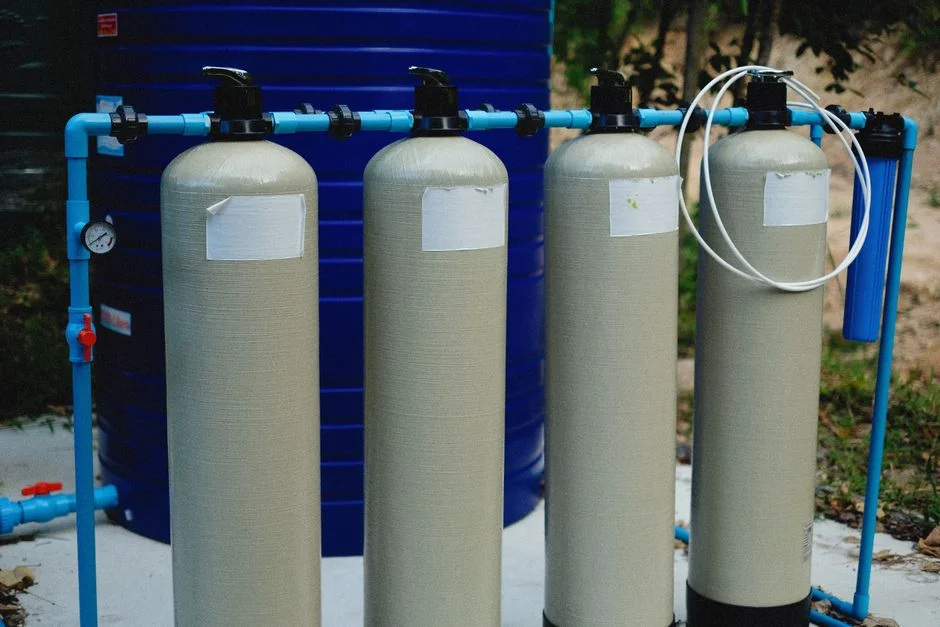
DAF separates material; it does not eliminate the obligation to manage the separated solids. S1, Dissolved Air Flotation (DAF) Plant (2022), states that DAF supports biosolids thickening and sludge thickening or removal. Require a named route for DAF float, settled solids and chemical residues, including collection, storage, dewatering and final disposition or reuse.
For industrial sludge dewatering, the plate and frame filter press catalogue covers filtration areas from 1–500 m² and manual, hydraulic or fully automatic PLC-controlled operation. These are catalogue options, not a factory recommendation. The selected method should follow the sludge characteristics, expected solids production, operating hours, filtrate destination and required cake condition.
Do not group all disposal routes under the word “discharge.” A sewer discharge, treatment at a receiving facility, direct environmental discharge and internal reuse each require a different design and compliance basis. For internal reuse, state the end use, required water-quality specification, monitoring frequency and whether filtration, biological treatment or disinfection is required. DAF may provide useful pretreatment, but reuse acceptance cannot be inferred from its application in a catalogue.
Ask the project team or qualified local compliance specialist to confirm the applicable Kaohsiung permit, sewer discharge conditions and other Taiwan regulatory obligations with the responsible authorities. Require the supplier to identify which permit or sewer conditions its proposed performance statement assumes. Without that information, do not accept a general removal claim as evidence of industrial wastewater compliance.
Build a supplier-ready selection and RFQ checklist
A comparable RFQ should force each supplier to expose the process basis, equipment boundary and conditions behind its price. Attach the wastewater analysis, flow data, production schedule, reuse or discharge target, site constraints and electrical availability. State whether the samples are grab samples or composites, and identify every batch dump or abnormal discharge.
- Require a treatment-train diagram with clear boundaries for equalization, screening, pH control, flocculation, DAF, biological treatment, polishing, disinfection and sludge dewatering.
- Request the proposed equipment duty, materials of construction, control philosophy, automatic skimming or solids-removal arrangement, maintenance access, utilities, spare parts and local service support.
- Ask for a mass and hydraulic balance that addresses average flow, peak flow, equalization, recycle water, waste return and sludge flow.
- Request performance criteria tied to the submitted wastewater, the controls narrative, commissioning tests and a defined acceptance-test method.
- Require every removal claim to state its assumptions, test method and exclusions; treat performance as conditional on representative influent data.
- Ask for a commissioning plan, operator training scope, maintenance schedule, critical spares, controls interface and local support responsibility.
Separate quotation items that can alter process performance: DAF capacity, recycle system, chemical storage and dosing, screen, equalization, biological or membrane equipment, polishing, disinfection, sludge handling, controls, utilities and installation. A low equipment price that omits those boundaries may not be comparable.
For the next specification step, use the 2026 DAF engineering specifications and decision framework to develop the process criteria, cost basis and acceptance questions. If the factory is evaluating an oil separator as an alternative, compare DAF and API separator mass balances before accepting either equipment arrangement.
Frequently Asked Questions
Is DAF alone enough for industrial wastewater in Kaohsiung?
DAF is most appropriate as an oil, FOG and solids-removal stage. Biological treatment, filtration, disinfection or additional polishing may still be required, depending on the final reuse or discharge specification. The supplier should map those stages and identify any remaining compliance obligations.
How should a factory size an ETP or DAF system?
Start with average and peak flow for each stream, then add representative TSS, oil and grease, FOG, pH and process-specific contaminant results. HydropureWater's DAF catalogue spans 4–300 m³/h across 13 models, but model selection must be checked against peak hydraulic and contaminant loading rather than catalogue range alone.
How should procurement compare treatment suppliers?
Prioritize a transparent mass and hydraulic balance, a performance basis tied to the submitted wastewater, defined controls and solids scope, commissioning and acceptance tests, and local service capability. A generic removal percentage or product claim is less useful than a supplier's stated assumptions, test method and exclusions.
What should be checked before accepting a supplier's compliance statement?
Ask the supplier to identify the applicable Kaohsiung permit or sewer conditions, the receiving route and the acceptance basis for the proposed equipment. The supplied research does not establish a universal Taiwan effluent limit, so the buyer must obtain applicable requirements from the responsible authorities or qualified local compliance specialists.