Why Nakuru Factories Need Industrial Wastewater Treatment in 2025
Industrial wastewater treatment in Nakuru is governed by NEMA’s 2024 effluent standards, which mandate limits of 50 mg/L BOD, 100 mg/L COD, and 0.5 mg/L chromium for tanneries. For facility managers in the Nakuru industrial corridor, these regulations represent a significant shift from previous years, as NEMA Gazette Notice No. 1234/2024 has introduced stricter enforcement protocols for 2025. Nakuru’s Njoro Sewage Works processes 90% industrial effluent from key sectors like food processing, tanneries, and oil refining, but the Nakuru Water and Sanitation Services Company (NAWASSCO) now mandates that all factories provide secondary pre-treatment before discharge into the municipal line. Failure to meet these pre-treatment standards results in heavy penalties, ranging from KSh 1 million to KSh 5 million, or immediate facility shutdowns, as evidenced by NEMA’s 2023 enforcement data in the Rift Valley region.
The urgency for robust treatment systems is particularly high for major players like Bidco (edible oil), Nakuru Tanners, and Menengai Oil Refinery. These facilities produce high-strength wastewater that the Njoro works cannot process alone; for example, typical effluent from edible oil refining can reach 1,200 mg/L COD and 300 mg/L fat, oil, and grease (FOG). To bridge this gap, factories are increasingly adopting DAF systems for Nakuru’s food processing and oil refining industries, which are capable of removing 92–97% of COD at a capital cost of KSh 8M–15M. A recent implementation at the Menengai Oil Refinery demonstrated the efficacy of this approach, successfully reducing oil and grease levels from 200 mg/L to below the 10 mg/L NEMA threshold using a multi-stage dissolved air flotation process.
| Parameter | NEMA 2024 Standard (Discharge to Sewer) | NEMA 2024 Standard (Environment) | Typical Nakuru Industrial Influent |
|---|---|---|---|
| BOD (mg/L) | 500 | 50 | 300 - 1,500 |
| COD (mg/L) | 1,000 | 100 | 800 - 3,500 |
| Oil & Grease (mg/L) | 100 | 10 | 50 - 400 |
| Chromium (mg/L) | 2.0 | 0.5 | 5 - 50 (Tanneries) |
| TSS (mg/L) | 600 | 30 | 200 - 2,000 |
Step 1: Characterize Your Industrial Effluent in Nakuru
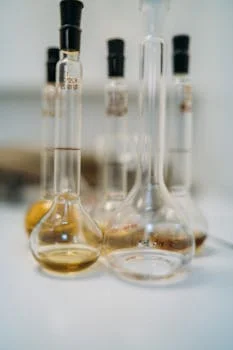
Effective wastewater system design in Nakuru begins with characterizing effluent according to KS 1555:2019 standards, which define the required laboratory testing methods for industrial pollutants. Facility managers must move beyond basic pH testing to include Biochemical Oxygen Demand (BOD), Chemical Oxygen Demand (COD), Total Suspended Solids (TSS), and specific heavy metals like chromium or lead depending on the sector. In Nakuru, effluent profiles vary drastically: tanneries deal with high chromium and sulfide loads, while food processors like Bidco manage high FOG and organic matter. Accurately mapping these concentrations ensures that the selected equipment, such as automated dosing systems for Nakuru’s pH adjustment and metal precipitation, is sized correctly for the peak pollutant load.
To remain compliant with NEMA’s 2025 reporting requirements, factories must implement a rigorous sampling protocol. While grab samples provide a snapshot, NEMA requires composite samples—collected over a 24-hour period—to account for fluctuations in production cycles. Sampling points should be strategically located at the raw influent pipe, after the primary pre-treatment unit, and at the final discharge point. For reliable data, facilities should utilize NEMA-accredited laboratories in Nakuru, such as the NAWASSCO Central Laboratory or private accredited firms, to conduct weekly or monthly testing. Avoiding common mistakes, such as cross-contamination of samples or failing to stabilize temperature-sensitive parameters, is critical for maintaining an accurate compliance log.
| Industry Sector | Primary Pollutants | Average COD (mg/L) | Average TSS (mg/L) | Specific Challenge |
|---|---|---|---|---|
| Food Processing (Edible Oils) | FOG, Organics, pH | 1,200 - 2,500 | 400 - 800 | High emulsified oils |
| Tanneries | Chromium, Sulfides, TDS | 2,000 - 4,000 | 1,500 - 3,000 | Toxic heavy metals |
| Oil Refining | Hydrocarbons, Phenols | 800 - 1,500 | 200 - 500 | Variable oil loading |
Step 2: Select the Right Treatment Technology for Nakuru’s Industries
The selection of treatment technology for Nakuru’s industrial corridor is determined by the specific chemical oxygen demand (COD) and fat, oil, and grease (FOG) concentrations of the influent. For industries focused on grease and suspended solids removal, such as oil refineries and snack food manufacturers, Dissolved Air Flotation (DAF) is the engineering standard. DAF systems operate by introducing micro-bubbles that attach to particles, floating them to the surface for mechanical skimming. These systems achieve 92–97% COD removal and 99% FOG removal. When evaluating DAF vs. sedimentation for Nakuru’s industrial effluents, DAF offers a much smaller footprint (20–50 m²) and higher efficiency for light solids that do not settle easily.
For facilities requiring high-purity discharge or water reuse, such as beverage plants or tanneries aiming for zero-liquid discharge, MBR systems for Nakuru’s high-strength industrial wastewater are the preferred solution. Membrane Bioreactors combine biological treatment with ultrafiltration, delivering effluent with BOD levels below 1 mg/L and near-zero pathogens. While the capital cost is higher—ranging from KSh 20M to KSh 50M—the footprint is minimal (10–30 m²), and the water quality often meets standards for cooling tower make-up or floor washing. This is particularly relevant when comparing how high-tech regions handle MBR ROI, as Nakuru's rising water tariffs make reuse increasingly attractive.
| Technology | Best For | Removal Efficiency (COD) | Capex (KSh) | Footprint |
|---|---|---|---|---|
| DAF | Oil, Grease, TSS | 90% - 97% | 8M - 15M | Small |
| MBR (DF Series) | High BOD, Reuse | 95% - 99% | 20M - 50M | Very Small |
| Conventional Activated Sludge | Mixed Domestic/Industrial | 80% - 90% | 5M - 10M | Large |
Step 3: Navigate Nakuru’s Wastewater Compliance Requirements
NEMA’s 2024 compliance roadmap for Nakuru requires factories to obtain an Effluent Discharge License (EDL) following a mandatory Environmental Audit (EA) or Environmental Impact Assessment (EIA). The permit process typically takes 6 to 12 months and involves a detailed submission of the treatment plant's engineering designs, expected effluent quality, and a monitoring plan. In addition to national NEMA standards, Nakuru-based industries must coordinate with NAWASSCO for sewer connection permits. NAWASSCO enforces its own pre-treatment requirements to protect the biological processes at the Njoro Sewage Works, often requiring industries to install flow meters and sampling ports that are accessible to municipal inspectors at any time.
During a NEMA inspection, officers look for three primary indicators of compliance: functional treatment equipment, up-to-date maintenance logs, and consistent effluent test reports from accredited labs. To streamline this, facility managers should maintain a daily logbook recording pH, flow rates, and chemical consumption. Missing or falsified reports can lead to fines of KSh 200,000 to KSh 1,000,000. A successful case study in Nakuru involves Bidco's edible oil facility, which achieved full NEMA compliance by integrating a DAF system into their pre-treatment line. By consistently meeting the <100 mg/L COD limit for sewer discharge, they avoided the recurring penalties that previously impacted their operational budget, proving that technical compliance is a direct driver of fiscal stability.
Step 4: Estimate Costs and ROI for Nakuru Factories
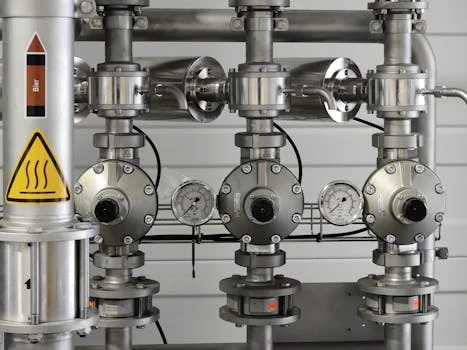
Capital expenditure for industrial wastewater systems in Nakuru typically ranges from KSh 8 million for basic DAF units to over KSh 50 million for advanced MBR plants, depending on flow volume and target effluent quality. Beyond the initial equipment purchase, factories must budget an additional 20–30% for civil works, including equalization tanks, piping, and electrical integration. Operational costs (Opex) are a significant factor in long-term viability; for a 50 m³/h system, energy costs can range from KSh 300,000 to KSh 1.2 million annually, while chemical coagulants and polymers typically add KSh 200,000 to KSh 500,000 per year. Understanding the wastewater treatment plant cost in nearby regions like Kigali can provide a useful benchmark for Nakuru's procurement teams when negotiating with regional vendors.
The Return on Investment (ROI) for these systems is calculated by totaling the avoided NEMA fines, reduced sewer surcharges from NAWASSCO, and the value of recovered water or materials. For example, a Nakuru tannery processing 200 m³ of effluent daily might face KSh 3 million in annual fines for chromium non-compliance. By installing a KSh 12 million DAF and chemical precipitation system, the facility can eliminate these fines and potentially recover chromium for reuse. In this scenario, the system pays for itself in approximately three to four years. To assist procurement teams, HydropureWater provides ROI templates that factor in Nakuru’s specific electricity rates and chemical costs, ensuring that the financial justification for the upgrade is as robust as the engineering design.
| Cost Category | DAF System (50 m³/h) | MBR System (50 m³/h) | Conventional System |
|---|---|---|---|
| Capital Cost (Capex) | KSh 8M - 15M | KSh 20M - 50M | KSh 5M - 10M |
| Annual Energy Cost | KSh 500,000 | KSh 1,200,000 | KSh 300,000 |
| Annual Chemical Cost | KSh 400,000 | KSh 200,000 | KSh 250,000 |
| Annual Maintenance | KSh 300,000 | KSh 800,000 | KSh 400,000 |
Step 5: Choose a Wastewater Treatment Equipment Supplier in Nakuru
Selecting an equipment supplier for Nakuru-based projects requires verification of NEMA-certified engineering designs and the availability of local technical support for the 2025-2030 regulatory period. A common mistake among procurement teams is selecting vendors based solely on the lowest initial bid without evaluating after-sales support. In Nakuru’s harsh industrial environments, the ability to source spare parts—such as DAF pump seals or MBR membrane modules—within 48 hours is the difference between continued production and a costly shutdown. When evaluating suppliers, request a list of local references in Nakuru or Nairobi and verify their history of passing NEMA effluent inspections. Insights from equipment suppliers in other emerging markets like Ghana show that performance guarantees are the most critical part of any vendor contract.
Red flags during the vendor selection process include a lack of local presence, vague performance guarantees regarding NEMA limits, and the absence of detailed effluent test reports from previous installations. A reliable supplier should offer a comprehensive package that includes operator training, a one-year maintenance agreement, and a clear performance bond. For Nakuru’s specialized sectors, such as tanneries, it is also beneficial to look at how Kerala’s tanneries handle chromium limits using similar imported technologies. By choosing a partner like HydropureWater, which specializes in DAF and MBR systems tailored for East African industrial profiles, Nakuru factories can ensure their 2025 compliance goals are met with precision and reliability.
Frequently Asked Questions
Q: What are the NEMA effluent limits for industrial wastewater in Nakuru?
A: For discharge into the environment, the limits are BOD <50 mg/L, COD <100 mg/L, chromium <0.5 mg/L (for tanneries), and oil & grease <10 mg/L. These are mandated by NEMA Gazette Notice No. 1234/2024.
Q: How much does a DAF system cost in Nakuru?
A: A 50 m³/h DAF system typically costs between KSh 8 million and KSh 15 million for the equipment, with an additional 20% for installation and civil works. Operational costs average KSh 500,000 per year.
Q: Can I discharge untreated industrial wastewater into Nakuru’s sewer system?
A: No. Both NEMA and NAWASSCO require mandatory pre-treatment. Discharging untreated waste can lead to fines of up to KSh 5 million and immediate disconnection from the municipal sewer line.
Q: What’s the best wastewater treatment technology for a Nakuru tannery?
A: DAF combined with chemical precipitation is the most effective for chromium removal (achieving >95% efficiency). For factories looking to reuse water, an MBR system is recommended to achieve the highest effluent purity.
Q: How long does it take to get a NEMA permit in Nakuru?
A: The process generally takes 6 to 12 months. It requires an Environmental Impact Assessment (EIA), detailed engineering drawings of the treatment system, and baseline effluent test reports.