Why Kigali’s Wastewater Infrastructure Is a 2025 Priority
Kigali's wastewater treatment plant costs for 2025 range from Rwf50 million for a 10 m³/day package plant to Rwf500 million+ for a 500 m³/day municipal facility. Key drivers include compliance with Rwanda’s NEMA standards (TSS <30 mg/L, BOD <25 mg/L), energy efficiency (0.3–0.6 kWh/m³), and footprint constraints. For example, a 100 m³/day MBR system costs ~Rwf120M with 95% BOD removal, while a conventional activated sludge plant at the same capacity costs ~Rwf90M but requires 30% more land. Local factors like sludge disposal (Rwf200–500/ton) and labor (Rwf500,000/month for operators) add 15–25% to OPEX.
Kigali’s population grew at an average annual rate of 4.5% between 2018 and 2023, significantly outpacing the expansion of the formal sewage network according to Rwanda Housing Authority 2024 data. This rapid urbanization has created a critical infrastructure gap where only approximately 15% of the city's wastewater receives formal treatment. The remaining volume is largely discharged into the environment via septic tanks or direct runoff, leading to increased regulatory pressure from the National Environment Management Authority (NEMA). For industrial facility managers, the cost of inaction has risen; the 2025 NEMA fine schedule, confirmed in Rwanda Gazette No. 34/2024, mandates penalties of Rwf5M to Rwf20M per violation for non-compliant discharge.
A recent case in Kigali’s industrial zone illustrates the financial risk of non-compliance. A mid-sized textile factory incurred Rwf12M in environmental fines within a single fiscal year due to high chemical oxygen demand (COD) levels. By investing in a compact WSZ package plant for Kigali’s space-constrained sites, the facility eliminated fine-related losses and qualified for a 30% tax rebate on the equipment investment, a provision currently offered by the Rwanda Revenue Authority to encourage industrial environmental compliance. This shift from reactive fine payment to proactive asset investment is becoming the standard for Kigali’s 2025 project cycles.
Wastewater Treatment Plant Types for Kigali: Engineering Specs and Use Cases
Centralized municipal plants in Kigali, such as the Rwf45 billion Kigali Sewerage Project, typically employ large-scale activated sludge or Membrane Bioreactor (MBR) technologies to handle volumes exceeding 500 m³/day. However, for decentralized applications like hotels, hospitals, and industrial parks, package plants ranging from 10 to 500 m³/day offer a more viable footprint-to-performance ratio. These systems, particularly the WSZ series, utilize anoxic and aerobic stages to achieve high nutrient removal within a footprint as small as 20 to 100 square meters. For facilities requiring high-quality effluent for irrigation, an MBR system for near-reuse-quality effluent in Kigali’s industrial zones provides superior filtration, reducing Total Suspended Solids (TSS) to less than 5 mg/L.
Engineering specifications vary significantly across these technologies. While conventional activated sludge systems are cheaper to install (Rwf90M for 100 m³/day), they produce 0.2–0.4 kg of sludge per cubic meter of treated water and require larger clarifiers. In contrast, MBR systems produce only 0.1–0.2 kg/m³ of sludge and operate at higher mixed liquor suspended solids (MLSS) concentrations, allowing for a 30-50% reduction in civil works requirements. Energy consumption is another critical trade-off: MBR systems typically consume 0.6–0.8 kWh/m³ due to membrane scouring air requirements, whereas simpler package plants can operate as low as 0.2–0.4 kWh/m³.
| Parameter | Activated Sludge (Centralized) | WSZ Package Plant | MBR Integrated System |
|---|---|---|---|
| Capacity Range | 500 - 10,000+ m³/day | 10 - 500 m³/day | 10 - 2,000 m³/day |
| BOD Removal | 85 - 90% | 90 - 92% | 95 - 99% |
| TSS Effluent | <30 mg/L | <20 mg/L | <5 mg/L |
| Energy Use | 0.3 - 0.5 kWh/m³ | 0.2 - 0.4 kWh/m³ | 0.6 - 0.8 kWh/m³ |
| Footprint | Large (Clarifiers needed) | Compact (20-60 m²) | Minimal (Membrane tank) |
Specialized applications, such as faecal sludge treatment from septic tank waste, often utilize anaerobic digestion combined with drying beds. The $8M Kigali faecal sludge project targets these specific waste streams from informal settlements. For industrial sites with high oil and grease content, Dissolved Air Flotation (DAF) is integrated as a pretreatment step to ensure the downstream biological systems maintain efficiency and prevent membrane fouling in MBR configurations.
Kigali Wastewater Treatment Plant Costs 2025: Benchmarks and Budget Drivers

Capital Expenditure (CAPEX) for wastewater treatment in Kigali is influenced by equipment importation costs, local civil works, and the specific technology selected. As of 2025, a 10 m³/day package plant (WSZ series) typically requires an investment of Rwf50M to Rwf70M. Scaling up to a 50 m³/day system costs between Rwf90M and Rwf120M, depending on whether MBR or conventional biological treatment is utilized. For larger centralized facilities at 500 m³/day, budgets should account for Rwf450M to Rwf600M, which includes comprehensive sludge handling and advanced aeration controls. The cost benchmarks in Lahore provide a useful comparison to Kigali’s 2025 market, as both regions face similar challenges in decentralized infrastructure scaling, as seen in this analysis.
Operating Expenditure (OPEX) is primarily driven by energy, labor, and chemical costs. With Rwanda Energy Group (REG) 2024 tariffs at approximately Rwf180/kWh, energy costs range from Rwf50 to Rwf150 per cubic meter of treated water. Labor costs in Kigali for a qualified operator average Rwf500,000 per month; most small-to-medium plants require one to two operators per shift. Additionally, NEMA-approved sludge disposal at designated landfills costs between Rwf200 and Rwf500 per ton. To ensure long-term compliance, facilities must also budget for disinfection; an on-site ClO₂ generator for NEMA-compliant disinfection in Kigali can reduce the logistics costs associated with transporting liquid chlorine.
| Plant Capacity (m³/day) | Estimated CAPEX (Rwf) | Annual OPEX (Rwf) | Primary Cost Driver |
|---|---|---|---|
| 10 m³ (Package) | 50M - 70M | 6M - 8M | Equipment Import & VAT |
| 50 m³ (MBR) | 95M - 130M | 12M - 15M | Membrane Replacement/Energy |
| 100 m³ (WSZ) | 110M - 150M | 18M - 22M | Civil Works & Aeration |
| 500 m³ (Centralized) | 450M - 600M | 50M - 70M | Sludge Dewatering & Labor |
Local cost drivers often overlooked include land prices and permitting fees. In Kigali's industrial zones, land costs range from Rwf50,000 to Rwf100,000 per square meter, making compact or underground systems highly attractive. Environmental Impact Assessments (EIA) and NEMA permitting can add Rwf2M to Rwf5M to the initial project budget. Equipment is subject to 18% VAT and a 10% import duty, though some industrial exemptions may apply through the Rwanda Development Board (RDB).
Kigali Compliance Checklist: NEMA Standards and Permitting Process
NEMA effluent standards for 2025 are strictly enforced, particularly for discharge into surface water bodies or public drains. The 30-day average for Biological Oxygen Demand (BOD) must remain below 25 mg/L, with a daily maximum not exceeding 40 mg/L. Total Suspended Solids (TSS) are capped at a 30-day average of 30 mg/L. For facilities looking toward water reuse—such as irrigation for green spaces—E. coli levels must be maintained below 1,000 CFU/100mL. Failure to meet these parameters can result in immediate stop-work orders or escalating fines. Engineers can reference Turkey’s package plant case studies for Kigali buyers to understand how similar standards are met through modular engineering.
The permitting process in Kigali typically spans 6 to 12 months and involves multiple stakeholders. It begins with an EIA report conducted by a NEMA-approved consultant, costing between Rwf1M and Rwf3M. This is followed by a technical review which, for plants exceeding 100 m³/day, may require pilot testing data to validate the design's effectiveness in the local climate. Once NEMA provides the environmental clearance, the City Council must approve the land use, and WASAC (Water and Sanitation Corporation) must approve any connection to the existing sewer network, which carries a standard fee of approximately Rwf500,000.
Common pitfalls in the Kigali market include underestimating the timeline for EIA approval and ignoring sludge disposal regulations. NEMA requires a signed contract with a licensed sludge disposal company before an operating permit is granted. A notable instance involved a Kigali hotel project that faced an 8-month delay because the initial EIA did not adequately address the noise and odor mitigation for its proximity to residential areas. Proactive engagement with NEMA-approved consultants and selecting equipment with built-in odor control modules are essential for timely project delivery.
ROI Calculator: Justifying Your Kigali Wastewater Treatment Investment
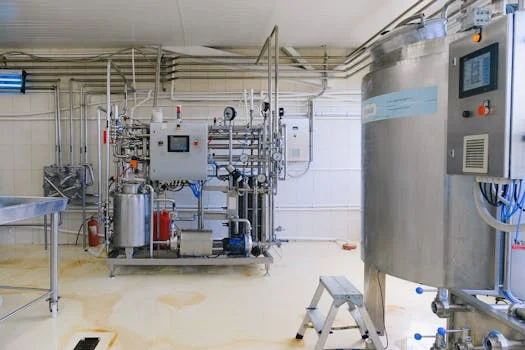
Calculating the Return on Investment (ROI) for a wastewater treatment plant in Kigali involves balancing the high initial CAPEX against long-term savings in fines, water tariffs, and tax incentives. The formula used by municipal engineers is: (Annual Savings + Revenue - OPEX) / CAPEX. For industrial projects, a target ROI of 3 to 5 years is considered excellent, while municipal projects typically aim for 7 to 10 years. In Kigali, the 30% tax rebate on environmental equipment from the Rwanda Revenue Authority is a significant "Day 1" return that reduces the effective CAPEX immediately.
Annual savings are primarily derived from avoided NEMA fines (ranging from Rwf5M to Rwf20M per year) and water reuse. With WASAC 2024 tariffs for industrial water ranging from Rwf800 to Rwf1,200 per m³, reusing treated effluent for cooling towers or irrigation can save a 100 m³/day facility up to Rwf15M annually. Additionally, some plants generate modest revenue from the sale of treated sludge as compost, which can fetch Rwf50 to Rwf100 per ton in the local agricultural market. Carbon credits through the Rwanda Green Fund are also becoming a viable revenue stream for plants that utilize anaerobic digestion to capture methane.
| ROI Input Factor | <
|---|