Why Industrial Wastewater Treatment in Wales is Different
Industrial wastewater treatment in Wales UK presents a unique set of challenges and regulatory considerations that distinguish it from other regions of the United Kingdom. A primary driver is the stringent enforcement of trade effluent consents by Natural Resources Wales (NRW), which often mandate higher removal efficiencies for parameters like Total Suspended Solids (TSS) and Chemical Oxygen Demand (COD) compared to those found in England. Specifically, NRW guidelines typically require TSS removal of 92-97% and COD reduction to below 50 mg/L for most manufacturing processes. This elevated standard is further compounded by the operational realities of Welsh Water’s extensive infrastructure. With 832 treatment works across Wales, the network is operating at approximately 95% capacity, and a significant proportion, around 40% of sites, are reported to be exceeding their design loads (Welsh Water 2023 Annual Report). This strain on public infrastructure increasingly necessitates robust on-site wastewater treatment solutions, particularly for Dissolved Air Flotation (DAF), Membrane Bioreactor (MBR), and sludge dewatering systems, with capacities ranging from 10 to 500 m³/h.
the post-Brexit regulatory landscape in Wales maintains a closer alignment with pre-existing EU-derived environmental standards, such as the Urban Waste Water Treatment Directive 91/271/EEC. Unlike England, which has seen some relaxation of these standards, Wales continues to uphold these stringent requirements, directly influencing permit applications and the selection of appropriate treatment technologies. The industrial landscape of Wales, with a significant concentration in food processing (35%), chemicals (25%), and pharmaceuticals (15%), dictates a demand for specific treatment approaches. For instance, food processing plants frequently require effective removal of Fats, Oils, and Grease (FOG), making DAF systems a common necessity, while the pharmaceutical sector often needs advanced treatment for complex organic compounds, favouring MBR technology.
| Factor | Wales-Specific Detail | Impact on Treatment Design |
|---|---|---|
| Regulatory Body | Natural Resources Wales (NRW) | Stricter consent limits (e.g., lower TSS, COD thresholds) |
| Public Infrastructure Capacity | Welsh Water Treatment Works at 95% capacity; 40% exceeding design loads | Increased need for on-site pre-treatment and advanced treatment systems |
| Environmental Standards | Retains EU-derived standards (e.g., UWWTD 91/271/EEC) | Higher compliance burden for organic and nutrient removal |
| Dominant Industries | Food Processing, Chemicals, Pharmaceuticals | Demand for specific technologies (DAF for FOG, MBR for complex organics) |
| Geographic Constraints | Key industrial zones (Deeside, Port Talbot, Swansea, Newport) near capacity-limited WWTPs | Requires efficient, space-saving treatment solutions |
Wales-Specific Regulatory and Compliance Framework
Navigating the regulatory landscape is paramount for any industrial facility in Wales aiming for compliant wastewater discharge. Natural Resources Wales (NRW) is the primary environmental regulator, responsible for issuing and enforcing trade effluent consents. The application process for these consents typically involves a detailed submission of proposed discharge volumes, pH levels, TSS, COD, BOD, and any specific metal concentrations. While the average approval time is between 8 to 12 weeks, proactive engagement and accurate pre-treatment data can expedite this. Welsh Water sets the specific discharge standards that industrial sites must meet before their effluent enters the public sewer network. These standards, based on Welsh Water’s 2024 guidelines, commonly stipulate limits of less than 30 mg/L for TSS, less than 125 mg/L for COD, and less than 10 mg/L for FOG for industrial discharges.
Crucially, Wales continues to adhere to key EU-derived environmental directives that have been retained post-Brexit. These include the Urban Waste Water Treatment Directive 91/271/EEC, which sets standards for the collection and treatment of urban wastewater, and the Industrial Emissions Directive 2010/75/EU, which governs pollution prevention and control from industrial activities. The Drinking Water Directive 98/83/EC also indirectly influences discharge standards as it sets the quality of water intended for human consumption. These retained directives mean Wales maintains a more rigorous environmental framework than England in certain aspects, impacting permit requirements and the performance expectations of treatment systems. Beyond environmental permits, industrial sites must also consider Building Control and planning permission requirements for the installation of on-site treatment systems, which may include stipulations on noise levels and minimum separation distances from residential areas.
A practical example of proactive compliance is evident in Port Talbot, where a food processing plant significantly streamlined its consent application process. By implementing a DAF system to pre-treat its wastewater and effectively meet Welsh Water’s strict TSS limits, the plant reduced its consent application time by 50%, avoiding potential delays and associated costs. Such pre-treatment measures are often essential for securing timely approvals and ensuring ongoing operational compliance.
| Parameter | NRW Requirement (General) | Welsh Water Limit (Typical) | Impact |
|---|---|---|---|
| TSS (mg/L) | < 30 | < 30 | Requires effective solids separation (e.g., DAF, sedimentation) |
| COD (mg/L) | < 50 (for many processes) | < 125 | Necessitates biological or advanced oxidation treatment |
| BOD (mg/L) | (Often linked to COD) | < 25 (typical) | Indicates need for biological treatment stages |
| pH | 5.5 - 9.0 | 6.0 - 9.0 | Requires pH correction systems |
| FOG (mg/L) | (Specific limits apply) | < 10 | Critical for food processing; DAF highly effective |
| Heavy Metals (µg/L) | (Specific limits vary by metal) | (Specific limits vary by metal) | Requires specialised chemical precipitation or ion exchange |
Industrial Wastewater Characteristics in Wales: Influent and Effluent Specs
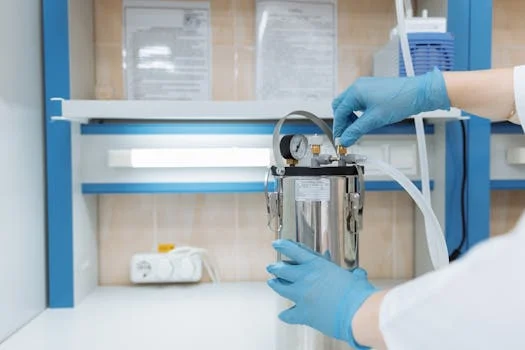
Understanding the precise characteristics of industrial wastewater influent is the cornerstone of designing an effective and compliant treatment system in Wales. The variability in influent quality across different manufacturing sectors necessitates a tailored approach. For instance, food processing plants often exhibit high levels of FOG, suspended solids, and biochemical oxygen demand (BOD) due to organic waste, while chemical manufacturing can introduce a wider spectrum of dissolved organic compounds, heavy metals, and variable pH levels. Pharmaceutical production, on the other hand, may contend with complex, recalcitrant organic molecules and residual active pharmaceutical ingredients (APIs).
As per NRW 2024 data and typical industry profiles, influent wastewater characteristics can vary significantly. Food processing wastewater might show TSS levels ranging from 500-2000 mg/L, COD from 1000-5000 mg/L, and FOG from 100-500 mg/L, with pH often near neutral. Chemical industry wastewater can be more unpredictable, with TSS potentially from 50-1000 mg/L, COD from 200-3000 mg/L, and pH levels that could be highly acidic or alkaline depending on the specific processes. Pharmaceutical wastewater can have TSS from 20-500 mg/L, COD from 300-2000 mg/L, and may contain specific contaminants requiring specialised removal.
To meet the stringent effluent requirements set by NRW and Welsh Water, the treated water must achieve significantly lower concentrations. Typical required effluent quality standards mandate TSS below 30 mg/L, COD below 125 mg/L, BOD below 25 mg/L, and a pH maintained between 6 and 9. The challenge lies in designing systems that can consistently achieve these targets, especially when dealing with influent variability. Seasonal peaks in production, such as those common in the food processing sector, can dramatically increase influent loads, requiring treatment systems with sufficient surge capacity or flexible operational modes. Common contaminants like high FOG in food plants necessitate effective grease traps and DAF systems, while heavy metals in chemical wastewater require precipitation or ion exchange processes. Pharmaceutical residues often demand advanced oxidation or biological treatment capable of degrading complex molecules, highlighting the need for careful technology selection.
| Parameter | Food Processing Influent (Typical Range) | Chemical Manufacturing Influent (Typical Range) | Pharmaceutical Influent (Typical Range) | Required Effluent Quality (NRW/Welsh Water) | Removal Challenge |
|---|---|---|---|---|---|
| TSS (mg/L) | 500 – 2000 | 50 – 1000 | 20 – 500 | < 30 | Solids separation, flocculation |
| COD (mg/L) | 1000 – 5000 | 200 – 3000 | 300 – 2000 | < 125 | Biological treatment, advanced oxidation |
| BOD (mg/L) | 500 – 2500 | 100 – 1500 | 150 – 1000 | < 25 | Biological treatment efficiency |
| FOG (mg/L) | 100 – 500 | < 50 | < 20 | < 10 | DAF, gravity separation |
| pH | 6.0 – 8.0 | 2.0 – 11.0 | 5.0 – 9.0 | 6.0 – 9.0 | Neutralisation |
| Heavy Metals (µg/L) | Trace | 100 – 5000 (varies widely) | Trace – 1000 (varies) | Specific limits apply | Precipitation, ion exchange |
Treatment Technologies for Industrial Wastewater in Wales: DAF vs. MBR vs. Sedimentation
Selecting the appropriate wastewater treatment technology is critical for Welsh industries to meet stringent environmental regulations and optimise operational costs. Dissolved Air Flotation (DAF), Membrane Bioreactor (MBR), and sedimentation represent three primary technology categories, each offering distinct advantages for different industrial wastewater profiles. DAF systems are particularly effective for removing FOG and suspended solids, making them ideal for food processing and certain chemical manufacturing applications in Wales. They operate by injecting fine air bubbles into the wastewater, which attach to suspended particles and FOG, causing them to float to the surface for removal. For example, a Swansea-based food processing plant successfully achieved 95% FOG removal using a DAF system, resulting in a 40% reduction in their trade effluent charges. The typical cost for a DAF system in Wales can range from £50,000 to £300,000, depending on capacity and complexity, with moderate energy consumption.
MBR systems, on the other hand, combine biological treatment with membrane filtration, delivering exceptionally high-quality effluent suitable for reuse or discharge to sensitive water bodies. They are highly effective for reducing BOD, COD, and nutrients, and are particularly well-suited for space-constrained sites or where very high effluent standards are required, such as in the pharmaceutical sector. A pharmaceutical manufacturer in Cardiff, for instance, met Welsh Water’s strict COD limits by implementing an MBR system, which also reduced their plant footprint by an estimated 60% compared to conventional activated sludge processes. MBR systems typically have higher capital costs (£100,000–£500,000) and higher energy usage due to the membrane aeration and pumping requirements, but offer superior performance. For more information on MBR systems in the UK, explore this MBR Wastewater Treatment System in UK: 2025 Engineering Guide with Costs, Compliance & ROI.
Sedimentation, particularly lamella clarifiers, offers a more basic yet cost-effective solution for pre-treatment or for sites with less demanding effluent requirements. They rely on gravity to separate solids from the liquid. While offering lower TSS and COD removal efficiencies (around 85% for TSS and 70% for COD) compared to DAF or MBR, they have lower capital costs (£20,000–£100,000) and significantly lower energy consumption. A Port Talbot steel mill utilised a sedimentation tank to achieve an 80% reduction in TSS, thereby lowering downstream treatment costs and reducing the load on the municipal sewer. A comparative analysis of DAF and sedimentation can be found here: DAF vs Sedimentation: 2025 Engineering Comparison with Cost, Efficiency & Compliance Data.
| Parameter | Dissolved Air Flotation (DAF) | Membrane Bioreactor (MBR) | Sedimentation (Lamella Clarifier) |
|---|---|---|---|
| Primary Application | FOG, TSS removal (Food, Chemicals) | BOD/COD, Nutrient removal (Pharma, Urban, Space-constrained) | Primary solids separation (Pre-treatment) |
| TSS Removal (%) | 92 – 97% | 99% (with membrane filtration) | 80 – 85% |
| COD Removal (%) | 70 – 90% (depends on dissolved organics) | 95% + (biological component) | 50 – 70% |
| Footprint | Moderate | Very Small | Large |
| Energy Use | Moderate | High | Low |
| Capital Cost (£) | 50,000 – 300,000 | 100,000 – 500,000 | 20,000 – 100,000 |
| Operational Cost (£/m³) | £0.50 – £1.50 | £1.00 – £2.50 | £0.10 – £0.30 |
| Typical Capacity Range (m³/h) | 10 – 500 | 5 – 200 | 50 – 1000+ |
| HydropureWater Product Example | DAF System | MBR Integrated System | Sedimentation Tank |
Cost Benchmarks for Industrial Wastewater Treatment in Wales (2025)
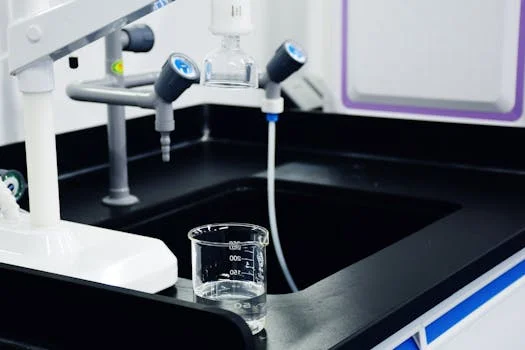
Budgeting for industrial wastewater treatment in Wales requires an understanding of specific cost drivers and realistic financial projections. Capital expenditure (CAPEX) for treatment systems in Wales can range significantly, from approximately £20,000 for basic sedimentation units to over £500,000 for advanced MBR systems, depending on the required capacity, typically from 10 to 500 m³/h. Operational expenditure (OPEX), including energy, chemicals, maintenance, and labour, can add £0.10 to £2.50 per cubic meter of treated wastewater. Several Wales-specific factors influence these costs. Energy prices, currently around 18p/kWh, are higher than in many parts of England, impacting the OPEX of energy-intensive technologies like MBR. The stricter compliance standards necessitate more robust and often more expensive treatment processes. a more limited pool of local suppliers can lead to extended equipment lead times, potentially increasing project timelines by up to 20% and impacting overall project costs.
Calculating the Return on Investment (ROI) is crucial for justifying these expenditures. For example, a Welsh food processing plant that invested £250,000 in a DAF system saw its investment recouped within 2.5 years. This ROI was achieved through substantial reductions in trade effluent charges, which are often levied based on volume, TSS, and COD, and by avoiding potential fines from NRW for non-compliance. Beyond direct cost savings, several funding and grant opportunities exist for Welsh businesses. These include grants from NRW for Industrial Emissions Directive (IED) compliance, the Welsh Government’s Circular Economy Fund, which supports projects promoting resource efficiency, and potential trade effluent charge discounts offered by Welsh Water for sites demonstrating proactive wastewater management and compliance.
| Technology | System Size Range (m³/h) | Estimated Capital Cost (£) | Estimated Operational Cost (£/m³) | Typical Maintenance Requirements | Key Cost Drivers |
|---|---|---|---|---|---|
| Sedimentation Tank | 50 – 1000+ | 20,000 – 100,000 | 0.10 – 0.30 | Low (sludge removal, occasional cleaning) | Size, materials of construction |
| DAF System | 10 – 500 | 50,000 – 300,000 | 0.50 – 1.50 | Moderate (chemical supply, pump/aerator maintenance, sludge removal) | Capacity, automation, chemical dosing |
| MBR System | 5 – 200 | 100,000 – 500,000 | 1.00 – 2.50 | High (membrane cleaning/replacement, biological process monitoring, sludge removal) | Membrane type, aeration, controls, sludge management |
| Overall CAPEX Influences | Site complexity, influent variability, required effluent quality, automation level, installation costs | ||||
| Overall OPEX Influences | Energy tariffs, chemical costs, labour rates, sludge disposal costs, maintenance contracts | ||||
Equipment Selection Framework for Welsh Industrial Sites
Selecting the correct industrial wastewater treatment equipment in Wales requires a systematic approach that considers specific site conditions, regulatory obligations, and economic factors. A decision tree can effectively guide this process. For instance, if influent testing reveals TSS levels exceeding 500 mg/L and FOG concentrations above 100 mg/L, a DAF system is strongly recommended due to its efficacy in removing these specific contaminants, aligning with typical food processing wastewater challenges in Wales. Conversely, if the primary concern is achieving very low COD and BOD levels in a compact footprint, an MBR system would be the preferred choice, particularly relevant for pharmaceutical manufacturers facing space constraints and strict discharge limits.
Before selecting equipment, a thorough checklist of prerequisites is essential. This includes comprehensive influent and effluent testing to accurately characterise the wastewater, a detailed site survey to assess available space, utility connections, and potential environmental impacts, a clear understanding of the specific NRW and Welsh Water consent application requirements, and confirmation of available funding or grant approvals. Common pitfalls in equipment selection include undersizing systems to handle peak production loads, which can lead to non-compliance during busy periods, underestimating the complexity and cost of sludge management, and neglecting the ongoing maintenance requirements and associated operational costs. A proactive approach to these elements ensures a robust and sustainable solution.
When engaging with potential equipment suppliers, a specific set of questions should be addressed to ensure they understand and can cater to the nuances of operating in Wales. Key questions include: 'Do you have experience navigating NRW consent applications and understanding Welsh Water’s trade effluent discharge standards?', 'Can you provide case studies of successful installations in Wales or similar regulatory environments?', 'What are your estimated lead times for equipment delivery and installation within Wales?', and 'What level of after-sales support and local maintenance services do you offer?' A well-informed selection process, guided by these frameworks, leads to optimal treatment outcomes and long-term compliance.
Frequently Asked Questions
Q: What are the main differences in industrial wastewater regulations between Wales and England?
A: Wales retains stricter EU-derived environmental standards post-Brexit, particularly concerning wastewater treatment, meaning NRW often imposes tighter consent limits for parameters like TSS and COD compared to the Environment Agency in England.
Q: How does Welsh Water's infrastructure capacity affect my treatment options?
A: With Welsh Water's treatment works operating at high capacity (95%) and many exceeding design loads, there is a greater emphasis on on-site pre-treatment and advanced treatment to reduce the burden on the public sewer system, often making on-site solutions mandatory for new developments.
Q: Which treatment technology is best for FOG removal in Welsh food processing plants?
A: Dissolved Air Flotation (DAF) systems are highly recommended for their efficiency in removing Fats, Oils, and Grease (FOG) and suspended solids, which are common in wastewater from Welsh food processing facilities.
Q: What is the typical cost of a DAF system for an industrial plant in Wales?
A: For industrial applications in Wales, the estimated capital cost for a DAF system can range from £50,000 to £300,000, depending on the processing capacity and specific design requirements.
Q: How long does it typically take to get a trade effluent consent from NRW?
A: The application process for a trade effluent consent from Natural Resources Wales typically takes between 8 to 12 weeks, though this can be influenced by the completeness of the application and the complexity of the wastewater characteristics.
Q: Are there any government grants available for industrial wastewater treatment equipment in Wales?
A: Yes, Welsh businesses can explore funding opportunities such as the Welsh Government’s Circular Economy Fund and grants from NRW related to Industrial Emissions Directive compliance, which can help offset the costs of implementing new treatment systems.