Industrial Wastewater Treatment in Java, Indonesia: 2025 Engineering Guide with Costs, Compliance & Equipment Selection
Industrial wastewater treatment in Java, Indonesia requires systems capable of handling 50–5,000 m³/day with influent COD levels up to 3,000 mg/L (common in textile and food processing). The island is divided into three major industrial hubs—West Java, Central Java, and East Java—each with localized environmental priorities and varying levels of infrastructure development. Compliance with East Java Governor Regulation 72/2013 mandates effluent limits of 100 mg/L COD, 50 mg/L BOD, and 50 mg/L TSS. Treatment costs range from IDR 5 billion (small DAF systems) to IDR 50 billion (large MBR plants), with payback periods of 3–7 years depending on industry and flow rate. Java’s high humidity and seasonal rainfall demand corrosion-resistant equipment and stormwater separation systems.
Why Java’s Industrial Wastewater Treatment is Unique: Regulatory, Climate, and Industry Challenges
Java's industrial landscape is highly concentrated, representing the economic heart of Indonesia. According to 2024 Ministry of Industry data, the island hosts a mix of 42% textile manufacturing, 28% food processing, and 15% chemical production. This dense industrialization creates unique challenges for wastewater treatment plant (WWTP) design. For instance, a textile factory in Bandung recently faced an IDR 1.2 billion fine from the West Java Environmental Agency for exceeding Total Suspended Solids (TSS) limits, highlighting the risks of under-engineered systems in the region. Furthermore, the Citarum Harum project, aimed at restoring the Citarum River in West Java, has led to significantly increased inspections and stricter enforcement of discharge permits for factories located along the river basin.
Climate factors significantly impact system reliability in Java. With seasonal rainfall averaging 2,000–4,000 mm per year, a study from Semarang City indicates that failure to implement robust stormwater separation leads to hydraulic overloading of WWTPs, causing untreated bypass events. The high relative humidity (70–90% RH) in industrial zones like Bekasi and Gresik accelerates the corrosion of carbon steel components. Engineering specifications for Java-based projects should prioritize 304 or 316L stainless steel or Fiber Reinforced Plastic (FRP) construction to ensure a 20-year service life. Additionally, the tropical climate means that biological processes occur faster due to consistently high temperatures, yet designers must carefully calculate oxygen transfer rates, as warmer water holds less dissolved oxygen, potentially requiring larger blowers or more efficient diffusers.
| Factor | Java-Specific Parameter | Engineering Impact |
|---|---|---|
| Industry Mix | 42% Textile, 28% Food Processing | High color, COD, and FOG removal requirements |
| Annual Rainfall | 2,000–4,000 mm | Mandatory stormwater bypass and equalization tanks |
| Humidity | 70–90% RH | Corrosion-resistant materials (SS304/FRP) required |
| Regulation | Provincial vs. National Standards | Design must meet the strictest local limit |
Java’s Wastewater Treatment Standards: A Compliance Checklist for 2025
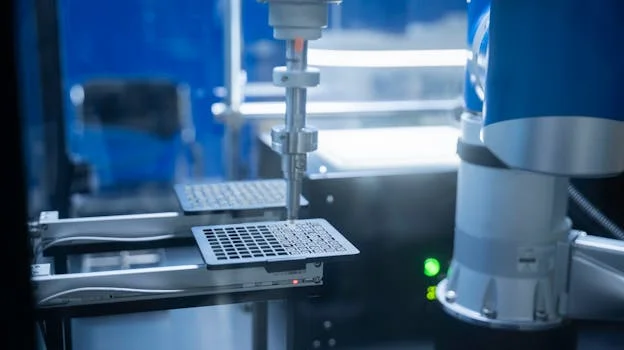
Regulatory compliance in Java is governed by a hierarchy of standards. While National Standard PP No. 22/2021 provides the baseline, provincial regulations often impose stricter limits. For example, East Java Governor Regulation 72/2013 sets a COD limit of 80 mg/L for facilities within the Gresik Industrial Zone (JIIPE), which is 20% more stringent than the national average. In West Java’s textile clusters, additional scrutiny is placed on heavy metals such as Chromium (Cr) and Lead (Pb). Companies should also aim for a high PROPER rating—Indonesia’s public environmental reporting system. Achieving a "Green" or "Gold" rating requires performance that exceeds baseline regulatory standards, often necessitating advanced tertiary treatment or water recycling initiatives.
Monitoring requirements are rigorous. Per Ministry of Environment Regulation 5/2014, large-scale facilities must perform daily flow monitoring and weekly sampling for COD, BOD, and TSS. To maintain compliance, facilities often integrate an precise chemical dosing for pH adjustment and coagulation in Java’s textile and chemical industries to ensure that fluctuations in influent quality do not result in effluent violations. Common pitfalls include the lack of a certified laboratory for monthly reporting and inadequate records for hazardous sludge disposal. It is also critical to ensure that all monitoring equipment is calibrated according to the Komite Akreditasi Nasional (KAN) standards to avoid legal disputes during government audits.
| Parameter | National (PP 22/2021) | East Java (Reg 72/2013) | Monitoring Frequency |
|---|---|---|---|
| COD (mg/L) | 100 | 80 | Weekly |
| BOD (mg/L) | 50 | 30 | Weekly |
| TSS (mg/L) | 50 | 50 | Weekly |
| pH | 6.0 – 9.0 | 6.0 – 9.0 | Daily/Continuous |
| Oil & Grease | 10 mg/L | 5 mg/L | Monthly |
Treatment Technology Comparison: DAF vs MBR vs Activated Sludge for Java’s Industries
Selecting the appropriate technology depends on the specific pollutants dominant in Java's industrial sectors. Dissolved Air Flotation (DAF) is the primary choice for the food processing sector in regions like Karawang, where Fats, Oils, and Grease (FOG) levels are high. A high-efficiency DAF system for Java’s food and textile industries can achieve 95–98% FOG removal and significantly reduce TSS before biological treatment. DAF systems are also effective for textile dye removal when paired with specific coagulants, which is vital for meeting the strict color standards enforced by local environmental boards in West Java.
For space-constrained facilities in Jakarta’s outskirts or the MM2100 Bekasi industrial park, Membrane Bioreactors (MBR) offer a superior alternative. A compact MBR system for space-constrained facilities in Java’s industrial parks requires 60% less land than traditional activated sludge systems. MBR technology, utilizing membranes with 0.1 μm pore sizes, produces effluent with TSS <1 mg/L, making it suitable for water reuse in cooling towers or boiler feed. Traditional activated sludge remains cost-effective for large-scale operations (>1,000 m³/day) in areas like JIIPE Gresik, though it requires larger footprints and sophisticated odor control systems. Engineers must also consider that Java's high ambient temperatures can lead to faster membrane fouling in MBR systems, necessitating more frequent automated cleaning cycles.
| Technology | Best For | COD Removal | Footprint | Energy Use |
|---|---|---|---|---|
| DAF | Food, Textile, Oil/Gas | 70–85% (w/ Chem) | Medium | Low-Medium |
| MBR (DF Series) | Chemical, Textile Reuse | 95–98% | Very Low | High |
| Activated Sludge | Large Municipal/Industrial | 85–92% | High | Medium |
Cost Benchmarking: Industrial Wastewater Treatment in Java (2025 Data)
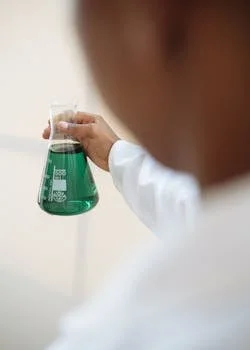
Capital Expenditure (CAPEX) for WWTPs in Java is influenced by land costs and the degree of automation. A 500 m³/day DAF system typically ranges from IDR 10 billion to IDR 20 billion (approx. USD 645,000–1.29M). In contrast, MBR systems for the same flow rate can reach IDR 30 billion to IDR 50 billion due to membrane costs and advanced aeration requirements. To manage solids effectively and reduce disposal costs, many plants install an efficient sludge dewatering for Java’s industrial wastewater treatment plants, which can reduce sludge volume by up to 75%. This is particularly important because the cost of transporting and treating hazardous sludge (B3 waste) in Java has risen by 15% annually over the last three years.
Operating Expenditure (OPEX) in Java is dominated by electricity and chemical costs. Electricity prices for industrial users (B3/I3 categories) range from IDR 1,500 to IDR 2,000 per kWh. For MBR systems, the MBR system costs and ROI in a comparable emerging market context show that membrane replacement every 5–7 years accounts for a significant portion of the long-term budget. However, the ROI is often accelerated by water reuse; in water-scarce areas like Semarang, reusing treated effluent can save IDR 5,000–10,000 per m³ compared to purchasing municipal water. Additionally, labor costs for skilled WWTP operators in Java range from IDR 5 million to IDR 10 million per month, depending on certification levels and experience.
| System Type | CAPEX (IDR Billion) | OPEX (IDR/m³) | Payback Period |
|---|---|---|---|
| DAF (200 m³/day) | 8 – 12 | 4,500 – 6,000 | 3.5 – 5 Years |
| MBR (200 m³/day) | 15 – 25 | 7,000 – 9,500 | 4 – 6 Years |
| Act. Sludge (1,000 m³/day) | 20 – 40 | 3,000 – 5,000 | 5 – 7 Years |
Equipment Selection Framework: Matching Treatment Systems to Java’s Industries
Selecting the right equipment requires a systematic approach to ensure both technical efficiency and regulatory compliance. The following framework is designed for Java’s specific industrial environment, taking into account soil stability and land availability:
- Characterize Influent: Conduct a 24-hour composite sampling. Textile plants should focus on COD (1,500–3,000 mg/L) and color (500–2,000 Pt-Co). Food processing must measure FOG (200–1,000 mg/L) and TSS.
- Define Effluent Targets: Determine if the facility is subject to stricter provincial standards. For example, compare East Java 72/2013 against national standards to set the most conservative design target for 2025 and beyond.
- Select Technology: Use a decision tree based on flow and space. For flows <500 m³/day with limited space, MBR is preferred. For high FOG industries, DAF is a mandatory pretreatment step. You may review detailed comparison of DAF and sedimentation for industrial wastewater to decide on primary clarification.
- Size Equipment for Climate: Account for Java’s high evaporation rates and ambient temperatures (28–34°C), which affect biological kinetics and oxygen transfer efficiency. Ensure all outdoor electrical panels are rated IP65 or higher to withstand tropical downpours.
- Plan for Compliance Monitoring: Integrate sensors for pH, DO, and flow that link directly to the Ministry of Environment’s SIMPEL (Electronic Environmental Reporting System). This digital integration is now mandatory for many "Red" and "Blue" category companies.
| Industry Sector | Primary Pollutant | Recommended Technology | Key Equipment |
|---|---|---|---|
| Textile | Dyes, COD | DAF + MBR | DAF, DF Membranes |
| Food Processing | FOG, BOD | DAF + Activated Sludge | DAF, Aerators |
| Chemical | TDS, Toxics | MBR + RO | DF Membranes, RO Skids |
Frequently Asked Questions
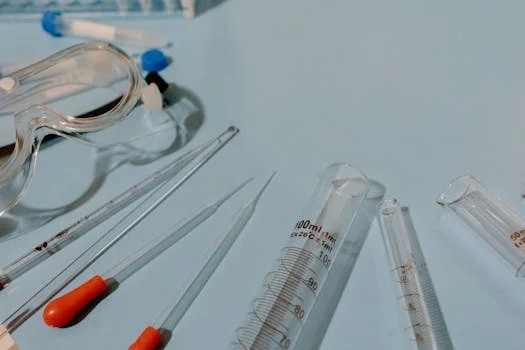
What are the three types of industrial wastewater treatment? Industrial treatment is categorized into Primary (physical removal like screening and DAF), Secondary (biological treatment like Activated Sludge or MBR), and Tertiary (advanced polishing like UV disinfection or Reverse Osmosis). For a regional perspective, see how Manila’s industrial wastewater treatment compares to Java’s.
Does Java have centralized industrial wastewater treatment plants? Yes, major industrial parks such as MM2100 in Bekasi, JIIPE in Gresik, and Surya Cipta in Karawang operate centralized WWTPs. These plants typically use large-scale activated sludge or modern biological systems (like Organica) to treat combined waste from multiple tenants.
How is waste managed in Indonesia’s industrial zones? Management varies between decentralized community-based systems (SANIMAS), centralized park-wide plants, and on-site WWTPs for standalone factories. Standalone facilities are responsible for their own compliance and sludge disposal via licensed third-party contractors.
What is the cost of a 100 m³/day DAF system in Java? A 100 m³/day DAF system typically involves a CAPEX of IDR 8 billion to IDR 12 billion. Annual OPEX, including electricity for the saturation pump and coagulant/flocculant chemicals, ranges from IDR 1.5 billion to IDR 2.5 billion.
What are the penalties for non-compliance with wastewater regulations in Java? Under Ministry of Environment Regulation 1/2021, penalties include administrative fines up to IDR 5 billion, mandatory operational shutdowns, and potential criminal charges for corporate directors if hazardous waste (B3) is illegally discharged.
Further Reading
Explore these in-depth articles on related wastewater treatment topics to further your engineering knowledge: