Why Industrial Plants Track UAE Limits Closely
UAE limits for industrial effluent are emirate-specific and route-specific. Abu Dhabi DoE Trade Effluent Control Regulations 2022 Schedule A sets sewer maxima at COD 1000 mg/L and TSS 500 mg/L. Marine discharge specs use BOD5 30 mg/L and COD 100 mg/L at point of discharge. Planning tables still cite BOD5 10 mg/L and TSS 20 mg/L for final quality.
UAE limits also carry cash risk. Factories that breach consented parameters face DoE enforcement under Decision No. (22) of 2020, while Federal Law No. 12 of 2018 still frames illegal hazardous discharge penalties up to AED 1 million (Article 23). Treated effluent meeting unrestricted reuse targets (TSS ≤10 mg/L, BOD5 ≤10 mg/L) can replace 30–50% of freshwater and cut water bills by AED 2–5/m³ (Stantec 2023). A Sharjah food plant cut TSS from 45 mg/L to 8 mg/L with a DAF system for UAE industrial effluent compliance, avoiding AED 30,000 in annual fines and saving AED 120,000 in water costs. Most plants we size for 50–200 m³/h pay back primary treatment in 2–3 years when reuse is booked.
UAE Industrial Effluent Limits 2025: Numeric Parameters by Emirate
UAE industrial effluent limits vary by emirate and by whether the plant discharges to sewer, marine waters, or a reuse scheme. The table below keeps the commonly cited planning values for Abu Dhabi, Dubai, and Sharjah beside federal reuse figures. All values are in mg/L unless noted.
| Parameter | Abu Dhabi (DoE 2022) | Dubai (Local Order 61/1991) | Sharjah (EPA 2020) | Federal Reuse (Law 12/2018) |
|---|---|---|---|---|
| BOD5 | 10 | 20 | 15 | 10 |
| TSS | 20 | 30 | 25 | 10 |
| pH | 6–9 | 6–9 | 6–8.5 | 6–8.5 |
| COD | 100 | 150 | 120 | — |
| Oil & Grease | 10 | 15 | 10 | 5 |
| Turbidity (NTU) | ≤10 | ≤15 | ≤10 | ≤5 |
| Arsenic | 0.1 | 0.1 | 0.1 | 0.05 |
| Cadmium | 0.01 | 0.01 | 0.01 | 0.005 |
| Chromium (total) | 0.1 | 0.1 | 0.1 | 0.05 |
| Lead | 0.1 | 0.1 | 0.1 | 0.05 |
| Mercury | 0.001 | 0.001 | 0.001 | 0.001 |
Those Abu Dhabi BOD5 10 mg/L and TSS 20 mg/L columns remain useful planning targets for final quality. Official sewer acceptance under DoE Trade Effluent Control Regulations 2022 Schedule A is higher: COD 1000 mg/L, TSS 500 mg/L, grease and oil (hydrocarbon) 60 mg/L, and pH greater than 6 and less than 9 (DoE, 2022). For land-based marine discharge in Abu Dhabi, point-of-discharge limits include BOD5 30 mg/L, COD 100 mg/L, TSS 50 mg/L, oil and grease 10 mg/L, arsenic 0.05 mg/L, and mercury 0.001 mg/L (Abu Dhabi Environment Specifications for Land-Based Liquid Discharges to the Marine Environment). Collection licensees may still set consent values stricter than Schedule A.
Abu Dhabi’s Department of Energy (DoE) runs inspection and sampling programmes under Part 6 of the 2022 Regulations, with accredited ISO/IEC 17025 labs for Schedule A parameters. Dubai Municipality mandates continuous online monitoring for large industrial dischargers, while Sharjah’s EPA relies on monthly grab samples. Facilities in Abu Dhabi must submit monthly self-monitoring reports (DoE 2022, Page 20), while Dubai requires real-time data uploads for parameters like pH and flow rate. For the wider discharge-standards map, see the sibling UAE wastewater discharge standards compliance guide.
How Are Treatment, Monitoring and Compliance Limits Set?
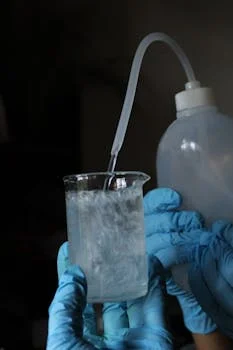
Treatment, monitoring and compliance limits in the UAE are set to protect marine ecosystems, sewer assets, and reuse water quality. Federal Law No. 12 of 2018 provides the national waste-management frame, while emirates enforce local consent limits. The technical rationale behind key parameters includes:
- BOD5 10 mg/L (Abu Dhabi planning target): Set to prevent oxygen depletion in marine ecosystems. At 10 mg/L, dissolved oxygen in receiving waters remains above 5 mg/L, the minimum threshold for aquatic life (WHO 2023). Each 1 mg/L of BOD5 consumes about 1.5 mg/L of oxygen during biodegradation.
- TSS 20 mg/L (Abu Dhabi planning target): Protects fish gills and benthic organisms. TSS above 20 mg/L causes gill clogging in fish and smothers bottom-dwelling species (EPA 2022). Marine discharge specs allow TSS 50 mg/L at the point of discharge, so route matters.
- pH 6–9: Balances corrosion and scaling risks. pH below 6 corrodes metal pipes, while pH above 9 causes calcium carbonate scaling (Stantec 2021). DoE Schedule A uses greater than 6 and less than 9 for sewer acceptance.
- COD 100 mg/L (final/marine planning): Prevents algal blooms when COD rises above about 200 mg/L in sensitive waters (UAE Ministry of Climate Change 2023). DoE sewer Schedule A allows COD 1000 mg/L because the municipal works provide further treatment.
- Heavy metals: Earlier plant tables used arsenic 0.1 mg/L for Abu Dhabi. DoE Schedule A sewer metals are higher (arsenic 5 mg/L, cadmium 1 mg/L, chromium total 5 mg/L, lead 5 mg/L, mercury 0.5 mg/L), while marine discharge specs set arsenic 0.05 mg/L, cadmium 0.05 mg/L, chromium total 0.2 mg/L, lead 0.1 mg/L, and mercury 0.001 mg/L.
The UAE Federal Ministry of Energy and Infrastructure sets national guidelines, while emirate-level authorities (DoE, Dubai Municipality, Sharjah EPA) enforce local limits. Abu Dhabi’s 10 mg/L BOD5 planning target remains 50% stricter than Dubai’s 20 mg/L table value, reflecting pressure around marine protected areas such as the Marawah Marine Biosphere Reserve. Always read your Trade Effluent Consent before sizing equipment—consent conditions override generic tables.
Treatment Technologies for UAE Industrial Effluent Compliance
Treatment trains for UAE industrial effluent compliance must achieve ≥92% BOD5 removal and ≥95% TSS removal at typical influent concentrations (250–500 mg/L BOD5, 300–800 mg/L TSS) when the consent or reuse route demands the tight end of the table. The table below compares treatment technologies by removal efficiency, cost, footprint, and pollutant suitability.
| Technology | TSS Removal (%) | BOD5 Removal (%) | Cost (AED/m³) | Footprint (m²/100 m³/h) | Best For |
|---|---|---|---|---|---|
| DAF System | 95–98 | 90–95 | 0.12–0.25 | 10–20 | TSS >500 mg/L, oil & grease, food processing |
| MBR System | 99 | 95–98 | 0.30–0.50 | 5–10 | BOD5 >500 mg/L, space constraints, reuse |
| Sedimentation Tank | 80–85 | 70–75 | 0.08–0.15 | 20–30 | Low-cost primary treatment, TSS <500 mg/L |
| Chemical Dosing (PAC/Polymers) | 90–95 (with DAF/sedimentation) | — | 0.05–0.10 | Minimal | Enhancing TSS removal, heavy metals |
| Chlorine Dioxide Disinfection | — | — | 0.02–0.05 | Minimal | Microbial kill (99.9%), unrestricted reuse |
Matching technology to influent:
- TSS >800 mg/L: Use DAF for 95–98% removal at typical float loads. For space-constrained sites, combine with chemical dosing to cut footprint and polymer waste.
- BOD5 >500 mg/L: An MBR system achieves 95–98% removal with a compact footprint. For lower budgets, use aerated lagoons (70–80% removal) followed by DAF polishing.
- Heavy metals: Chemical precipitation (for example lime for chromium) plus filtration. For arsenic, ferric chloride dosing reaches about 95% removal at pH 6–7 when solids capture is solid.
- Oil & grease: DAF removes 90–95% of free oils. For emulsified oils, add acid cracking or coagulant dosing before flotation.
For side-by-side efficiency numbers, see our DAF vs sedimentation efficiency and cost comparison. Plants building a full UAE train can also use the industrial wastewater treatment in UAE engineering guide for equipment sequencing.
Step-by-Step Compliance Checklist for UAE Industrial Effluent Limits
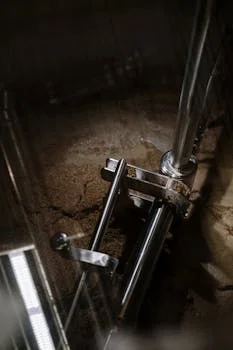
This checklist helps ensure compliance before inspections. Abu Dhabi DoE inspectors can escalate breaches under the Table of Violations linked to Decision No. (22) of 2020, so pre-testing against your Consent—not only the planning table—is critical.
- Pre-Inspection Testing (48 Hours Before):
- Measure BOD5, TSS, pH, and turbidity using portable Hach kits. Target: BOD5 ≤8 mg/L, TSS ≤18 mg/L when your consent follows the 10/20 planning values (about a 20% buffer).
- Test heavy metals if your industry (metal plating, textiles) is high-risk. Use ICP-OES for accuracy against consent metal caps.
- Check flow rates. Abu Dhabi DoE requires ≤10% deviation from permitted discharge volumes (DoE 2022, Page 25).
- Documentation (Maintain for 12 Months):
- Treatment system logs: Flow rates, chemical dosing (mg/L), maintenance records.
- Effluent test reports: Include lab results, sampling dates, and calibration certificates for online monitors.
- Permits: Trade effluent discharge consent (Abu Dhabi), industrial discharge permit (Dubai), or EPA approval (Sharjah).
- Common Pitfalls and Fixes:
Issue Cause Solution TSS >20 mg/L Poor sludge management, DAF skimming failure Increase polymer dose by 10%, check DAF air-to-solids ratio BOD5 >10 mg/L Organic overload, insufficient aeration Reduce influent flow by 20%, increase aeration time (MBR) pH drift (e.g., 5.5 or 9.5) Chemical dosing error, acid/alkali spill Install automatic pH adjustment system, recalibrate probes COD >100 mg/L High organic load, refractory compounds Add advanced oxidation (e.g., UV/H₂O₂) or switch to MBR - Inspection Day:
- Ensure all sampling ports are accessible and labeled.
- Provide PPE (gloves, goggles) for inspectors.
- Designate a compliance officer to answer questions and provide documentation.
- For online monitors (Dubai), confirm data is uploading to the municipality’s portal in real time.
Cost Breakdown: Treating Industrial Effluent to UAE Standards
A 50 m³/h DAF + chemical dosing + disinfection system is the most common setup we quote for UAE industrial facilities aiming at reuse-grade polish after primary solids capture. The table below shows costs in AED, including installation, PLC controls, and a 1-year warranty.
| Component | CAPEX (AED) | OPEX (AED/m³) | Notes |
|---|---|---|---|
| DAF System (50 m³/h) | 350,000–500,000 | 0.15–0.25 | Includes air saturation tank, flotation cell, and sludge handling |
| Chemical Dosing (PAC/Polymers) | 80,000–120,000 | 0.05–0.10 | 500 L/day capacity, automatic dosing pumps |
| Chlorine Dioxide Disinfection | 150,000–250,000 | 0.02–0.05 | 1,000 g/h generator, residual monitoring |
| Sludge Dewatering (Belt Press) | 200,000–300,000 | 0.05–0.10 | Optional for high-TSS industries (e.g., food processing) |
| Total CAPEX | 780,000–1,170,000 | 0.27–0.50 | Excludes civil works and permits |
ROI for a 50 m³/h system:
- Water Reuse Savings: Treating 1,200 m³/day to unrestricted reuse standards replaces 50% of freshwater use. At AED 0.50/m³, savings equal AED 180,000/year.
- Fine Avoidance: Annual fines for non-compliance average AED 50,000 in earlier DoE-linked plant estimates (DoE 2022).
- Payback Period: (CAPEX AED 975,000) / (Savings AED 230,000/year) = 4.2 years. With financing, payback drops to 2–3 years on many food and textile sites.
What does cooling tower blowdown recovery cost?
Cooling tower blowdown recovery system CAPEX and OPEX usually sit inside the same 0.27–0.50 AED/m³ OPEX band when DAF or MBR already polish TSS and BOD5 for reuse makeup. Most plants we size for 50 m³/h recover 30–50% of blowdown volume once turbidity stays ≤5 NTU and oil stays ≤5 mg/L for unrestricted reuse. For unit pricing detail, see our DAF unit wastewater cost and ROI guide.
Who This Is For / Next Step
Who this is for: plant engineers, EHS managers, and EPC teams sizing pretreatment for Abu Dhabi, Dubai, or Sharjah consents.
Who should look elsewhere: municipal-only STP designers without industrial trade effluent, or buyers needing only potable UPW piping data.
Selection checklist: (1) confirm discharge route—sewer, marine, or reuse; (2) copy Consent limits, not only the planning table; (3) measure peak TSS and oil at 24 h composite; (4) pick DAF vs MBR by BOD5 and footprint; (5) budget sludge handling; (6) lock monitoring (grab vs online); (7) price reuse savings before CAPEX cuts.
If you need a consent-matched train for your flow and pollutant load, request a UAE effluent compliance quote with your latest lab sheet attached.
Frequently Asked Questions

What happens if my effluent exceeds UAE limits?
Abu Dhabi enforcement can apply administrative penalties under DoE Decision No. (22) of 2020 and may suspend discharge until consent conditions are restored. Earlier plant guidance cited AED 10,000–50,000 per trade-effluent breach and facility shutdown risk for repeats (Trade Effluent Control Regulations 2022). Dubai Municipality has historically imposed fines up to AED 200,000 for illegal discharge under Local Order 61/1991.
How can I reduce TSS in my industrial effluent?
For TSS above 500 mg/L, dissolved-air flotation typically delivers 95–98% removal when air-to-solids ratio and polymer dose are tuned. For lower TSS, sedimentation tanks (80–85% removal) remain cost-effective primary treatment. Pair either unit with PAC or polymer dosing when fine colloids drive turbidity spikes.
What are the effluent limits for heavy metals in the UAE?
Earlier Abu Dhabi planning tables used arsenic 0.1 mg/L, cadmium 0.01 mg/L, chromium 0.1 mg/L, lead 0.1 mg/L, and mercury 0.001 mg/L. DoE Schedule A sewer maxima are arsenic 5 mg/L, cadmium 1 mg/L, chromium total 5 mg/L, lead 5 mg/L, and mercury 0.5 mg/L (DoE, 2022). Marine discharge specs are tighter again—arsenic 0.05 mg/L and mercury 0.001 mg/L at the point of discharge.
Can I reuse treated industrial effluent in my factory?
Yes, if the water meets unrestricted reuse targets (TSS ≤10 mg/L, BOD5 ≤10 mg/L, turbidity ≤5 NTU). Common uses include cooling tower makeup, landscape irrigation, and equipment cleaning. Abu Dhabi DoE requires a reuse permit for industrial applications (DoE 2022, Page 30).
How often does the UAE update effluent limits?
Limits are reviewed every 3–5 years in typical emirate practice. Abu Dhabi DoE last issued Trade Effluent Control Regulations in 2022 and may amend Schedule A after periodic review (clause 3.2.3). Dubai Municipality’s Local Order 61/1991 remains under revision discussions in industry briefings; always verify the live consent text before a CAPEX freeze.
For a comparison with other regions, see India’s CPCB effluent limits.