Which Rules Control a Creech Sewer Discharge?
Mining and metals plants near Creech meet sewer pretreatment limits by treating each wastewater stream separately and proving compliance against the applicable permit, sewer-authority rules, and monitoring program. The EPA’s Mineral Mining and Processing Effluent Guidelines and Standards, 40 CFR Part 436, cover mine drainage, mineral processing, and stormwater runoff, with applicable requirements incorporated into NPDES permits. A practical train typically starts with equalization and characterization, then uses controlled pH adjustment, coagulation, DAF or lamella clarification, multimedia filtration, and—where dissolved metals or salts remain—UF/RO polishing. Local sewer limits, not federal rules alone, determine final equipment sizing and discharge targets.
The controlling federal layer is 40 CFR Part 436, but its application depends on the mineral and discharge pathway. The U.S. EPA states that the agency promulgated Part 436 in 1975 and amended it in 1976, 1977, 1978, and 1979; it covers wastewater from mine drainage, mineral processing, and stormwater runoff, and applicable requirements are incorporated into NPDES permits (U.S. EPA, 2026-02). Confirm the facility’s mineral, production activity, and applicable subpart before treating a federal numeric limit as available.
Some listed subparts are reserved, including Dimension Stone (Subpart A), Lightweight Aggregates (Subpart H), Lithium (Subpart U), Ball Clay (Subpart AH), Feldspar (Subpart AI), Talc/Steatite/Soapstone/Pyrophyllite (Subpart AJ), and Garnet (Subpart AK) (U.S. EPA, 2026-02). A reserved subpart should not be interpreted as permission to discharge without local limits: state requirements and the sewer authority’s industrial pretreatment program may still control metals, pH, and TSS.
An industrial discharge to a POTW sewer is different from direct authorization to discharge stormwater or surface water. For the sewer connection, obtain the current NPDES mining permit if applicable, state environmental requirements, and the local sewer authority’s pretreatment limits, monitoring requirements, discharge authorization, and prohibited-discharge rules. A regulatory reference for 40 CFR Part 436 is only the starting point; the final basis of design is the complete permit stack and the receiving sewer authority’s written requirements.
| Layer | What the engineer must establish | Equipment implication |
|---|---|---|
| 40 CFR Part 436 and NPDES permit | Mineral, subpart, covered discharge, and permit conditions | Defines applicable federal parameters and monitoring requirements |
| State environmental agency | State water-quality conditions, approvals, and reporting obligations | May add treatment or discharge conditions beyond the federal baseline |
| Local sewer authority | POTW pretreatment limits, local limits, sampling, slug-load, and discharge authorization | Usually sets the practical equipment targets for pH, metals, and TSS |
Characterize Each Wastewater Stream Before Choosing Equipment
Stream-by-stream characterization prevents a plant from sizing one treatment train for wastewater streams with different contaminant and hydraulic profiles. Mining operations can generate mine drainage, process water, tailings pond effluent, and dewatering discharge, and those streams cannot be treated as interchangeable (AMPAC USA, 2025-09).
Acid mine drainage can introduce acidity and dissolved metals such as iron, manganese, copper, zinc, arsenic, and cadmium when sulfide minerals are disturbed. Process water may contain reagents and dissolved ore constituents; in some circuits it can also include process-specific contaminants. Tailings pond effluent may contain fine solids, processing chemicals, and leached metals. Dewatering discharge varies with geology and may be relatively clean in one area and metal-bearing in another (AMPAC USA, 2025-09).
A metals plant should not be forced into the AMD model. Spent plating baths, pickling residues, wash water, and metal-bearing sludge require separate source characterization because their treatment functions may differ from those needed for mine drainage. A complete metals-process survey should identify batch discharges, floor and equipment washdown, cooling or process-water loops, spent chemical solutions, sludge storage, and stormwater that could become contaminated.
Obtain representative sampling before final sizing. Request pH, flow, TSS, metals, conductivity, alkalinity, and process-representative chemical data, then compare the results with the actual sewer limits. If the sewer authority regulates dissolved metals separately, distinguish total and dissolved fractions; if it restricts salts or conductivity, include those parameters in the acceptance test. The supplied research does not establish Creech-specific flow bands or numeric discharge limits, so those values must come from the site’s current permits, sewer authority, and testing data.
| Stream | Characterization focus | Design implication |
|---|---|---|
| Mine drainage | pH, alkalinity, dissolved and total metals, flow variability | Assess pH correction, precipitation, solids separation, and polishing |
| Process water | Reagents, dissolved ore constituents, process-specific contaminants, batch flows | Separate cleanable reuse water from contaminated or batch discharges |
| Tailings pond effluent | TSS, colloids, leached metals, chemicals, flow pattern | Provide solids capture and filtration ahead of sensitive downstream equipment |
| Dewatering discharge | Metals, pH, TSS, discharge frequency | Size for pumping and hydraulic peaks while treating variable quality |
| Metals-plant streams | Bath residues, pickling chemistry, wash-water metals, sludge characteristics | Use stream-specific segregation and chemical treatment |
Build a Treatment Train Around the Contaminants
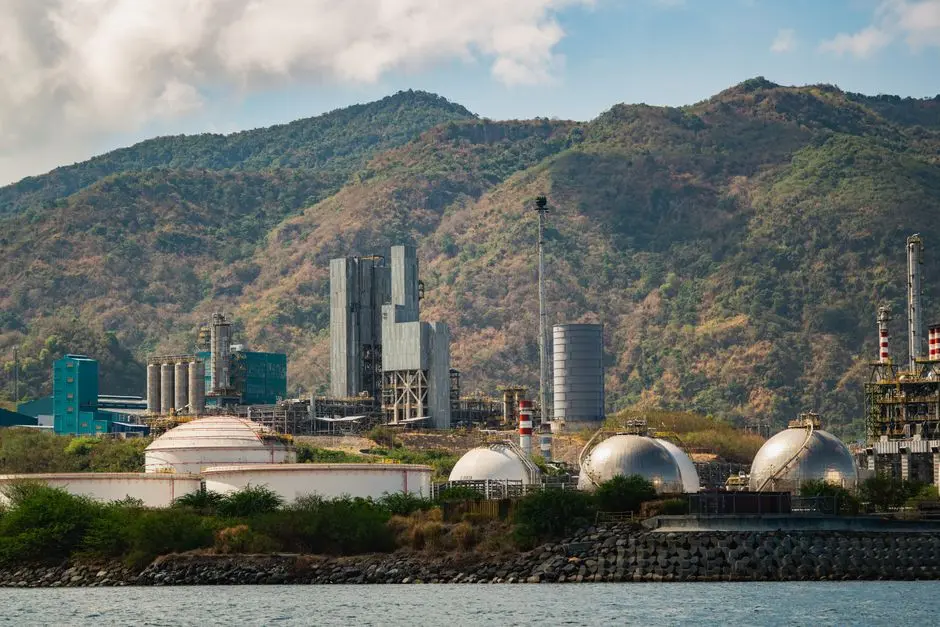
The defensible sequence is pH correction, coagulation, solids separation, multimedia filtration, optional membrane polishing, and monitoring/reporting. Each stage should have a defined contaminant and compliance function; adding a membrane or clarifier without that definition makes the train harder to operate and defend.
- Correct pH and precipitate metals. Raise pH so dissolved metals form insoluble hydroxides, then collect the resulting metal hydroxide sludge. Chemical precipitation is the primary physical-chemical route when dissolved metals are the design driver.
- Coagulate and flocculate. Aggregate precipitated metals and fine particles into flocs that can be removed in the next stage. Chemical selection should follow jar or bench testing rather than a generic dose.
- Separate solids. DAF suits buoyant floc, oil, or floatable fines. Lamella clarification is the alternative where heavy floc, sludge volume, and footprint are the constraints. The Westech heavy-metals treatment discussion supports chemical addition, sedimentation, and media filtration as a physical-chemical sequence, while the HydropureWater mining pretreatment guide provides a more detailed DAF-versus-lamella comparison.
- Filter the residual solids. Multimedia filtration removes remaining turbidity and colloids and protects downstream membranes. Specify the required SDI after filtration, not inlet turbidity alone. A multimedia filtration system should be selected for the actual solids load, target SDI, backwash method, and operating envelope.
- Polish only when necessary. UF provides a barrier against colloids and suspended solids; the cataloged ultrafiltration system for mining wastewater polishing uses 0.03-micron PVDF membranes, covers 2,000–40,000 L/h, includes automatic backwash and air scour, and is suitable for RO pretreatment. RO is justified when dissolved metals or salts remain above the applicable limit or reuse is an objective. AMPAC USA reports rejection above 99% for dissolved metals and salts, recovery of 50–70% for AMD feed, and recovery of 70–85% as the RO stage of a ZLD train (AMPAC USA, 2025-09). Those figures are literature values, not guarantees for a Creech installation.
- Monitor and document. Maintain chemistry setpoints and self-monitoring records. The mining treatment research identifies continuous pH, flow, and conductivity with PLC/HMI control and POTW self-monitoring records (LiqTech, 2025-08).
Do not specify membrane polishing as an automatic requirement. It becomes defensible when physical-chemical treatment leaves dissolved contaminants above the sewer limit, when a discharge constituent is not removed by clarification and filtration, or when the reuse objective requires it.
| Design problem | Primary treatment function | Decision check |
|---|---|---|
| Acidity and dissolved metals | pH adjustment and chemical precipitation | Confirm residual dissolved metals after equilibrium and settling |
| Suspended solids and colloids | Coagulation, DAF or lamella, multimedia filtration | Match floc properties to the separation mechanism and target SDI |
| Residual dissolved metals or salts | RO polishing | Use residual chemistry and discharge or reuse targets; do not assume membranes are required |
| Fine solids before RO | UF barrier | Confirm membrane compatibility, flux, backwash, and feed condition |
Size the System for Peaks, Controls, and Sludge
Equipment sizing should use the highest anticipated daily discharge rather than average flow because peak flows drive equalization volume and pump selection. The supplied mining treatment research identifies this sizing principle directly; it does not provide a Creech flow band, so peak and average flows must be established from operating records and the permitted discharge schedule (HydropureWater, 2026-02).
Equalization protects the treatment train from hydraulic shocks that alter pH, chemical demand, or solids loading. Calculate the required basin volume from actual peak and average flows, permitted discharge windows, response time, and the operating strategy. Do not select a nominal tank volume without a mass balance; a larger basin does not compensate for uncontrolled chemical feed or inadequate solids capture.
Specify automatic chemical dosing for pH adjusters, coagulants, and flocculants. A PLC-controlled chemical dosing skid for mining pretreatment should be integrated with the treatment train so the operator can see dose, flow, pH, and alarms through a common HMI. Chemical storage, secondary containment, incompatible-material compatibility, calibration, and maintenance access belong in the equipment basis of design.
Chemical precipitation creates metal hydroxide sludge, so solids handling cannot be omitted from the scope. HydropureWater’s cataloged plate and frame filter presses are available with filtration areas from 1 m² to 500 m² and manual, hydraulic, or fully automatic PLC-controlled operation. Select press capacity from peak sludge generation, desired cake condition, cycle time, and downstream disposal requirements; nominal filter area alone is not enough. A plate-and-frame filter press for precipitated mining sludge should also be evaluated for plate spacing, polymer conditioning, wash capability, and operator access.
Monitoring and reporting are part of the operating train. LiqTech identifies integrated PLC/HMI systems that monitor and control mining wastewater processes, including chemical precipitation, ultrafiltration, and dewatering, with remote monitoring capability (LiqTech, 2025-08). Reuse economics require separate scrutiny: AMPAC USA reports that RO-enabled internal reuse can reduce freshwater consumption by 40–60% compared with once-through operation (AMPAC USA, 2025-09). Request a site-specific recovery curve rather than relying on that literature value or a nameplate claim.
| Procurement input | Why it controls the design | Evidence to request |
|---|---|---|
| Peak and average flow | Determines equalization, treatment throughput, pumping, and filtration area | Operating record, discharge schedule, and permitted release profile |
| Influent chemistry | Sets chemical demand, sludge yield, membrane loading, and residual performance | Representative sampling by stream and operating condition |
| Local discharge limits | Defines the required treatment outcome | Current sewer-authority pretreatment approval and monitoring schedule |
| Controls and data | Supports stable dosing, alarms, records, and compliance demonstrations | PLC/HMI architecture, sensor list, historian or reporting export |
| Sludge route | Prevents precipitation-stage solids from becoming an unhandled waste stream | Expected solids rate, cake condition, destination, and handling method |
Turn a Supplier Quote into a Defensible Equipment Basis of Design
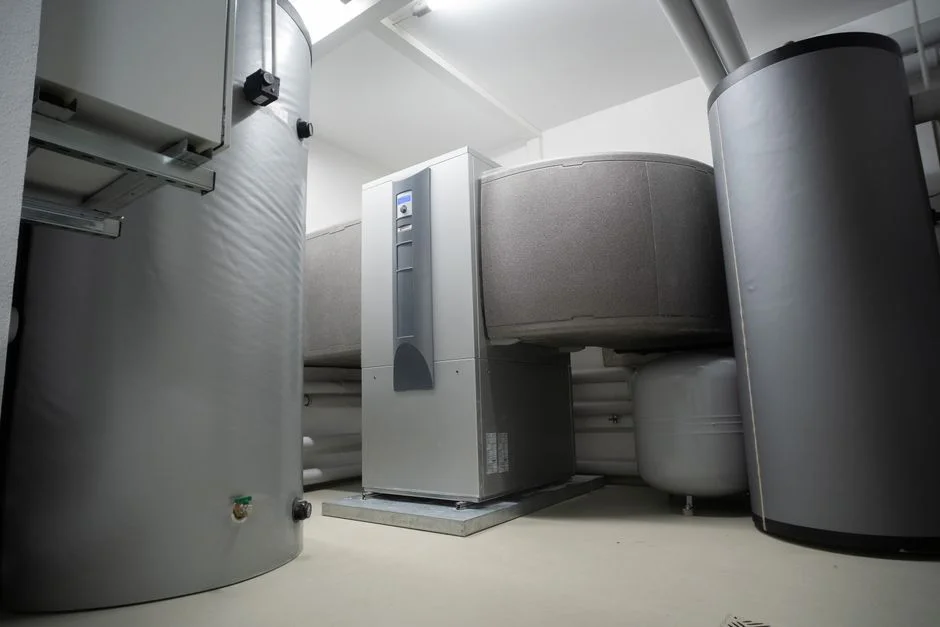
A defensible quotation is tied to a documented basis of design, not a generic system price. Request a quote against peak and average flow, representative influent pH and metal profile, the sewer authority’s limits for metals, pH, and TSS, and the desired reuse percentage. Also specify stream segregation, batch-discharge conditions, monitoring points, sludge handling, utilities, controls, and the required operating envelope.
The supplied research publishes no complete pretreatment-train price, so the budget must come from a site-specific vendor proposal rather than an unsupported generic range. Require each bidder to map every proposed unit operation to a contaminant, discharge limit, operating objective, or reuse objective. If testing permits, identify which stages can be omitted and what evidence would justify that decision.
Ask for evidence of comparable mining or metals installations covering clarification, filtration, membranes, controls, and sludge handling. A generic case study does not prove the local permit outcome, but comparable operating data can help evaluate maintenance assumptions, recovery, and integration risk. Compare recovery, footprint, chemical consumption, automatic backwash, maintenance access, sludge handling, and remote monitoring—not only purchase price.
A site-specific pilot test or bench confirmation should validate chemistry and equipment selection before final fabrication. For pH precipitation, test residual metal concentrations across candidate setpoints and assess the resulting sludge. For clarification, compare DAF and lamella performance against the actual floc and oil content. For membranes, verify the selected pretreatment and the required permeate quality under representative feed conditions. A high-efficiency sedimentation tank should be evaluated on fit with the selected solids-separation train rather than purchased as an isolated vessel.
Frequently Asked Questions
What should a Creech mining or metals plant request from the sewer authority before selecting treatment equipment?
Request the current industrial discharge authorization, local pretreatment limits for metals, pH, and TSS, monitoring and sampling requirements, prohibited discharges, and any state or local approval needed for the facility’s specific subpart. Also confirm whether batch discharges, stormwater, or metals-bearing sludge are addressed differently from continuous process water. The permit stack and written sewer requirements should become design inputs, not assumptions.
How much does a mining wastewater pretreatment system cost, and what information is needed for a firm quotation?
The supplied research provides no complete-system price. Request a site-specific quotation using peak and average flow, representative influent pH and metal results, the applicable sewer limits, desired reuse percentage, chemical availability, controls requirements, and sludge-disposal route. Then ask bidders to show which equipment and operating assumptions drive the price, including optional UF or RO stages.
Should the plant choose DAF or a lamella clarifier for mining wastewater?
Choose DAF when the wastewater produces buoyant floc or contains oil and floatable fines. Consider lamella clarification when heavy floc, sludge volume, and footprint dominate the design. Verify that choice with representative testing rather than treating it as a universal preference; the DAF versus clarifier selection for mining wastewater provides a focused engineering comparison.
How do operators size an equalization tank and membrane system for peak discharge?
Calculate equalization from the actual peak and average discharge profiles, permitted release window, response time, and required operating buffer. Size the membrane system from peak treatment flow, feed chemistry, target recovery, pretreatment requirements, and operating redundancy. The supplied research identifies peak flow as a driver of equalization and pump selection but does not publish Creech-specific flow values, so site records and permits are required.
Can UF and RO be used to improve water reuse while maintaining sewer compliance?
Yes, when the reuse objective and residual contaminant profile justify them. UF can provide a solids and colloid barrier before RO; RO can remove dissolved metals and salts that remain after physical-chemical treatment. AMPAC USA reports above 99% rejection for dissolved metals and salts, 50–70% recovery for AMD feed, and 70–85% recovery for the RO stage of a ZLD train (AMPAC USA, 2025-09). Treat those as literature benchmarks, and validate site-specific recovery and permeate quality before purchasing. The mining wastewater treatment comparison can help frame broader treatment alternatives, while the regional mining pretreatment compliance guide offers additional permit-checking context.
Related equipment and engineering reading
- How Mining & Metals Plants Near Chesapeake Meet Pretreatment Limits Before Sewer Discharge (2026 Guide)
- How Mining & Metals Plants Near East Finley, PA Meet Pretreatment Limits (2026 Guide)
- How Mining & Metals Plants Near Yates Center Meet 2026 Pretreatment Limits
- How Mining & Metals Plants Near Yorktown Meet 2026 Pretreatment Limits