What West Plains plants must prove before discharging
Food and beverage plants near West Plains generally meet pretreatment obligations by characterizing each waste stream, reducing fats, oils and grease (FOG) and suspended solids, controlling pH, and demonstrating compliance before discharge. DAF is especially relevant because it is designed to remove suspended solids, FOG, oil and grease, and colloidal material from food-processing wastewater. The receiving utility’s plant is documented as designed for 3 million gallons per day, with a peak flow of 7.25 million gallons per day. However, that capacity is not an industrial discharge limit. Each plant must obtain its current West Plains sewer requirements and use the permit, discharge authorization, and approved pretreatment work plan—not an assumed threshold—to define sampling, monitoring, and reporting duties.
The City of West Plains identifies a 3 million-gallon-per-day design flow and a 7.25 million-gallon-per-day peak flow for its municipal wastewater treatment plant. Those figures describe receiving-plant capacity; they do not establish a food plant’s allowable flow, pollutant concentration, or monitoring frequency (City of West Plains, Wastewater Treatment, accessed 2026). They also do not replace site-specific discharge authorization.
Start with the City’s wastewater information page, which lists reports, permits, and the Integrated Management Plan for Wastewater, Stormwater, and Drinking Water. Request the current sewer-use ordinance or discharge authorization, applicable pretreatment permit or approved work plan, sampling-point requirements, approved monitoring frequencies, and fee or monitoring provisions.
Separately, the Missouri DNR record identified as WPCB 1749 and associated with 2023 provides official regulatory context for the municipal facility. The supplied record is archived, so its current status must be checked with the agency. An archived facility order is not, by itself, the current private-property discharge permit for a food or beverage plant.
Characterize the waste before selecting a treatment train
Representative source characterization is the basis for equipment sizing, chemical selection, and an enforceable pretreatment program. A diluted annual average can conceal the concentrated washdown, cleaning, or batch discharge that determines peak loading and can impair downstream biological treatment.
- Segregate high-strength process, rendering, floor-wash, and cleaning streams from relatively dilute cooling or wash water.
- Sample across production, cleaning, and discharge cycles, including concentrated batch releases.
- Record flow, time, production state, sampling point, and analytical results with each sample.
- Compare those results with current written local limits before establishing the treatment design basis.
The supplied research contains no site-specific numerical FOG, suspended solids, pH, or discharge-concentration limits for the subject plant. The design engineer must therefore obtain those limits in writing from the City rather than assume a threshold. The supplied USGS sediment map (1994) does not establish industrial pretreatment requirements, and the MIT Press West Nile virus studies address wastewater solids rather than private-property discharge limits.
| Source or condition | Characterization inputs to obtain | Design or compliance use |
|---|---|---|
| Process and washdown streams | Flow variability, FOG, suspended solids, colloid, pH, production state | Establish DAF or clarification objectives and hydraulic design basis |
| Cleaning-in-place streams | Cleaning chemicals, pH, batch timing, permitted discharge route | Define segregation, equalization, pH control, and chemical-dosing requirements |
| Batch dumps and concentrate streams | Concentration, volume, discharge frequency, toxicity or process contaminants | Prevent diluted-average sizing and identify pretreatment controls |
| Current local requirements | Written limits, sampling point, frequency, reporting and monitoring provisions | Populate the treatment acceptance criteria and monitoring matrix |
A structured food and beverage pretreatment compliance guide can support the permit-review stage, but the local authorization remains controlling. The characterization records should be sufficiently detailed that another engineer can reproduce the design basis and trace each equipment decision to measured wastewater and written requirements.
Build a pretreatment train that removes the pollutants that drive sewer risk
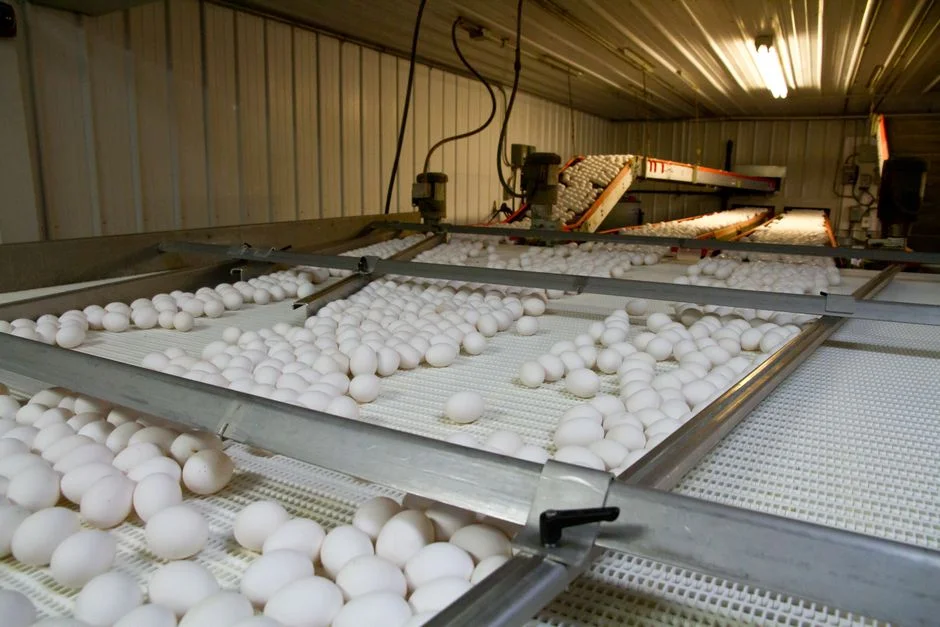
A defensible treatment train follows the waste from source control through protected conveyance, physical-chemical treatment, optional biological polishing, and monitored discharge. Each stage should have a defined purpose so treatment is not being credited for controlling a problem upstream.
- Control and segregate the source. Keep concentrated streams identified and controlled; route prohibited process contaminants away from the sewer.
- Protect the industrial wastewater headworks. Use fine screening to remove rags, plastics, fibrous debris, and larger suspended material before it interferes with pumps, valves, or downstream biological treatment. A rotary mechanical bar screen can be evaluated as part of the site’s headworks arrangement.
- Remove FOG and suspended material. Evaluate a DAF system for food-processing wastewater where characterization supports removal of FOG, oil and grease, suspended solids, and colloidal material.
- Control pH and aid separation. Apply an automatic chemical dosing system only where the selected chemical, set points, feed rate, and operating response are supported by characterization and acceptable to the sewer authority.
- Add approved polishing where required. Use biological treatment or another authorized process when the written requirements and measured wastewater show that DAF alone is insufficient.
- Measure and document the final discharge. Provide representative sampling, flow measurement, operating records, and chain of custody before sewer discharge.
| Process stage | Primary design question | Required evidence |
|---|---|---|
| Source segregation and equalization | Can concentrated batches be captured and blended within the treatment design? | Stream inventory, batch records, flow data |
| Screening and physical protection | Will debris be removed before it damages or overloads downstream equipment? | Selected screen, installation details, operating and maintenance plan |
| DAF | Do measured FOG, oil and grease, suspended solids, and colloid support the proposed treatment objective? | Influent design matrix, removal objectives, controls, performance test |
| pH adjustment or chemical addition | Is each chemical justified by characterization and accepted by the sewer authority? | Chemical selection, feed records, set-point limits, response procedure |
| Approved polishing | What residual treatment need remains after physical-chemical treatment? | Written approval, process basis, performance criteria |
| Sludge handling | How will recovered fats and solids be removed, stored, and disposed of through permitted routes? | Mass balance, storage and disposal plan, destination records |
DAF does not close the compliance file by itself. The final process train must connect measured treatment performance to the plant’s written discharge requirements, and the solids path must prevent a recovered waste stream from returning to the sewer.
Choose between DAF and a clarifier using operating risk
DAF is the stronger candidate when the design priority is capture of suspended solids, FOG, oil and grease, and colloidal material. Clarification becomes more attractive when settling performance, sludge recirculation, and integrated flocculation dominate the operating strategy and measured wastewater supports plate settling.
| Decision factor | DAF | High-efficiency sedimentation system |
|---|---|---|
| Primary treatment objective | Capture FOG, oil and grease, suspended solids, and colloidal material | Clarify solids using sedimentation, with flocculation and recirculation where designed |
| Hydraulic behavior | Evaluate against measured batch, washdown, and production variability | Evaluate settling performance, recirculation, and available hydraulic residence under variable influent |
| Recovered solids | Plan removal, storage, and permitted disposal of floated material | Plan sludge withdrawal, recirculation, and permitted handling |
| Site and operations | Assess footprint, controls, operator attention, chemical demand, and maintenance | Assess footprint, plate or sludge handling, recirculation, labor, and maintenance |
| Downstream dewatering | Add mechanical dewatering if recovered-solids quantity and handling justify it | Add mechanical dewatering if the selected clarification process produces enough sludge to justify it |
| Acceptance basis | Guarantee performance against measured plant influent and written local limits | Guarantee performance against measured plant influent and written local limits |
A high-efficiency sedimentation tank is therefore not the automatic alternative to DAF. Selection should follow the measured waste profile, required removals, available headworks space, and operating constraints. A plate-and-frame filter press can be considered downstream when solids removal generates enough dewaterable material to justify the added equipment and operating burden.
Do not accept a generic catalog performance claim as the final guarantee. The bid should tie removal objectives to the plant’s measured influent, the current written West Plains limits, and an agreed acceptance protocol. The DAF versus clarifier buyer guide provides a useful comparison framework, but the final choice must remain site-specific.
Verify performance with a monitoring and compliance record

Compliance evidence is the operating record that connects a controlled parameter to an approved method, a defined sample point, an assigned frequency, and a retained result. Numerical limits belong in the matrix only after the plant receives the current written requirements from the sewer authority.
| Record | Minimum content | Compliance purpose |
|---|---|---|
| Monitoring matrix | Parameter, approved method, sampling point, frequency, responsible person, record destination | Shows how each controlled parameter is sampled and documented |
| Flow and treatment trend | Flow and relevant treatment variables on the same timeline | Supports explanation of changes in concentration or removal performance |
| Laboratory and custody records | Results, sampling conditions, chain of custody, and review status | Preserves sample identity, integrity, and defensibility |
| Operational records | Equipment logs, chemical use, calibration records, bypass alarms, and corrective actions | Links treatment condition to analytical results and operating events |
| Escalation records | Response to failed samples, bypasses, overfeed, batch dumping, and downtime | Documents notification, containment, investigation, and return to compliance |
Trend flow with treatment variables instead of recording only pass-or-fail results. A sudden increase in suspended solids or FOG may be linked to production change, batch release, chemical control, or equipment condition; the operating trend helps distinguish those possibilities. Preserve calibration records, laboratory reports, chain-of-custody forms, chemical-use logs, equipment logs, bypass alarms, and corrective-action records.
Use the City’s reports and permits as the document source, while treating the 3 million-gallon-per-day design capacity and 7.25 million-gallon-per-day peak flow as municipal capacity—not evidence that an industrial discharge is acceptable. Establish escalation procedures before a failed sample, bypass, chemical overfeed, batch dump, or equipment outage occurs. The fruit juice wastewater sludge dewatering guide illustrates the broader importance of closing the solids-handling path, but it is not a substitute for a site-specific monitoring plan.
Ask suppliers questions that expose compliance and lifecycle risk
A comparable bid should describe the same wastewater, limits, treatment objective, and operating context for every bidder. Generic capacity statements and catalog removal claims do not establish that the proposed system will meet the plant’s permit.
| Bid package item | Information the bidder must state | Buyer check |
|---|---|---|
| Design basis | Proposed flow basis, influent design matrix, treatment objective, hydraulic handling, footprint, utilities, controls, and start-up sequence | Confirm every value traces to plant data or a stated engineering assumption |
| Performance validation | Method for demonstrating compliance with current written West Plains limits | Reject generic industry claims substituted for the plant’s requirements |
| Itemized pricing | Equipment, tanks, pumps, controls, installation, civil work, training, commissioning, performance testing, chemicals, maintenance, and sludge handling | Separate capital scope from operating and lifecycle commitments |
| Supplier support | Comparable food-processing references, warranty terms, spare-parts plan, commissioning responsibility | Verify reference relevance and assign responsibility for gaps |
Require written, project-specific quotations. The supplied research contains no supplier pricing or lead-time data, so capital cost, operating cost, or delivery commitments cannot responsibly be presented as a budget range. Before comparing bids, resolve the permit limits, characterize the waste, identify available space and utilities, and define sludge handling. Those inputs determine whether the real risk is treatment performance, controls, civil work, chemicals, labor, maintenance, or documentation.
Frequently Asked Questions
Does West Plains’ 3 million-gallon-per-day treatment capacity determine what my food plant may discharge?
No. The City of West Plains documents 3 million gallons per day as the municipal plant’s design flow and 7.25 million gallons per day as its peak flow; neither figure is a private-property discharge limit (City of West Plains, Wastewater Treatment, accessed 2026). Obtain the plant’s current discharge authorization, pretreatment permit or work plan, local limits, monitoring frequency, and sampling-point requirements in writing from the City.
Should I choose DAF or a clarifier for food-processing wastewater?
Choose DAF when measured FOG, oil and grease, suspended solids, and colloid make their capture the primary objective. Consider clarification when the waste supports plate settling and the operating strategy depends on clarification, sludge recirculation, and integrated flocculation. Compare both options against required removals, hydraulic variability, footprint, automation, labor, chemical demand, maintenance, and recovered-sludge handling—not generic catalog claims.
What should a supplier receive before quoting a defensibly sized pretreatment system?
Provide the current written sewer requirements, source-by-source characterization results, flow records covering production and cleaning cycles, available footprint and utilities, treatment objectives, and sludge-disposal constraints. The bid should then state the design flow, influent matrix, hydraulic response, equipment dimensions, utilities, controls, commissioning sequence, itemized pricing, performance-test method, warranty, and support responsibilities.
How should pilot testing, acceptance testing, and corrective action be structured?
Once the permitted limit is known, define a representative test waste, sample and analysis protocol, operating conditions, and acceptance criteria before testing. Then connect the acceptance result to routine monitoring, flow trending, calibration, laboratory records, chain of custody, alarm response, and corrective-action documentation. A failed acceptance test or compliance sample should trigger a defined investigation, containment, notification, retest, and return-to-service sequence.
Can capital and operating costs be estimated from the West Plains treatment capacity?
No. Municipal receiving capacity does not define the equipment needed at a food plant, and the supplied research contains no supplier pricing, chemical-consumption data, labor inputs, or lead-time information. Obtain a site-specific proposal after waste characterization and permit review, with equipment, installation, controls, civil work, commissioning, chemicals, maintenance, and sludge handling itemized.