
MBR or Activated Sludge for Greenville Mining Wastewater?
For mining and metals wastewater in Greenville, MBR is generally the stronger candidate when the plant needs compact equipment, solids-free effluent, and a dependable barrier before reuse or further treatment. Conventional activated sludge remains appropriate when the wastewater is biologically compatible, land is available, and the project prioritizes simpler operation. HydropureWater’s integrated MBR combines activated sludge biology with submerged PVDF membrane filtration below 1 μm and is stated to use 60% less footprint than conventional systems. Final selection still requires testing for toxicity, metals, pH, suspended solids, flow variability, and the applicable discharge or reuse criteria.
That is an application screen, not a universal ranking. MBR retains the biological treatment step and adds membrane separation; it does not make inhibitory wastewater treatable. Conventional activated sludge can remain the better fit for a stable, biodegradable stream where available land permits a larger reactor-and-clarifier arrangement and plant personnel can manage the process without membrane-specific maintenance.
The practical Greenville decision is therefore a matched comparison: same measured wastewater, same design peak, same effluent objective, same sludge destination, and the same labor basis. The supplied research contains no Greenville mining-specific capital or operating-cost comparison. Procurement should request current site-specific pricing rather than infer savings from generic equipment claims. The MBR cost per m³ and operating-cost guide is useful for defining quotation items, but it does not replace a Greenville bid.
Start With the Mining Wastewater Profile
Bioreactor selection must begin with a process-by-process wastewater inventory because averaging incompatible flows can hide both treatment and peak-loading problems. Request flow and flow variability, pH, suspended solids, COD, BOD, nutrients where relevant, metals, hardness, salinity, residual treatment chemicals, temperature, and oil and grease. The destination also needs definition: direct discharge, industrial wastewater reuse, evaporation, transfer, or further treatment changes the required solids level and therefore the value of membrane separation.
Keep mine drainage, process water, contact water, washdown, and stormwater separate until their hydraulic and contaminant contributions are understood. Combining them can dilute treatable flow while increasing peak hydraulic loading and solids entering the biological system. Event-driven flows—stormwater ingress, tank cleanouts, wash cycles, and process upsets—belong in the design basis even if they do not appear in an average daily flow.
Next, establish biological treatability. A metals wastewater test program should evaluate inhibition, toxicity, and biological response to relevant metals and pH conditions. Do not assume organisms will acclimate to every industrial discharge. A reactor that appears to operate at average conditions may still lose treatment performance during a concentrated event.
| Information to obtain | Decision it supports |
|---|---|
| Stream-by-stream flow, peaks, duration, and physical origin | Equalization, hydraulic zoning, and treatment capacity |
| pH, suspended solids, COD, BOD, metals, salinity, hardness, oil and grease, and residual chemicals | Biodegradability, inhibition, pretreatment, and materials selection |
| Toxicity and biological response under representative and event conditions | Whether either biological route is credible |
| Discharge or reuse criteria and receiving-water constraints | Solids target, polishing needs, and compliance risk |
| Sludge destination and site constraints | Residuals handling, footprint, access, and lifecycle cost |
For gross solids and debris protection, evaluate screening requirements with the rotary mechanical bar screen before treating it as a complete pretreatment design. The U.S. EPA’s Emerging Technologies for Wastewater Treatment and In-Plant Wet Weather Management, March 2013, advises buyers to collect current information when evaluating technologies, estimated costs, and stated performance because some information may be vendor-supplied or based on estimated savings rather than full-scale case data. That guidance supports current, site-specific verification; it is not a 2026 performance guarantee.
How Each Treatment Process Handles Metals Wastewater
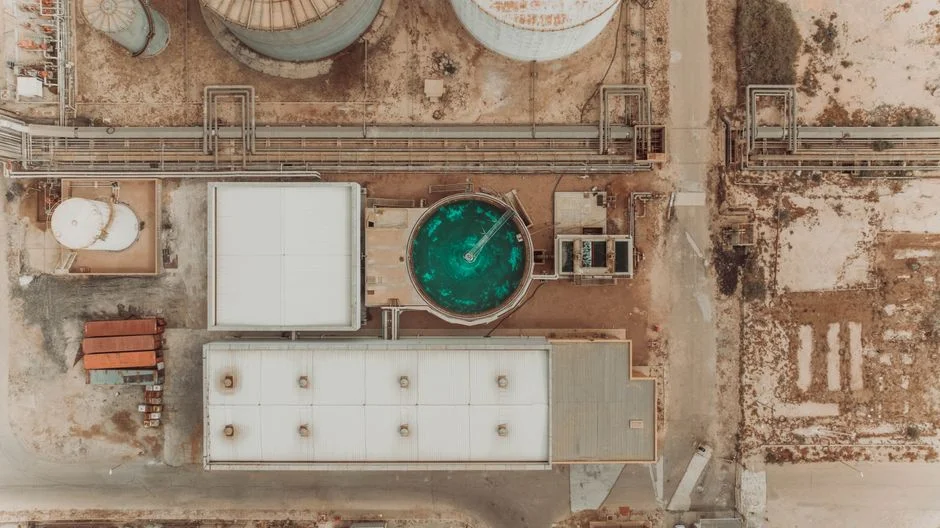
Conventional activated sludge and MBR both use biological treatment; their principal process difference is how biomass and solids are separated from treated water. A conventional system uses an aerated biological reactor followed by a clarifier. An MBR keeps the activated-sludge biology in a reactor and uses membrane modules to separate retained biomass and suspended solids from the permeate. For a membrane bioreactor mining wastewater design, the sequence is equalization and pretreatment, biological reactor, membrane module, permeate handling, and excess-sludge management.
The membrane is a physical separation barrier, not a dissolved-metals removal process. It retains solids and keeps much of the biomass inside the treatment volume, but it does not by itself remove dissolved metals, refractory organics, or other soluble contaminants. Pretreatment must prevent excessive suspended solids, colloids, oil, incompatible chemicals, or extreme conditions from fouling or damaging the membrane. Some contaminant removal occurs through biology or other unit operations, but its performance must be demonstrated with the actual waste stream.
Evaluate the equipment on a life-cycle basis rather than purchase price alone. The 2026 Life Cycle Assessment of Low-Cost Membrane Bioreactor and Activated Sludge Systems for Decentralized Wastewater Treatment in Arid Regions in Membranes evaluates MBR and activated-sludge systems for decentralized treatment. That study does not establish which option is cheaper for a Greenville mine, but it supports comparing energy, materials, residuals, and other life-cycle consequences on a common basis.
| Item | Conventional activated sludge | MBR route |
|---|---|---|
| Biological treatment | Suspended-growth reactor with aeration | Activated-sludge biology associated with membrane separation |
| Solids separation | Clarifier and related solids handling | Physical membrane separation |
| Primary process concerns | Clarifier performance, sludge separation, and biological stability | Flux, transmembrane pressure, fouling, scouring, cleaning, and membrane integrity |
| HydropureWater catalog configuration | No product-specific figure supplied | Submerged PVDF membranes; filtration below 1 μm; 10–2,000 m³/day; stated 60% smaller footprint than conventional systems |
Those HydropureWater figures describe the manufacturer’s specified configuration, not every MBR or every mining site. The 10–2,000 m³/day range is a catalog applicability range; it is not automatic plant sizing. Hydraulic peaks, contaminant loading, membrane area, pretreatment, and required effluent quality still have to be checked.
MBR and Activated Sludge: Head-to-Head Engineering Comparison
MBR’s engineering advantage is decoupling biomass retention from solids separation, while its principal project risks are membrane fouling, mechanical complexity, and specialist maintenance. Conventional activated sludge trades footprint and clarification performance for established operation and generally less membrane-specific equipment. Neither route is automatically lower in capital cost, energy use, or lifecycle cost for Greenville mining wastewater; the supplied research does not support that conclusion.
| Evaluation factor | MBR | Conventional activated sludge |
|---|---|---|
| Biological treatment | Retains biological solids within the membrane process | Maintains mixed liquor and relies on clarification for solids separation |
| Suspended-solids separation | Performed by membranes | Performed by the clarifier |
| Footprint | Can be favorable where space is constrained; HydropureWater states 60% less footprint than conventional systems for its configuration | Typically requires more land for reactor and clarifier functions |
| Reuse readiness | Strong candidate where low suspended solids and a downstream polishing barrier are required | May be suitable where the effluent objective and clarification performance are adequate |
| Pretreatment sensitivity | High concern because solids, colloids, and fouling agents affect membrane performance | Concern for biomass health and downstream solids handling, but not governed by membrane fouling |
| Operation and maintenance | Requires monitoring, scouring, cleaning, access, controls, and replacement planning | Requires aeration, clarifier, sludge-return, and residual-management operation |
| Residuals | Excess sludge remains; separation method changes handling requirements | Clarified and waste activated sludge remain; handling requirements depend on the process |
| Best application fit | Biologically treatable wastewater with compactness, solids control, or reuse priorities | Biologically compatible wastewater with available land and operating-simplicity priorities |
The reuse objective should sharpen this comparison. If the next step is sensitive polishing, filtration, or a specific reuse standard, MBR can reduce the solids load reaching that step without proving that all reuse requirements will be met. If the required endpoint is discharge to a permitted outfall and the stream is stable and biodegradable, conventional activated sludge may remain adequate and easier to operate.
For a conventional option, the lamella clarifier system is a relevant equipment reference because clarifier performance is integral to the process comparison. It does not establish that one route has a lower total installed cost. Compare bids using the same flow, effluent basis, sludge-disposal assumption, labor basis, energy assumptions, replacement cycle, and reuse objective. Any claimed advantage should remain attached to those assumptions.
Pretreatment and Failure Modes That Decide the Project
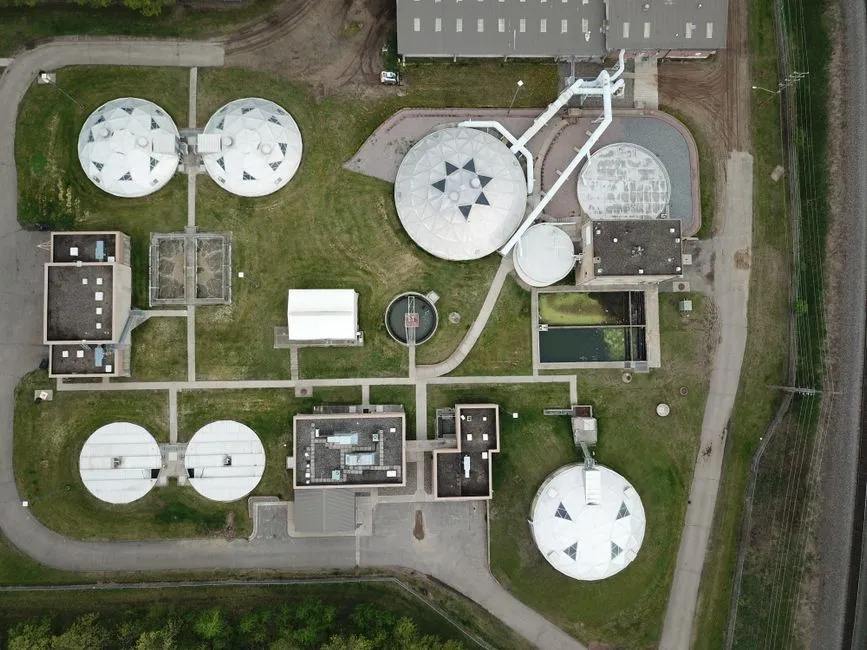
Most avoidable MBR and activated-sludge failures begin upstream of the biological reactor. Evaluate suspended solids, equalization, pH correction, temperature, salinity, oil and grease, and toxic-compound exposure. An equalization basin may dilute a slug of contaminated water, but it does not make a nonbiodegradable or inhibitory discharge safe for treatment. Design treatment around both average composition and the physical and chemical peaks that can pass through the plant.
Where suspended solids or colloidal material is substantial, evaluate physical removal before the biological stage. HydropureWater’s DAF pretreatment for mining wastewater is specified for suspended solids, oil and grease, and colloidal matter in industrial wastewater. For flows from 10 to 200 m³/h, the JY integrated water purification system combines coagulation, flocculation, sedimentation, filtration, and automatic backwash and is identified as suitable for mine-water applications. Those are catalog-specific statements; the applicable flow and contaminant suite still require engineering verification.
Do not imply that DAF, clarification, or integrated purification removes every dissolved contaminant. These physical and chemical steps can reduce selected material before biology, but dissolved metals and other soluble pollutants may require chemical precipitation, biological uptake, adsorption, membrane-based separation, or another specified process. The treatment train should have a documented removal mechanism for every regulated constituent.
For MBR maintenance, require physical access for membrane withdrawal, inspection, cleaning, and replacement. Ask how modules are removed, whether the platform and lifting arrangement support maintenance, what instrumentation tracks transmembrane pressure, how scouring is performed, which chemicals are approved, and which parts are recommended as spares. PLC capabilities and alarm response matter as much as membrane material because a fouling event must be detected and controlled before it changes the biological process.
A Practical Selection Framework for Greenville Projects
A four-question screen can identify the viable path before equipment drawings are prepared. First, does the wastewater support biological treatment? Second, is low suspended-solids effluent or industrial wastewater reuse required? Third, is land or footprint constrained? Fourth, can site personnel operate and maintain membrane systems reliably? A “yes” to the reuse and footprint questions can support MBR evaluation, but only after biological compatibility and pretreatment are established.
If toxicity, extreme pH, salinity, or refractory contaminants prevent biological treatment, resolve that limitation before comparing MBR with conventional activated sludge. Neither route cures inhibitory influent by itself. In that case, the project may require source control, physical or chemical pretreatment, a different biological strategy, or a nonbiological treatment train.
| Screening question | If yes | Required information or next step |
|---|---|---|
| Does the wastewater support biological treatment? | Both biological routes remain candidates | Toxicity, biodegradability, pH, salinity, and loading test results |
| Is low suspended solids or reuse required? | MBR merits detailed evaluation | Final effluent objective and required downstream polishing |
| Is footprint constrained? | MBR merits detailed evaluation | Available plot area, tankage, access, and utilities |
| Can the site maintain membrane systems? | MBR can proceed to pilot evaluation | Staffing, controls, cleaning equipment, spares, and service support |
| Are these requirements absent? | Conventional activated sludge may remain credible | Clarifier, aeration, sludge-return, land, and operating-complexity design |
For an MBR request, ask bidders for membrane material, pore size, module arrangement, scouring design, transmembrane-pressure monitoring, cleaning method, controls, spare parts, and guaranteed performance criteria. For activated sludge, request reactor sizing, aeration design, clarifier performance, sludge-return configuration, controls, and residual or sidestream handling. The automatic chemical dosing system may be relevant where pH or chemical correction is part of the train, but the required dose must come from the wastewater chemistry.
Use a pilot or bench-scale trial with actual mine and process streams before final sizing. Test variability, toxicity response, solids separation, membrane flux behavior if MBR is under consideration, and resulting effluent quality. Require bidders to state permit assumptions, test protocols, exclusions, construction schedule, training scope, and lifecycle assumptions so that proposals answer the same engineering questions.
What to Request in a Greenville MBR or Activated Sludge Proposal
A comparable Greenville proposal should begin with one shared basis of design: measured flow, design peak, wastewater characterization, required effluent, reuse objective, site constraints, sludge destination, and applicable permit language. A quotation based on average flow or generic “industrial wastewater” conditions is not a basis for final selection.
Require equipment guarantees tied to the stated wastewater and duty. For MBR, specify the guaranteed flow basis, influent limits, effluent solids, membrane flux or operating condition, cleaning expectations, and performance-test method. For conventional activated sludge, define reactor loading, mixed-liquor and solids-return controls, clarifier performance, aeration guarantees, and effluent criteria. Any permit assumption should be identified separately from guaranteed equipment performance.
Request itemized capital costs, installation costs, membrane or media replacement planning, chemicals, energy, labor, maintenance, residuals handling, and monitoring obligations. Also request process drawings, control narratives, membrane or clarifier maintenance plans, operator training, spare-parts recommendations, and performance-test procedures. These inputs make it possible to compare a membrane system with a reactor-and-clarifier system without hiding major differences in exclusions.
Require each bidder to identify assumptions that wastewater flow or composition is constant, biologically treatable, or within a stated capacity envelope. The U.S. EPA’s March 2013 Emerging Technologies guidance specifically cautions that technology information and cost estimates should be checked against current, up-to-date information. Use that as a procurement discipline, not as a 2026 guarantee: obtain current Greenville pricing, current performance evidence, and current permit criteria.
For additional context, the mining-wastewater activated-sludge comparison and mining and metals MBR comparison can help structure equivalent technical questions, but the Greenville design basis must come from the site’s own wastewater and reuse requirements.
Frequently Asked Questions
Is MBR better than conventional activated sludge for mining wastewater?
No single technology is better for every stream. Select MBR when biological treatability has been demonstrated, compact installation or low suspended-solids output matters, reuse or downstream polishing is a priority, and the site can maintain membrane systems. Conventional activated sludge remains credible for biologically compatible wastewater when land is available, clarification performance can meet the objective, and simpler operation is preferred.
How much does an MBR cost for a mining wastewater plant?
The supplied research does not establish a defensible Greenville price range. Request a site-specific quotation using one shared design basis, including measured and peak flow, wastewater characterization, effluent limits, pretreatment, installation, utilities, membrane replacement planning, labor, residuals, and monitoring. A lower equipment quotation is not comparable if it omits these items.
What size MBR does a mining site need?
Capacity cannot be selected from average flow alone. HydropureWater’s verified catalog states an integrated MBR applicability range of 10–2,000 m³/day, but final sizing must check hydraulic peaks, contaminant loading, membrane area, pretreatment, and required effluent quality. Pilot results should confirm the design before equipment selection.
Can MBR remove metals from mine wastewater?
Not as a general substitute for metals-removal treatment. Membranes physically separate solids and retain biomass, but dissolved metals require suitable biological, chemical, precipitation, adsorption, or other treatment steps. Identify the metal species, objective, and downstream process through site-specific testing.
How do I compare MBR and activated-sludge suppliers?
Require equivalent design bases, performance guarantees, drawings, control narratives, maintenance plans, membrane or clarifier details, lifecycle assumptions, commissioning plans, training, spare parts, and support terms. For the MBR, specifically verify membrane limits, cleaning, fouling controls, and access; for activated sludge, verify reactor loading, aeration, clarification, and sludge handling. Evaluate both options against the same discharge or reuse objective.