
Why Aden Changes the Data Center Water Equation
Aden sits on the Gulf of Aden inside a chronic freshwater-scarce basin, and water demand from data centers is set to intensify through 2026 and beyond as hyperscale builds concentrate in water-stressed regions such as the Middle East (IDE Tech, 2026). That puts a 1–20 MW Aden site in direct competition with municipal users, the Aden refinery, and any co-located desalination plant for the same limited aquifer and piped supply.
Intake options are brackish wells, intermittent municipal supply, or desalinated water from a co-located plant; each has its own TDS, scaling potential, and power demand that must be confirmed with the local utility before the train is sized. Grid reliability in Aden favors designs that minimize parasitic load on diesel generation, which is a hard filter when choosing between RO-only and RO plus a thermal concentration step. Discharge into coastal waters is increasingly constrained: regulators are tightening restrictions on heated and concentrated waste streams, so a permit-only strategy is fragile in 2026 (Baker Donelson, 2026).
Water Streams a Data Center in Aden Has to Treat
Cooling tower blowdown is the dominant stream and the one that decides the rest of the train. A cooling tower operating at 4 cycles of concentration loses approximately 25–30% of makeup water to blowdown, and a facility using 10 million gallons monthly discharges roughly 2.5–3 million gallons per month to blowdown (Genesis Water Tech, 2026). The chemistry is the harder problem: TDS of 1,200–6,000 mg/L depending on cycles and source water, scaling calcium, magnesium, silica, and alkalinity, accumulated biocides and corrosion inhibitors, suspended solids of 10–50 mg/L, and ongoing biological loading (Genesis Water Tech, 2026). Other streams to inventory on the P&ID are chiller and chilled-water bleed, humidification condensate, generator cooling water, on-site RO reject from makeup treatment, and sanitary wastewater from the operations building. Aden's high ambient temperatures push cooling cycles hard, which lifts both evaporation loss and the absolute mass of salts in blowdown compared with an equivalent inland site.
| Stream | Typical Volume vs. Makeup | Key Contaminants | Reuse or Discharge Path |
|---|---|---|---|
| Cooling tower blowdown | 25–30% of makeup at 4 cycles | TDS 1,200–6,000 mg/L; Ca, Mg, silica, alkalinity; biocides; SS 10–50 mg/L | RO reuse, MVC polish, or partial ZLD |
| Chiller / chilled-water bleed | Small, intermittent | Low TDS, glycol traces possible | RO or discharge compliance |
| Humidification condensate | Small, episodic | Low TDS, possible biological content | RO permeate blend or reuse |
| Generator cooling water | Closed loop, low bleed | Heat, glycol, corrosion inhibitors | Cooling-tower makeup or RO |
| RO reject from makeup treatment | 15–50% of makeup RO feed | High TDS concentrate | MVC or ZLD |
| Sanitary wastewater | Small, steady | BOD, nitrogen, pathogens | Packaged anoxic/aerobic plant |
The Chemistry That Decides the Treatment Train
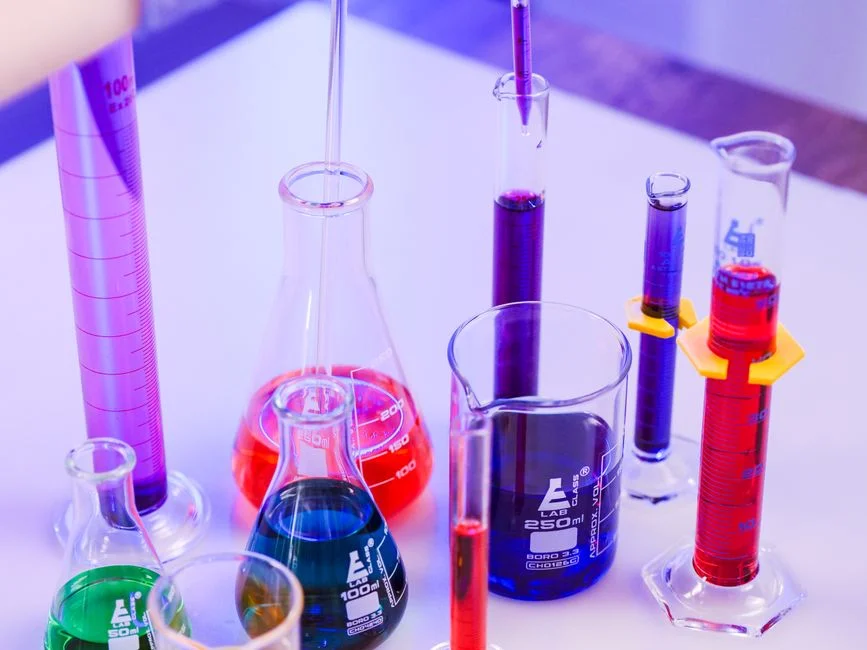
Cooling tower evaporation leaves sparingly soluble salts — silica, calcium carbonate, calcium sulfate — concentrated in the blowdown, and these are the species that limit conventional RO recovery (IDE Tech, 2026). A standard BWRO skid on cooling tower blowdown typically plateaus at about 75–80% recovery before scaling becomes unmanageable (IDE Tech, 2026); pushing further without chemistry control triggers rapid membrane fouling and short cleaning cycles. Antiscalant selection must be matched to the dominant scalant, and phosphate-based inhibitors are a poor choice where the downstream path is a thermal concentrator or a ZLD crystallizer because phosphate carries through and fouls the heat-transfer surface. Silica is the binding constraint for many hypersaline feeds: pushing overall recovery above roughly 85% usually needs an explicit silica management step such as controlled precipitation in a fluidized bed, warm lime softening, or a thermal stage that volatilizes the silica with the distillate (IDE Tech, 2026).
Building the 2026 Treatment Train for Aden
The 2026 train for a hypersaline Aden site runs side-stream filtration, ultrafiltration pretreatment, brackish RO, and either a high-recovery closed-loop polish or a partial ZLD step. Step 1 is side-stream filtration on the cooling loop at 1–5% of circulation flow to drop suspended solids and biological loading before blowdown leaves the basin; self-cleaning spiral or disc filters paired with a low-foam bio-organic flocculant are the current 2026 norm (Genesis Water Tech, 2026). Step 2 is an ultrafiltration pretreatment skid at 0.01–0.1 micron with 90–95% recovery, low pressure of 10–30 psi, and permeate backwash, sized to bring SDI below 3 for the downstream RO (Genesis Water Tech, 2026). Step 3 is a brackish RO system with closed-loop high-recovery operation at 50–85% recovery and 150–400 psi, producing permeate of 10–50 mg/L TDS suitable for cooling tower makeup (Genesis Water Tech, 2026); the local recovery target must be set by the silica and CaSO4 saturation indices of the actual Aden feed, which is an input to confirm with the local utility or a co-located desalination plant. Step 4 is a high-recovery polish, either a closed-loop architecture that precipitates silica and calcite and operates the RO dynamically, or an MVC evaporator at 95–98% recovery producing distillate below 10 mg/L TDS at 15–25 kWh per 1,000 gallons (IDE Tech, 2026; Genesis Water Tech, 2026). Step 5 is discharge polish, where any residual brine or blowdown must be released, using an on-site chlorine dioxide generator for cooling-loop and discharge polish, pH correction, and a multi-media filter polishing the side-stream loop to meet whatever TDS, temperature, and biocide limits the Yemeni EPA applies. Sanitary wastewater from the operations building is best handled in a packaged anoxic/aerobic plant so the industrial train is reserved for the higher-value blowdown reuse duty.
| Stage | Equipment | Operating Window | Output Quality |
|---|---|---|---|
| Side-stream filtration | Self-cleaning spiral or disc filter + bio-organic flocculant | 1–5% of circulation flow | SS reduced, biology controlled |
| UF pretreatment | Hollow-fiber UF, permeate backwash | 10–30 psi; 90–95% recovery | SDI < 3 to RO |
| Brackish RO | BWRO with energy recovery | 150–400 psi; 50–85% recovery | Permeate 10–50 mg/L TDS |
| High-recovery polish | Closed-loop RO + controlled precipitation, or MVC evaporator | MVC at 15–25 kWh / 1,000 gal | Distillate < 10 mg/L TDS |
| Discharge polish | ClO₂ generation, pH correction, multimedia filter | Site-specific | Permit TDS, temperature, biocide |
Power, Heat, and Logistics Constraints in Aden
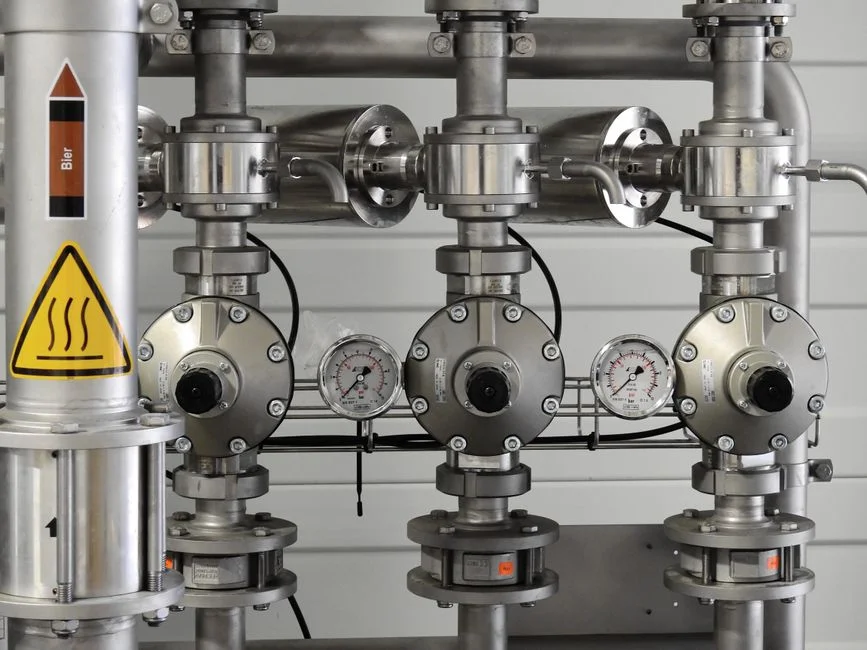
High-recovery thermal steps (MVC, brine concentrator) draw 15–25 kWh per 1,000 gallons of distillate (Genesis Water Tech, 2026); in Aden, that electricity is largely diesel-derived, so the OPEX of the kWh must be weighed against the avoided cost of trucked freshwater. Available waste heat from generators or chillers can offset MVC energy use, but few Yemeni sites have enough continuous waste heat to justify a steam-driven concentrator without purpose-built heat source (Genesis Water Tech, 2026). Containerized or skid-mounted treatment trains are typically the right form factor for Aden: pre-wired, factory-tested skids (UF, RO, dosing, chlorination) can be delivered by sea, installed in weeks, and operated without a large local specialist workforce. Spare-membrane and consumable logistics must be planned in the procurement stage; the supplier's regional stocking and the OEM compatibility of replacement elements are direct operating risks, and a OEM-compatible membrane and cartridge replacement stock plan should be on the bid form. Chemical feed, antiscalant, and biocide are best handled on a PLC-controlled antiscalant and biocide dosing skid so the dosing setpoints track RO recovery and cycles of concentration in real time.
2026 Cost, Reuse, and Compliance Trade-offs
Direct discharge of blowdown in water-stressed jurisdictions now costs $5–15 per thousand gallons in fees, before any treatment to meet permit limits (Genesis Water Tech, 2026); that figure is the avoided cost of every thousand gallons reused and is the first number to put on the financial model. RO operating cost on blowdown runs about $1.50–3.00 per thousand gallons treated, while MVC polish is materially more energy-intensive, and full ZLD operating cost lands in the $5–15 per thousand gallons range (Genesis Water Tech, 2026). A 50,000 GPD RO skid treating blowdown installs for roughly $250,000–$500,000, and full ZLD systems for data center duty sit in the $3–8 million range — these are planning numbers, not quotes, and an Aden-specific budgetary check needs to add diesel generation cost, sea-freight, and import duties (Genesis Water Tech, 2026). Compliance risk is rising in 2026: tightening restrictions on heated and concentrated waste streams mean a permit-only strategy is fragile (Baker Donelson, 2026), and a site that cannot prove reuse progress this year will struggle with the next permit cycle. A reuse-first design converts compliance risk into an operating asset because every thousand gallons reused is a thousand gallons that does not need a permit.
| Option | Capital (planning) | OPEX per 1,000 gal | Recovery | Best Fit in Aden |
|---|---|---|---|---|
| RO only, discharge to sea | $250k–$500k (50,000 GPD) | $1.50–$3.00 | 50–85% | Only if discharge permit is secure |
| RO + MVC polish | $1M–$3M (10k–30k GPD MVC) | MVC adds 15–25 kWh/kgal | 85–95% | Reuse-first sites with diesel power |
| Full ZLD (RO + MVC + crystallizer) | $3M–$8M | $5–$15 | 95–99% | Sites with no discharge path |
| Trucked freshwater (avoided cost) | — | Site-specific; rising | — | Baseline for reuse economic case |
Choosing a Supplier for an Aden Data Center Project
Confirm the OEM can deliver a fully integrated train — UF, RO, dosing, disinfection, and optional MVC — from a single project owner rather than four separate vendors; integration risk is the leading cause of underperformance on Aden builds. Require feed-water-specific performance guarantees: recovery, permeate TDS, silica passage, and energy per cubic meter, each tied to a defined Aden-equivalent feed. The published MAXH2O case hit approximately 95% recovery with permeate silica of about 1 mg/L (IDE Tech, 2026) and is a useful reference benchmark, but the guarantee must be re-anchored to the actual Aden intake once the utility confirms TDS, silica, and temperature. Demand a documented consumables and spare-parts plan and confirm membrane elements are available in non-OEM-equivalent formats so the site is not locked into a single supplier after year two. Pre-qualify the supplier on remote monitoring and PLC integration, because sites with limited on-site specialist cover depend on remote monitoring of RO, dosing, and disinfection systems to keep the train on its design point. A useful cross-check is a comparable 2026 guide for a South Asian data center site or the comparable 2026 guide for a West African data center site for the same equipment selection logic, while the 2026 compliance guide for data center discharge gives the regulatory framing and the Kuwait 2026 guide on decentralized wastewater systems shows the modular packaging pattern that suits Aden logistics.
Frequently Asked Questions
What is the realistic 2026 budget envelope for a blowdown reuse train at a 1–20 MW Aden site?
Use the planning numbers from the 2026 dataset as a starting envelope rather than a quote: a 50,000 GPD RO skid treating blowdown installs for $250,000–$500,000, MVC polish for a 10,000–30,000 GPD train sits in the $1–3 million range, and a full ZLD system lands in the $3–8 million range (Genesis Water Tech, 2026). On top of those numbers, a buyer in Aden must request a separate line for diesel generation OPEX, sea freight, import duties, and the cost of any utility-side feed-water study, because none of those are inside the published planning range. The economic case then rests on comparing avoided trucked-water cost and avoided discharge fees of $5–15 per thousand gallons (Genesis Water Tech, 2026) against the OPEX of $1.50–$3.00 per thousand gallons for RO and $5–$15 per thousand gallons for full ZLD.
How should a buyer in Aden screen suppliers for a hypersaline cooling blowdown project?
Require a single point of accountability for the integrated train (UF, RO, dosing, ClO₂, optional MVC), feed-water-specific performance guarantees re-anchored to Aden intake data, and a documented consumables and spare-parts plan that includes non-OEM-equivalent membrane options. Ask the supplier for a remote-monitoring architecture that covers RO, dosing, and disinfection, because limited on-site specialist cover makes remote monitoring the difference between running on the design point and drifting off it. Validate the supply chain by asking for evidence of regional stocking of OEM-compatible membrane and cartridge replacement stock and by checking that the PLC-controlled antiscalant and biocide dosing skid can be serviced locally.
What cycles of concentration should a 5 MW Aden data center target on the cooling loop?
Cycles of concentration are a chemistry decision, not a number to copy from another site. The 2026 trade-off is clear: at 4 cycles the blowdown is roughly 25–30% of makeup water (Genesis Water Tech, 2026), but the absolute salt load per thousand gallons of blowdown is lower, so a conventional BWRO at 75–80% recovery can often handle it. Pushing higher cycles lowers blowdown volume but lifts TDS into the 1,200–6,000 mg/L window and brings silica, CaCO3, and CaSO4 to scaling thresholds, so recovery then depends on the saturation indices of the actual Aden feed and on whether a closed-loop or MVC polish is in the train. The target cycles should be set after the local utility or co-located desalination plant confirms intake silica, calcium, magnesium, and alkalinity.
What is the lead-time picture for a containerized RO + UF + dosing + ClO₂ train in Aden?
Containerized or skid-mounted trains are the right form factor for Aden because they are pre-wired, factory-tested, and can be delivered by sea and installed in weeks rather than months, with reduced dependence on a large local specialist workforce. The buyer should request a written schedule that includes engineering, factory acceptance testing, sea transit, site installation, commissioning, and operator training, and that schedule should be tied to a single point of accountability so that integration risk across UF, RO, dosing, and ClO₂ generation does not fall on the EPC. Compliance risk on the discharge side should be confirmed in parallel: tightening restrictions on heated and concentrated waste streams (Baker Donelson, 2026) mean the lead-time on a permit-only strategy is not the engineering lead-time, it is the regulatory clock.