Why Savanna Fabricated Metals Plants Get Pulled Into Federal Pretreatment
Fabricated metals and metal finishing plants near Savanna, Illinois, fall under the EPA Metal Finishing Effluent Guidelines at 40 CFR Part 433 because the rule is defined by manufacturing process rather than industrial sector. Any plant running one of the six core operations is covered regardless of its primary NAICS description. If a plant performs any of those six operations, discharges from the 46 operations listed in 40 CFR 433.10(a) are covered by the Part 433 standards. Facilities regulated by these guidelines are often included in SIC Major Groups 34 through 39, which captures fabricated metals and a range of finishing-intensive manufacturers in northwest Illinois.
A shop that mostly does stamping, machining, or welding, but also runs a small plating or chromate conversion line, inherits the full categorical pretreatment program. The local POTW applies the federal limits, files compliance reports, and runs sampling; the fabricator is now a categorical industrial user. EPA's Toxics Release Inventory also tracks fabricated metals manufacturing waste management trends, adding a second federal reporting layer for many Savanna-area plants and a parallel set of recordkeeping requirements for the compliance manager.
The practical consequence is that a fabricator cannot treat pretreatment as an environmental department problem. It is a production problem, because the choice of cutting fluid, drawing compound, rinse water flow, and chrome bath chemistry all feed the same discharge pipe the POTW is monitoring.
The 2026 Pollutants Savanna Plants Must Control Before the Sewer
The Part 433 pollutant list consists of three groups a Savanna plant must characterize before it can right-size equipment. Conventional pollutants cover total suspended solids, oil and grease, FOG, and pH, which are driven by cutting fluids, drawing compounds, stamping lubricants, and rinse waters that run off the production floor. Toxic metals include lead, cadmium, chromium (including hexavalent chromium), copper, nickel, and zinc from plating baths, conversion coatings, and rinse drag-out. PFAS is the newest layer: following the Preliminary Effluent Guidelines Program Plan 15 (September 2021), the EPA is conducting a rulemaking to address PFAS discharges from a subset of facilities in the Metal Finishing and Electroplating point source categories, with supporting materials filed at docket EPA-HQ-OW-2022-0869 on regulations.gov.
PFAS exposure is concentrated where the chemicals are used to control hexavalent chromium emissions. EPA determined that facilities performing certain chromium operations—including plating, anodizing, chromic acid etching, and chromate conversion coating—are the predominant sources of PFAS discharges within these categories. Local POTW limits are typically at least as strict as the Part 433 categorical limits, and they commonly add local limits for flow, pH window, and ammonia, meaning the operating envelope a Savanna plant designs to is usually tighter than the federal floor.
| Pollutant group | Examples | Typical source in a fabricated metals plant |
|---|---|---|
| Conventional | TSS, oil & grease, FOG, pH | Cutting fluids, stamping lubricants, drawing compounds, parts-washer rinse water |
| Toxic metals (Part 433) | Lead, cadmium, total and hexavalent chromium, copper, nickel, zinc | Plating baths, conversion coatings, anodizing lines, rinse drag-out |
| PFAS (proposed scope) | PFAS used in fume suppressants for hexavalent chromium control | Chrome plating, chromium anodizing, chromic acid etching, chromate conversion coating |
A practical first step is a one-week mass balance: composite every process drain, log flow, and run the parameter list above through an accredited lab so the operator knows which rows of the table are the design drivers and which are non-detects.
Building the Pretreatment Train: How Operators Sequence the Equipment
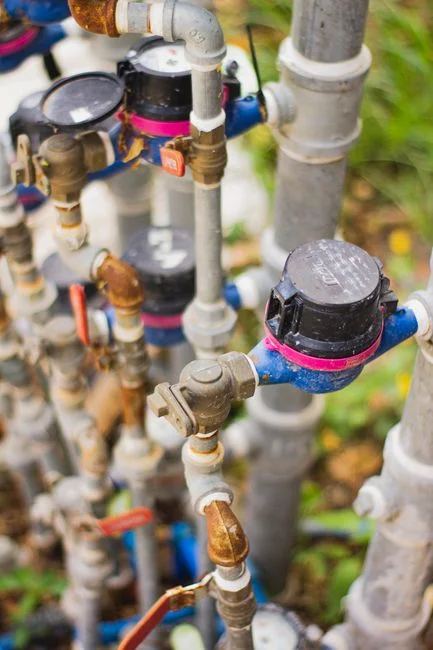
Most Savanna-area pretreatment trains follow a standard six-stage sequence because each stage handles a class of pollutant the next stage cannot tolerate. Equalization and flow buffering come first, as this stage mitigates slug loads from batch finishing lines that often cause compliance failures. From there, the wastewater moves to primary solids and oil removal, where a DAF system for metalworking wastewater is commonly used to lift emulsified oils, FOG, and suspended solids before any metal precipitation step.
pH adjustment and chemical precipitation follow, separating heavy metals from solution using hydroxide, sulfide, or DTC chemistry with PLC-controlled chemical dosing for metals precipitation to keep reagent stoichiometry inside the operating window. Polishing comes next: a lamella clarifier for metals wastewater or a multi-media filter catches floc carryover, protects downstream sludge handling, and consistently meets discharge limits during a slug event. The final stage is sludge dewatering, where a filter press for hydroxide sludge dewatering drops the sludge volume before disposal and cuts hauling cost per ton.
- Equalization / flow buffering for batch slug loads.
- Primary separation: DAF for emulsified oils, FOG and TSS.
- pH adjustment and chemical precipitation of dissolved metals.
- Polishing: lamella clarifier or multi-media filter for floc carryover.
- Sludge dewatering with a plate and frame filter press.
- Final monitoring, sampling and discharge to the POTW.
Material selection for the tanks, pipelines, valves, pumps, clarifiers, bar screens, and grit chambers is typically stainless steel, carbon steel, aluminum, or nickel alloys, as stainless steel is widely used for its corrosion resistance in the harsh chemistry a metal precipitation system creates.
DAF vs. Lamella Clarifier for Fabricated Metals Wastewater
The choice between a DAF unit and a lamella clarifier is the largest equipment decision a Savanna fabricator makes for primary separation, driven by the oil-to-solids ratio in the wastewater. DAF is the better fit for plants with high FOG and emulsified oil loads typical of stamping, machining, and parts washing, because the dissolved air bubbles attach to oil droplets and float them to the surface for mechanical skimming. The lamella clarifier is the better fit for plants with lower oil content and higher settleable solids, particularly where footprint is constrained, because the inclined plates provide high effective surface area inside a small basin.
| Selection criterion | DAF | Lamella clarifier |
|---|---|---|
| Best influent profile | High FOG and emulsified oil | Lower oil, higher settleable solids |
| Footprint | Larger rectangular basin with skimmer | Compact stack of inclined plates |
| Surge tolerance | Strong — handles batch finishing dumps | Moderate — sensitive to hydraulic spikes |
| Energy and chemical footprint | Higher compressed-air demand for saturator | Lower compressed-air demand |
| Position in train | Before or after chemical precipitation | Typically after precipitation as a polisher |
| Sludge handling | Floated float; can be combined with bottom sludge | Settled sludge to a hopper at the base |
Both technologies pair with chemical dosing for metals precipitation, but DAF typically follows precipitation better when oil and FOG still need to be lifted, while lamella clarifiers are usually placed downstream as a polishing stage. The hydraulic envelope is a major procurement driver; DAF units in the 4–300 m³/h range and lamella clarifiers handle comparable flows with surface loading rates commonly an order of magnitude higher than conventional basins. For a plant on a tight lot, a side-by-side look at the Cuba, NY fabricated metals DAF vs clarifier guide and the Luttrell TN mining and metals DAF vs clarifier guide provides a useful sanity check on footprint and energy tradeoffs before a vendor is invited to quote.
Operator Routine: BMPs, Sampling and Slug Control in 2026
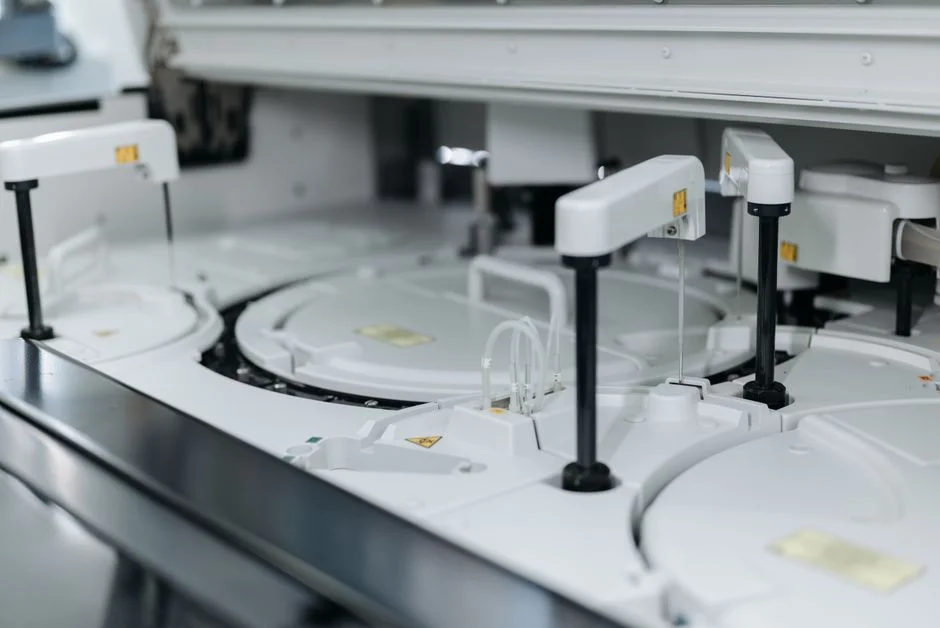
Equipment alone does not keep a Savanna plant in compliance; the operator routine turns categorical limits into a daily habit. Best management practices start with segregated process drains, dedicated chrome wastewater streams, and covered chemical storage to keep storm water out of the pretreatment system, as a slug of storm water through a chromium drain is the most common way an otherwise compliant plant violates a hexavalent chromium limit. A rotary bar screen for headworks protection ahead of the equalization basin keeps solids and shop debris out of the chemical dosing stage.
Sampling cadence follows 40 CFR 136 methods, with 8-hour composite samples collected for the categorical parameters and daily pH and flow monitoring on the discharge line to provide a contemporaneous record if a local limit excursion is questioned. The slug control plan is a written procedure covering batch dumps, tank failures, and chemical spills, with diversion to a containment tank before the DAF or clarifier; this is the document the POTW inspector will request first. Recordkeeping closes the loop: chain of custody for every sample, calibration logs for pH and flow meters, and benchmark reports filed with the POTW per the local control mechanism, supported by a PLC-controlled chemical dosing system that timestamps reagent additions and pump strokes for audit purposes.
The 2026–2027 Wild Card: PFAS for Chrome Finishing Plants
PFAS is the parameter that can change a Savanna chrome finisher's compliance program during the next planning cycle. Following the Preliminary Effluent Guidelines Program Plan 15 (September 2021), the EPA is conducting a rulemaking to address PFAS discharges from a subset of facilities in the Metal Finishing and Electroplating point source categories. The rulemaking targets facilities performing chromium plating, chromium anodizing, chromic acid etching, and chromate conversion coating operations—collectively termed "chrome finishing facilities." EPA's Multi-Industry PFAS Study identified PFAS use for hexavalent chromium emissions control as the predominant pathway for these discharges, shifting the regulatory pressure to the fume suppressant rather than the plating bath itself.
All supporting materials are filed at EPA's docket at regulations.gov under Docket Number EPA-HQ-OW-2022-0869. The contacts are Phillip Flanders ([email protected], 202-566-8323) for PFAS questions and Ahmar Siddiqui ([email protected], 202-566-1044) for all other Part 433 questions. The concrete next step for a Savanna chrome finisher is to inventory fume suppressant chemistries today, identify any PFAS-based products, and line up vendor alternatives before the proposed rule lands, as switching a fume suppressant mid-rule is more complex than during a routine bath change.
Frequently Asked Questions
Which SIC codes and operations pull a Savanna fabricated metals plant into 40 CFR Part 433?
Facilities regulated by the Metal Finishing Effluent Guidelines are often included in SIC Major Groups 34 through 39. If a plant performs any of the six core operations, then discharges from the 46 operations listed in 40 CFR 433.10(a) are covered by the Part 433 standards, so a fabricator that also runs plating, anodizing, or chromate conversion inherits the full categorical program regardless of its primary SIC code.
Should a fabricated metals plant choose DAF or a lamella clarifier for primary separation?
DAF is the better fit for high FOG and emulsified oil loads typical of stamping, machining, and parts washing, while a lamella clarifier is a better fit for lower oil content and higher settleable solids on a constrained footprint. Chemical precipitation is the metals removal step in either configuration, and DAF typically follows precipitation when oil and FOG still need to be lifted.
What is the current PFAS rulemaking trigger for chrome finishing plants?
EPA's rulemaking under docket EPA-HQ-OW-2022-0869 targets facilities performing chromium plating, chromium anodizing, chromic acid etching, and chromate conversion coating operations. The driver is PFAS use to control hexavalent chromium emissions, identified by the Multi-Industry PFAS Study as the predominant pathway.
What should a buyer request from a pretreatment equipment vendor to stay compliant in 2026?
Request a written 40 CFR Part 433 compliance reference, the sizing basis used for flow and pollutant load, projected chemical consumption per shift, expected sludge yield and dryness, and demonstrated 8-hour composite sampling performance against the categorical limits. Ask whether the control