
Why Elimer Mining and Metals Plants Ask DAF vs Clarifier in 2026
Mining and metals wastewater in Elimer, US is not a single stream; a single plant can discharge ore-wash water with sands, clays and coarse fines, flotation thickener overflow with reagent residues and light metal-hydroxide flocs, metal-finishing rinse with lubricants and cutting oils, and stormwater contact runoff that picks up everything in between. The suspended-solids character of each of those streams drives whether flotation or sedimentation is the right primary step, which is why a default answer is the wrong answer.
The US compliance frame reinforces that point: an Elimer mining/metals plant is typically bound by NPDES pretreatment under 40 CFR Part 403, with a category-specific effluent limit set underneath — Part 438 (Ore Mining and Dressing) for the mining side and Part 430 (Metal Finishing) for the finishing side — and the unit chosen as the primary clarifier has to be defensible in an engineering report, not just preferred on the floor. The same operator who a decade ago defaulted to a single large clarifier is now asking whether a DAF system for mining and metals wastewater can replace or front-end that clarifier, especially where the stream carries FOG, oils and low-density flocs a clarifier lets pass through. That is the real 2026 question, and it deserves a head-to-head answer.
What Each Technology Actually Does to Mining/Metals Particles
A dissolved air flotation clarifier injects 30–50 micron micro-bubbles into chemically conditioned wastewater; the bubbles attach to flocculated particles and float them to the surface, where a paddle skimmer removes the float, while heavier particles settle to a bottom collection zone and are augered out (Clearwater/SigmaDAF, 2026-04-27). A conventional or lamella clarifier is a gravity settler — often fitted with inclined plates — that relies on particle specific gravity to drop suspended solids to a sludge bed; performance is governed by surface overflow rate, not bubble attachment. That mechanism difference is the entire decision. High-density ore fines, mill scale and grit settle readily and waste clarifier surface area if routed to a DAF; conversely, lube oils, hydraulic fluid, cutting oils and the light hydroxide flocs produced when metal-bearing rinse is neutralized stay in suspension and pass through a clarifier — the exact population DAF is built for. Both technologies require chemical conditioning: the scraped DAF source states that coagulant, pH adjustment and polymer flocculant are typically dosed through 15–45 second serpentine flocculation tubes or staged mix tanks, and the same conditioning logic improves clarifier performance, so chemical OPEX must be carried on both sides of any comparison (Clearwater/SigmaDAF, 2026-04-27).
DAF vs Clarifier Comparison Matrix for Mining/Metals Streams
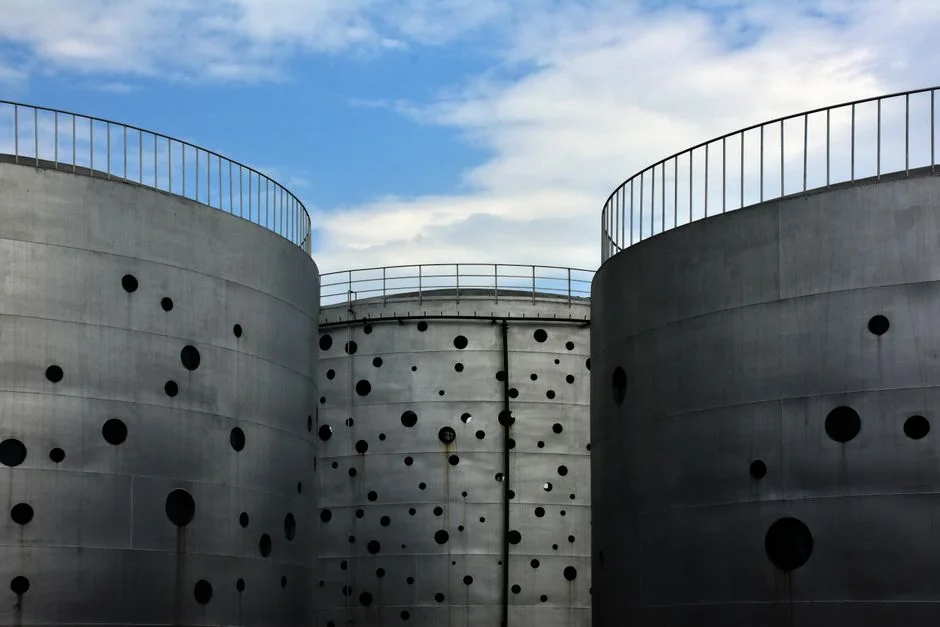
The table below positions the two technologies against the parameters an Elimer plant engineer actually has to defend in a memo: mechanism, best particle class, hydraulic range, chemical demand, footprint/start-up, and materials of construction. The engineer should obtain site-specific numbers from the supplier and the local POTW before sizing a unit.
| Parameter | DAF (dissolved air flotation clarifier) | Conventional / Lamella Clarifier |
|---|---|---|
| Mechanism | 30–50 µm micro-bubbles attach to flocculated particles and float them; heavier particles settle to a bottom collection zone and are augered out (Clearwater/SigmaDAF, 2026-04-27). | Gravity sedimentation, enhanced by inclined lamella plates in lamella designs. |
| Best particle type | Oil, FOG, low-specific-gravity flocs, low-density metal hydroxides, flotation reagent residues. | Coarse ore fines, mill scale, dense metal sludges, grit. |
| Hydraulic range | Model-dependent: COMPACT DAF is a single skid at ≤66 GPM and a two-skid modular system above 66 GPM; FPHF is positioned for high flows with low-to-large solids loads (Clearwater/SigmaDAF, 2026-04-27). | Scales more linearly; dominates at very high flow with heavy, fast-settling grit. |
| Chemical demand | Coagulant + pH adjustment + polymer flocculant, dosed via 15–45 s flocculation tubes or staged mix tanks (Clearwater/SigmaDAF, 2026-04-27). | Often pH adjustment only when fines are dense and self-flocculating; full conditioning train still recommended for tight TSS limits. |
| Footprint & start-up | Compact skid footprint; requires clean-water fill at start-up to protect the recirculation pump and air saturation system, and a chemical train upstream (Clearwater/SigmaDAF, 2026-04-27). | Larger plan footprint for a given flow, especially concrete circular clarifiers; starts on raw water, no saturation system. |
| Materials of construction | Standard 304SS; 316SS and polypropylene available on request — relevant for Elimer streams with chloride, low pH spikes or abrasive fines (Clearwater/SigmaDAF, 2026-04-27). | Commonly concrete with internal launders; steel or FRP internals where chemistry or footprint drives the choice. |
| Best fit in a hybrid train | Polishing step after a primary clarifier, or as a primary step on oily/light-floc streams. | Primary settler for grit and dense fines, often followed by a DAF for oil/FOG polish. |
Which DAF Model Fits Which Mining/Metals Application
The scraped Clearwater/SigmaDAF content describes four DAF families that map cleanly onto Elimer sub-applications. The FPAC DAF is a low-profile cross-flow separator with a large free surface area, designed for small-to-medium flow with very high solids loads (TSS, FOG); it fits concentrate thickener overflow and oily parts-washer streams. The FPBC DAF is a high-profile separator with a lamella pack for low-to-medium solids loads and low-buoyancy particles; it fits polishing duties and finishing rinse where most of the TSS has already been settled (Clearwater/SigmaDAF, 2026-04-27). The FPHF DAF combines cross-flow and counter-current flow and is positioned for high flows with low-to-large solids loads; it is the family to evaluate when the Elimer plant is centralizing treatment of multiple sumps. The COMPACT DAF is a pre-assembled turnkey skid with chemical conditioning, sensors, instruments and a PLC; flows of 66 GPM or less are managed with a single skid and flows above 66 GPM with a modular two-skid system. Material selection should be specified up front: 304SS is the scraped standard, but 316SS or polypropylene should be requested where the Elimer stream carries chloride, low-pH spikes, or abrasive fines.
2026 Decision Framework: Choose DAF, Clarifier, or Both
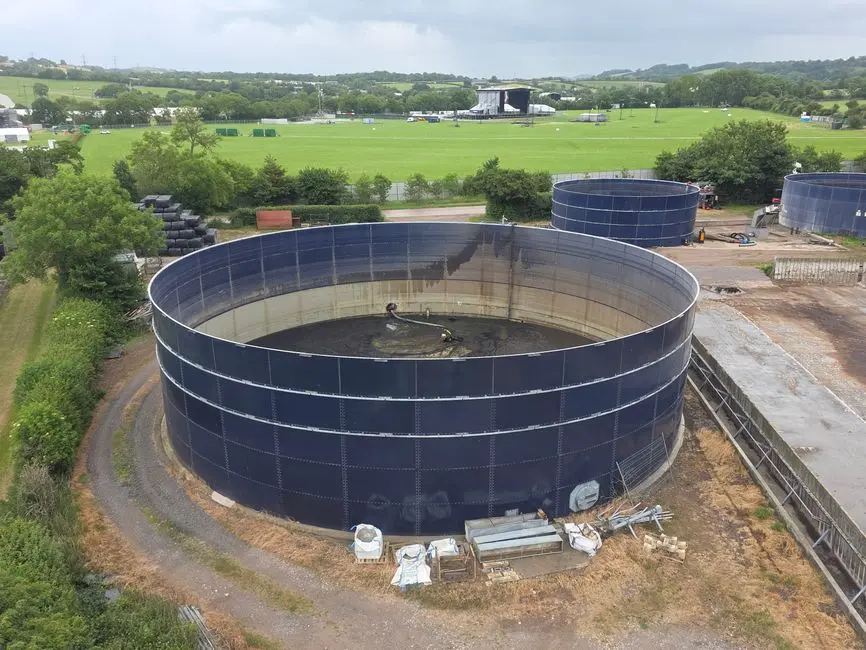
Selecting the right primary treatment technology requires balancing specific solids characteristics with site constraints.
- Choose DAF as the primary step when the stream carries visible oil/FOG, reagent residues, low-density metal-hydroxide flocs from neutralization, or a floating sheen; the FPAC (very high load) or COMPACT (≤66 GPM packaged) families are the starting points (Clearwater/SigmaDAF, 2026-04-27).
- Choose a clarifier as the primary step when the stream is dominated by dense ore fines, mill scale or coarse grit; when flow is high and consistent; when the chemical budget is constrained; and when the operator wants simple gravity start-up.
- Choose a hybrid layout when both populations are present: a primary clarifier removes the bulk of dense grit and a downstream DAF polishes off the oil/FOG and light flocs that pass through — this is the most common 2026 layout at mixed mining-and-finishing sites in the Elimer footprint.
Tie-breakers when both options are technically viable include footprint, OPEX, and pretreatment compliance risk. Any DAF quoted for an Elimer mining/metals site should be specified with confirmed 304SS/316SS/polypropylene material options, a chemical conditioning train sized to actual jar-test data, and a documented clean-water start-up reservoir. The clarifier side of a hybrid train is typically served by a high-efficiency lamella clarifier ahead of the DAF, and the polymer/coagulant feed is best handled by a PLC-controlled coagulant and flocculant dosing skid.
Compliance and Specs Snapshot for an Elimer 2026 Selection
The table below consolidates the regulatory frame and the scraped equipment specifications for use in a memo or RFQ.
| Topic | Value / Requirement | Source / Action Required |
|---|---|---|
| Applicable US rules | 40 CFR Part 403 (NPDES pretreatment) plus Part 438 (Ore Mining and Dressing) for mining streams and Part 430 (Metal Finishing) for downstream finishing rinse. | Confirm category-specific limits with the local POTW or NPDES permit writer. |
| DAF micro-bubble size | 30–50 µm | Clearwater/SigmaDAF, 2026-04-27 |
| COMPACT DAF flow split | Single skid ≤66 GPM; modular two-skid >66 GPM | Clearwater/SigmaDAF, 2026-04-27 |
| DAF standard material | 304SS; 316SS and polypropylene available on request | Clearwater/SigmaDAF, 2026-04-27 |
| Chemical conditioning | Coagulant, pH adjustment and polymer flocculant via 15–45 s flocculation tubes or staged mix tanks | Clearwater/SigmaDAF, 2026-04-27 |
| Start-up requirement | Clean-water fill required before introducing wastewater | Clearwater/SigmaDAF, 2026-04-27 |
| DAF model → application | FPAC: high TSS/FOG · FPBC: low-to-medium load polishing · FPHF: high flow · COMPACT: packaged/skid duty | Clearwater/SigmaDAF, 2026-04-27 |
| Items to obtain from supplier / POTW | Site-specific % TSS and oil removal guarantees, OPEX per m³, exact local Elimer discharge limits, hydraulic capacity per model number, full PLC scope of supply. | Buyer to request from supplier and local pretreatment coordinator; see 2026 mining and metals pretreatment compliance framing. |
Frequently Asked Questions
What is the single biggest decision factor when choosing between a DAF and a clarifier for an Elimer mining or metals stream?
Particle specific gravity and oil content drive the choice. A DAF is the right tool when the stream carries FOG, reagent residues or low-density metal-hydroxide flocs; a conventional or lamella clarifier is the right tool when the stream is dominated by dense ore fines, mill scale or coarse grit (Clearwater/SigmaDAF, 2026-04-27).
How should a 2026 Elimer plant engineer size a DAF system for a mining or metals stream?
Size starts with jar testing on the actual stream to fix coagulant, pH adjustment and polymer dose, then with hydraulic flow split — single skid at ≤66 GPM or a modular two-skid layout above 66 GPM for the COMPACT DAF family (Clearwater/SigmaDAF, 2026-04-27). The engineer should request site-specific TSS and oil removal guarantees and a full PLC scope of supply from the supplier.
What is the realistic OPEX delta between running a DAF versus a clarifier as the primary step?
The research does not provide a specific dollar figure for the OPEX delta. A DAF adds a saturated-water recirculation pump, an air saturation system and a full chemical train on top of clarifier-grade chemistry, while a clarifier can run with pH adjustment only when the fines are dense and self-flocculating (Clearwater