Why cooling tower blowdown is the central water challenge in Kisangani
Cooling tower blowdown is the periodic purge that keeps dissolved solids, corrosion byproducts and biological growth from accumulating inside a recirculating cooling loop (Genesis Water Tech, 2026). At 4 cycles of concentration, a typical data center cooling tower loses 25–30% of makeup water to blowdown, and pushing cycles higher reduces that volume only by worsening the chemistry of what remains (Genesis Water Tech, 2026). For a 100 MW facility, that loss can reach roughly 2 million litres per day of feed water, which in a Congo basin context is water the local system will not return to the same watershed (IDE Tech, 2026).
Discharging that stream to the river is a poor default for a Kisangani site. Open discharge can raise stream salinity, deliver biocides and antiscalants to a tropical freshwater system, and add thermal load to receiving water that already supports hydropower, fishing and forestry concessions (NCSU/Sprenger, 2026-09). A blowdown recovery train that returns 60–85% of that purge to the cooling tower as makeup, with the rest treated for safe disposal, is the lowest-cost, fastest-to-deploy path to lower freshwater draw for a Congo basin build (Genesis Water Tech, 2026). The same logic that drives a Matola, Mozambique design applies here, and the regional framing in cooling tower blowdown treatment in Matola, Mozambique shows how tropical surface-water feeds shape train selection.
Blowdown and feed-water characteristics a Kisangani plant must design for
The design envelope for the blowdown stream includes TDS of 1,200–6,000 mg/L, suspended solids of 10–50 mg/L, accumulated biocides, corrosion and scale inhibitors, and biofilm fragments shed from the cooling loop (Genesis Water Tech, 2026). Existing research lacks a specific Congo River intake value, so any final design must be preceded by a full feed-water analysis covering turbidity, silica, hardness, alkalinity, iron, manganese, TOC and microbiological counts. Without that data, the rest of the train is sized on assumptions the project will pay to correct later.
Three sparingly soluble species bound recovery on a conventional BWRO: silica, calcium carbonate and calcium sulfate. These are the same salts that hold the 75–80% recovery ceiling on standard brackish RO (IDE Tech, 2026). On the discharge side, some jurisdictions have set TDS limits below 1,500 mg/L on industrial effluents, which is effectively a ban on untreated blowdown discharge (Genesis Water Tech, 2026). That benchmark is what the train must hit if any concentrate reaches the Congo or a tributary.
| Parameter | Typical blowdown range | Design implication |
|---|---|---|
| TDS | 1,200–6,000 mg/L | Sets osmotic pressure; bounds RO recovery at 50–85% (Genesis Water Tech, 2026) |
| Suspended solids | 10–50 mg/L | Drives side-stream filter and UF sizing (Genesis Water Tech, 2026) |
| Silica, CaCO₃, CaSO₄ | Concentrated vs. makeup | Limit conventional BWRO to 75–80% recovery (IDE Tech, 2026) |
| Biocides, scale/corrosion inhibitors | Accumulated through cycles | Must be selected for membrane compatibility (Genesis Water Tech, 2026) |
| Discharge TDS limit (jurisdictional) | <1,500 mg/L in some regions | Forces concentrate treatment before any surface release (Genesis Water Tech, 2026) |
Pretreatment: side-stream filtration and ultrafiltration
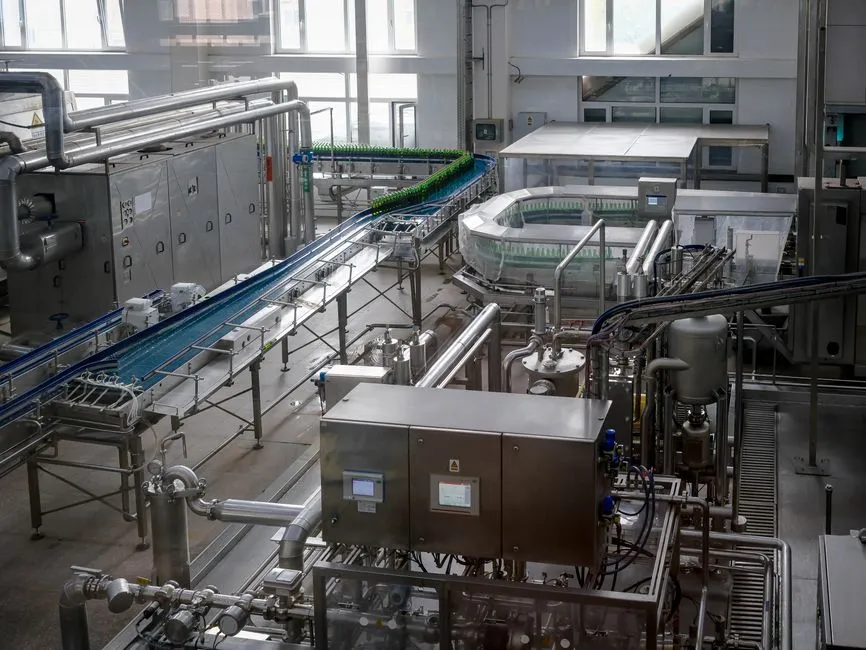
RO on raw blowdown fails quickly. Side-stream self-cleaning spiral filters at 10–25 micron cut corrosion products, biofilm fragments and airborne particulates before they concentrate, with a design point of 1–5% of total circulation flow (Genesis Water Tech, 2026). The capital footprint is small relative to the membrane train it protects, and the unit operates continuously without backwash downtime.
Ultrafiltration at 0.01–0.1 micron then removes bacteria, viruses and high-molecular-weight organics, operating at 10–30 psi with 90–95% recovery and feeding RO a stable SDI (Genesis Water Tech, 2026). In the Congo basin, humid, organics-rich intake water can carry higher TOC, which is why a UF stage with periodic chemical-enhanced backwash is more reliable than cartridge-only pretreatment. Skipping this stage is the most common way to put RO membranes on a fouling curve measured in weeks rather than the 1–3 month chemical-cleaning baseline the design assumes (Genesis Water Tech, 2026). The hardware choices that match this duty are an industrial ultrafiltration system for Congo basin feed water paired with a multi-media filter for Congo River intake pretreatment on the front end.
Reverse osmosis and concentrate management
RO acts as the primary recovery system. At 95–99% salt rejection, permeate of 10–50 mg/L TDS is suitable for direct return to the cooling tower as makeup, and 50–85% recovery is achievable at 150–400 psi with antiscalant injection mandatory for blowdown duty (Genesis Water Tech, 2026). For hyperscale sites that want to push beyond 80% recovery without multi-pass complexity, controlled salt precipitation in a fluidized bed plus dynamic RO operation can reach very high overall recovery while keeping silica, calcium carbonate and calcium sulfate out of the brine as a manageable solid (IDE Tech, 2026).
Where municipal or river discharge is restricted, mechanical vapour compression on the RO concentrate gives 95–98% recovery with distillate TDS below 10 mg/L, at 15–25 kWh per 1,000 US gallons of distillate produced (Genesis Water Tech, 2026). Full ZLD with crystallizer is technically possible at 95–99% overall water recovery, but capital of USD 3–8 million and operating cost of USD 5–15 per 1,000 gallons treated (Genesis Water Tech, 2026) is rarely defensible for a first Kisangani build. The more defensible entry point is a partial ZLD configuration that reduces concentrate volume by 80–90% before any final disposal. The relevant hardware is a brackish-water RO train for cooling tower blowdown with staged spare RO and UF membrane elements for African site servicing held in country.
Sizing the train to a Kisangani site: from edge node to hyperscale
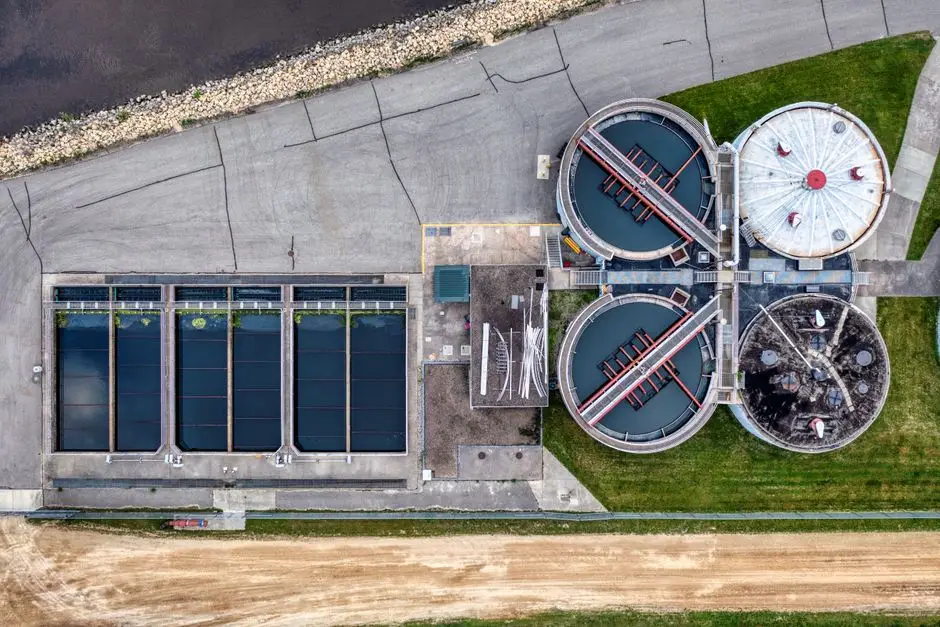
Train selection should follow facility size and water-stress tolerance. A sub-500 kW edge or colocation node in Kisangani is well served by a multimedia filter, UF and a small RO skid, with permeate to the cooling tower and concentrate sewered or trucked to an approved facility; this avoids the capex of MVC. A 1–10 MW regional facility needs UF plus BWRO at 70–80% recovery, with optional brine reduction if the local permit sets a TDS cap on any discharge to the Congo or its tributaries. A hyperscale site above 10 MW with on-site power justifies the full UF + RO + MVC train, with concentrate volume cut by 80–95% before any final disposal, and full ZLD only if the environmental permit or a closed-loop plant design requires zero surface discharge (Genesis Water Tech, 2026; IDE Tech, 2026). Across every tier, chemical dosing must be aligned with membrane compatibility and the local discharge permit, which is why an automatic antiscalant and biocide dosing skid sized for the actual cycle target is part of the base scope, not an option.
| Tier | Load | Train | Concentrate handling |
|---|---|---|---|
| 1 — Edge / colocation | Sub-500 kW | Multi-media filter + UF + small RO | Sewer or haul to approved disposal |
| 2 — Regional | 1–10 MW | UF + BWRO at 70–80% recovery | Brine reduction if local TDS cap applies |
| 3 — Hyperscale | >10 MW with on-site power | UF + RO + MVC, 80–95% concentrate reduction | Full ZLD only if permit or closed-loop design requires it |
Regulatory, grid and environmental realities for a DRC data center
The DRC lacks a specific numeric discharge limit for cooling blowdown, making early engagement with the Ministère de l'Environnement et Développement Durable and the local watershed authority essential to set TDS, biocide and thermal-pollution limits. Grid water stress matters: a Ceres-cited analysis of US states found that 78% of electricity came from water-using power plants and 66% from plants in medium-high to extremely high water-stress areas (NCSU/Sprenger, 2026-09), and the same logic applies to a Kisangani site whose grid mix is dominated by Congo basin hydropower. On-site efficiency serves as the relevant countermeasure: solar supplementation reduces indirect water use at the power plant, and the same renewable integration stabilises continuous cooling demand during low-water periods (NCSU/Sprenger, 2026-09). Regulators and communities increasingly expect site-level water-use reporting, so metering the blowdown stream is a permitting and ESG requirement. For broader context on regional water investment pressure, see the African water treatment plant investment context.
Frequently Asked Questions
What blowdown chemistry should we test for on the Congo River before sizing the train?
Commission a full feed-water analysis before final design covering turbidity, silica, hardness, alkalinity, iron, manganese, TOC and microbiological counts. The scraped literature gives blowdown TDS of 1,200–6,000 mg/L and suspended solids of 10–50 mg/L (Genesis Water Tech, 2026), but it does not provide a specific Congo River intake value. Plan for silica, calcium carbonate and calcium sulfate as the three species that bound BWRO recovery at 75–80% (IDE Tech, 2026).
How much should a Kisangani blowdown recovery train cost, and what drives the budget?
Quotation depends on the post-sample feed-water envelope, cycle target, and discharge permit; request a priced design basis from vendors that includes flow rate, recovery target, permeate TDS, and concentrate destination. As reference points from the literature: side-stream filtration capital is on the order of USD 50,000–200,000 for typical data center installations, a 50,000 GPD RO skid runs USD 250,000–500,000 installed at USD 1.50–3.00 per 1,000 gallons operating cost, MVC concentrate treatment is USD 1–3 million at 15–25 kWh per 1,000 US gallons, and full ZLD sits at USD 3–8 million capital and USD 5–15 per 1,000 gallons operating (Genesis Water Tech, 2026). These figures are estimates to bound supplier proposals, not final Kisangani quotes.
Which supplier selection checks matter most for a DRC site?
Verify that the supplier can hold spare RO and UF elements in country or on a short regional freight route, since membrane replacement lead time drives uptime more than nominal unit cost. Confirm that the proposed chemistry program is non-phosphate and low-toxicity to keep concentrate compatible with both membrane protection and the eventual discharge permit (Genesis Water Tech, 2026). Ask for a reference list on tropical surface-water feeds, not just brackish well-water projects, because Congo basin TOC and biological loading determine whether the train runs at nameplate.
What compliance and lead-time risks should a planner flag for management?
The two highest-impact risks are permitting and power. The DRC discharge envelope is not published in the research, so the project carries the risk of a late permit that