Which Regulator Owns Semiconductor Discharge Near Orlando
Any industrial discharger that sends wastewater to the sanitary sewer in the City of Orlando service area falls under the City of Orlando Industrial Waste Pretreatment Program, administered by the Public Works Department's Water Reclamation Division (orlando.gov). The program is the entry point for permits, self-monitoring, compliance reporting, and enforcement for fabs and other manufacturers in the service area. The Water Reclamation Division issues the local discharge authorization and is the office an EHS or wastewater engineer must contact before a new fab stream reaches the sewer sampling point.
Because Orlando's specific numeric limits, sampling frequency, and categorical pretreatment standards were not in the supplied research, an engineer planning a 2026 submittal should not infer them from generic EPA values. The correct first step is to request the current local limits, the required self-monitoring schedule, and any categorical standards directly from the Water Reclamation Division. Confirming these in writing protects the project from an audit finding based on assumed thresholds.
Engineers should also ask the Division whether the fab's discharge triggers any local industrial waste surcharges, whether the site must submit a slug-control plan for batch dumps, and what chain-of-custody format the City expects for compliance samples. Those four documents — local limits, monitoring schedule, slug plan, and chain-of-custody form — define the compliance envelope a pretreatment system must be designed around.
Why 2026 Changes the Compliance Bar for Fabs
Regulators in the United States, Europe, and Asia are lowering copper and manganese limits and shifting from average concentration to cumulative loading scrutiny, meaning total mass over time now matters as much as instantaneous concentration at the sewer sampling point (ElectraMet 2026). For an Orlando fab, that shift changes the definition of compliance: a system that holds an average below the limit can still fail when the City sums daily loading against an annual or rolling cap.
Sustainability frameworks add a second pressure layer. CHIPS Act incentives, CSRD requirements, and ESG reporting push fabs toward treat-recover-reuse architectures rather than disposal, and consumables-heavy precipitation or polymer-dosing systems struggle to satisfy those expectations (ElectraMet 2026). A pretreatment design that only meets discharge numbers will increasingly be flagged in the sustainability section of a CHIPS or CSRD report.
Two operational realities tighten the bar further in 2026. Carriers and regulators increasingly require onsite oxidant destruction before transporting high-strength peroxide-bearing materials, which closes off the "haul it away" option that some fabs used for SPM/Piranha and APM residuals (ElectraMet 2026). Volatility in high-purity acid supply chains makes acid recovery and onsite reuse a continuity issue; a fab that loses access to semiconductor-grade nitric or phosphoric for weeks needs a recovery loop already in operation (ElectraMet 2026). The Orlando pretreatment design must satisfy compliance, oxidant handling, and acid recovery simultaneously.
Fab Wastewater Characteristics That Drive Pretreatment Design
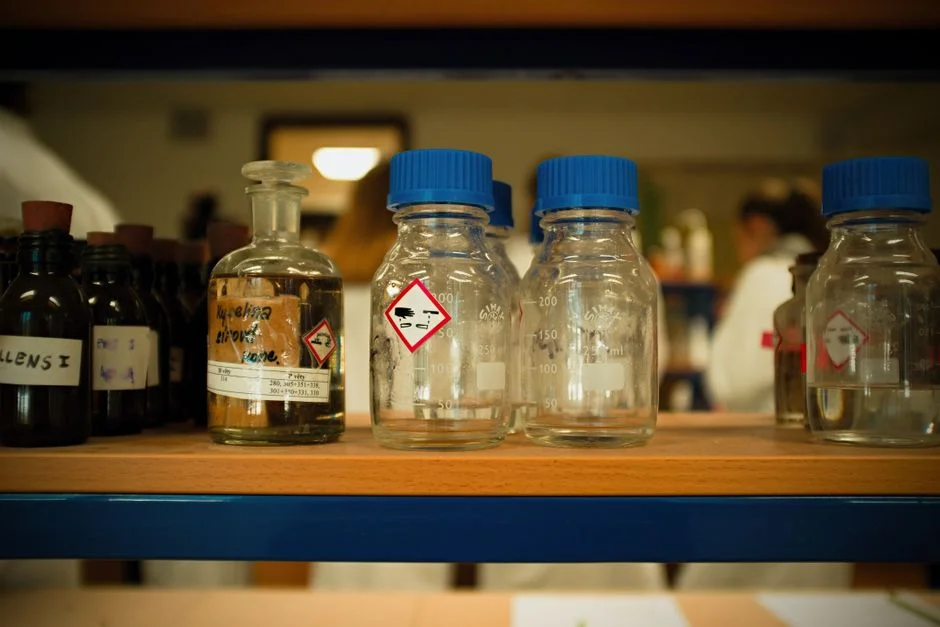
Semiconductor wet-process streams include SPM/Piranha, APM, HF blends, phosphoric, and nitric acids manufactured to tight purity specifications, which is why conventional industrial effluent assumptions do not transfer cleanly to a fab (ElectraMet 2026). Those chemistries are designed to leave near-zero residue on the wafer; when metals or oxidants accumulate in a working bath, the bath stops meeting process requirements but still retains significant chemical and economic value.
Contaminants of concern accumulate at trace ppb levels. A few ppb of copper or manganese may be invisible in ordinary industrial discharge, but at a fab they can shut down reclaim systems, damage RO and ion-exchange membranes, reduce tool uptime, or cause wafer failures (ElectraMet 2026). The sewer sampling point is downstream of every polishing unit, so any ppb-level instability upstream propagates directly into the compliance sample.
Flow character is the second design driver. Rinsewater drives continuous, relatively dilute flow, while batch dumps from tool cycles introduce abrupt spikes in metal load and oxidizer strength (ElectraMet 2026). A pretreatment train that performs well on a 24-hour composite can still register a permit excursion on a 15-minute spike. Equalization and spike buffering are the mechanisms that keep a continuous-discharge permit valid during a tool dump.
The Pretreatment Architecture Orlando Fabs Should Build
A pretreatment architecture that holds up to 2026 expectations has five layers, each tied to a specific compliance or operational outcome. Skipping any layer creates a failure mode the Water Reclamation Division's monitoring will eventually catch.
- Source separation keeps HF, SPM/Piranha, APM, nitric, phosphoric, and rinse streams segregated so each can be handled at the right point instead of colliding in common infrastructure (ElectraMet 2026).
- Onsite oxidant destruction neutralizes residual hydrogen peroxide before reuse, hauling, or sewer discharge, since many disposal pathways now refuse oxidizer-rich waste (ElectraMet 2026).
- Trace metal polishing targets stable ppb-level removal upstream of any industrial RO system for fab polishing, ion exchange, or reclaim polishing to protect those units and meet tightened copper and manganese limits (ElectraMet 2026).
- Equalization and spike buffering smooth batch-dump transients so the sewer sampling point never sees a loading shock that triggers a permit excursion (ElectraMet 2026).
- Final compliance monitoring delivers continuous flow, conductivity, pH, and metals measurement at the authorized sampling point, with chain-of-custody records ready for Water Reclamation Division review, supported by a PLC-controlled chemical dosing system for reagent accuracy and RO and UF membrane elements rated for stable ppb-level operation.
| Layer | Purpose | Failure mode it prevents |
|---|---|---|
| Source separation | Keep high-purity acid streams isolated by chemistry | Unintended reactions in common sumps; loss of recoverable material |
| Onsite oxidant destruction | Neutralize residual H2O2 before reuse, hauling, or discharge | Carrier refusal; oxidant shock at the sewer sampling point |
| Trace metal polishing | Hold copper and manganese to ppb-stable levels | Membrane fouling, reclaim upsets, cumulative-loading exceedance |
| Equalization and spike buffering | Absorb batch-dump transients | Short-duration concentration excursions during tool cycles |
| Final compliance monitoring | Continuous flow, pH, conductivity, metals at the authorized point | Failed audit due to missing chain-of-custody records |
Mapping Fab Streams to Control Points and Equipment Roles
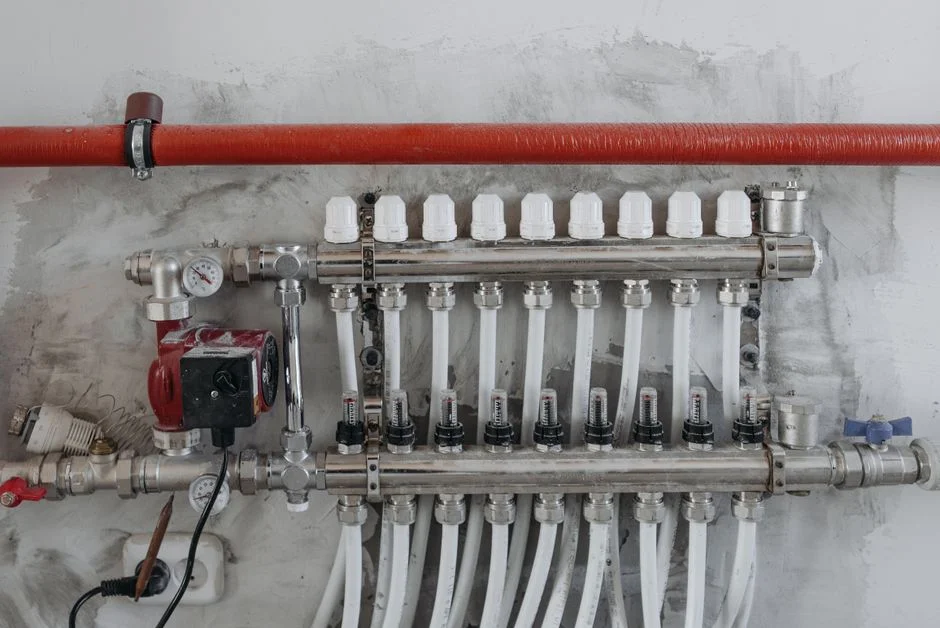
The right equipment category belongs at each stage, and a single table helps a fab engineer audit an existing system or build a request-for-quotation. High-purity acid streams with material value are candidates for regeneration and reuse rather than discharge, supporting both ESG reporting and supply-chain resilience (ElectraMet 2026). Oxidizer-rich streams require dedicated destruction equipment upstream of any blending with other chemistries, because mixing peroxide residuals with reducing agents or organics in common infrastructure produces unintended reactions (ElectraMet 2026).
Rinsewater and batch-dump streams benefit from flow and load equalization before polishing, since reclaim and polishing units assume stable feed and any variability forces bypasses that lower water recovery (ElectraMet 2026). Final polishing and RO feed protection require filtration that delivers stable, low-variability performance at trace ppb levels, and a multi-media filter for RO feed protection combined with a UF system for colloid and suspended-solid removal typically sits ahead of the RO train to keep feed variability inside the polishing unit's design envelope.
| Stream | Control point | Equipment role |
|---|---|---|
| High-purity acids (HF, HNO3, H3PO4) | Source separation and recovery | Regeneration skid; dedicated acid-recovery loop for reuse |
| SPM/Piranha and APM | Oxidant destruction upstream of any blend | Catalytic or electrochemical peroxide destruction unit |
| Rinsewater and batch dumps | Equalization basin | Flow and load buffering with online instrumentation |
| Combined stream to sewer | Trace metal polishing | Multi-media filter, UF, and RO train with ppb-stable elements |
Because Orlando-specific numeric thresholds were not present in the supplied research, request the current local limits, the sampling protocol, and the slug-control expectations from the Water Reclamation Division before sizing the polishing stage. For broader material-selection context that affects polish performance, see the UPW piping material comparison for semiconductor fabs and the UPW piping surface roughness specification guide.
Documentation and Monitoring the City Program Expects
Pretreatment compliance is demonstrated through continuous or scheduled sampling at the authorized discharge point, not through internal process measurements alone. The Water Reclamation Division's inspector will trace the sample from the sewer sampling point back through chain of custody, so a fab that measures accurately inside the plant but cannot document the authorized-point sample will still fail.
Cumulative-loading scrutiny in 2026 means total mass discharged over time matters as much as instantaneous concentration, so flow-weighted records must be retained for the period the City specifies (ElectraMet 2026). Peroxide-handling records support both the carrier refusal issue and any City reporting on special waste streams, so destruction logs, manifests, and chain-of-custody forms belong in the same compliance binder (ElectraMet 2026). The RO maintenance cost and OPEX breakdown guide also helps frame the monitoring budget a fab should expect when the polishing train runs continuously.
Because the supplied research did not include the City's specific reporting forms or frequencies, request the current self-monitoring and reporting requirements directly from the Water Reclamation Division. Confirm whether electronic reporting, signed hard-copy logs, or both are accepted, and confirm the retention period for flow-weighted mass-balance records.
Frequently Asked Questions
How much does a fab-grade pretreatment train cost to build in the Orlando area in 2026?
The supplied research does not include a price for a fab-grade pretreatment train, so a budget figure cannot be quoted reliably. The actionable input is to request a site-specific capital and operating estimate that includes source-separation sumps, oxidant destruction capacity sized to peak peroxide load, equalization volume matched to the largest expected batch dump, polishing train capacity in gpm, and annual membrane and consumable replacement — then compare that estimate against the operational value of recovered high-purity acid and reduced hauling.
How do we pick a pretreatment supplier who can actually meet Orlando's program and 2026 cumulative-loading rules?
Ask each supplier to show ppb-level copper and manganese performance data on a representative fab matrix, to document onsite oxidant destruction capacity rather than reliance on offsite haulers, and to provide a written statement of compliance with the City of Orlando Industrial Waste Pretreatment Program. A second check is to ask for reference sites that have passed a cumulative-loading audit in the last 12 months and to confirm the supplier will support the chain-of-custody format the Water Reclamation Division requires.
What chemistries from a fab should be source-separated before they ever reach common treatment?
SPM/Piranha, APM, HF blends, phosphoric, and nitric streams should each be kept segregated from rinsewater and from each other so they can be neutralized, destroyed, or recovered at the right point (ElectraMet 2026). Mixing them in common infrastructure produces unintended reactions and destroys the material value that makes acid recovery viable (ElectraMet 2026).
Why does the City care about cumulative metal loading rather than just daily averages?
Regulators in the U.S., Europe, and Asia are scrutinizing cumulative loading in addition to average concentration, because cumulative mass better reflects the long-term load a wastewater treatment plant receives and the downstream risk to waterways and reclaim systems (ElectraMet 2026). For an Orlando fab, this means a pretreatment system must hold instantaneous spikes down and keep flow-weighted totals inside the local cap, rather than simply staying below a daily average.