Why Mountain Grove Food and Beverage Plants Need a Pretreatment Train
Any significant food or beverage discharger upstream of the City of Mountain Grove's collection system is functionally an industrial user of the City's Waste Water utility, and the City lists that utility as a municipal service at mountaingrovemo.gov (mountaingrovemo.gov, Waste Water). The result is a compliance picture that small Ozarks plants often underestimate: even a 30,000 gpd specialty sauce line or craft brewery must satisfy local sewer use rules layered on top of the federal General Pretreatment Standards in 40 CFR Part 403.
ALAR notes wastewater regulations for the food and beverage sector are strict, with limits on BOD, TSS, pH, and nutrient levels, and that proper treatment helps meet discharge permits and avoid costly penalties (alarcorp.com). JWC adds that food and beverage processing plants generate wastewater with relatively high concentrations of TSS, and that it is imperative to treat this wastewater before sending it to a municipal sewage system to limit surcharges imposed for exceeding TSS limits (jwce.com). Because the General Pretreatment Standards apply to any industrial user discharging to a POTW, equipment choices in Mountain Grove must be defensible against 40 CFR Part 403 expectations, not just against the local sewer ordinance. A single piece of equipment cannot carry that load; a staged train is the only realistic answer.
The Contaminants That Drive Pretreatment Equipment Selection
Every food and beverage sub-sector produces a different waste fingerprint, and the unit operations in the train must match that fingerprint rather than a generic dairy or brewery template. ALAR breaks the sector into recurring contaminant classes that any Mountain Grove plant can map to its own discharge profile (alarcorp.com):
- Meat and poultry facilities generate wastewater rich in fats, oils, and grease, which can clog pipes and interfere with biological treatment unless removed.
- Beverage manufacturing and confectionery operations produce wastewater high in sugars and starches, easily degradable compounds that can cause rapid bacterial growth and increase BOD levels.
- Dairy plants and meat processors often discharge protein-rich wastewater, contributing to high BOD and creating foaming or odor issues during treatment.
- CIP systems release detergents and disinfectants that alter pH and affect downstream biological processes, requiring dedicated pH adjustment before biological units.
- Food preparation and packaging plants generate suspended solids such as pulp, seeds, and grains that require clarification and solids removal before discharge.
The practical implication for a small plant near Mountain Grove is that contaminant mapping comes before vendor selection. A processor whose mix is 70% sugars from a soda bottling line and 30% CIP chemistry will size screens, DAF, and biology very differently from a meat further-processor whose stream is 60% FOG and 40% protein. A seven-step wastewater treatment process breakdown provides a useful cross-check that the unit operations being quoted actually address each contaminant class on the plant's mass-balance map.
Screening First: Bar Screens vs Rotary Drum Screens for the Head of the Train

Headworks selection sets the ceiling on everything downstream, and for a small Mountain Grove plant the choice is almost always between a continuous-duty rotary mechanical bar screen for food and beverage headworks and a finer rotary drum screen. JWC's IPEC rotary drum screens are effective for removing organic waste from food and beverage wastewater and can substantially reduce TSS in the waste stream while enhancing further treatment (jwce.com). IPEC screens are customized to target exactly what is being screened out — fats, feathers, seeds, and spent hops — and the wedge wire screen is designed for specific waste to optimize cleaning and minimize wash water use (jwce.com). Higher throughput from the IPEC headbox design allows a smaller screen to do the same job as many larger screens, which is relevant for plants with limited footprint near Mountain Grove (jwce.com). JWC also notes that proper screening of the waste stream can increase discharge dryness, lowering hauling and waste disposal costs, an important factor when local utility surcharges apply (jwce.com).
For fibrous, rag-prone, or packaging-contaminated streams, a continuous-duty mechanical bar screen is typically used as a primary stage to protect pumps and downstream drum screens, then a finer drum screen polishes the stream before DAF. A 2026 bar screen engineering guide covers aperture selection, peak-shift hydraulic behavior, and the wash-water tradeoffs that drive this decision. The table below summarizes the practical differences a buyer should weigh.
| Selection Criterion | Mechanical Bar Screen (Primary) | Rotary Drum Screen (Finer Polish) |
|---|---|---|
| Typical debris handled | Rags, packaging, large fibers, tramp solids | Seeds, pulp, spent grains, hops, feathers, fine organics |
| Capture target | Protect pumps and downstream equipment | Substantially reduce TSS ahead of DAF (jwce.com) |
| Aperture range | Coarser openings for high debris loads | Wedge wire optimized per waste stream (jwce.com) |
| Footprint consideration | Compact, channels-friendly | Higher throughput per unit footprint per JWC headbox design (jwce.com) |
| Discharge dryness | Improves hauling economics per JWC (jwce.com) | Improves hauling economics per JWC (jwce.com) |
| Best fit in train | Head of train, upstream of drum screen | Between bar screen and DAF |
FOG and Solids Removal: Why Dissolved Air Flotation Is the Workhorse
Once coarse solids are out, the next job is emulsified FOG and fine suspended solids, and that is where a dissolved air flotation system for FOG and fine solids earns its place as the workhorse of the train. Flotation technology removes fats, oils, and fine solids common in food and beverage wastewater, easing the load on biological treatment (alarcorp.com). JWC highlights that brewing is particularly water-intensive, that the waste enzymes from brewing can disrupt the sewer system, and that many municipalities have strict limits before releasing wastewater — which is why breweries often combine screening with anaerobic digestion or DAF (jwce.com). For optimal anaerobic digestion and to protect sensitive downstream equipment, it is critical to pretreat the wastewater to remove coarse solids like hops and spent grains first (jwce.com), and DAF then handles the emulsified FOG that screening leaves behind.
DAF performance is highly sensitive to upstream pH and coagulant dosing, so pH adjustment and chemical dosing are positioned before the DAF rather than after. A DAF sized only for average flow, with no allowance for end-of-shift CIP surges, is the most common reason a well-designed train still fails a daily composite sample. Buyers should also confirm that the quoted hydraulic loading and air-to-solids ratio match the actual FOG fraction, not the optimistic number a vendor uses for a brewery reference list.
pH Neutralization, Coagulation, and Chemical Dosing in a 2026 Train
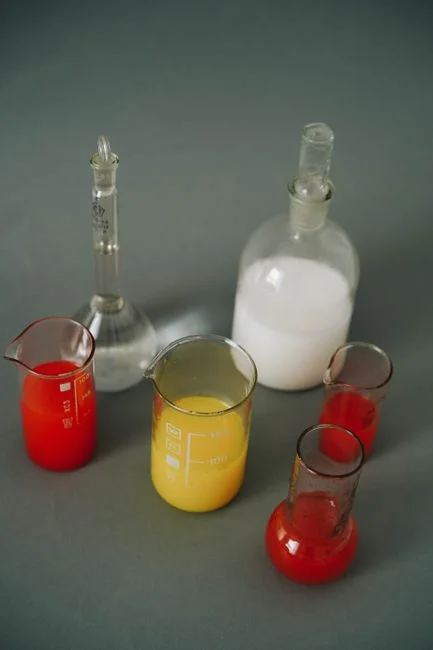
Chemistry is the quiet step that decides whether DAF and the downstream biological stage actually perform. Coagulation, flocculation, and pH adjustment are the first steps in food processing wastewater treatment, and ALAR notes that automated chemical dosing and filtration reduce suspended solids and balance pH for stable downstream processes (alarcorp.com). Maintaining the correct pH is vital to comply with environmental discharge standards, and dedicated pH neutralization is needed wherever CIP detergents dominate the waste stream (alarcorp.com). A PLC-controlled coagulant, flocculant, and pH dosing skid is now the baseline expectation for 2026 procurement, replacing operator-adjusted pumps that struggle with shifting influent.
Precise PLC-controlled injection of coagulants, flocculants, pH adjusters, and specialty chemicals is increasingly standard for small plants, and skid-mounted, pre-wired, factory-tested dosing skids shorten installation time on tight sites, which matters for plants racing a compliance deadline. The City of Mountain Grove utility and the plant's 40 CFR Part 403 obligations both expect documented setpoints and alarms, not a hand-tuned pump and a clipboard log. Buyers should require a dosing skid with redundant pumps, calibrated pH probes with automatic cleaning, and a clear interface to the plant SCADA so that any out-of-range event is timestamped and exportable for compliance reporting.
Biological Polishing: MBBR, MBR, and When Each Makes Sense
Biological polishing closes the BOD gap that screening, DAF, and chemistry cannot, and the choice between MBBR, IFAS, and MBR is a footprint-versus-effluent-quality decision. Biological systems such as MBBR and IFAS efficiently reduce BOD and nutrient loads, and modular aerobic treatment solutions are tailored to the high-strength waste streams typical of food and beverage producers (alarcorp.com). A submerged PVDF compact MBR system for the biological polishing step delivers near-reuse-quality effluent with a footprint roughly 60% smaller than conventional activated sludge, which is attractive where plant space near Mountain Grove is constrained.
Flat-sheet MBR modules with integrated aeration scouring give 10–20× lower energy consumption than external cross-flow designs, which matters for plants with limited operator headcount; see the membrane bioreactor module line for the relevant hydraulics. Brewers and distillers sending high-strength streams may also use an anaerobic stage upstream of the aerobic polishing step, but only after screening and DAF have removed coarse solids and FOG. For plants that do not need reuse water and have a small footprint, MBBR or IFAS is usually the lower-capex, lower-maintenance answer; MBR only earns its premium when the effluent target is tight enough to justify membrane replacement and aeration energy.
Sludge Handling and Sampling: Closing the Loop Before Sewer Discharge
The liquid stream is only half the compliance story. Residual sludge from food and beverage treatment must be reduced in volume before disposal; rotary vacuum drum filters and filter presses produce dry solids and reduce hauling costs (alarcorp.com). A plate and frame filter press for sludge volume reduction in a 1–500 m² filtration area, with manual, hydraulic, or fully automatic PLC control, is a common fit for the smaller sludge volumes produced by Mountain Grove-area plants.
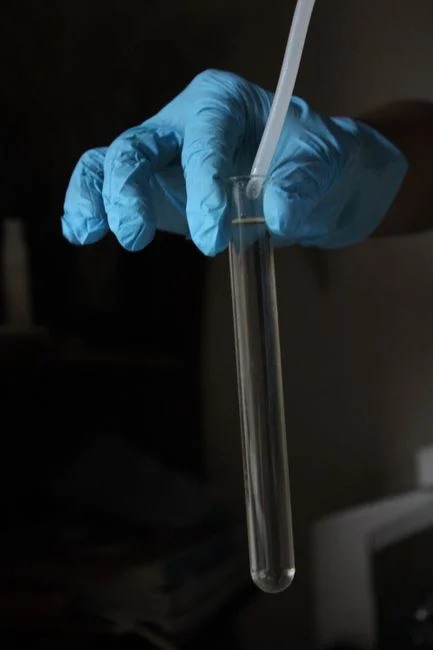
Compliance is documented at the sampling port, not in the operator's memory. Mead & Hunt's documented 10-day deployment included one day of effluent storage, a temporary lift station, and a sampling plan with equipment put in place (meadhunt.com). That precedent reinforces that regulators and utilities expect documented sampling, not just treatment. A 24-hour composite sampler with flow-paced collection, plus a dedicated sampling port after the last treatment unit, is the minimum infrastructure for defensible compliance reporting against the City of Mountain Grove's sewer use rules and 40 CFR Part 403.
Designing a Mountain Grove Pretreatment Train: 2026 Buyer Checklist
The 2026 procurement path for a small Mountain Grove plant is a sequence, not a catalog. Mead & Hunt's framing of the 10-day temporary pretreatment project shows that a defensible plan starts with defined effluent and performance criteria, then treatment equipment selection, then temporary pumping and electrical scope (meadhunt.com). The steps below turn that framing into an actionable 2026 buyer checklist, supported where the research supports a number and otherwise stating the input a buyer must obtain.
| Step | Decision | Key Input or Anchor |
|---|---|---|
| 1 | Characterize the waste | Map shift-by-shift mix of FOG, sugars, proteins, suspended solids, and CIP chemistry; identify highest-loading production runs. |
| 2 | Confirm the discharge envelope | Obtain local sewer use limits from the City of Mountain Grove wastewater utility and overlay 40 CFR Part 403 categorical expectations for the plant's SIC code (mountaingrovemo.gov). |
| 3 | Select the headworks | Match debris type and flow to either a continuous-duty mechanical bar screen or a rotary drum screen; oversize for peak shift flow plus CIP surges (jwce.com). |
| 4 | Select FOG and solids removal | Choose DAF for emulsified FOG and fine suspended solids, sized with an adequate flocculation stage and consistent with the documented 70,000 gpd temporary pretreatment benchmark (meadhunt.com). |
| 5 | Add chemistry control | Install PLC-controlled coagulant, flocculant, and pH adjustment, ideally on a skid for fast installation and predictable dosing (alarcorp.com). |
| 6 | Choose the biological step | MBBR or IFAS for compact BOD reduction, MBR where space is tight and a sharper effluent is needed for reuse (alarcorp.com). |
| 7 | Close with sludge and sampling | Dewater with a filter press or rotary vacuum drum and install a 24-hour composite sampler on the final effluent line; review high-efficiency sedimentation tank performance in food processing as one clarification option, and reference the 2026 industrial effluent discharge guidelines for envelope confirmation. |
Frequently Asked Questions
What capital cost range should a small Mountain Grove food or beverage plant expect for a 2026 pretreatment train?
ALAR frames the spend qualitatively, noting that investing in effective water treatment in the beverage industry reduces disposal costs by treating wastewater on-site, producing cleaner effluent and minimizing sludge volume for disposal (alarcorp.com), but it does not publish a price list. Mead & Hunt's documented 10-day, 70,000 gpd temporary pretreatment system is a useful scale anchor (meadhunt.com), not a quotation. A buyer should request a written scope, a payment milestone schedule, and a separate commissioning line from each bidder rather than relying on a headline number.
What is a realistic lead time for a food and beverage pretreatment train in 2026?
Mead & Hunt documents a full operating treatment system in 10 days for a 70,000 gpd temporary pretreatment scope with pH control and high oil and grease removal, including one day of effluent storage, a temporary lift station, and a sampling plan (meadhunt.com). That precedent shows what a tightly scoped temporary system can do, but a permanent skid-mounted train with biology, MBR modules, and a filter press is a longer procurement. A buyer should ask each supplier for a written critical-path schedule covering engineering, fabrication, shipping, install, and commissioning before signing.
How do I choose between a DAF, a lamella clarifier, and a bar screen as the first step?
The decision is driven by contaminant class, not vendor preference. JWC's IPEC rotary drum screens are an effective and efficient method to remove organic waste from food and beverage wastewater and can substantially reduce TSS (jwce.com), while ALAR positions flotation as the workhorse for fats, oils, and fine solids common in food and beverage wastewater (alarcorp.com). For a fibrous or packaging-heavy stream, a continuous-duty bar screen goes first to protect pumps, then a rotary drum screen polishes, then DAF strips emulsified FOG. A lamella clarifier is a sediment-loading play, not a FOG play, and rarely replaces DAF in this sector.
How do I vet a pretreatment supplier for compliance risk in 2026?
ALAR explicitly offers pilot testing options to validate performance before full-scale installation (alarcorp.com), and Mead & Hunt emphasizes that solid working relationships with suppliers provide quality equipment in quick response time (meadhunt.com). A defensible supplier should provide references from operating food and beverage sites of similar size, a written pilot or jar-test plan tied to the plant's actual waste, and documentation that the proposed train maps to 40 CFR Part 403 expectations for the plant's SIC code. Refuse any quote that does not include a sampling plan and a documented commissioning protocol.