Why fabricated metals wastewater in Monticello doesn't behave like a settling stream
A fabricated metals plant produces a complex wastewater stream containing multiple contaminants. Cutting and stamping fluids, drawing compounds, hydraulic oil, and quench oils ride on the surface as free and emulsified oil; grinding fines, shot-blast media, and metal-hydroxide floc drop to the bottom. A job shop in Monticello, MN therefore has to clear both fractions in one pretreatment step, and that mix is the reason a simple settling tank underperforms. DAF microbubbles in the 30–50 micron range attach to emulsified oil droplets and metal-hydroxide floc that gravity cannot pull out of suspension (Clearwater Industries / SigmaDAF, 2026-04-27), which is the operating principle the EPA Process Design Manual for Suspended Solids Removal attributes to flotation units in Chapter 7 (EPA 625/1-75-003a, January 1975).
Winter makes the problem worse. Cold influent raises water viscosity, which slows settling in a conventional clarifier and increases the air that the DAF saturator has to dissolve to keep the bubble population stable. That is a design input the supplier needs from you, not a number to estimate. Clearwater / SigmaDAF also place coarse pre-filtration — a hydrocyclone or shaker screen — ahead of every DAF to keep sand, scale, and metal fines out of the saturator (Clearwater Industries / SigmaDAF, 2026-04-27; Kemco Systems).
Before you pick equipment, characterise the stream. Pull a 5-day composite for TSS, FOG, total metals, and pH; that dataset is the minimum to decide whether DAF or a clarifier fits. A quick scan of the Madison chemical-factory DAF-vs-clarifier guide shows the same rule of thumb applied to a different industry.
DAF vs gravity clarifier: head-to-head for a fabricated metals plant
DAF and gravity clarifiers solve opposite problems in industrial wastewater treatment. DAF floats light contaminants on 30–50 micron bubbles and skims them off; a clarifier relies on gravity to drop heavy solids and on chemistry to agglomerate colloidal fractions into something settleable (Clearwater Industries, 2026-04-27; EPA 625/1-75-003a, January 1975, Chapter 7). A fabricated metals plant that runs acid pickle rinse, drawing compound baths, or any emulsified oil stream will leave most of the FOG in a conventional clarifier's overflow; the same stream lifts cleanly in a DAF.
| Parameter | Dissolved air flotation (DAF) | Conventional gravity clarifier |
|---|---|---|
| Removal mechanism | 30–50 micron bubbles attach to oil and floc; surface skimming | Gravity settling; chemistry to agglomerate colloids |
| Best-fit stream | Oil, FOG, light floc, fluctuating loads | Heavy, fast-settling metallic fines with low oil |
| Footprint per unit oil removal | Smaller plan area (FPAC cross-flow, FPHF counter-current) | Larger plan area; lamella/inclined-plate helps |
| Startup | Clean-water fill required; dirty fill can damage pump and saturator (Clearwater / SigmaDAF, 2026-04-27) | Can be filled with process water |
| Materials of construction | Standard 304SS; 316SS and polypropylene available for corrosive baths (Clearwater / SigmaDAF, 2026-04-27) | Typically carbon steel with coating; 304/316SS optional |
| Operation | PLC-controlled skimmer speed, dosing, sludge discharge | Routine sludge-bed management; less automation |
| Cold-weather sensitivity | Higher air-saturation demand at low temperature | Slower settling due to higher viscosity |
Standard 304SS works for most fabricated metals streams; specify 316SS or polypropylene if you run acid pickle rinse, chromate conversion, or any bath with chloride carryover (Clearwater / SigmaDAF, 2026-04-27). DAF units are fully automated with PLC control over chemical dosing, skimmer speed, and sludge discharge; clarifiers require more hands-on sludge-bed management and are harder to integrate with remote telemetry. Plan for that operating cost difference when you defend the capital line to a plant manager.
Sizing a DAF system for a Monticello metals plant in 2026
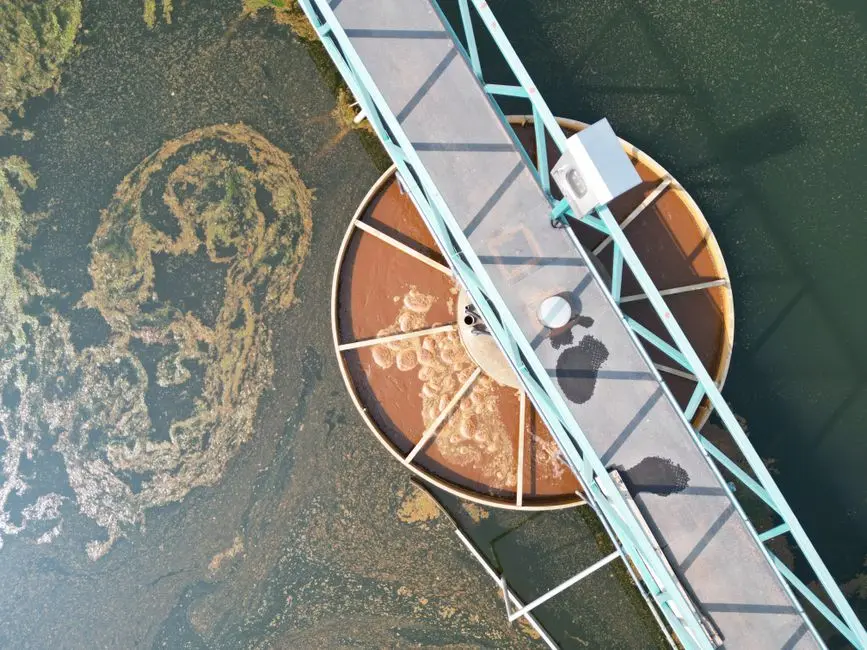
Peak hourly flow, rather than average daily flow, should serve as the baseline, with a 15–20% safety margin added. The hydraulic loading rate on the flotation cell is the design lever: FPAC cross-flow units use a low loading rate to handle very high TSS and FOG, while FPHF units combine cross-flow and counter-current flow to treat larger flows at low-to-large solids loads (Clearwater Industries, 2026-04-27).
Map your peak flow against the standard catalog. HydropureWater DAF systems (4–300 m³/h, 13 standard models) cover that range in 13 standard sizes. The break point is 66 GPM (≈15 m³/h): a single-skid COMPACT DAF handles anything at or below that, and modular two-skid systems take over above it (Clearwater / SigmaDAF, 2026-04-27). For a new metal-finishing stream you have not characterised, run a 5–10 GPM pilot skid before committing to a full-scale unit — the saturator duty cycle and floc-bubble attachment are stream-specific and not predictable from influent numbers alone.
Confirm the DAF effluent can meet the site's NPDES or local pretreatment limits before locking in the model. The same effluent must be checked against 40 CFR Part 433 categorical standards if you discharge to a POTW, and against site-specific NPDES limits if you discharge to surface water.
Chemistry that makes the DAF (or clarifier) work
Under-conditioned feed is the single most common reason a DAF or a clarifier underperforms. The standard sequence is coagulant dose, pH adjustment, then polymer flocculant — that order holds for both technologies (Clearwater / SigmaDAF, 2026-04-27; EPA 625/1-75-003a, January 1975, Chapter 4). For a metals stream, expect to dose a coagulant first to precipitate metal hydroxides, raise pH if the bath is acidic, then add a flocculant to build a strong floc the bubbles can lift.
Mixing hardware dictates performance. Flocculation tubes in a serpentine layout give 15–45 seconds of flash mix and are the right choice for fast-reacting coagulants. Mix tanks with impeller agitators are needed for slower-reacting polymers or multi-stage pH correction (Clearwater Industries, 2026-04-27). Plan a HydropureWater automatic chemical dosing skid with the DAF; manual dosing is the most common source of float loss and floating sludge that escapes the skimmer. Jar testing is non-negotiable — it sets the dose rates, the contact time, and the polymer selection, and the equipment sizes downstream depend on it.
2026 compliance context for a Monticello fabricated metals plant
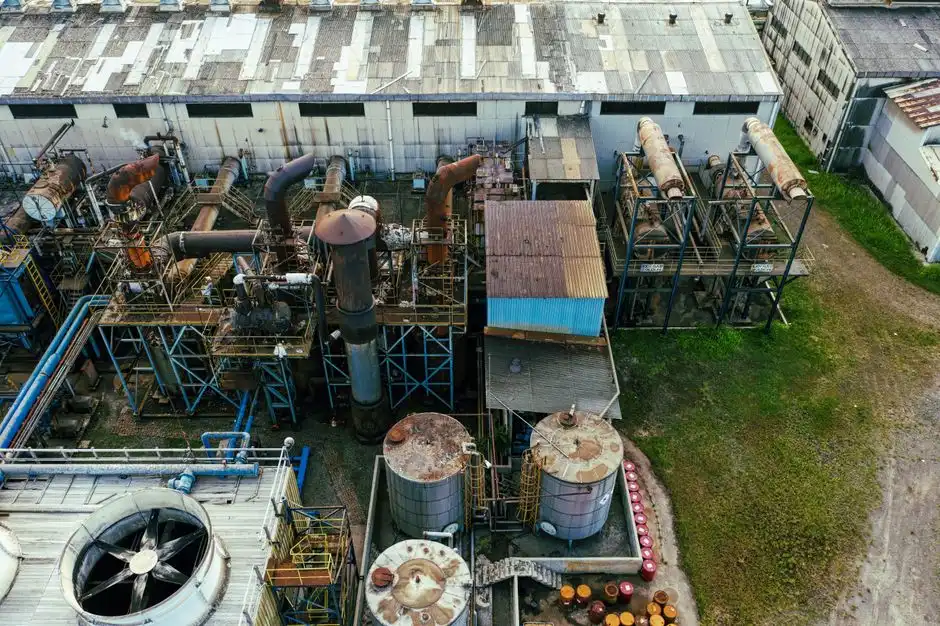
Technology selection must align with the regulatory framework. Fabricated metals and metal finishing plants discharging to a POTW in 2026 are subject to the 40 CFR Part 433 categorical pretreatment standards; confirm your SIC code coverage before sizing anything. Plants that discharge directly to surface water carry an NPDES permit with site-specific TSS, oil & grease, and metals limits, and both DAF and clarifier effluent must be checked against those limits.
Local pretreatment programs in Minnesota frequently impose limits tighter than the federal floor. Pull the local sewer-use ordinance and read it before you commit to a technology. In 2026, expect stricter enforcement of PFAS sampling and metals monitoring; a DAF will not remove dissolved PFAS, but it removes the oil and TSS load that carries metals and PFAS-bound particulates downstream. Treat the technology choice as a compliance tool: a DAF that reliably meets your site limits avoids surcharges, consent orders, and shutdown risk. The mining/metals pretreatment compliance guide walks through the same permit logic for a different stream.
Buyer's checklist: what to put in a 2026 DAF or clarifier RFQ
Send each bidder the same package so quotes are comparable. The minimum dataset is: peak and average flow, influent TSS, FOG, total metals, pH range, available footprint, indoor vs. outdoor installation, and target effluent quality. Ask for material certificates (304SS vs. 316SS) and a written confirmation that the saturator and pump materials are compatible with your metal-finishing bath chemistry.
Lock the PLC scope in writing: chemical dosing pump control, skimmer speed, sludge discharge sequencing, and remote telemetry. Clarify whether the supplier includes the chemical dosing skid or only the vessel — the HydropureWater automatic chemical dosing skid is a separate line item, and that affects the capex comparison. Request a sludge-dewatering interface so the full solids train is specified; a HydropureWater plate and frame filter press for sludge dewatering downstream of the DAF keeps hauled waste volumes and disposal costs in check. Pre-filtration is not optional for a metals stream: a HydropureWater GX series rotary mechanical bar screen protects the saturator from metal fines. Build a 4–8 week pilot window into the schedule before signing a PO on a new stream.
Frequently Asked Questions
Is a DAF or a clarifier better for a fabricated metals plant in Monticello?
DAF is the stronger default for fabricated metals wastewater because the stream carries free and emulsified oil, lubricants, drawing compounds, and metal-hydroxide floc — most of which float rather than settle (Clearwater / SigmaDAF, 2026-04-27). Choose a clarifier only if the stream is dominated by heavy, fast-settling metallic fines with negligible oil.
How much does a DAF system cost for a metals plant in 2026?
Cost depends on flow rate, materials of construction, and whether the chemical dosing skid is included. The catalog is sized from 4–300 m³/h across 13 standard models, with a 66 GPM breakpoint between single-skid and modular configurations (Clearwater / SigmaDAF, 2026-04-27). Ask each bidder for a unit price plus the dosing skid, installation, and pilot-testing costs as separate line items so the comparison is clean.
What chemistry does a DAF need for metal finishing wastewater?
Plan a coagulant dose for metal-hydroxide precipitation, pH adjustment if the influent is acidic, and a polymer flocculant delivered through flocculation tubes with 15–45 seconds of flash mix (Clearwater / SigmaDAF, 2026-04-27). Jar testing must be run before equipment is sized; budget for an automatic dosing skid to keep performance stable.
What should I check when selecting a DAF or clarifier supplier?
Confirm material certificates (304SS vs. 316SS) for compatibility with your bath chemistry, ask for the PLC scope in writing, and request a documented pilot on your actual stream before signing. Verify the supplier's experience with 40 CFR Part 433 compliance and ask for references at similar flow rates, because regulatory missteps carry consent-order and shutdown risk that outweigh any equipment discount.