Who decides what an EV/auto plant can discharge near Dundee
The Village of East Dundee's sewer use ordinance — not the factory — sets the binding discharge envelope for any EV or auto supplier that ties into the public sanitary sewer. Chapter 53.020 of the village code requires that any person constructing a new waste source must first obtain a written permit from the Director of Public Works, must state in advance the quantity, quality, and rate of discharge, and must pay all costs of installation and connection (S1). Fraudulent representation results in forfeiture of payment and termination of sewer service (S1). Once connected, the village samples, issues discharge permits, and can shut off a connection for non-compliance with the local-limits table or the categorical prohibitions (S1).
On top of the local ordinance, every industrial discharger sits inside EPA's three-tier federal pretreatment framework under 40 CFR Part 403: (1) general and specific prohibitions on certain discharges, (2) categorical pretreatment standards that apply to defined industry sectors, and (3) locally developed limits that protect the publicly owned treatment works (POTW) (S5). For an EV/auto parts plant, 40 CFR Part 467 (Metal Finishing) categorical standards typically apply to stamping, plating, and e-coat lines; the local limits then layer on top to protect the receiving POTW (S5).
A plant normally crosses the Significant Industrial User (SIU) threshold when it discharges an average of 25,000 gpd or more of process wastewater (excluding sanitary, non-contact cooling, and boiler blowdown), or when its process wastestream makes up 5% or more of the POTW's average dry-weather hydraulic or organic capacity (S5). Crossing that line triggers a written discharge permit, baseline monitoring, and routine self-reporting under the village's pretreatment program (S5).
The East Dundee numerical limits every plant engineer must hit
§ 53.020 publishes two parallel tables — a 24-hour composite (headworks) table and a grab-sample (B) table — and the more restrictive of the two applies to the relevant parameter (S1). Engineers should design to the composite numbers because they reflect what actually enters the POTW over a day; the grab limits exist for short-duration excursions and unstable parameters.
| Pollutant | Composite (A) limit | Grab (B) limit |
|---|---|---|
| Ammonia | 50.00 mg/L | 75.00 mg/L |
| Arsenic | 0.25 mg/L | 0.375 mg/L |
| Barium | 2.00 mg/L | 3.00 mg/L |
| BOD | 300.00 mg/L | 450.00 mg/L |
| Boron | 1.00 mg/L | 1.50 mg/L |
| Cadmium | 0.015 mg/L | 0.20 mg/L |
| Chromium | 0.10 mg/L | 0.15 mg/L |
| Copper | 50.00 mg/L | 0.75 mg/L |
| Cyanide | 0.10 mg/L | 0.15 mg/L |
| FOG | 100.00 mg/L | 150.00 mg/L |
| Fluoride | 15.00 mg/L | 22.50 mg/L |
| Iron | 2.00 mg/L | 3.00 mg/L |
| Lead | 0.20 mg/L | 0.30 mg/L |
| Manganese | 1.00 mg/L | 1.50 mg/L |
| Mercury | 0.0005 mg/L | 0.00075 mg/L |
| Nickel | 1.00 mg/L | 1.50 mg/L |
| Phenols | 0.10 mg/L | 0.15 mg/L |
| Selenium | 1.0 mg/L | 1.50 mg/L |
| Silver | 0.10 mg/L | 0.15 mg/L |
| TSS | 300.00 mg/L | 450.00 mg/L |
| Zinc | 1.00 mg/L | 1.50 mg/L |
| pH | 5.50–10.00 units | 5.50–10.00 units |
Beyond the table, the ordinance caps point-of-discharge temperature at 65 °C (157 °F) and 40 °C (104 °F) at the POTW treatment plant, and bars any sewer reading above 5% LEL on a continuous basis or 10% on any single reading (S1). It also names an explicit prohibited-substances list — gasoline, kerosene, naphtha, benzene, toluene, xylene, ethers, alcohols, ketones, aldehydes, peroxides, chlorates, perchlorates, bromates, PCBs, PBBs, carbides, hydrides, Stoddard solvents, and sulfides — none of which may be added to the sewer in detectable quantities unless specifically permitted in writing (S1). Any wastewater with COD over 5,000 mg/L and a BOD that is less than 20% of the COD is barred from the POTW unless the operating permit specifically authorizes it (S1). Plant engineers should treat the values above as design targets, not compliance margins — process variability and instrument drift will eat any headroom that is not engineered in.
Where the wastewater actually comes from in an EV/auto plant

No single "EV plant" wastewater stream exists. A Tier-1 supplier near Dundee typically runs six or seven distinct processes, each with its own pollutant signature, and the village limits in § 53.020 are tight enough that a combined-flow treatment train cannot be specified without first knowing which stream contributes what. The table below maps the dominant shop-floor sources to the specific East Dundee limits that govern them.
| Shop-floor source | Dominant pollutants | Binding § 53.020 limit(s) |
|---|---|---|
| Stamping, drawing, press lines | Zn and Ni from galvanized and plated stock; lubricants and drawing compounds | Zinc 1.00 mg/L; Nickel 1.00 mg/L; FOG 100 mg/L |
| E-coat / cathodic electrodeposition | Low-BOD, high-COD pigment and resin rinsewater; pH swings | COD > 5,000 mg/L with BOD < 20% of COD trigger; pH 5.50–10.00 |
| Paint shop booths and ovens | Solvent-bearing condensate; FOG-loaded washwater; pigment | FOG 100 mg/L; prohibited aromatics (toluene, xylene) |
| Machining and grinding of battery housings and motor parts | Coolants, tramp oils, trace leaded-alloy fines | TSS 300 mg/L; Lead 0.20 mg/L; Chromium 0.10 mg/L; FOG 100 mg/L |
| Battery cell pilot lines and electronics assembly | Fluoride-bearing etching rinsewater; copper-bearing streams | Fluoride 15.00 mg/L; Boron 1.00 mg/L; Copper 50.00 mg/L |
| Boiler and compressor blowdown, hot rinsewater | Elevated temperature; occasional condensate carryover | 65 °C (157 °F) point-of-discharge cap; 40 °C (104 °F) cap at the POTW |
Stamping rinsewater feeds the Zn and Ni headworks values directly; lubricants carry FOG and free oil that hit the 100 mg/L FOG cap long before the metal limits are approached (S1). E-coat and cathodic electrodeposition rinsewater is the stream most likely to trip the high-COD/low-BOD prohibition because the resin and pigment load contribute COD but very little biodegradable organics (S1). Paint-shop booth water carries detectable aromatics that are explicitly prohibited by name in the ordinance — toluene, xylene, ethers, ketones, aldehydes, and Stoddard solvents (S1). Machining coolant and tramp oil generate the TSS and lead load, and battery-cell etching drives fluoride and copper. Hot rinsewater and boiler blowdown can each push effluent past the 65 °C point-of-discharge cap on their own (S1).
The pretreatment train that gets each stream under the village's limits
Each shop-floor stream in the table above has a different chemistry, and combining them upstream of a single treatment train typically wastes reagent and produces out-of-spec sludge. Source segregation is the first engineering decision; everything else follows from it. The village explicitly requires that an applicant state the quantity, quality, and rate of discharge of the wastewater before a sewer permit will issue (S1).
- Source segregation. Keep stamping rinse, paint wash, and machining coolant in separate trenches and sumps. Segregation lets the chemist match reagents to the stream instead of over-treating everything for the worst case.
- Solids and rag removal. A rotary mechanical bar screen at the headworks protects downstream equalization and pumps from fibrous debris, paint-chip rags, and abrasive fines typical of EV lines.
- Oil/water separation and DAF. A dissolved air flotation (DAF) system for FOG and metals-bearing colloids is the workhorse for free oil, FOG, and the suspended fraction of zinc, nickel, and copper. DAF performance should be specified against the 100 mg/L FOG composite limit and the dissolved-metals headworks values, not against a vendor's nameplate flow.
- pH and temperature equalization. A buffered equalization basin with a cooling loop brings the discharge inside the 5.50–10.00 pH window and below the 65 °C (157 °F) point-of-discharge cap required by § 53.020 (S1).
- Chemical precipitation and coagulation. Caustic (or sulfide) precipitation followed by a lamella clarifier for metals precipitation drops dissolved Zn, Ni, Cu, and Pb below the § 53.020 headworks values, with sludge directed to a dedicated thickening step (S1).
- Biological polishing. For BOD and ammonia reduction ahead of the 300 mg/L BOD and 50 mg/L ammonia caps, an MBR for biological polishing is selected when footprint is tight or a conventional activated-sludge train when discharge volume justifies the larger basin. The biology step is also where the paint-shop's biodegradable solvent fraction gets mineralized.
- Sludge handling. A plate-and-frame filter press for hydroxide sludge dewaters the metal-bearing sludge to a cake suitable for off-site disposal. Sludge quality is itself a local-limits development consideration under the EPA framework, so the dewatering step closes the loop on the POTW's sludge-loading assumptions (S4).
Across the train, a PLC-controlled chemical dosing and data logging system should drive the pH swing, polymer dose, and coagulant feed in real time and keep the records the village will request during inspection. Without automated dosing, the train drifts out of compliance during shift changes and weekend low-flow periods.
Sampling, reporting, and the SIU permit routine
Under EPA's local-limits development framework, the POTW calculates Maximum Allowable Headworks Loadings (MAHLs) for each pollutant of concern, then allocates Maximum Allowable Industrial Loadings (MAILs) to each Significant Industrial User after applying a safety factor and a growth allowance (S4). The East Dundee numerical table in § 53.020 is the published end of that allocation process — but the plant's actual permit will translate those concentrations into a daily mass loading, typically expressed in pounds per day, based on the plant's permitted flow (S1, S4).
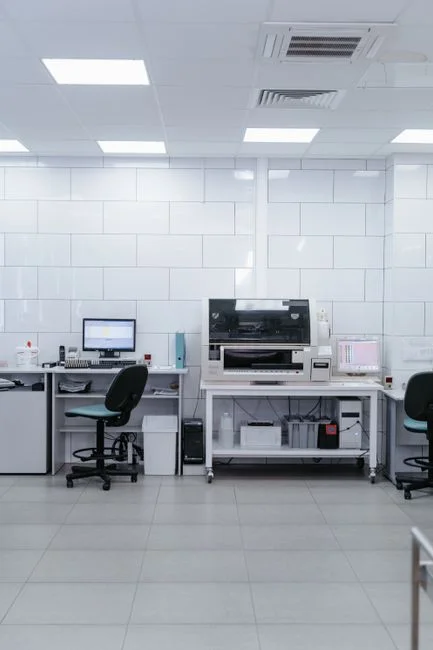
In practice, the village will expect a 24-hour flow-paced composite sampler at the point of discharge, with a refrigerated auto-sampler and a logged flow signal. Parameters that are unstable in a composite bottle — pH, temperature, residual chlorine, residual sulfide — are pulled as grabs at the same monitoring location (S1). Parameters with composite-versus-grab differences in the § 53.020 table (BOD, TSS, FOG, ammonia, copper, zinc, nickel, lead) must be reported under the more restrictive split when the same composite sample is used for both (S1). Metals at low microgram-per-liter levels — cadmium at 0.015 mg/L, mercury at 0.0005 mg/L, lead at 0.20 mg/L — require clean-hands, lab-grade sample handling and low-level analytical methods; a field-grade test kit will not support a compliance argument (S4).
Records must be retained and made available to the POTW on request; repeated excursions against the § 53.020 table or any violation of the categorical prohibitions (gasoline, kerosene, benzene, toluene, xylene, ethers, alcohols, ketones, aldehydes, peroxides, chlorates, perchlorates, bromates, PCBs, PBBs, carbides, hydrides, Stoddard solvents, sulfides) can trigger permit revocation and sewer disconnection (S1). Internally, an automated chemical dosing and data logging platform gives the on-site team a continuous record of pH, flow, and dose, so the plant can demonstrate a stable discharge profile rather than relying on point-in-time compliance to survive an inspection (S4). For a facility handling both metal-bearing rinsewater and paint-shop wastewater, the same multi-stream SOP also mirrors the broader logic in a chemical plant pretreatment program in Louisiana and the mining and metals pretreatment compliance framework — the regulatory structure is consistent across jurisdictions, only the numbers change.
Selecting equipment and a vendor for a Dundee-area EV plant
Procurement should anchor the equipment specification to the binding § 53.020 numbers, not to vendor nameplate flow or marketing copy. The vendor's job is to demonstrate, in writing, that the proposed unit operations will keep the plant's calculated load below the village's MAIL after the safety factor is applied (S4). The decision framework below maps each spec to the limit that drives it.
| Spec question | Anchor to limit / framework | What "good" looks like |
|---|---|---|
| DAF removal performance | FOG 100 mg/L; Zn 1.00 mg/L; Ni 1.00 mg/L; Cu 50.00 mg/L (S1) | Documented FOG outlet < 50 mg/L with verified Zn, Ni, and Cu removals at design turndown |
| Equalization and DAF turndown | Batchy shift loading from stamping, paint, and machining (S1) | Equalization volume sized for peak shift, DAF turndown ratio ≥ 4:1 over nameplate |
| Metals precipitation train | Zn 1.00, Ni 1.00, Cu 50.00, Pb 0.20 mg/L headworks (S1) | Lamella clarifier for metals precipitation with documented outlet below each limit; sludge to a dedicated press |
| Biological step | BOD 300 mg/L; ammonia 50 mg/L (S1) | MBR for biological polishing selected on footprint, conventional ASP selected on volume and operating cost |
| Sludge handling | Local-limits sludge quality considerations (S4) | Plate-and-frame filter press for hydroxide sludge sized to dry cake ≥ 30% DS |
| Headworks protection | Abrasives, rags, and paint chips from EV lines | Rotary mechanical bar screen at the headworks with aperture sized to downstream pump clearances |
| Instrumentation and data | Village reporting expectations and MAIL tracking (S1, S4) | PLC-controlled chemical dosing and data logging for pH, temperature, flow, and dose, with retention ≥ 3 years |
Ask each vendor for a written MAHL/MAIL allocation scenario that shows how their proposed unit operations keep the plant's calculated load below the village's MAIL after the safety factor is applied (S4). Confirm equalization volume and DAF turndown explicitly — an EV/auto plant's discharge is batchy by nature, with one shift of stamping and two shifts of paint, so a vendor offering only a single design-point curve is offering a system that will fail between shifts (S1). Confirm instrument scope: a pH probe, a temperature transmitter, a flow meter, and a PLC with data logging are the minimum to satisfy the village's reporting expectations and to support the MAIL tracking the village uses (S4). Finally, get lead time, commissioning, and on-site training in writing, and require a 30-day parallel sampling run against the village's own sampler as part of acceptance — the parallel run is the cleanest defense the plant has if a permit dispute ever arises (S4). The DAF-vs-clarifier decision logic for the chemistry step is detailed separately in the DAF or clarifier for chemicals wastewater guide, but the basic rule is the same: specify the unit operation against the limit it has to hit.
Frequently Asked Questions
When does an EV/auto plant near Dundee qualify as a Significant Industrial User and need a written discharge permit?
Under 40 CFR Part 403, an industrial user becomes an SIU when it discharges an average of 25,000 gpd or more of process wastewater (excluding sanitary, non-contact cooling, and boiler blowdown), or when its process wastestream makes up 5% or more of the POTW's average dry-weather hydraulic or organic capacity, or when the POTW designates it on the basis of reasonable potential for interference or pass-through (S5). Once an SIU, the plant enters East Dundee's pretreatment program and is bound by § 53.020 plus the categorical standards under 40 CFR Part 467 for metal-finishing lines (S1, S5).
What does it actually cost to install a pretreatment train that meets § 53.020?
No published pricing data is available for a Dundee-area EV/auto plant of any given size, and equipment capital cost varies sharply with flow, stream segregation, and the categorical standards triggered. A defensible buying decision starts with three inputs the buyer must request from the village and the vendor: (1) the plant's calculated MAIL in pounds per day for each pollutant of concern, after the safety factor the POTW applies (S4); (2) the design flow and the worst-case shift profile, because equalization and DAF turndown drive tankage cost more than nameplate flow does (S1); and (3) a written scope of instrument, controls, and commissioning from each vendor, so a like-for-like comparison can be made.
What should we ask a vendor before issuing a PO for a DAF or MBR system?
Ask for a documented MAHL/MAIL allocation scenario, for verified FOG and metals-removal performance at the actual turndown the plant will see, for instrument and data-logging scope that satisfies the village's reporting expectations, and for commissioning that includes a 30-day parallel sampling run against the village's own sampler (S1, S4). Lead time, on-site training, and post-commissioning support should all be in writing.
Which shop-floor streams are most likely to put the plant out of compliance first?
Paint-shop washwater is the most common source of non-compliance because it carries detectable aromatics (toluene, xylene, ethers, ketones, aldehydes, Stoddard solvents) that are explicitly prohibited by § 53.020, plus FOG that can break through an undersized DAF (S1). E-coat rinsewater is the second most common culprit because high-COD, low-BOD streams trip the 5,000 mg/L COD prohibition when BOD is below 20% of COD (S1). Stamping rinsewater is the third, because dissolved zinc and nickel approach the 1.00 mg/L headworks values quickly in a combined flow.