Can Tho’s Industrial Wastewater Crisis: Pollution, Regulations, and Urgency
Industrial wastewater treatment in Can Tho faces critical challenges, including pollution in the Hu River and Bung Xang canal, driven by inadequate centralized systems and industrial discharge. As of 2025, Vietnam’s QCVN 40:2011/BTNMT mandates strict limits for industrial effluent (e.g., COD ≤ 150 mg/L, TSS ≤ 100 mg/L), while Can Tho’s planned VND5346 billion investment signals urgency for compliant solutions. Facilities like Pepsico’s 1,800 m³/day plant demonstrate scalable technologies—DAF systems achieve 95% TSS removal, while MBR systems deliver near-reuse-quality effluent (<10 mg/L BOD) for high-load industries like textiles and food processing.
The environmental strain is palpable. In 2023, samples from the Bung Xang canal revealed Total Suspended Solids (TSS) levels exceeding 200 mg/L, significantly impacting aquatic ecosystems and public health. A 2024 report by the Can Tho Department of Natural Resources and Environment (DONRE) highlighted that approximately 60% of factories within the Tra Noc Industrial Zone discharge untreated or inadequately treated effluent due to the absence of a comprehensive centralized treatment system. This situation directly contradicts Vietnam’s national industrial wastewater standards, QCVN 40:2011/BTNMT, which sets stringent limits for key parameters.
| Parameter | Unit | QCVN 40:2011/BTNMT (Industrial Wastewater, Column B) |
|---|---|---|
| COD (Chemical Oxygen Demand) | mg/L | ≤ 150 |
| BOD (Biochemical Oxygen Demand) | mg/L | ≤ 50 |
| TSS (Total Suspended Solids) | mg/L | ≤ 100 |
| pH | - | 6.0 – 9.0 |
| FOG (Fats, Oils, and Grease) | mg/L | ≤ 20 |
Non-compliance carries severe financial and operational repercussions. Decree 155/2016/ND-CP outlines penalties for environmental violations, including fines of up to VND1 billion (approximately USD40,000) and, in egregious cases, mandatory facility shutdowns. Recognizing the scale of the challenge, the Vietnamese government has allocated a significant VND5346 billion investment for Can Tho, with approximately 40% earmarked for collection networks, 50% for new treatment plants, and 10% for ongoing monitoring efforts. This substantial investment underscores the critical need for effective and compliant industrial wastewater treatment solutions.
Treatment Technologies for Can Tho’s Industrial Wastewater: Performance, Costs, and Use Cases
Selecting the appropriate wastewater treatment technology is paramount for achieving compliance with QCVN 40:2011/BTNMT while optimizing operational costs. For Can Tho's diverse industrial landscape, Dissolved Air Flotation (DAF), Membrane Bioreactor (MBR), and chemical dosing systems represent key solutions, each with distinct performance characteristics and ideal applications.
Dissolved Air Flotation (DAF) systems are highly effective for removing suspended solids and FOG. Our DAF units, for instance, consistently achieve 92–97% TSS removal and 70–90% FOG removal. These systems are particularly well-suited for industries like food processing and pulp & paper, where high concentrations of these pollutants are common. The energy consumption for DAF systems typically ranges from 0.3–0.5 kWh/m³, making them a relatively energy-efficient option for primary treatment. For example, the Pepsico Can Tho facility utilizes DAF technology to manage its substantial wastewater flow.
Membrane Bioreactor (MBR) technology offers a more advanced solution, particularly for industries with high organic loads and stringent effluent quality requirements. MBR systems, such as our DF series, can achieve remarkably low effluent levels, typically <10 mg/L BOD and <5 mg/L TSS, along with over 99% pathogen removal. This makes them ideal for sectors like textiles and pharmaceuticals, where effluent reuse or discharge into sensitive water bodies is a consideration. A significant advantage of MBRs is their compact footprint, requiring up to 60% less space compared to conventional activated sludge systems.
Chemical Dosing Systems are crucial for pretreatment and enhancing the efficiency of other treatment processes. Utilizing coagulants like Polyaluminium Chloride (PAC) or Ferric Chloride (FeCl₃) can reduce COD by 50–80%, while flocculants such as polyacrylamide improve sedimentation and sludge dewatering. Our automatic chemical dosing systems offer precise control, with typical dosage ranges from 50–300 mg/L, ensuring optimal chemical consumption. These systems are indispensable for pH adjustment and preparing wastewater for subsequent DAF or MBR treatment.
| Technology | Typical TSS Removal | Typical COD Removal | Typical BOD Removal | Ideal Industries | Key Benefits | Limitations |
|---|---|---|---|---|---|---|
| DAF (Dissolved Air Flotation) | 92–97% | 40–70% | 30–60% | Food Processing, Pulp & Paper, Slaughterhouses | Effective FOG & TSS removal, relatively low CAPEX, energy efficient | Less effective for soluble COD, requires chemical addition |
| MBR (Membrane Bioreactor) | >99% | 80–95% | >98% | Textiles, Pharmaceuticals, High-Strength Organic Wastewater | Superior effluent quality, small footprint, potential for water reuse | Higher CAPEX & OPEX (membrane replacement), requires skilled operation |
| Chemical Dosing | Varies (enhances other processes) | 50–80% (with coagulants) | 30–70% (with biological integration) | Pretreatment for DAF/MBR, pH adjustment, heavy metal removal | Versatile, improves downstream processes, precise control | Increases sludge volume, chemical costs, potential for residual chemicals |
While each technology offers significant advantages, it’s important to note their limitations. DAF systems can struggle with highly soluble COD fractions. MBRs necessitate regular membrane cleaning and eventual replacement, contributing to operational costs. Chemical dosing, while effective, increases the volume of sludge requiring disposal, an additional consideration for facilities in Can Tho.
Cost Breakdown: CAPEX, OPEX, and ROI for Industrial Wastewater Treatment in Can Tho
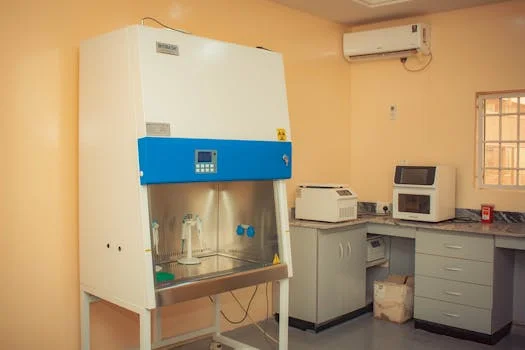
Investing in industrial wastewater treatment requires a clear understanding of both upfront capital expenditure (CAPEX) and ongoing operational expenditure (OPEX). HydropureWater offers a range of solutions tailored to the needs of Can Tho’s industries, with transparent cost structures to facilitate informed decision-making.
Capital Expenditure (CAPEX) for DAF systems typically ranges from USD15,000 to USD150,000, depending on the capacity, which can range from 4 to 300 m³/h. MBR systems, offering higher effluent quality and a smaller footprint, generally fall within the USD50,000 to USD500,000 range for capacities from 10 to 2,000 m³/day. Automatic chemical dosing systems are the most accessible from a CAPEX perspective, costing between USD5,000 and USD30,000.
Installation costs can add a significant percentage to the CAPEX, typically accounting for 20–30% of the equipment price. These costs encompass civil works, piping, electrical installations, and commissioning. For instance, the 1,800 m³/day system installed at Pepsico Can Tho involved approximately 60% for equipment, 30% for installation, and 10% for permits.
Operational Expenditure (OPEX) is a critical long-term consideration. Key components include energy consumption (0.2–0.8 kWh/m³ across various technologies), chemical costs (USD0.05–USD0.20/m³ for DAF and chemical dosing), labor (typically 1–2 full-time equivalents for systems processing over 200 m³/day), and maintenance. For MBR systems, membrane replacement represents a significant OPEX factor, with costs ranging from USD10 to USD20 per square meter every 3–5 years.
| System Type | Typical Capacity Range | Estimated CAPEX Range (USD) | Estimated OPEX per m³ (USD) | Typical Payback Period (Years) |
|---|---|---|---|---|
| DAF System | 4 – 300 m³/h | 15,000 – 150,000 | 0.10 – 0.30 (incl. energy, chemicals, minor maintenance) | 2.0 – 3.5 (with water reuse/fine avoidance) |
| MBR System | 10 – 2,000 m³/day | 50,000 – 500,000 | 0.25 – 0.60 (incl. energy, maintenance, membrane amortization) | 3.0 – 5.0 (with stringent reuse/discharge needs) |
| Chemical Dosing System | Variable | 5,000 – 30,000 | 0.05 – 0.15 (chemicals only) | N/A (typically part of a larger system's ROI) |
Calculating the Return on Investment (ROI) is essential. For a 100 m³/day DAF system in a food processing facility in Can Tho, the payback period is estimated at approximately 2.5 years. This calculation is based on savings from avoided environmental fines, reduced water sourcing costs through potential reuse, and improved operational efficiency. Exploring Vietnam’s Green Credit Program for low-interest loans and potential grants from Can Tho DONRE for small and medium-sized enterprises (SMEs) can further enhance the financial viability of these investments.
Compliance Checklist: Meeting Vietnam’s QCVN 40:2011/BTNMT Standards in Can Tho
Achieving and maintaining compliance with Vietnam’s QCVN 40:2011/BTNMT standards requires a systematic approach to wastewater treatment. This checklist outlines the essential steps and considerations for industrial facilities in Can Tho to ensure their effluent meets regulatory requirements.
- Pre-treatment: Ensure wastewater pH is adjusted to the 6.0–9.0 range using precise chemical dosing systems. Remove fats, oils, and grease (FOG) to below 20 mg/L, often using DAF or oil separators. Install coarse screening (1–5 mm) to prevent large debris from entering treatment processes.
- Primary Treatment: Reduce Total Suspended Solids (TSS) to ≤100 mg/L. This is typically achieved through physical separation methods like sedimentation or, more effectively, Dissolved Air Flotation (DAF) systems.
- Secondary Treatment: Lower Biochemical Oxygen Demand (BOD) to ≤50 mg/L and Chemical Oxygen Demand (COD) to ≤150 mg/L. Biological treatment processes, such as those employed in MBR integrated wastewater treatment systems or conventional activated sludge processes, are essential for achieving these reductions.
- Tertiary Treatment (If Required): For stringent reuse applications or discharge into highly sensitive ecosystems, tertiary treatment may be necessary. This can include disinfection using methods like chlorination (e.g., with a chlorine dioxide generator) or UV irradiation to eliminate pathogens and further reduce residual organic matter.
- Monitoring: Implement continuous monitoring for critical parameters such as pH and flow rate. Install TSS meters for real-time data. Conduct regular laboratory analysis (at least quarterly) for parameters including COD, BOD, heavy metals, and other specific pollutants as outlined in QCVN 40, Annex 2.
- Reporting: Submit monthly discharge reports to the Can Tho DONRE. For facilities with a treatment capacity exceeding 500 m³/day, annual third-party audits are typically required to verify compliance and operational effectiveness.
Selecting the Right Equipment: Decision Framework for Can Tho’s Industries
Choosing the optimal industrial wastewater treatment solution in Can Tho involves a systematic evaluation of several key factors. This decision framework guides facility managers and engineers through a process to match technologies to specific needs, ensuring both compliance and cost-effectiveness.
Step 1: Characterize Influent Wastewater. The first crucial step is to accurately measure the key parameters of your industrial effluent. This includes TSS, COD, BOD, FOG, pH, and any specific industrial contaminants. Understanding the concentration and variability of these pollutants will dictate the required treatment intensity. A detailed sampling protocol and laboratory analysis are recommended.
Step 2: Define Effluent Targets. Determine your specific discharge or reuse requirements. Are you aiming solely for compliance with QCVN 40, or do you have aspirations for water reuse (e.g., for cooling towers, irrigation, or non-potable industrial processes)? Reuse applications often demand significantly higher effluent quality, potentially necessitating advanced treatment stages.
Step 3: Match Technology to Industry and Influent Characteristics. Different industries generate distinct wastewater profiles. Food processing plants, for example, often benefit from DAF systems for high-efficiency TSS and FOG removal. Textile and pharmaceutical industries, dealing with complex organic compounds and dyes, may find MBR systems for high-load industrial wastewater more suitable due to their superior biological treatment capabilities. Chemical industries might require robust pretreatment using automatic chemical dosing systems followed by biological treatment.
Step 4: Consider Budget Constraints (CAPEX vs. OPEX). Evaluate your available capital for upfront investment versus your long-term operational budget. DAF systems generally have lower CAPEX but may have higher chemical costs. MBR systems have higher CAPEX and membrane replacement costs but can offer significant advantages in footprint and effluent quality, potentially leading to OPEX savings through water reuse.
Step 5: Assess Space Availability. The physical footprint of a treatment system is a critical consideration, especially in established industrial zones. MBR systems are notable for their compact design, requiring up to 60% less space than conventional biological treatment plants, making them an attractive option where land is at a premium.
| Key Decision Factor | Scenario 1: High FOG/TSS, Moderate COD/BOD | Scenario 2: High Organic Load (COD/BOD), Moderate TSS | Scenario 3: Stringent Effluent Reuse Required | Scenario 4: Budget-Constrained Pre-treatment |
|---|---|---|---|---|
| Industry Focus | Food Processing, Slaughterhouses | Textiles, Pulp & Paper (high BOD) | Pharmaceuticals, High-Tech Manufacturing | General Manufacturing, Small-Medium Enterprises |
| Primary Technology Recommendation | DAF (Primary) + Chemical Dosing (Pre-treatment) | MBR (Secondary/Tertiary) | MBR (Advanced) or DAF + Advanced Oxidation | Chemical Dosing + Sedimentation/DAF |
| CAPEX Consideration | Moderate | High | High | Low to Moderate |
| OPEX Consideration | Moderate (chemicals) | Moderate to High (energy, membranes) | Moderate to High | Low to Moderate (chemicals depend on load) |
| Space Requirement | Moderate | Low | Low | Moderate |
By systematically addressing these questions, facility managers can make an informed decision, potentially combining technologies (e.g., chemical dosing followed by DAF and then MBR) to create a robust and compliant wastewater treatment solution for their operations in Can Tho. For further comparative analysis, consider consulting resources like the Binh Duong’s industrial wastewater treatment solutions for comparison or the detailed DAF system specs and cost benchmarks for Vietnam.
Frequently Asked Questions
What are the main industrial wastewater treatment technologies available in Can Tho?
The primary technologies suitable for industrial wastewater treatment in Can Tho include Dissolved Air Flotation (DAF) for removing suspended solids and FOG, Membrane Bioreactor (MBR) systems for advanced biological treatment and high-quality effluent, and Chemical Dosing Systems for pretreatment, pH adjustment, and enhancing other treatment processes. Hybrid systems combining these technologies are also common.
How does QCVN 40:2011/BTNMT affect industrial operations in Can Tho?
QCVN 40:2011/BTNMT sets the legal limits for pollutants in industrial wastewater discharged into Vietnamese water bodies. For Can Tho, this means facilities must treat their effluent to meet specific standards for parameters like COD (≤150 mg/L), BOD (≤50 mg/L), and TSS (≤100 mg/L) to avoid penalties and ensure environmental protection.
What is the typical cost of an industrial wastewater treatment system in Vietnam?
Costs vary significantly based on technology, capacity, and complexity. CAPEX for DAF systems can range from USD15,000 to USD150,000, while MBR systems typically cost USD50,000 to USD500,000 for capacities between 10–2,000 m³/day. Installation, chemicals, energy, and maintenance contribute to the overall OPEX.
What are the advantages of using an MBR system for textile wastewater in Can Tho?
MBR systems offer superior effluent quality (<10 mg/L BOD, <5 mg/L TSS) ideal for reuse or discharge into sensitive environments, which is crucial for textile factories dealing with complex dyes and chemicals. They also have a significantly smaller footprint compared to conventional systems, a key advantage in space-constrained industrial areas. See the MBR system selection guide for industrial applications.
How can industries in Can Tho reduce their wastewater treatment costs?
Cost reduction can be achieved through optimizing chemical dosing, implementing water reuse strategies, improving energy efficiency in treatment processes, and ensuring regular maintenance to prevent costly breakdowns. Investing in technologies that offer a good balance between CAPEX and OPEX, such as appropriately sized DAF systems for initial solids removal, can also lead to long-term savings.