DAF (Dissolved Air Flotation) systems are the most efficient technology for removing suspended solids (TSS), oils, and BOD from industrial wastewater in Cambodia, achieving 92–97% TSS removal and 80–90% COD reduction (per EPA 2024 benchmarks). In Cambodia, DAF systems are critical for compliance with Ministry of Environment (MoE) discharge limits—e.g., TSS < 50 mg/L and BOD < 30 mg/L for textile and food processing effluents. This guide provides 2025 engineering specs, cost benchmarks (CAPEX: $25,000–$150,000 for 10–100 m³/h systems), and a supplier comparison for Cambodian buyers, offering industrial facility managers, EHS engineers, and procurement teams a comprehensive resource for evaluating DAF systems in Cambodia.
Why Cambodian Factories Are Switching to DAF Systems
The Ministry of Environment (MoE) 2023 enforcement crackdown revealed that 30% of Cambodian industrial facilities failed wastewater tests, highlighting a critical need for effective treatment solutions. This widespread non-compliance often stems from inadequate or outdated treatment infrastructure, leading to significant environmental and financial repercussions. Common violations include TSS exceeding 100 mg/L, FOG (Fats, Oils, and Grease) above 15 mg/L, and BOD (Biochemical Oxygen Demand) surpassing 50 mg/L—all parameters that DAF systems are specifically designed to address.
Consider a garment factory in Phnom Penh, a sector known for high volumes of textile dyes and suspended solids in its effluent. Facing escalating fines for discharge violations, the factory sought a more robust solution than its conventional sedimentation tanks. A properly sized DAF system in Cambodia provides the necessary removal efficiency to consistently meet MoE limits.
Another compelling example comes from a Siem Reap palm oil mill, where a 50 m³/h DAF system was implemented. This system effectively reduced influent TSS from an average of 450 mg/L to a compliant 25 mg/L, preventing an estimated $12,000 per year in fines. The cost of non-compliance extends beyond monetary penalties, which typically range from $500 to $5,000 per month; it also includes potential production halts, reputational damage, and increased scrutiny from regulatory bodies and international buyers.
For many Cambodian industries, from breweries to food processing plants, DAF technology represents a strategic investment to ensure long-term operational stability and environmental stewardship. The ability of DAF systems to efficiently target key pollutants like TSS, FOG, and a significant portion of BOD makes them an indispensable component of modern industrial wastewater treatment in the region.
How DAF Systems Work: Micro-Bubble Technology Explained
DAF systems fundamentally operate by leveraging the buoyant force of microscopic air bubbles to separate suspended solids, oils, and greases from wastewater. This process, known as Dissolved Air Flotation, relies on a series of precisely controlled steps to achieve high removal efficiencies.
- Coagulation/Flocculation: Influent wastewater first enters a mixing tank where chemical coagulants (e.g., Poly-Aluminum Chloride or PAC) and flocculants (e.g., polyacrylamide) are added. These chemicals destabilize the charges on suspended particles, allowing them to clump together into larger, more easily floatable "flocs." The flocculation tank typically has a hydraulic retention time (HRT) of 5–15 minutes, crucial for optimal floc formation. For enhanced performance, PLC-controlled chemical dosing for DAF pretreatment ensures precise chemical addition based on influent characteristics.
- Air Saturation: A portion of the clarified effluent (typically 20–30%) is recycled and saturated with air under high pressure, usually between 3–6 bar, in a dedicated saturation tank. This creates a supersaturated solution of air in water.
- Micro-Bubble Release: The pressurized, air-saturated water is then released through a pressure reduction valve into the DAF flotation tank. The sudden drop in pressure causes the dissolved air to come out of solution as billions of microscopic bubbles, typically 20–50 μm in diameter.
- Flotation: These tiny micro-bubbles rapidly attach to the pre-formed flocs, suspended solids, and oil droplets in the wastewater. The combined particle-bubble aggregates become buoyant and quickly float to the surface, forming a concentrated sludge layer. The typical retention time in the DAF tank ranges from 10–30 minutes, allowing sufficient time for flotation.
- Skimming: A mechanical skimmer continuously removes the floated sludge layer from the surface of the DAF tank, while the clarified, treated water is discharged from the bottom for further treatment or discharge.
The efficiency of DAF systems is directly linked to bubble size; 20–30 μm bubbles achieve up to 95% TSS removal, significantly outperforming larger 100 μm bubbles, which typically yield only around 70% removal (per Sigmadaf 2024 data). A simplified process involves influent entering the flocculation tank, mixing with coagulants, then flowing to the DAF tank where micro-bubbles attach to flocs and rise to the surface, demonstrating the core principle of buoyancy-driven separation.
DAF System Performance: Removal Efficiencies for Cambodian Industries
DAF systems consistently demonstrate high removal efficiencies for key pollutants, making them a cornerstone technology for Cambodian industries aiming for compliance with MoE discharge limits. The performance varies depending on the influent characteristics and the specific industrial sector, but general benchmarks provide a clear understanding of DAF's capabilities.
| Industry | Influent TSS (mg/L) | Effluent TSS (mg/L) | TSS Removal | COD Removal | FOG Removal |
|---|---|---|---|---|---|
| Textiles | 300–800 | 15–40 | 92–97% | 70–85% | 85–95% |
| Food Processing | 500–1200 | 20–50 | 95–98% | 80–90% | 90–98% |
| Palm Oil Mills | 1000–3000 | 30–80 | 95–99% | 85–95% | 95–99% |
While DAF systems excel in removing suspended solids and fats, oils, and grease (FOG), their performance in Chemical Oxygen Demand (COD) reduction has specific limitations. DAF alone may not meet stringent MoE limits (e.g., <50 mg/L) for high-strength effluents, such as those from palm oil mills where COD can be extremely high. In such cases, post-treatment technologies like MBR systems for post-DAF COD/BOD polishing or anaerobic/aerobic digestion are often required to achieve full compliance. For a deeper dive into specific challenges, explore POME treatment strategies for Cambodian palm oil mills.
FOG removal is a particular strength of DAF systems, especially for free oils. However, DAF systems may struggle with highly emulsified oils, which require more aggressive chemical pretreatment (e.g., pH adjustment, demulsifiers) to break the emulsion before flotation. PLC-controlled chemical dosing for DAF pretreatment is crucial for optimizing these chemical additions.
The impact of influent variability, such as seasonal spikes in TSS during the monsoon season or fluctuating production schedules, necessitates adaptable DAF systems. Advanced DAF solutions offer features like adjustable chemical dosing rates and variable frequency drives (VFDs) for pumps to maintain consistent performance despite changing influent characteristics, ensuring continuous compliance and optimal operation for any DAF systems for Cambodian industrial wastewater.
DAF System Specifications: Materials, Flow Rates, and Customization Options
Selecting the right DAF system requires careful consideration of its specifications, including materials of construction, flow rate capacity, and available automation levels, to ensure optimal performance and longevity in varied industrial environments. These parameters directly influence a system's suitability for specific effluent characteristics and operational demands.
| Material Type | Key Characteristics | Ideal Applications | Lifespan | Cost vs. Polypropylene |
|---|---|---|---|---|
| Stainless Steel (304/316) | Corrosion-resistant, high strength, hygienic | High-salinity, acidic, or high-temperature effluents (e.g., seafood processing, certain chemical industries) | 15–20 years | +20–30% |
| Polypropylene (PP) | Lightweight, excellent chemical resistance, cost-effective | Most industrial effluents (e.g., textiles, food processing, general manufacturing) | 10–15 years | Baseline |
For applications involving high salinity or acidic effluents, such as seafood processing plants in Sihanoukville, stainless steel (specifically 316) is the preferred material due to its superior corrosion resistance and extended lifespan. In contrast, polypropylene offers a cost-effective and chemically resistant option suitable for the majority of industrial effluents encountered in Cambodia. HydropureWater's DAF systems for Cambodian industrial wastewater are available in both material options.
DAF systems are available across a wide range of flow rates, from compact units handling 4 m³/h to large industrial systems up to 300 m³/h. Custom models can be engineered to treat up to 1000 m³/h for very large facilities like major palm oil mills. The physical footprint of these systems also varies significantly; a 10 m³/h compact DAF system may require only 4 m², while a 100 m³/h system typically needs 20–30 m² of space, including access for maintenance.
Automation levels range from basic to advanced. Basic systems feature manual chemical dosing and simple float level controls. Advanced DAF systems incorporate PLC-controlled dosing, real-time TSS monitoring with turbidity sensors, and remote telemetry for continuous data logging and compliance reporting. These advanced features offer significant benefits by reducing labor costs, optimizing chemical consumption, and providing verifiable data for regulatory compliance.
Given the variability of industrial effluents, particularly those with complex or unknown characteristics (e.g., mixed textile dyes, specific palm oil mill effluent components), pilot testing is highly recommended. A 2–4 week trial can provide invaluable real-world performance data, allowing for precise system sizing and chemical optimization before full-scale investment. This minimizes risks and ensures the selected DAF system meets specific treatment goals for DAF systems in Cambodia.
Cost Breakdown: DAF Systems in Cambodia (2025 Data)
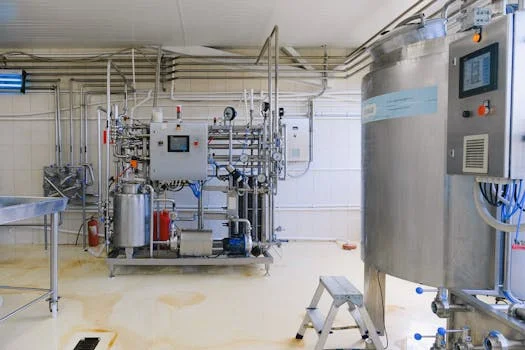
Understanding the full cost implications of a DAF system in Cambodia involves analyzing both Capital Expenditure (CAPEX) and Operational Expenditure (OPEX), alongside potential Return on Investment (ROI). These benchmarks provide a transparent framework for budgeting and financial planning.
| Flow Rate (m³/h) | CAPEX ($) (FOB Phnom Penh, 2025) | Key Components Included |
|---|---|---|
| 10 | $25,000–$40,000 | DAF tank, pump, compressor, control panel |
| 50 | $60,000–$90,000 | DAF tank, pump, compressor, control panel, chemical dosing system, PLC controls |
| 100 | $100,000–$150,000 | DAF tank, pump, compressor, control panel, chemical dosing system, PLC controls, sludge handling system, telemetry |
These CAPEX figures represent the Free On Board (FOB) cost in Phnom Penh for standard DAF systems in Cambodia, excluding installation and ancillary civil works. The price variation within each flow rate category depends on the material of construction (polypropylene vs. stainless steel), level of automation, and specific features.
Annual Operational Expenditure (OPEX) for DAF systems typically ranges from $5,000–$20,000, broken down as follows:
- Chemicals: $2,000–$8,000 per year (coagulants, flocculants, pH adjusters).
- Power: $1,500–$6,000 per year (for pumps, compressors, and skimmers).
- Maintenance: $1,500–$6,000 per year (routine inspections, sensor calibration, minor part replacements, and labor).
The Return on Investment (ROI) for a DAF system can be substantial. For example, a 50 m³/h DAF system installed at a garment factory, with an initial CAPEX of $75,000, could save an estimated $12,000 per year in MoE non-compliance fines. Additionally, DAF systems often lead to a 30% reduction in chemical costs compared to less efficient sedimentation systems due to optimized chemical usage. Factoring in these savings, the payback period for such an investment typically falls within 3–5 years, making it a financially attractive solution for long-term compliance and operational efficiency.
Beyond the direct CAPEX and OPEX, buyers should account for several hidden costs:
- Site Preparation: $5,000–$15,000 for concrete pads, electrical upgrades, and plumbing connections.
- Permitting and Compliance Testing: $2,000–$5,000 for MoE environmental impact assessments, discharge permits, and ongoing mandatory effluent testing.
- Training: $1,000–$3,000 for operator certification and technical training to ensure proper system operation and maintenance.
Local vs. International DAF Suppliers: A Comparison for Cambodian Buyers
Cambodian industrial buyers evaluating DAF systems face a choice between local distributors, regional Chinese/Korean manufacturers, and established international brands, each offering distinct advantages and trade-offs in terms of lead time, cost, and support.
| Supplier Type | Lead Time | CAPEX Premium | Local Support | Warranty | Customization |
|---|---|---|---|---|---|
| International (e.g., Sigmadaf, Hydro-Industrial) | 12–16 weeks | +20–40% | Limited (remote assistance, authorized local agents) | 2–5 years | High (modular designs, advanced features) |
| Chinese/Korean (e.g., Dajiang) | 8–12 weeks | Baseline | Moderate (via local partners or direct technicians) | 1–3 years | Medium (standard models with some configuration) |
| Local (e.g., Cambodian distributors) | 4–8 weeks | -10–20% | Strong (on-site engineers, local spare parts) | 1 year | Low (fixed designs, component assembly) |
Local suppliers and distributors in Cambodia often provide the fastest delivery times, typically within 4–8 weeks, and lower shipping costs due to local inventory or regional sourcing. They also offer strong on-site support, which is invaluable for installation, commissioning, and routine maintenance, and often possess established relationships that can ease the MoE permitting process. However, their customization options and warranty periods may be more limited compared to international counterparts.
International DAF manufacturers, such as those benchmarked in International DAF supplier benchmarks (UK data), generally offer higher removal efficiencies (e.g., 97% vs. 90% TSS for specialized units), longer warranties, and more modular designs that allow for future expansion or adaptation. Their lead times are longer (12–16 weeks), and their CAPEX can be 20–40% higher. While direct local support may be limited, they often have authorized service partners or offer remote technical assistance.
Chinese and Korean manufacturers strike a balance, offering competitive pricing (often baseline CAPEX) and shorter lead times (8–12 weeks) than Western international suppliers. They provide moderate local support through regional partners and offer a good range of standard models. A Phnom Penh brewery, for instance, opted for a Chinese DAF system (Dajiang) due to its 8-week lead time and 15% lower cost compared to European alternatives. However, to fully meet stringent MoE FOG limits for their specific effluent, they later integrated a locally sourced PLC-controlled chemical dosing for DAF pretreatment, demonstrating a hybrid approach to optimize both cost and performance for their DAF system in Cambodia.
Selecting the Right DAF System: A Decision Framework for Cambodian Facilities
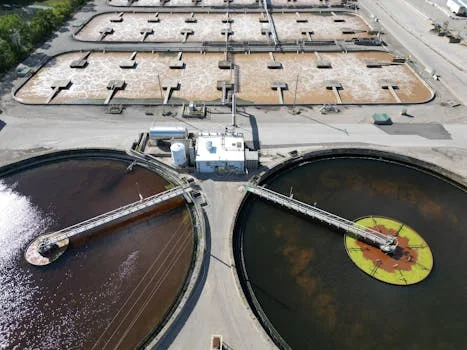
Choosing the optimal DAF system for an industrial facility in Cambodia requires a structured approach that aligns effluent characteristics with compliance targets and operational realities. This decision framework guides buyers through the critical steps to ensure a successful and cost-effective implementation.
- Step 1: Characterize Influent Wastewater. Begin by conducting a comprehensive analysis of your facility's raw wastewater. Key parameters include Total Suspended Solids (TSS), Chemical Oxygen Demand (COD), Biochemical Oxygen Demand (BOD), Fats, Oils, and Grease (FOG), pH, and temperature. For example, palm oil mill effluent (POME) typically exhibits very high TSS (>2000 mg/L) and FOG (>500 mg/L), demanding robust DAF designs.
- Step 2: Define Compliance Targets. Clearly identify the specific Ministry of Environment (MoE) discharge limits applicable to your industry. Common targets include TSS < 50 mg/L, BOD < 30 mg/L, and FOG < 10 mg/L. Understanding these limits is paramount for sizing and selecting a system that guarantees compliance.
- Step 3: Size the System. Based on your facility's average and peak wastewater flow rates (m³/h) and the required removal efficiencies (derived from influent characterization and compliance targets), determine the appropriate DAF system capacity. For instance, a facility with a 50 m³/h flow rate and an influent TSS of 1000 mg/L targeting 95% removal would require a DAF unit capable of consistently achieving this efficiency.
- Step 4: Choose Material of Construction. Evaluate the chemical composition of your effluent. For acidic (pH < 6) or high-salinity wastewater (e.g., seafood processing), stainless steel (316) is essential for corrosion resistance and longevity. For most neutral pH industrial effluents, polypropylene offers a cost-effective and durable solution.
- Step 5: Evaluate Automation Needs. Assess the variability of your influent and the availability of skilled operators. For highly variable effluents, PLC-controlled dosing systems and real-time monitoring (PLC-controlled chemical dosing for DAF pretreatment) are beneficial to maintain consistent performance. For stable effluents, basic automation with manual controls may suffice, balancing CAPEX with operational complexity.
- Step 6: Pilot Test (if necessary). For effluents with highly complex or unknown characteristics (e.g., new textile dyes, specific food waste compositions), a 2–4 week pilot test is strongly recommended. This provides real-world data on chemical dosages, removal efficiencies, and optimal operating parameters, de-risking the full-scale investment for your DAF system in Cambodia.
A simplified decision tree might look like this: "If influent TSS > 1000 mg/L and FOG > 200 mg/L, consider a high-load DAF system (e.g., HydropureWater) combined with robust chemical pretreatment. If effluent COD targets are extremely low (<50 mg/L), plan for post-DAF biological treatment."
Frequently Asked Questions
Q: What is the efficiency of DAF in COD removal?
A: DAF systems achieve 80–90% COD removal for industrial effluents with moderate organic loads (e.g., textiles, food processing). For high-strength effluents (COD > 1000 mg/L), DAF primarily removes particulate COD. To meet stringent MoE limits (typically <50 mg/L), post-treatment such as MBR systems for post-DAF COD/BOD polishing or aerobic digestion is often required. Data source: Sigmadaf 2024 benchmarks.
Q: What is the water system in Cambodia?
A: Cambodia’s industrial wastewater regulations are governed by the Ministry of Environment (MoE) through various Prakas (ministerial orders). Key discharge limits for 2025 typically include TSS < 50 mg/L, BOD < 30 mg/L, FOG < 10 mg/L, and pH 6–9. Non-compliance results in significant fines ($500–$5,000/month), potential production halts, and reputational damage. Source: MoE Prakas 2023.
Q: How does a DAF system work?
A: A DAF system treats wastewater by injecting pressurized air into a portion of the treated effluent, creating a supersaturated air-water solution. When this solution is released into the DAF tank at atmospheric pressure, billions of microscopic bubbles (20–50 μm) form. These bubbles attach to suspended solids, oils, and chemically-flocculated particles, causing them to float to the surface. A mechanical skimmer then removes the resulting sludge layer, leaving clarified water for discharge or further treatment. The typical retention time in the DAF tank is 10–30 minutes, and chemical pretreatment (coagulants/flocculants) enhances removal efficiency by 20–30%.
Q: What are the maintenance requirements for a DAF system in Cambodia?
A: Regular maintenance is crucial for optimal performance of a DAF system in Cambodia. Weekly tasks include checking chemical dosing rates, inspecting skimmer blades for wear, and cleaning the air saturation system. Monthly, it's recommended to test influent/effluent TSS/COD, calibrate sensors, and lubricate pumps. Annually, key components like air diffusers should be replaced, and the tank inspected for corrosion (stainless steel) or cracks (polypropylene). The estimated annual maintenance cost for a 50 m³/h system ranges from $1,500–$6,000, covering parts and labor.
Q: Can DAF systems handle high-salinity wastewater (e.g., seafood processing)?
A: Yes, DAF systems can effectively treat high-salinity wastewater, such as that from seafood processing. However, stainless steel (specifically 316) is required for the DAF tank and components to prevent corrosion. High salinity can sometimes reduce micro-bubble efficiency by 10–15%, necessitating adjustments to chemical dosing (e.g., higher PAC dosage) to maintain target removal efficiencies. For example, a Sihanoukville seafood plant successfully achieved 90% TSS removal using a 316 stainless steel DAF system with optimized coagulant dosing.