
The Regulatory Stack a Mississippi Gulf Coast Plant Actually Operates Inside
The sampling officer who walks your plant in 2026 will pull three documents off the shelf in this order: 40 CFR Part 403, the categorical standard that matches your process, and the individual permit issued by the Control Authority. 40 CFR Part 403 is the U.S. EPA's general pretreatment framework and includes the prohibitions against pass through and interference (Source: eCFR.gov, retrieved 2026).
On top of that sit the categorical standards: 40 CFR Part 414 for plastics, resins, and synthetic resins manufacturing, with subparts such as contact cooling and process water (414.11) and emulsion process wastewater (414.21); and 40 CFR Part 463 for rubber manufacturing, with subparts for tire, latex, and general rubber products (Source: eCFR.gov, retrieved 2026). The bottom layer is the individual permit, issued by the Control Authority, which the EPA's National Pretreatment Program overview identifies as typically the POTW with an EPA-approved pretreatment program or the authorized state pretreatment authority (Source: epa.gov/npdes/national-pretreatment-program, retrieved 2026-02). Mississippi plants discharge to a POTW whose pretreatment program is approved by the Mississippi Department of Environmental Quality under delegated authority; confirm that delegation status of the receiving utility before assuming the local POTW is the only regulator that matters. The most stringent applicable limit always controls — a categorical standard that is numerically lower than the local limit does not give the discharger automatic relief. The full document stack is summarized below.
| Tier | Document | What it sets | Source |
|---|---|---|---|
| Top | 40 CFR Part 403 | General pretreatment framework; pass through and interference prohibitions | eCFR.gov, retrieved 2026 |
| Middle | 40 CFR Part 414 | Categorical standards for plastics, resins, synthetic resins (subparts include 414.11, 414.21) | eCFR.gov, retrieved 2026 |
| Middle | 40 CFR Part 463 | Categorical standards for tire, latex, general rubber products subcategories | eCFR.gov, retrieved 2026 |
| Bottom | Individual permit | Site-specific numerical limits, sampling frequency, DMR schedule, designated sampling point | epa.gov/npdes/national-pretreatment-program, retrieved 2026-02 |
| State oversight | MDEQ-delegated pretreatment program | Approves the local POTW's authority to implement 40 CFR 403 | Mississippi Department of Environmental Quality |
For deeper background on the federal-to-local hierarchy, see the HydropureWater 2026 reference article on U.S. plastics and rubber pretreatment.
Which Subcategory Your Process Actually Falls Under
Plastics and resin converters map to 40 CFR Part 414 subparts, and the EPA Sector Notebook for Rubber and Miscellaneous Plastics Products (SIC 30) describes plastics manufacturing processes including injection molding, extrusion, and thermoforming as the source of the wastewater streams a categorical standard is written against (Source: EPA/310-R-95-016, 1995). Rubber manufacturers map to 40 CFR Part 463, with separate subparts for tire production, latex-based processes, and general rubber products (mechanical goods, molded goods, extruded goods). The first practical step at permit renewal is to map every waste stream to the correct subcategory, identify the Control Authority, and pull the current permit to confirm the numerical limits, sampling frequencies, and reporting deadlines actually written into the enforceable document. Categorical standards are a starting point, not the end of the search; the binding permit is what a sampling officer will hold you to. Misclassifying a process — for example, calling an emulsion process wastewater stream a contact cooling stream — is one of the fastest ways to find yourself out of compliance on a parameter you didn't know was regulated.
The Six Parameter Families That Drive Notices of Violation
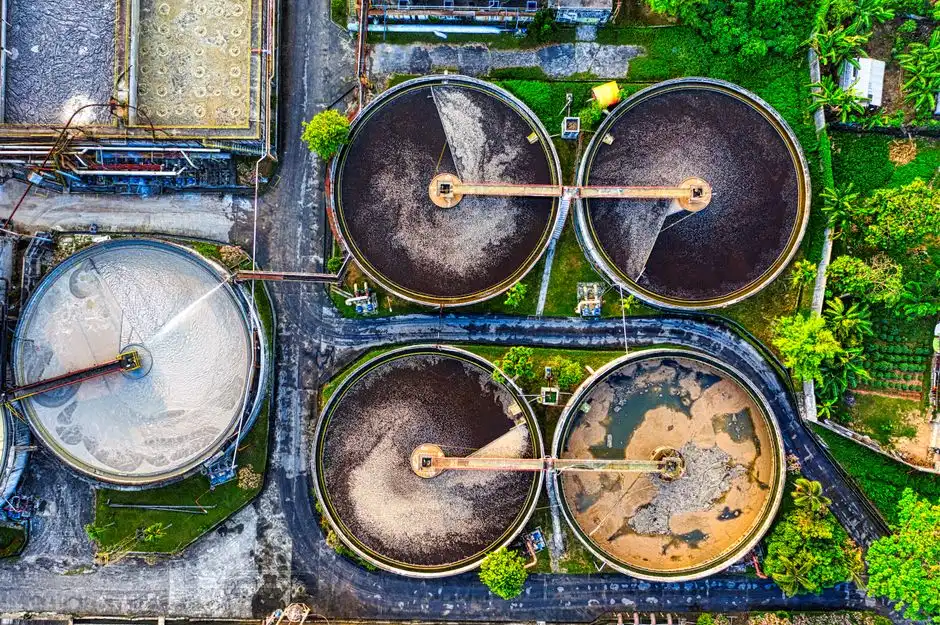
The EPA's Introduction to the National Pretreatment Program (PDF, 2023) frames six categories of parameters the program is designed to control at industrial users; plastics and rubber plant DMRs most often show excursions in those same six families. The first family is total suspended solids (TSS), with typical categorical and local limit examples of 30–60 mg/L monthly average and 100–150 mg/L daily maximum. The second is oil and grease, with typical limits of 10–50 mg/L monthly average and 100 mg/L daily maximum; polymer-coagulant emulsions, mold-release agents, and latex finishing residues are unusually hard to treat because droplet sizes commonly sit below 100 μm and surfactants keep them dispersed. The third is BOD and COD, with typical limits of 25–50 mg/L monthly average and 100–200 mg/L daily maximum. The fourth is pH, typically an instantaneous range of 5.0–10.0, with stricter local permits narrowing to 6.0–9.0. The fifth is priority pollutants specific to polymer chemistry — the volatile organics in 40 CFR Part 122 Appendix D relevant to polymerization include styrene, acrylonitrile, vinyl chloride, benzene, and ethylbenzene; the semi-volatile anthracene and phenanthrene; and metal catalysts such as zinc, chromium, and lead from stabilizers. The sixth is PFAS: there is no federal categorical PFAS limit under 40 CFR Part 414 or 463 as of 2026, but state-level PFAS and 1,4-dioxane action levels are tightening; leading-state action levels for PFOA and PFOS are reported in the 4–10 ng/L range, and plants in Michigan, North Carolina, and several New England states are already seeing PFAS monitoring written into permit renewals. For the underlying numeric basis used by engineers to size each unit process, the table below reproduces the limits and the corresponding train stage.
| Parameter family | Typical limit range (mg/L unless noted) | Primary unit process | Reported removal / target |
|---|---|---|---|
| TSS | 30–60 (monthly avg.); 100–150 (daily max) | DAF + biological + multi-media or UF polish | DAF 50–80% TSS; MBR 95–99% TSS; polish to <5 mg/L |
| Oil & grease | 10–50 (monthly avg.); 100 (daily max) | DAF | 60–90% on a single pass; combined train >95% |
| BOD / COD | 25–50 (monthly avg.); 100–200 (daily max) | Equalization + activated sludge or MBR | Activated sludge 85–95% BOD; MBR 95–98% BOD |
| pH | 5.0–10.0 instantaneous; 6.0–9.0 in stricter local permits | In-line NaOH / H2SO4 dosing | Maintains 6.5–8.5 to biological stage |
| Metals (Zn, Cr, Pb from stabilizers) | Per permit; categorical limits in 40 CFR 414 / 463 | Hydroxide precipitation + DAF or ion exchange | To permit ceiling |
| Priority organics (styrene, acrylonitrile, vinyl chloride, benzene) | Per permit priority-pollutant scan | Stripping (air or steam) + GAC adsorption | To permit ceiling |
| PFAS (state-level screening, 2026) | Action levels vary; 4–10 ng/L for PFOA/PFOS in leading states | GAC + ion exchange or reverse osmosis | 1.5× safety factor; verify current state limits |
Limits above are reproduced from the HydropureWater 2026 reference article and are illustrative; the binding permit's numerical limits always control.
The 2026 Unit-Operation Train in Plain P&ID Language
Equalization comes first, to dampen batch spikes from rubber molding and polymer kettle cleaning — a basin that is undersized or bypassed is a common root cause of NOV findings. Next is pH adjustment with NaOH or H2SO4 dosing in line, to maintain 6.5–8.5 into the biological stage; consistent pH here is what keeps nitrification and the downstream MBR biomass healthy. The third stage is dissolved air flotation (DAF) for oil and grease and emulsified solids, using a properly sized DAF system; reported performance is 60–90% oil and grease removal on a single pass and 50–80% TSS on polymer-bearing streams. From there the flow moves to biological treatment, either activated sludge at 85–95% BOD removal or an MBR membrane bioreactor at 95–98% BOD removal; membrane-based trains are typically 20–40% higher in CAPEX than conventional activated sludge plus multi-media but 15–25% lower in annual OPEX because of lower sludge yield, tighter effluent, and reduced chemical consumption. Metals such as zinc, chromium, and lead from stabilizers are then handled by hydroxide precipitation plus a polishing DAF or ion exchange. Volatile priority organics — styrene, acrylonitrile, vinyl chloride, benzene — are addressed by stripping (air or steam) plus GAC adsorption, with the stripper off-gas treated on carbon. State-monitored PFAS is handled by GAC plus ion exchange or reverse osmosis, sized against the 4–10 ng/L action level range reported for PFOA/PFOS in leading states. A multi-media or UF polish closes the train to bring residual TSS below 5 mg/L, consistent with the 95–99% TSS removal and <5 mg/L outlet reported for the polish step. Standard practice is to size each stage with a 1.2–1.5× safety factor on design loadings; the difference between a clean DMR month and a Notice of Violation often comes down to whether the plant was designed with that cushion. For facilities trying to increase capacity without new tanks, the 2026 DAF retrofit and upgrade guide walks through the hydraulic and air-to-solid ratio changes that recover headroom on an existing float tank. Plants also evaluating fluoropolymer or PFAS-bearing streams should review the 2026 PFAS filtration systems comparison for vendor selection context.
How the Sampling Point Decides Whether You Can Prove Compliance
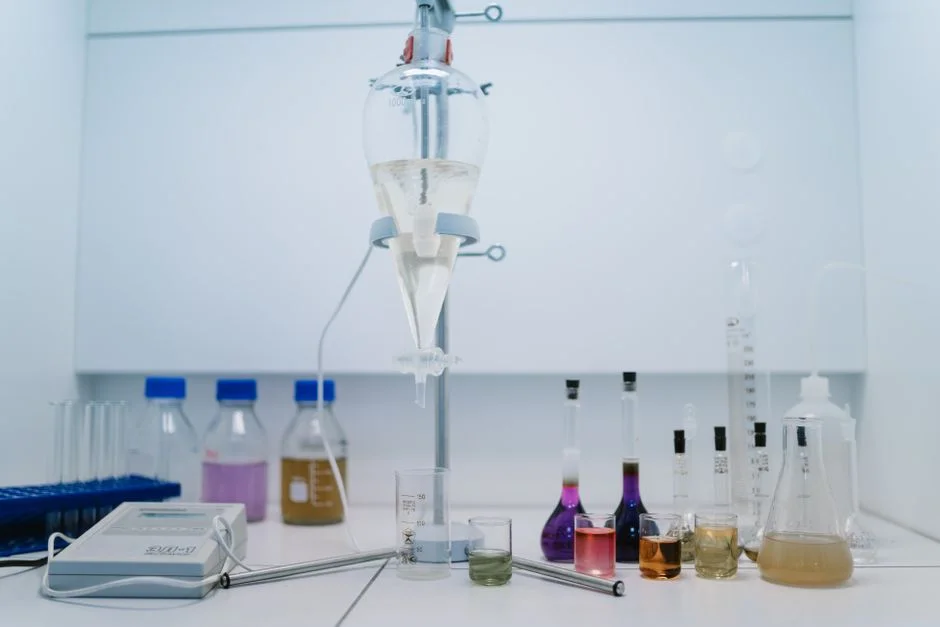
Under 40 CFR Part 403, the sampling point (also called the sampling location or discharge point) is the representative point in the wastestream where the Control Authority collects samples to determine compliance with the permit. For most categorical industrial users, the sampling point is downstream of all in-plant treatment but upstream of any recycle or zero-discharge return, so the sample represents the actual discharge to the POTW. Categorical industrial users are typically required to submit 24-hour flow-proportional composite samples on a frequency set by the permit — commonly twice per year to quarterly for routine parameters, monthly for permit-renewal monitoring, and annual for priority pollutant scans (Source: 40 CFR Part 403, retrieved 2026). Online TSS, pH, and conductivity probes tied to the plant SCADA give continuous trend visibility and reduce the chance that a single bad shift shows up unannounced in a quarterly composite; an automatic chemical dosing system tied into the same SCADA loop lets a shift lead see a coagulant pump failure before it shows up in the next morning's DMR. Priority pollutant scans should be performed by a third-party lab holding state and NELAP accreditation, with chain of custody documented on every sample. A clean DMR is only defensible if the sample, the location, the method, and the lab accreditation all line up with what the permit actually says.
A Permit-Renewal Checklist for the Next Sampling Visit
- Pull the current individual permit and confirm the local Control Authority, designated sampling point, sample type, sampling frequency, and reporting deadlines — the binding permit overrides any general guidance.
- Re-validate the categorical subcategory mapping under 40 CFR Part 414 or 463 and reconcile it with the local limits written into the permit.
- Verify the DMR cover sheet against the six parameter families above and confirm that reported values use the correct units, sample types, and averaging basis (monthly average versus daily maximum).
- Check online instrumentation calibration records for TSS, pH, and conductivity probes tied to the SCADA system.
- Confirm chain-of-custody records and NELAP accreditation for the third-party lab used for priority pollutant scans.
- For 2026 specifically, confirm whether state-level PFAS or 1,4-dioxane monitoring has been written into the renewal, and which action level or method is referenced.
Run this list two weeks before the renewal window opens, not the day the sampling officer arrives. Items 1, 3, and 5 are the three that most often surface as findings in a typical compliance audit.
If an NOV Arrives: The First 30 Days
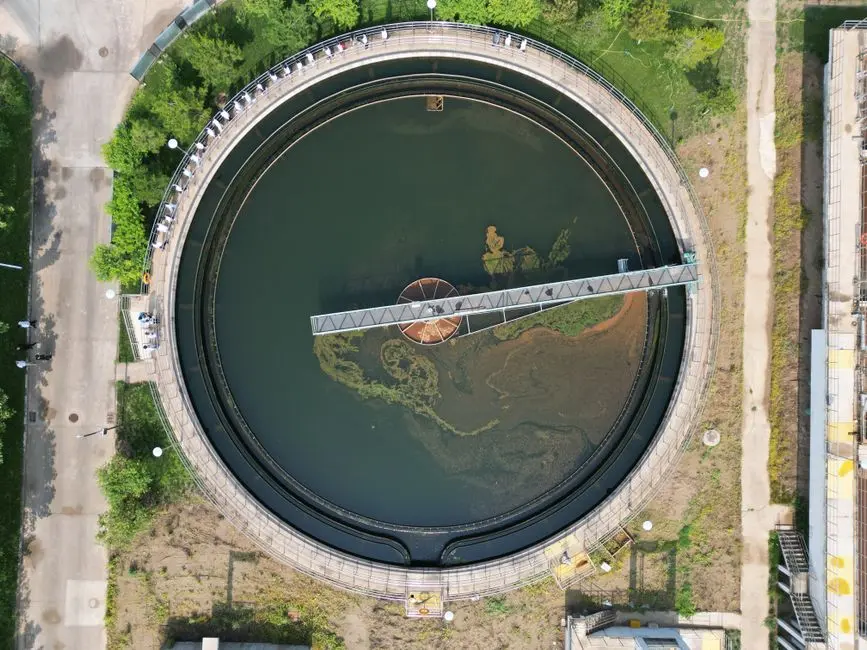
Read the NOV for the cited parameter, the sample date, the sample location, and whether the excursion is a daily maximum or monthly average violation; those four pieces of information drive everything else. Pull the corresponding DMR and the chain-of-custody record — if sampling protocol at the designated sampling point was not followed, the excursion may be challengeable on procedural grounds. Within the response window, submit the required written response to the Control Authority, identify the suspected root cause (batch spill, hydraulic surge, equipment failure, or laboratory error), and outline corrective action with a date certain. For chronic excursions, evaluate whether the equalization basin or DAF unit is undersized; a 1.2–1.5× safety-factor review against current design loadings is the standard first pass. Document every step in a single incident file so the next sampling officer sees a closed loop rather than a repeat finding. Repeated pass through or interference findings can also trigger EPA or state-level enforcement independent of the POTW, so escalation risk is real and should be planned for. Plants near Back Bay of Biloxi should assume the receiving-water context is part of any state-level escalation review.
Frequently Asked Questions
Which CFR part applies to a plastics converter on the Mississippi Gulf Coast?
Plastics and resin converters fall under 40 CFR Part 414, with subcategories such as contact cooling and process water (414.11) and emulsion process wastewater (414.21) covering the most common waste streams. Always confirm against the binding local permit, because the permit's subcategory mapping and numerical limits are what the Control Authority will enforce on a sampling visit.
Which CFR part applies to a rubber molder or tire products plant?
Rubber manufacturers fall under 40 CFR Part 463, which has separate subparts for tire production, latex-based processes, and general rubber products (mechanical goods, molded goods, extruded goods). Confirm the exact subpart in the current individual permit before the next sampling visit.
How much CAPEX should a plastics or rubber plant budget for a compliant pretreatment train in 2026?
The HydropureWater 2026 reference article frames pretreatment capital cost as US dollars per cubic meter of treated flow, with the membrane-based train (MBR + UF) typically 20–40% higher in CAPEX than conventional activated sludge plus multi-media but 15–25% lower in annual OPEX because of lower sludge yield, tighter effluent, and reduced chemical consumption; on a 50 m³/h plant, a reuse offset can shorten payback to roughly 2–4 years. Because site influent, local reuse rates, and permit ceilings vary, request a written design basis from any supplier showing influent characterization, target removal per stage, and assumed reuse credit before pricing is fixed.
Does the local POTW limit override the federal categorical standard?
No. The most stringent applicable limit always controls, and a categorical standard sets a floor, not a ceiling. If the local permit limit is lower than the federal categorical number, the local number is what you have to hit. Confirm both numbers in writing before design changes are committed.
Is there a federal PFAS limit for plastics and rubber in 2026?
There is no federal categorical PFAS limit under 40 CFR Part 414 or 463 as of 2026, but state-level action levels for PFOA and PFOS in leading states are reported in the 4–10 ng/L range, and PFAS monitoring is being written into permit renewals in Michigan, North Carolina, and several New England states. Request the current state-specific PFAS monitoring language from the Control Authority before assuming a federal-only compliance path.
Related Equipment
- multi-media filter — specifications, capacity range, and technical data