What the 2024–2025 Pittsburgh PFAS Studies Actually Found
The "Three Rivers, Fifteen PFAS" study by Women for a Healthy Environment (WHE) sampled three of 24 Allegheny County wastewater treatment plants: ALCOSAN on the Ohio River, McKeesport on the Monongahela, and Allegheny Valley Joint Sewage Authority (AVJSA) on the Allegheny (per WTAE, 2025-11). Study author Morgan Suntken, then a University of Michigan graduate student and WHE environmental health fellow, collected both upstream control samples and outfall "mixing zone" samples at each location. On the Allegheny River, Suntken detected 1 PFAS compound upstream and 12 different PFAS in the AVJSA mixing zone; total PFAS in parts per trillion rose at all three outfalls relative to upstream controls (per NextPittsburgh). The benchmark number for any ALCOSAN retrofit is the 6.9 ppt PFOS measured at the AVJSA outfall, already above EPA's proposed 4 ppt drinking water standard (per WTAE, 2025-11). Suntken sampled beneath the surface using Cyclopure cups developed with Carnegie Mellon scientists specifically to avoid aerosolized PFAS bias that would skew surface grabs (per WTAE, 2025-11). The methodological rigor matters because every downstream cost claim depends on these measurements being defensible to a regulator.
Why Conventional Treatment Cannot Remove PFAS at ALCOSAN
PFAS are defined by carbon–fluorine bonds, among the strongest in organic chemistry, and conventional activated sludge, trickling filters, and chlorination disinfection do not break them (per EPA PFAS Strategic Roadmap context, 2025-11). ALCOSAN's service area aggregates PFAS from stain-resistant textiles, food packaging, aqueous film-forming foams (AFFF), and household products that enter the sewer collection system from residential and industrial sources (per NextPittsburgh). Michelle Naccarati-Chapkis, WHE executive director, stated: "the wastewater treatment plants don't have the capacity to filter out PFAS" (per WTAE, 2025-11). Suntken noted that the plants "weren't designed to remove PFAS because they were made before it existed" (per WTAE, 2025-11). That distinction — not "broken" but "pre-PFAS" — is the engineering case for retrofit rather than rebuild, and it defines the capital envelope a utility must budget for tertiary add-on rather than replacement of an existing secondary train.
The 2026 Regulatory Target ALCOSAN Must Hit
EPA's proposed National Primary Drinking Water Regulation, announced March 2023, sets a maximum contaminant level of 4 ppt for PFOS; the rule remains pending as of 2026 but signals the trajectory for planning engineers (per EPA PFAS Strategic Roadmap, 2025-11). Pennsylvania DEP published a January 2023 rule that sets 18 ppt for PFOS in drinking water — a state-level floor more permissive than the EPA proposed number (per WTAE, 2025-11). There is no federal or Pennsylvania numerical effluent limit for PFAS in wastewater yet, but PA DEP is developing a surface water monitoring program that would require wastewater treatment plants to monitor PFAS discharges (per WTAE, 2025-11). EPA's PFAS Strategic Roadmap is in its fourth year in 2026 and acknowledges that separate aquatic-life standards will eventually flow into NPDES permits through water-quality-based effluent limits (per EPA, as reported 2025-11). For an ALCOSAN-scale planning memo in 2026, the defensible design target is sub-4 ppt PFOS in the receiving water, even though the enforceable wastewater number is still pending.
PFAS Removal Technologies a Plant Like ALCOSAN Can Specify
Four technology families are realistic for a large-plant tertiary PFAS upgrade in 2026, and each has a distinct operating fingerprint an engineer must size against ALCOSAN's average and peak flow. Selecting the right technology requires balancing influent characteristics against the specific removal efficiency of each system.
Granular activated carbon (GAC) is the most mature option, typically dosed as fixed-bed contactors after secondary clarification; carbon life depends on competing organic matter and typically runs 6–18 months before breakthrough triggers media changeout. Single-use anion exchange resin offers higher capacity than GAC for short-chain PFAS compounds and a smaller footprint, but the resin is consumed and must be either sent off-site for regeneration or disposed as a hazardous waste. Nanofiltration and reverse osmosis provide physical rejection at the membrane and near-complete PFAS removal, but produce a concentrated brine (typically 15–25% of feed volume) that requires a downstream destruction step. Advanced oxidation and destruction technologies — ozone/peroxide, UV/sulfite, supercritical water oxidation, or plasma — are used to treat the spent media, regenerant brine, or concentrated reject from the separation steps so PFAS are mineralized rather than transferred to a landfill.
| Technology | Typical PFOA/PFOS removal | Footprint relative to flow | Media / chemical consumption | Waste stream | Pre-treatment required |
|---|---|---|---|---|---|
| GAC contactors | >90% to sub-4 ppt PFOS with sufficient EBCT | High (large contactor volume) | 6–18 month carbon life; thermal reactivation or replacement | Spent carbon (hazardous waste classification pending) | Low TSS, low oil/grease |
| Single-use anion exchange resin | >95% for short-chain PFAS | Moderate | Resin exhausted; regenerant NaCl or replaced single-use | Spent resin or brine regenerant | Competing-anion control, low TSS |
| Nanofiltration / reverse osmosis | >99% for long-chain; variable for short-chain | Low–moderate (high flux) | Membrane replacement 5–10 yr; antiscalant, cleaning chemicals | 15–25% concentrate brine requiring destruction | SDI < 5; upstream softening or multi-media filter required |
| Advanced oxidation / destruction | Mineralizes concentrate to < detection | Moderate (reactor volume) | H2O2, O3, or electrical energy | CO2, F−, treated water | Accepts concentrate; no special pre-treatment |
An integrated train at ALCOSAN would typically pair an MBR membrane bioreactor system to drop TSS to levels GAC and IX require, followed by either GAC contactors or an industrial reverse osmosis system for rejection, with destruction handling the spent media or brine. Chemical feed precision through an automatic chemical dosing system is essential because dose rates for antiscalant, regenerant, or oxidant swing with influent PFAS speciation.
Comparing the Four Options: Footprint, Dose, and Operating Profile
Using the 4 ppt EPA proposed PFOS standard as the design target makes the options comparable. GAC is the lowest-risk, most-deployed option but demands the largest footprint and the most frequent media handling, with empty-bed contact times of 10–20 minutes typical for sub-4 ppt effluent and carbon usage rates in the range of 0.1–0.3 lb per 1,000 gallons treated depending on competing organics. Anion exchange resin cuts the contactor volume roughly in half for the same target but shifts cost to resin media and either brine disposal or hazardous-waste shipping. Nanofiltration and reverse osmosis hit the most aggressive removal targets — including short-chain PFAS that GAC and IX miss — but generate a brine stream that is 15–25% of feed flow and must be destroyed; membrane system design pressures of 150–300 psi for NF and 800–1,200 psi for RO drive electricity cost above GAC or IX by a wide margin. The RO system design parameters for industrial plants in 2026 and the 2026 nanofiltration system design guide provide starting points for an engineer sizing either membrane option. None of the four is "plug and play": GAC and IX both need low-TSS feed, which typically means an MBR or a multi-media filter upstream, and the membrane options need high-pressure feed pumps and energy-recovery devices that change the electrical load profile of the entire plant. Engineers comparing footprint and dose against flow should anchor the budget to the 2026 cost benchmarks per MGD for water and wastewater treatment plants, as site-specific effluent temperature, total organic carbon, and competing-anion concentration all swing the dose and media life by 30–50%.
What 'It Comes at a Cost' Actually Means in 2026 Dollars
Replacing vague references to cost with a defensible framework is the primary challenge for budget planning. Capital categories include contactor or vessel skids, transfer and booster pumps, instrumentation and SCADA, building or secondary containment for chemical and media storage, and — for the membrane options — high-pressure feed pumps, energy-recovery turbines, and clean-in-place systems that materially change the plant's electrical baseline. Operating categories include media or membrane replacement on a 5–10 year cycle, regenerant chemicals (typically NaCl for anion exchange), brine or spent-carbon disposal as a hazardous or industrial waste, electricity for the membrane or advanced oxidation systems, and trained operator labor. Capital costs for a plant of ALCOSAN's scale typically run into the tens of millions of dollars for a single-technology tertiary add-on and higher for an integrated train with destruction. The Ohio–DuPont $110 million settlement announced in late 2024 is a useful comparable precedent for how a single responsible-party settlement can fund river-scale restoration work, though it is not a treatment plant CAPEX figure (per WTAE, 2025-11). Suntken's policy framing — that the cost "should not be at the cost of ratepayers" — is the political constraint on any retrofit budget the engineer proposes (per WTAE, 2025-11).
Who Pays: Ratepayers, PFAS Manufacturers, or Both
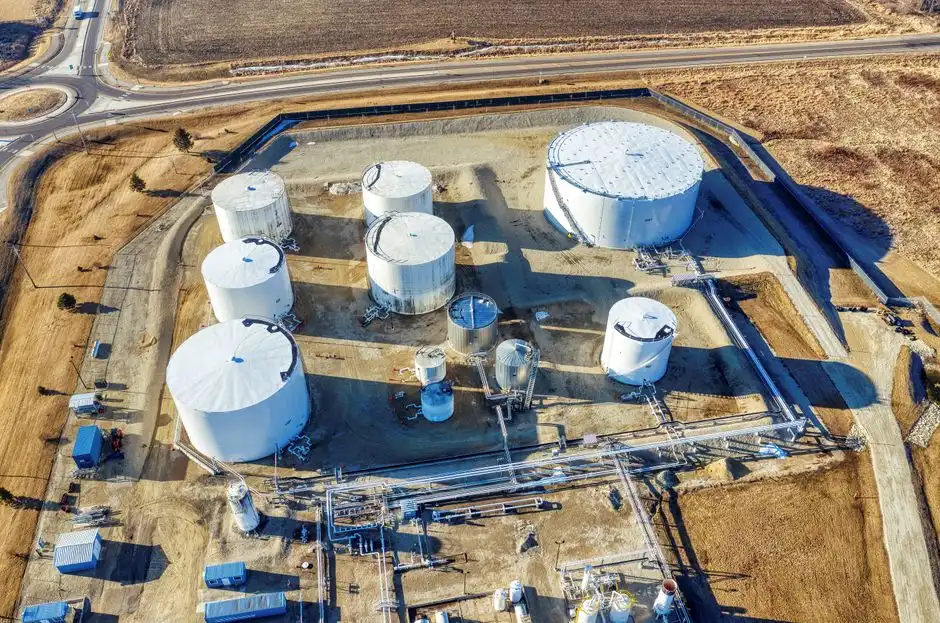
Two consistent positions run through the WHE coverage. Naccarati-Chapkis argues for manufacturer-funded cleanup so "the cost associated does not become a burden of the taxpayer" and so that "those who are manufacturing PFAS need to be the primary responsible parties for cleanup efforts" (per NextPittsburgh). Suntken extends that to the engineering itself: "any installation of PFAS filtration should be at the cost of those who have created it and used it in the environment versus the ratepayers and municipal systems" (per WTAE, 2025-11). The operational lever a 2026 capital plan can pull is the industrial pretreatment program: local limits on PFAS in industrial discharge, a source-control program targeting AFFF users and textile finishers, and a cost-recovery clause that shifts part of the treatment burden back to the discharger. Engineers writing a planning memo should reference both the WHE position and the EPA Strategic Roadmap's fourth-year language on aquatic-life criteria, because the same argument that supports manufacturer liability also supports a stronger pretreatment ordinance as a near-term capital deferral.
Frequently Asked Questions
What would it cost to add PFAS treatment at the ALCOSAN Pittsburgh wastewater treatment plant?
Tertiary PFAS treatment at a plant of ALCOSAN's scale typically runs into tens of millions of dollars in capital, plus annual media replacement, regenerant chemicals, and electricity that materially change operating cost; integrating GAC or RO with a destruction step increases the number but tightens the effluent (per industry cost benchmarks, 2026).
How much PFOS did the Pittsburgh studies actually find near the rivers?
The 2025 WHE "Three Rivers, Fifteen PFAS" study measured 6.9 ppt PFOS at the Allegheny Valley Joint Sewage Authority mixing zone on the Allegheny River, above EPA's 4 ppt proposed drinking water standard (per WTAE, 2025-11).
What is Pennsylvania's PFOS drinking water standard versus EPA's?
Pennsylvania DEP's January 2023 rule sets 18 ppt for PFOS in drinking water; EPA's March 2023 proposed National Primary Drinking Water Regulation sets 4 ppt, and the EPA rule remains pending as of 2026 (per WTAE, 2025-11).