The Hidden Costs of Manual Wastewater Compliance Reporting
In 2023, the president of a Fitchburg, MA wastewater treatment facility pleaded guilty to falsifying water quality samples, resulting in a $19,500 fine, a four-month license suspension, and three years of probation. The violations—including misreported BOD (Biochemical Oxygen Demand) and COD (Chemical Oxygen Demand) levels—stemmed from manual data entry errors and deliberate tampering, exposing the plant to EPA's zero-tolerance policy for reporting inaccuracies. This case illustrates how manual compliance reporting costs plants millions annually in fines, labor, and reputational damage.
For mid-sized wastewater treatment plants (50-500 m³/h), manual reporting requires 30-50 hours per month in labor. Tasks like gauge reading, logbook entry, and DMR (Discharge Monitoring Report) preparation introduce error rates of 5-10% in handwritten logs, according to EPA audits. These errors trigger regulatory penalties, with daily fines ranging from $1,000 in California to $10,000 in Pennsylvania for late or inaccurate submissions. Publicized violations can also result in lost contracts—particularly from industries requiring ISO 14001 compliance, such as food processing or pharmaceuticals.
| Cost Category | Manual Reporting | Automated Reporting | Savings |
|---|---|---|---|
| Labor Hours/Month | 30-50 hours | 5-10 hours | 25-40 hours |
| Error Rate | 5-10% | 0.1-1% | 90-99% reduction |
| Annual Fines (EPA + State) | $10K-$50K | $0-$5K | $9.5K-$50K |
| Reputational Risk | High (lost contracts) | Low (audit-ready) | N/A |
A municipal plant in Ohio lost a $2.5M contract with a local food manufacturer after a reporting error led to a permit exceedance. The manufacturer cited the plant's inconsistent compliance records as the reason for termination. Automated systems log data in real time, generate EPA-compliant DMRs, and trigger alerts for permit violations—eliminating human error and ensuring audit readiness.
How Automated Compliance Reporting Works: SCADA, PLC, and Cloud Systems Explained
Automated compliance reporting systems use three core technologies: SCADA (Supervisory Control and Data Acquisition), PLC (Programmable Logic Controllers), and cloud-based SaaS (Software-as-a-Service). These systems integrate with sensors (pH, TSS, COD, flow) to log data continuously, validate readings, and generate reports while reducing manual intervention by 70-90%.
SCADA Systems
SCADA systems serve as the backbone of large and mid-sized plants, providing real-time monitoring and centralized control. Key features include:
- Continuous Data Logging: Sensors transmit data (e.g., pH, TSS, COD) to SCADA via Modbus or Profibus protocols, with timestamps and operator confirmations.
- Trend Analysis: SCADA software identifies anomalies (e.g., sudden pH spikes) and flags them for review before submission.
- DMR Generation: Automatically populates EPA and state-specific report templates, reducing preparation time from hours to minutes.
- Lab Integration: Connects to lab instruments (e.g., spectrophotometers) to auto-transfer test results, eliminating manual data entry.
PLC-Based Systems
PLCs work well for small plants (<50 m³/h) or discrete tasks (e.g., chemical dosing, pump control). While they lack SCADA's scalability, they offer:
- Localized Control: PLCs manage on-site processes (e.g., pH adjustment, flow regulation) without cloud dependency.
- Alarm Triggers: Configured to alert operators via SMS or email for permit exceedances (e.g., TSS >30 mg/L).
- Limitations: No native audit trails or DMR generation; requires manual export to spreadsheets for reporting.
Cloud-Based SaaS
Cloud platforms (e.g., WaterTrax) provide remote access, automated alerts, and scheduled reporting. Benefits include:
- Real-Time Dashboards: Mobile-friendly interfaces display live data and permit status.
- Automated Lab Data Transfer: Eliminates manual entry by syncing with lab instruments via API.
- Audit Trails: Tracks all data modifications, operator confirmations, and report submissions for EPA compliance.
Hybrid Systems
Legacy plants often combine PLCs for local control with cloud-based SCADA for compliance reporting. A plant might use PLCs to manage chemical dosing while relying on cloud software to generate DMRs and send alerts. This approach balances cost and functionality, with 60% of mid-sized plants adopting hybrid solutions (HydropureWater field data, 2025).
Data Validation Process
Automated systems follow a three-step validation protocol to ensure data integrity:
- Sensor Validation: SCADA flags readings outside expected ranges (e.g., pH <6 or >9) for operator review.
- Operator Confirmation: Staff verify flagged data before submission, reducing false positives.
- Audit Trail Logging: All actions (e.g., data edits, report submissions) are timestamped and stored for regulatory audits.
For more details on SCADA system costs, see our 2025 guide for small plants.
| Technology | Data Logging | Reporting | Alerts | Audit Trails | Lab Integration |
|---|---|---|---|---|---|
| SCADA | Real-time, continuous | Automated DMRs | Email/SMS | Yes | Yes (API/Modbus) |
| PLC | Discrete, localized | Manual export | Basic (SMS) | No | No |
| Cloud SaaS | Real-time, remote | Automated DMRs | Email/SMS/app | Yes | Yes (API) |
| Hybrid (PLC + Cloud) | Real-time + localized | Automated DMRs | Email/SMS/app | Yes | Yes (API) |
SCADA vs. PLC vs. Cloud: Which Automation Method Fits Your Plant?
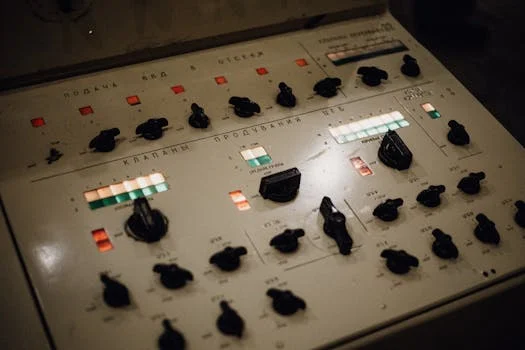
The right automation method depends on plant size, budget, and compliance requirements. This decision framework helps guide the selection:
| Factor | SCADA | PLC | Cloud SaaS | Hybrid |
|---|---|---|---|---|
| Plant Size | 50-500 m³/h | <50 m³/h | >500 m³/h | Legacy upgrades |
| Budget (CAPEX) | $50K-$200K | $10K-$50K | $5K-$20K/year (OPEX) | $30K-$100K |
| EPA DMR Compliance | Full (auto DMRs) | Partial (manual export) | Full (auto DMRs) | Full (auto DMRs) |
| State-Specific Formats | Yes (configurable) | No | Yes (pre-built templates) | Yes (configurable) |
| Legacy Integration | Modbus/Profibus | Analog sensors | API-based | Modbus/Profibus + API |
| Scalability | Modular additions | Hardware upgrades | User licenses | Modular additions |
| Use Case | Mid-sized plants | Small plants | Large/multi-site plants | Legacy plant upgrades |
Decision Tree
- If plant size <50 m³/h and budget <$50K: PLC-based system for localized control and basic alerts.
- If plant size 50-500 m³/h and budget $50K-$200K: SCADA for full compliance reporting and audit trails.
- If plant size >500 m³/h or multi-site: Cloud SaaS for remote access and scalability.
- If upgrading a legacy plant: Hybrid system (PLC + cloud) to balance cost and functionality.
Cost-Benefit Analysis: How Automation Cuts Wastewater Compliance Costs by 40%
Automated compliance reporting reduces total compliance costs by 40% by eliminating manual labor, reducing errors, and avoiding fines. Here's a breakdown of savings for a mid-sized plant (200 m³/h):
| Cost Category | Annual Manual Cost | Annual Automated Cost | Annual Savings |
|---|---|---|---|
| Labor (30 hrs/month @ $30/hr) | $10,800 | $1,800 | $9,000 |
| Fines (EPA + State) | $15,000 | $1,000 | $14,000 |
| Chemical Usage (15% reduction) | $20,000 | $17,000 | $3,000 |
| Reputational Risk (lost contracts) | $50,000 | $0 | $50,000 |
| Total | $95,800 | $19,800 | $76,000 (79% reduction) |
ROI Calculation
To calculate the payback period for automation, use this formula:
Payback Period (Years) = (Upfront Cost) / (Annual Savings - Annual Costs)
A SCADA system costing $100,000 with annual savings of $76,000 and annual maintenance costs of $5,000 would have a payback period of:
($100,000) / ($76,000 - $5,000) = 1.4 years
Cloud-based systems typically achieve payback in 1-2 years, while SCADA systems range from 2-3 years due to higher upfront costs. For a detailed cost breakdown, see our 2025 wastewater treatment cost guide.
Step-by-Step Guide: Implementing Automated Compliance Reporting in Your Plant

This checklist helps deploy automated compliance reporting with minimal disruption:
-
Assess Needs
- Audit current reporting processes (e.g., manual logbooks, spreadsheets).
- Identify pain points (e.g., frequent errors, late submissions).
- Document compliance requirements (EPA DMR, state-specific formats).
-
Choose an Automation Method
- Use the comparison table to select SCADA, PLC, cloud, or hybrid.
- For small plants, consider a PLC-controlled chemical dosing system for basic automation.
-
Hardware Requirements
Component Recommended Brands Notes Sensors (pH, TSS, COD, flow) Hach, Endress+Hauser, YSI Calibrate quarterly per EPA guidelines. Controllers (PLC/SCADA) Siemens, Allen-Bradley, Schneider Ensure compatibility with existing sensors. Network Infrastructure Modbus, Profibus, Wi-Fi Use industrial-grade routers for reliability. -
Software Setup
- Configure SCADA/cloud software for EPA DMR templates (e.g., 30-day retention, audit trails).
- Set up automated alerts for permit exceedances (e.g., pH <6 or >9, TSS >30 mg/L).
- Integrate lab instruments via API for automated data transfer.
-
Data Validation Protocols
- Establish daily operator reviews for flagged data.
- Conduct weekly supervisor audits of automated reports.
- Maintain a validation log (sample below):
Date Parameter Flagged Value Operator Action Supervisor Confirmation 2025-04-05 pH 5.8 Recalibrated sensor Approved -
Training
- Train operators on system navigation, DMR generation, and alert responses.
- Train compliance officers on audit trail access and regulatory submissions.
-
Go Live
- Run a 30-day parallel test (automated vs. manual reporting).
- Compare data accuracy and adjust thresholds as needed.
- Deploy fully and phase out manual processes.
For legacy plant upgrades, see our step-by-step guide.
Regulatory Compliance Checklist: Ensuring Your Automated System Meets EPA and State Requirements
Automated systems must meet EPA and state regulations to avoid audit failures. This checklist validates system compliance:
| Requirement | EPA DMR | California ERS | Pennsylvania eDMR | Automation Solution |
|---|---|---|---|---|
| 30-Day Data Retention | Yes | Yes | Yes | SCADA/cloud with encrypted storage |
| Audit Trails | Yes | Yes | Yes | Timestamped logs for all edits |
| Electronic Submission | Yes (via EPA NetDMR) | Yes (via ERS) | Yes (via eDMR) | Auto-generate and submit reports |
| Permit Exceedance Alerts | Yes | Yes | Yes | Configure thresholds in SCADA/cloud |
| Sensor Calibration Logs | Yes | Yes | Yes | Auto-log calibration dates/results |
State-Specific Links
- EPA NetDMR Portal
- California ERS
- Pennsylvania eDMR
Audit Readiness
- Maintain records for 3 years (EPA requirement).
- Store sensor calibration logs, operator confirmation logs, and DMR submissions.
- Use role-based access controls to prevent unauthorized edits.
For emerging contaminants like PFAS, see our 2025 PFAS testing guide.
Frequently Asked Questions
Is automated compliance reporting compatible with legacy systems?
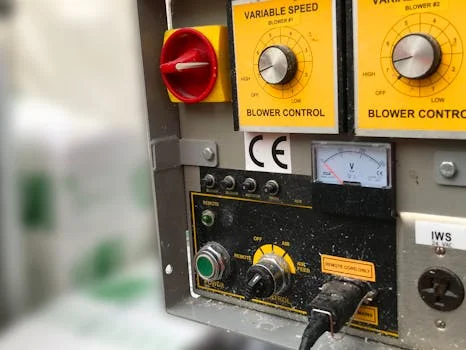
Yes. Hybrid systems combine PLCs for legacy equipment with cloud-based SCADA for compliance reporting. A plant with analog sensors can use a PLC for local control while integrating a cloud platform for DMR generation and alerts. The system must support Modbus, Profibus, or API integrations for seamless connectivity.
How does automation handle lab data for compliance reporting?
Cloud-based SaaS and SCADA systems integrate with lab instruments via API to auto-transfer test results (e.g., BOD, COD, TSS) into compliance reports. This eliminates manual data entry and reduces errors by 95%. A plant using automated MBR systems can sync lab data with SCADA to generate real-time effluent quality reports.
What are the cybersecurity risks of cloud-based compliance systems?
Cloud systems use encryption, role-based access controls, and network firewalls to protect data. To mitigate risks:
- Use strong passwords and multi-factor authentication.
- Restrict access to authorized personnel only.
- Regularly update software to patch vulnerabilities.
- Backup data offline for disaster recovery.
Can automation help with state-specific reporting formats?
Yes. Cloud-based SaaS platforms (e.g., WaterTrax) include pre-built templates for state-specific formats, such as California's ERS or Pennsylvania's eDMR. SCADA systems can also generate these reports but may require additional setup time.
What is the typical payback period for automation investments?
Payback periods vary by system:
- Cloud SaaS: 1-2 years (lower upfront cost, subscription-based).
- SCADA: 2-3 years (higher upfront cost, long-term savings).
- PLC: 1-2 years (limited to small plants).
Use the ROI formula to calculate payback for your plant.
Related Equipment
The following HydropureWater products address the wastewater challenges discussed:
- On-site ClO₂ generation for microbial control and compliance reporting — view specifications, capacity range, and technical data
Need a customized solution? Request a free quote with your specific flow rate and pollutant parameters.