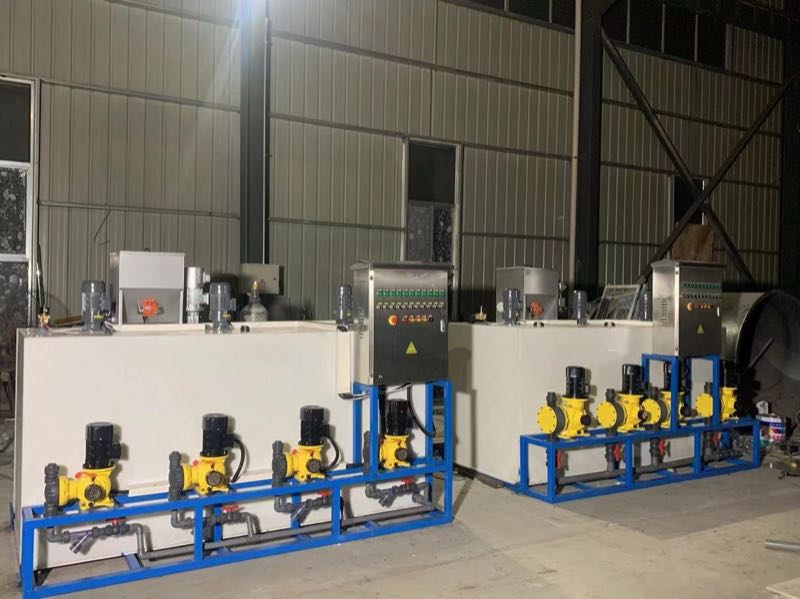
small wastewater treatment plant scada cost
A small wastewater treatment plant scada cost for a 50–500 GPM train (about 270–2,700 m³/d) usually falls between $15,000 and $80,000 before annual support. Entry local-alarm packages start near $12,000–$25,000, while mid-tier remote packages commonly run $35,000–$60,000. That band covers PLC or RTU hardware, HMI or cloud software, field sensors, commissioning, and basic compliance logging.
A 150-GPM food processing plant in Ohio was fined $28,000 after COD exceeded discharge limits for a third time. Manual grab samples caught the excursion only after the fact—no alarms, no live trend. For many 50–500 GPM sites, payback on continuous monitoring falls in 12–18 months when avoided fines and overtime are counted. Plants that replace after-the-fact sampling with alarms often report far fewer repeat effluent violations; one comparison cited a 62% drop versus non-automated peers.
According to US EPA NPDES monitoring guidance, continuous monitors are typically in-line devices tied to data recorders and are frequently specified for flow, pH, temperature, or total residual chlorine. Where continuous pH is required, 40 CFR 401.17 allows limited excursions: total excursion time must not exceed 7 hours and 26 minutes in a calendar month, and no single excursion may exceed one hour. That rule only works if the plant actually logs continuous data. That allowance is for direct NPDES dischargers; pretreatment users do not get the same window (US EPA, December 2024).
Earlier guidance used a 12% water-sector workforce gap by 2026. AWWA’s 2025 Benchmarking Survey now shows 21% of utility employees eligible to retire within five years and an average vacancy rate of 9% (AWWA, reported 2026). Most plants we size for under 500 GPM already run lean crews, so remote alarms matter as much as the PLC itself.
Key adoption drivers for small plants include:
- Permit pressure: Many NPDES permits push continuous or high-frequency logging for pH, TSS, and ammonia. SCADA replaces error-prone paper logs with timestamped records.
- Staffing limits: One trained operator can cover multiple sites when alarms and trends are remote.
- Energy control: Automated aeration targeting dissolved oxygen often cuts blower power 15–25%. On a 200-GPM plant, that commonly equals $8,000–$12,000 per year.
Cost concerns are valid, but tiered builds fit small budgets. The table below compares core features by capital band:
| Feature | Entry-Level ($12K–$25K) | Mid-Tier ($35K–$60K) | Advanced ($70K+) |
|---|---|---|---|
| Tag Capacity | 50–100 | 200–500 | 1,000+ |
| Remote Access | Limited (local only) | Cloud-based | Multi-site dashboard |
| Compliance Reporting | Manual export | Automated PDF/CSV | EPA-ready templates |
| Predictive Maintenance | None | Basic alerts | AI-driven analytics |
For a broader plant-wide pricing map beyond the small-plant band, see the sibling page on waste water scada system cost\. Small sites usually stay in the lower tiers unless multi-site dashboards or AI analytics are required.
npdes compliance scada cost small plant
NPDES compliance cost on a small plant is driven by continuous pH logs that must prove the 7 hours and 26 minutes monthly cap in 40 CFR 401.17. eCFR shows no edits to 40 CFR 401.17 after 1/03/2017, and the text on display was current as of 22 September 2026. No individual excursion may exceed 60 minutes under that same section. EPA’s permit-writers course notes that 7 hours and 26 minutes equals 1 percent of a 31-day month.
The same EPA course says standard permits keep monitoring records at least three years, or five years for sewage sludge. According to US EPA (December 2024), 40 CFR 401.17 applies only to direct NPDES dischargers, not to indirect users under the pretreatment program. For a direct plant, the fact sheet describes the maintained pH range as 6.0 to 9.0 where the effluent guideline sets that range. The 60-minute cap still applies inside that stated range.
Any pH below 5.0 is a pretreatment violation unless the POTW is acid tolerant. Most plants we size for pretreatment therefore budget an alarm, not an excursion historian. EPA recommends a continuous pH alarm so staff can notify the control authority within 24 hours of a violation. Significant industrial users still report pH at least twice per year under 40 CFR 403.12.
Entry packages at $12,000–$25,000 often stop at manual CSV export. Mid-tier builds at $35,000–$60,000 add automated PDF or CSV packets. Most plants we size under 500 GPM should not buy the $70K+ tier only to store a pH trace. A three-year historian on the mid-tier box is enough for a standard permit file.
Which plants can use the pH excursion window?
Only a direct discharger with continuous pH in its NPDES permit can use the 7 hours and 26 minutes window. A food plant sending effluent to a city POTW is on the pretreatment side of that line. Most plants we size under 500 GPM in that situation treat any spike below pH 5.0 as a violation. Budget the alarm and the 24-hour notice path before you buy analytics.
SCADA Cost Breakdown for Small Wastewater Plants (50–500 GPM)
For small wastewater treatment plants processing 50–500 GPM, total project spend typically ranges from $15,000 to $80,000. Depth of automation, sensor count, and reporting rules drive the spread. The four cost blocks below—hardware, software, installation, and annual licensing—keep the estimate auditable.
1. Hardware Costs: $8,000–$40,000
Hardware usually makes up 40–50% of capital on small plants, scaling with sensor density and redundancy. Core pieces include:
- PLCs/RTUs: $1,500–$5,000 per unit (e.g., Siemens S7-1200 or Allen-Bradley Micro800). Most small plants need 2–4 units for flow, pH, and dissolved oxygen.
- HMI Panels: $1,200–$4,500 for 7–15" touchscreens with IP65 ratings.
- Sensors: $3,000–$15,000 for a full suite. Integrating a Chlorine Dioxide (ClO₂) Generator for Water Disinfection often needs residual chlorine analyzers at $2,000–$4,000 each.
- Networking: $2,000–$8,000 for industrial switches, cellular modems (4G/5G), and fiber where runs are long.
A 150-GPM plant in Ohio cut hardware spend 22% by using one PLC with modular I/O instead of redundant controllers. That path works when influent quality is stable and downtime risk is low.
2. Software Costs: $3,000–$25,000
Software pricing for small plants usually follows tag count and remote features:
| Software Tier | Cost Range | Key Features | Best For |
|---|---|---|---|
| Basic (On-Premise) | $3,000–$8,000 | 100–500 tags, local alarms, basic trending | Plants with <500 GPM, minimal remote access needs |
| Mid-Range (Cloud-Enabled) | $10,000–$18,000 | 1,000+ tags, mobile alerts, API integrations | Plants requiring Automatic Chemical Dosing System synchronization |
| Enterprise (IIoT-Ready) | $20,000–$25,000 | Unlimited tags, AI-driven analytics, compliance reporting | Plants with variable influent or multi-site operations |
Cloud edge platforms can cut upfront software cost 30–40%, then bill $1,200–$3,600 per year for subscriptions.
3. Installation & Commissioning: $4,000–$15,000
Installation is the line item owners most often under-budget. Typical small-plant spend includes:
- Electrical Work: $2,000–$6,000 for conduit, wiring, and NEC-compliant panel changes.
- Programming: $1,500–$5,000 for ladder logic, HMI screens, and alarm setpoints.
- Commissioning: $500–$4,000 for sensor calibration, network tests, and operator training.
Retrofitting legacy panels adds cost. Plants moving from pure manual control have spent about 18% more on installation when wiring and old PLCs do not match the new I/O plan.
4. Licensing & Maintenance: $1,000–$5,000/Year
Annual cash needs usually include:
- Software Licenses: $500–$2,000/year for updates and support.
- Hardware Warranties: $300–$1,500/year on PLCs and critical sensors.
- Cybersecurity: $200–$1,500/year for firewalls and VPN access used for remote monitoring.
Sites running an MBR Membrane Bioreactor Wastewater Treatment System may add membrane integrity software at $1,200–$2,500/year.
small plant scada pricing 2026
Small plant SCADA pricing in 2026 still uses the same 50–500 GPM bands: $12,000–$25,000 entry, $35,000–$60,000 mid-tier, and $70K+ advanced. The full installed span for that flow band remains $15,000–$80,000 before annual support is added. A buyer who writes small wastewater treatment plant scada cost on a 2026 bid sheet should still separate hardware, software, installation, and annual licensing.
What should a 200 GPM plant budget?
A 200 GPM plant should budget the mid-tier remote band of $35,000–$60,000 when night alarms matter, not the $5,000–$20,000 PLC-only floor. Most plants we size near 200 GPM already need flow, pH, and dissolved oxygen, which pushes hardware toward $8,000–$40,000. Energy cuts of 15–25% on blower power, often $8,000–$12,000 per year at 200 GPM, do not change the capital check. Price year-1 licenses at $1,000–$5,000 before calling the bid complete.
3 SCADA System Tiers for Small Plants: Which One Fits Your Budget?
Small wastewater plants (50–500 GPM) should pick a tier by staffing model and permit risk, not by brochure feature lists. The three builds below map to common budgets while keeping NPDES logging workable.
1. Basic: PLC-Only Control (Entry-Level)
PLC-only control suits plants with stable influent and staff always on site. Capital usually sits at $5,000–$20,000 before sensors and install.
- Pros: Low capital, simple tie-in to existing motors and valves, enough local logging for basic NPDES reporting.
- Cons: No remote view, thin historian capacity, alarms still need someone in the building.
- Best for: Sites with steady loads and an operator present each shift.
2. Mid-Range: Local HMI + Cloud Integration
Local HMI plus cloud alerts commonly costs $20,000–$50,000. Operators get mobile alarms and exportable trends without a full enterprise SCADA stack.
- Pros: Remote access, automated PDF/CSV reports, room to add tags later. Labor hours often fall 30–40% when night call-outs drop.
- Cons: Higher capital than PLC-only; needs a reliable cellular or wired path.
- Best for: Plants that need remote oversight and cleaner compliance packets without AI analytics.
3. Advanced: Full SCADA with Analytics
Full SCADA with analytics starts near $50,000 and can pass $150,000 when custom dashboards and multi-site views are added.
- Pros: Live aeration optimization, energy cuts of 15–25% under DO control, stronger compliance templates.
- Cons: Highest capital; training and license fees often run 10–15% of hardware cost each year.
- Best for: Variable influent plants or owners chasing multi-year energy targets.
| Tier | Cost Range | Key Features | ROI Drivers |
|---|---|---|---|
| Basic (PLC-Only) | $5K–$20K | Local control, manual data logging | Lowest capital expenditure |
| Mid-Range (HMI + Cloud) | $20K–$50K | Remote access, automated reporting | Labor savings, compliance efficiency |
| Advanced (Full SCADA) | $50K–$150K+ | AI analytics, IoT integration | Energy savings, process optimization |
A 200 GPM plant in Ohio cut energy use 22% after moving from mid-range to advanced DO control and reached payback in about 3.5 years. If the scope is larger than one small plant, price the wider controls page before locking a vendor.
How Much Does a Small Wastewater Plant Cost?
A small wastewater plant’s total built cost is far larger than the SCADA line item: process equipment, civil works, and utilities usually dwarf controls. For many 50–500 GPM industrial pretreatment or package plants, owners still see controls as 5–15% of electrical and instrumentation budgets once blowers, tanks, and clarifiers are funded. Treat SCADA as the layer that protects the larger capital stack, not as the whole project price.
When buyers ask about small sewage treatment plant cost, separate three envelopes: process mechanical, electrical power, and instrumentation/controls. Most plants we size for food or light industry keep SCADA inside the $15,000–$80,000 band above while the process train runs much higher. Budget the controls early so conduit, I/O, and panel space are not change-ordered later.
Cost-Saving Strategies for Small Plant SCADA Systems
Small plants cut capital without losing permit-ready logging when they stage scope, open protocols, and reuse panels. The tactics below are the ones that consistently show up in bids we review. Keeping SCADA system cost for small plants predictable means locking tag counts and cyber scope before award.
1. Modular Expansion: Start Small, Scale Smart
Start with flow, pH/ORP, and critical alarms, then add remote or predictive modules later. Staged builds often reduce first-year capital 30–40% versus a full advanced rollout. A 200 GPM Ohio plant installed a Tier 1 system for $18,000, then spent $12,000 to reach Tier 2—about $25,000 less than one Tier 3 purchase.
2. Open-Source or Edge Software
Open platforms such as OpenSCADA or Ignition Edge can remove 20–30% of software license cost when in-house or contractor support exists. A 150 GPM Texas plant drove software license cost to $0 with OpenSCADA, then spent two extra weeks proving PLC drivers. Without internal IT skills, vendor-supported edge licenses are usually safer.
3. Third-Party Integrations
Open Modbus or similar links to third-party sensors can cut instrument spend 15–25% versus locked catalogs. Compare a 300 GPM example:
| Component | Proprietary Cost | Third-Party Cost | Savings |
|---|---|---|---|
| Dissolved Oxygen Sensor | $2,800 | $950 | 66% |
| Flow Meter (Magnetic) | $4,200 | $1,800 | 57% |
| PLC (Allen-Bradley vs. Unitronics) | $6,500 | $2,200 | 66% |
Specify NEMA 4X or IP67 wet-area ratings so cheap sensors do not fail in the first winter.
4. Cloud-Based Remote Monitoring
Cloud historians remove on-premise servers and can cut infrastructure capital about 40%. A 250 GPM California plant reported about $15,000 per year lower IT cost after moving to pay-as-you-go tagging near $0.10 per tag/month. Pair that model with the staffing patterns in our cloud platform guide for SME plants.
5. Retrofit Existing Infrastructure
Adding a $3,500 RTU in front of a 1990s PLC often extends life 10+ years versus a $50,000 rip-and-replace. Prioritize aeration blowers and clarifier drives first. For migration sequencing, use the legacy plant smart-monitoring upgrade guide.
remote monitoring scada cost small wastewater
Remote monitoring on a small wastewater plant usually sits in the mid-tier band of $35,000–$60,000 when cloud alarms replace a staffed night shift. Cloud edge software can cut upfront licenses 30–40%, then bill $1,200–$3,600 per year. Cyber tools for the VPN path add $200–$1,500 per year on top of that subscription. A 250 GPM California plant in this guide reported about $15,000 per year lower IT cost after moving to pay-as-you-go tags near $0.10 per tag per month.
According to AWWA CEO David LaFrance, in a July 2026 interview, the 2025 benchmarking figures still show 21% of utility employees eligible to retire within five years and a 9% average vacancy rate. The March 2026 State of the Water Industry report ranked workforce ninth among sector challenges, down from fourth in 2022. In that survey, 58% of respondents were very or extremely concerned about breaches or deepfakes that can interrupt treatment. Most plants we size under 500 GPM feel that vacancy rate as one operator covering nights by phone.
When does a cellular alarm package pay back?
A cellular alarm package pays back when avoided fines and overtime land inside 12–18 months, which is the window cited for many 50–500 GPM sites. The Ohio 150 GPM fine of $28,000 shows what one missed COD excursion can cost. Labor hours on mid-tier remote builds often fall 30–40% when night call-outs drop. Skip the package only if an operator is in the building every shift and the permit is grab-sample only.
Hidden Costs of SCADA Systems (And How to Avoid Them)

Initial hardware and software often cover only 40–60% of lifecycle cost on 50–500 GPM plants. The rest sits in training, cyber hardening, downtime, and license creep. Use the table as a planning checklist.
| Hidden Cost Category | Average Annual Cost (USD) | Mitigation Strategy |
|---|---|---|
| Operator Training | $3,500–$8,000 | Leverage vendor-provided virtual training modules (reduces costs by 30–40%) or partner with local community colleges for subsidized certification programs. |
| Cybersecurity Compliance | $5,000–$12,000 | Adopt IEC 62443-3-3 compliant systems with built-in encryption and role-based access controls to avoid costly retrofits. |
| Unplanned Downtime | $15,000–$40,000 | Implement predictive maintenance using IoT sensors (reduces downtime by 25–35% per Wastewater Treatment Maintenance Cost Planning: A Strategic Guide). |
| Software Licensing Tiers | $2,000–$6,000 | Opt for tag-based pricing (e.g., 500 tags at $0.50/tag/year) instead of per-device models to align costs with actual usage. |
Cyber spend is rising fastest. Prior versions of this guide cited ransomware growth of 237% since 2021 and noted that 68% of reviewed 2024 breaches hit facilities under 500 GPM. A layered defense—firewall, endpoint detection, quarterly tests—often costs $8,000–$15,000 per year and is still cheaper than an average incident loss near $225,000.
Training gaps also erase ROI. Plants that rate operator SCADA proficiency as high have reported 18% faster compliance packets and 12% lower energy use after setpoint discipline improves. Cross-training two operators on alarms and basic PLC faults can cut contractor call-outs by $12,000–$20,000 per year on a small crew.
Use a simple ownership check: TCO = Initial Cost + (Annual Hidden Costs × System Lifespan). Over 10 years, a $50,000 system with $15,000 annual hidden cost reaches $200,000. Keep TCO near 1.5–2× capital by bundling training and cyber in the first quote. Align spare parts and calibration with the plant’s wider maintenance cost plan.
SCADA vs. PLC vs. IoT: Which Automation System Is Right?
Automation choice for a 50–500 GPM plant turns on budget, tag growth, and how hard the permit is to prove. The comparison table keeps the trade-offs visible.
| Parameter | SCADA | PLC | IoT Platform |
|---|---|---|---|
| Typical Cost (50–500 GPM) | $15,000–$50,000 | $5,000–$20,000 | $3,000–$12,000 |
| Scalability (Tags/Devices) | 1,000–10,000+ | 50–500 | 100–1,000 (cloud-dependent) |
| Remote Monitoring | Full HMI + alarms | Limited (requires add-ons) | Cloud-native, mobile-ready |
| Compliance Reporting | Automated EPA/NPDES logs | Manual or third-party integration | Basic (API-dependent) |
| Hardware Requirements | Dedicated servers, HMIs | Local controllers only | Edge devices + cloud |
| ROI Threshold (GPM) | ≥200 GPM | ≤100 GPM | ≤300 GPM (low-complexity) |
SCADA earns its $15,000–$50,000 small-plant capital when automated NPDES packets and multi-shift alarms matter. PLCs at $5,000–$20,000 win when the site is simple and staffed. IoT platforms at $3,000–$12,000 fit light monitoring but often need extra tools for formal reports. Plants moving off paper can blend IoT edge devices with SCADA-style dashboards using the smart monitoring upgrade path.
Decision rules we use on bids:
- Compliance load: Frequent audits favor SCADA historians over manual PLC exports.
- Staffing: Thin crews favor cloud alarms; see the minimal-staffing cloud monitoring guide.
- Growth: If tag count will pass ~500 within two years, skip PLC-only end states.
Under 200 GPM, a PLC plus IoT sensors can deliver about 70% of SCADA functions at roughly 40% of the capital. If the permit or capacity will tighten, buy the scalable platform once.
What Does Flow Monitoring Cost for Small Installations?
Flow monitoring for small wastewater installations usually costs a few thousand dollars per meter plus integration, not a full SCADA rebuild. Magnetic meters in the third-party table above run about $1,800–$4,200 installed hardware before PLC I/O. Startup teams often begin with influent and effluent flow, high-level wet-well alarms, and a cellular modem, then hang those tags on a mid-tier HMI later.
EPA wet-weather and collection guidance treats continuous flow, level, and rainfall monitoring as the basic inputs for control decisions. For a greenfield small plant, budget flow tags inside the $15,000–$30,000 basic SCADA envelope rather than as a separate “startup gadget” that never reaches the historian.
Case Study: How a 200 GPM Plant Saved 30% on SCADA Costs

A municipal 200 GPM plant in Ohio cut automation capital about 30% while keeping NPDES logging intact. The team used open-source SCADA software, cellular edge devices, and a phased cutover instead of a single enterprise bid.
Legacy review found redundant sensors and idle PLC racks. Consolidating points and moving selected loops to edge devices cut field hardware about 40% versus a full RTU refresh. A one-time software license replaced recurring tag fees and locked long-term software cost.
| Component | Traditional System Cost | Optimized System Cost | Savings |
|---|---|---|---|
| SCADA Software License | $18,000 (tag-based) | $7,500 (one-time) | 58% |
| Field Devices (RTUs/PLCs) | $22,000 | $13,200 (edge devices) | 40% |
| Installation & Commissioning | $15,000 | $8,000 (phased rollout) | 47% |
| Total | $55,000 | $28,700 | 48% |
The plant now trends 47 points—pH, dissolved oxygen, and flows among them—with live permit alarms. Remote view cut on-site overtime about 20%, and automated reports cut documentation time about 60%. Payback landed near 18 months from labor and avoided downtime. Other small plants can copy the same playbook: modular tags, open licenses when support exists, and phased commissioning.
Who This Is For / Next Step
Plant engineers, EPC controls leads, and procurement managers sizing SCADA for 50–500 GPM wastewater trains should use these bands before they bid. Look elsewhere if the need is enterprise multi-plant MES or drinking-water distribution SCADA alone. Confirm which permit parameters must be continuous before you count tags. Count tags for year 1 and year 3, then choose on-prem or cloud.
Price cyber and training inside year-1 OPEX, and demand itemized I/O plus license tiers. If you want a scoped package matched to your process train, request a SCADA cost review for your small plant with flow, permit limits, and existing PLC brands attached.
Frequently Asked Questions
What does a SCADA system cost for a 50–500 GPM wastewater plant?
Most small plants spend $15,000–$75,000 installed. A basic 10–20 tag package with flow and pH often lands at $15,000–$30,000. Mid-tier builds with 50+ tags, remote alarms, and automated reports commonly reach $50,000–$75,000. Cloud edge licenses can trim upfront software 20–30% while shifting cost into annual subscriptions.
How much does annual SCADA maintenance add?
Plan 10–15% of initial capital each year for updates, calibration, and inspections. On a $50,000 system that is about $5,000–$7,500 per year. Predictive alerts can cut long-term spend another 12–18% by reducing emergency call-outs when sensors drift or blowers surge.
Can a small plant scale SCADA as flow grows?
Yes, if the platform is modular. Adding 10–20 tags per year typically costs $1,000–$3,000 when spare I/O and license headroom exist. Cloud tag packs scale cleaner than rigid device licenses. Avoid proprietary tiers that double expansion cost after the first hundred points.
What ROI should a small plant expect?
Many sites see payback in 18–24 months from labor, 5–10% energy savings under DO control, and avoided permit penalties. A 200 GPM Ohio plant cut SCADA capital 30% by monitoring aeration and effluent first, then adding convenience tags later. Prioritize permit-critical loops before comfort graphics.
Which hidden costs surprise owners most?
Integration with existing PLCs or HMIs often adds $2,000–$5,000. Cyber hardening can add 10–20% of system cost if omitted from the first quote. Operator training sessions commonly run $1,500–$3,000 each. Always demand tag limits and cyber scope in writing before award.