Hospital wastewater treatment in Lahore must control pathogens, pharmaceutical residues, and heavy metals before discharge to sewers or receiving waters. Untreated hospital effluent in Pakistan often exceeds National Environmental Quality Standards (NEQS) for BOD5, COD, and cadmium. Facilities therefore combine physical, chemical, and biological stages with final disinfection under the Hospital Waste Management Rules, 2005 (HWMR-2005).
Why hospital wastewater treatment in Lahore needs a dedicated plant
Lahore hospital drains carry pathogens, drug residues, and metals that municipal sewers are not designed to remove. Typical drivers are elevated BOD5 and COD, cadmium, and infectious liquid waste that must be treated and disinfected before sewer discharge under HWMR-2005. Most plants we size for 50–300 bed urban hospitals run compact biology plus a disinfectant residual check.
Hospital effluent differs from ordinary municipal sewage. It carries high pathogen loads, fluoroquinolone and other pharmaceutical residues, heavy metals such as cadmium, and high organic strength measured as BOD5 and COD. Local studies on major Lahore hospitals, including Services Hospital, General Hospital, and Gulab Devi Chest Hospital, reported untreated BOD, COD, and cadmium above NEQS discharge limits (Meo et al., 2014).
Some secondary sources cite extremely large risk-waste tonnage figures for Lahore, including claims on the order of \"785 million tons\" per year. That magnitude is inconsistent with city-scale hospital generation and is treated here as a source error. Hospitals still produce substantial hazardous solid and liquid waste that needs controlled management. Untreated discharge into Lahore sewers or irrigation channels can spread antibiotic-resistant bacteria and persistent organics. Studies on regional hospital waste management also link poor control to infection risks such as hepatitis B and C (Anwar & Shahid, 2021). COVID-era patient loads further raised infectious liquid volumes and PPE-related solids, which stressed existing drains and treatment capacity.
What NEQS and HWMR-2005 require for hospital effluent
Pakistan's Hospital Waste Management Rules, 2005, and the National Environmental Quality Standards jointly set the compliance frame for Lahore healthcare facilities. According to the official HWMR-2005 text published by Punjab EPD, Rule 20(10) requires all liquid infectious waste to enter the sewerage system only after proper treatment and disinfection. Rule 20(1) also requires periodic effluent testing against NEQS before sewer discharge. Earlier article summaries sometimes attributed liquid-waste duties to Rule 14; the official rules assign Rule 14 to the Waste Management Officer's day-to-day plan duties, not the liquid-discharge standard itself.
The Hospital Waste Management Rules, 2005 (HWMR-2005) cover segregation, collection, storage, transport, treatment, and disposal of hospital waste, including liquid streams. A Waste Management Team and Waste Management Plan remain mandatory under Rules 4–15. According to a WHO EMHJ assessment of HWMR-2005 practice in Pakistan (Zeeshan et al., 2018), many teaching hospitals still lacked formal plans, written procedures, or segregation. That gap is a useful audit benchmark for Lahore sites.
The National Environmental Quality Standards (NEQS) for municipal and liquid industrial effluents set numeric discharge limits. For inland-water discharge under the revised standards, key parameters relevant to hospital effluent include:
- Biochemical Oxygen Demand (BOD5 at 20°C): Max. 80 mg/L
- Chemical Oxygen Demand (COD): Max. 150 mg/L
- Total Suspended Solids (TSS): Earlier tables often list 150 mg/L from the existing-standards column; the revised NEQS for inland waters sets TSS at 200 mg/L (NEQS revised standards)
- Oil & Grease: Max. 10 mg/L
- pH: 6–9 under revised standards
- Cadmium: 0.1 mg/L, with other metals subject to the total toxic metals cap of 2.0 mg/L
Common compliance gaps in Lahore hospitals remain weak pre-treatment, irregular sampling, and plants that cannot hold NEQS during peak theatre or laundry loads (Meo et al., 2014). Screening and grease removal protect downstream biology. Continuous or scheduled effluent monitoring is both a regulatory expectation under HWMR-2005 Rule 20(1) and the only practical way to prove the train still meets limits after load shocks.
Which membrane technology solutions fit hospital wastewater?
Membrane technology solutions for hospital wastewater typically mean a membrane bioreactor (MBR) that couples activated sludge with microfiltration or ultrafiltration before disinfection. For Lahore sites with tight land and reuse goals, MBR often replaces a conventional secondary clarifier. It delivers TSS and bacteria counts low enough for reliable UV or chemical disinfection. Most plants we size for urban hospital blocks pick MBR when footprint is the binding constraint, not when CAPEX alone drives the choice.
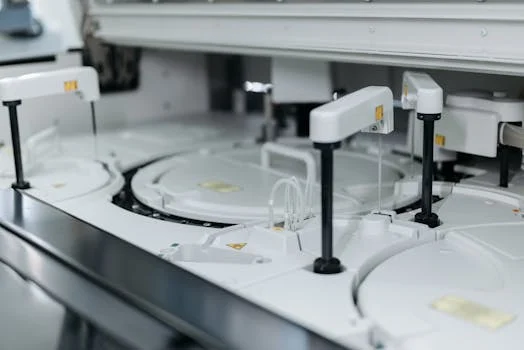
A full hospital train still needs preliminary, primary, secondary, and tertiary stages. Preliminary treatment uses screening, grit removal, and equalization to buffer flow and load swings. Primary treatment uses sedimentation or dissolved air flotation, often with coagulants, to cut TSS, oil and grease, and some metals before biology.
Secondary treatment removes biodegradable BOD and COD. Two common options are:
- Activated Sludge Process: Aerobic biomass in an aeration tank oxidizes organics. It is proven and flexible, but needs clarifiers, more land, and careful sludge control.
- Membrane Bioreactors (MBR): Activated sludge plus membrane filtration. MBR cuts footprint, produces low-TSS effluent suited to reuse or direct discharge after disinfection, and improves pathogen barrier performance versus secondary clarification alone.
Tertiary treatment finishes pathogen and micropollutant control. Disinfection options include:
- Disinfection: Required to inactivate pathogens before discharge.
- Chlorine Dioxide (ClO2) Generation: Works across a wide pH range, forms fewer classic chlorinated byproducts than free chlorine, and is effective against bacteria, viruses, and protozoa when dose and contact time are controlled.
- Ozone (O3): Strong oxidant that inactivates pathogens quickly and can degrade some pharmaceuticals; it leaves no lasting residual and needs off-gas control.
- UV Irradiation: Non-chemical DNA damage disinfection; performance falls when turbidity or TSS remains high, so upstream solids control matters.
- Advanced Oxidation Processes (AOPs): O3/H2O2 or UV/H2O2 trains can target persistent organics when discharge or reuse specs demand it.
Sludge from primary and secondary stages needs thickening, optional digestion, and dewatering on filter presses or belt presses before regulated disposal. The table below compares biological and disinfection options used on hospital effluent.
| Technology | Advantages for Hospital Wastewater | Considerations/Limitations | Typical Pollutant Removal |
|---|---|---|---|
| Activated Sludge Process | Proven effectiveness for BOD/COD, relatively lower capital cost, flexible for load variations. | Larger footprint, requires secondary clarifiers, can be sensitive to toxic shocks, generates significant sludge. | BOD (85-95%), COD (70-90%), TSS (80-90%) |
| Membrane Bioreactor (MBR) | High-quality effluent (low TSS, bacteria), smaller footprint, robust against variations, potential for water reuse. | Higher capital and operating costs (membrane cleaning, energy for aeration/filtration), membrane fouling. | BOD (95-99%), COD (90-97%), TSS (99%+), Bacteria (99.9%+) |
| Chlorine Dioxide (ClO₂) | Effective against wide range of pathogens, minimal harmful byproducts, good residual disinfection, on-site generation. | Requires careful handling and generation, can be corrosive, potential for specific disinfection byproducts if not managed. | Bacteria, Viruses, Protozoa (99.9%+) |
| Ozone (O₃) Disinfection | Powerful oxidant, no chemical residuals, effective against pathogens and some micropollutants, faster reaction time. | High capital and operating costs (energy for generation), no residual disinfection, requires off-gas management. | Bacteria, Viruses, Protozoa (99.9%+) |
How should Lahore hospitals select and size a treatment system?
Hospital wastewater treatment in Lahore should be sized from measured flow and load, not from bed count alone. Start with average daily flow, peak hourly flow, and lab data for BOD5, COD, TSS, oil and grease, metals, and indicator organisms against NEQS. Space, power reliability, and reuse goals then decide between activated sludge and MBR.
Selection checklist for a Lahore facility:
- Wastewater volume: Confirm average m3/d and peak hourly factor from flow logging, not brochure defaults.
- Pollutant load: Characterize metals and pharmacy-heavy wards separately from general wards.
- Available space: Dense Lahore sites often favor MBR or an underground integrated sewage treatment plant for hospitals.
- Budget: Balance CAPEX against OPEX for aeration energy, membranes or chemicals, and sludge haulage.
- Effluent target: Meet inland-water or sewer NEQS as applicable; raise the bar if irrigation or toilet flushing reuse is planned.
- Staffing: Prefer automated dosing and alarm packages when the facility has no full-time WWTP crew.
- O&M pathway: Pair the process design with a written maintenance guide for clinic wastewater treatment systems so sampling and membrane or disinfectant checks stay on schedule.
A practical selection sequence is: characterize → shortlist process trains → concept PFD → optional pilot on toxic or high-COD streams → detailed design → install and commission → train operators. Leave hydraulic and disinfection headroom for public-health surge loads. Modular skids help when bed count or lab services expand in phases.
Equipment options for clinics and larger medical campuses
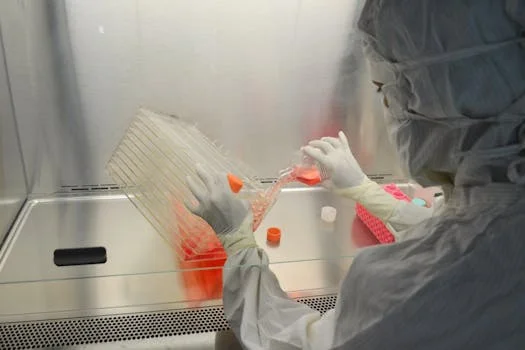
HydropureWater supplies packaged trains sized for clinics through multi-building hospital campuses that must hold NEQS after disinfection. For compact clinics, labs, or space-limited wards, the Medical & Hospital Wastewater Treatment System combines multi-stage filtration with ozone disinfection and a stated 99%+ pathogen kill rate under the packaged design basis. The footprint suits retrofit rooms and constrained urban plots.
Larger hospitals can use the WSZ Series underground integrated sewage treatment plant for hospitals. The package integrates A/O biological oxidation, sedimentation, and disinfection in one underground envelope. That cuts surface land use and noise while targeting NEQS parameters at higher daily flows. For residual disinfection control, an on-site chlorine dioxide generator for hospital disinfection produces ClO2 on demand for bacteria, viruses, and spores without the classic free-chlorine byproduct profile. Design practice for hospital trains is also discussed in our note on hospital wastewater treatment solutions in Germany, which is useful when comparing compact European layouts with Lahore site constraints.
Main cost drivers for a Lahore hospital train are aeration energy, membrane replacement or chemical coagulants, disinfectant generation, sludge haulage, and lab sampling frequency. Capex rises when MBR and ozone are both specified; opex rises when equalization is undersized and peak loads force overdosing. A written sampling plan tied to NEQS parameters usually costs less than a single non-compliance shutdown.
Who this is for / Next step
Hospital engineers, facility managers, and EPC teams specifying on-site treatment for Lahore and wider Punjab healthcare sites are the primary readers. Those sites must satisfy HWMR-2005 liquid-waste rules and NEQS numeric limits. Pure municipal sewer projects without infectious or pharmacy loads should use a different process brief. If you already have flow and lab data, send them through our request-quote form so a train can be checked against BOD5 80 mg/L and COD 150 mg/L inland-water limits before equipment is frozen.
Frequently Asked Questions
How is hospital wastewater treated in Lahore?
Hospital wastewater is treated in stages: screening and equalization, primary solids and grease removal, biological BOD/COD reduction by activated sludge or MBR, then disinfection with chlorine dioxide, ozone, or UV. Metals and pharmacy-heavy streams may need coagulation or advanced oxidation. Final effluent must meet NEQS before sewer or inland-water discharge under HWMR-2005 Rule 20.
What NEQS limits apply to hospital effluent in Pakistan?
For inland-water discharge under revised NEQS, key limits include BOD5 80 mg/L at 20°C, COD 150 mg/L, oil and grease 10 mg/L, pH 6–9, and cadmium 0.1 mg/L. Revised inland-water TSS is 200 mg/L, while older tables often still quote 150 mg/L from the existing-standards column. Always confirm the receiving pathway with the provincial EPA.
Do membrane bioreactors help with hospital pathogens?
Yes. MBR membranes typically hold mixed liquor and reject most bacteria with the solids, often reporting 99.9%+ bacterial reduction before a dedicated disinfectant. That barrier improves UV or chemical disinfection reliability because turbidity stays low. MBR does not replace disinfection for viruses and regulatory kill requirements on infectious liquid waste.
What are the penalties for ignoring HWMR-2005?
Non-compliance with HWMR-2005 and NEQS can trigger enforcement under the Pakistan Environmental Protection Act, 1997, including fines, orders to suspend polluting operations, and further legal action. Provincial EPAs and health inspectors can inspect hospitals, incinerators, and related facilities. Keeping a Waste Management Plan and NEQS lab records is the practical defense during inspection.
How did COVID-19 change hospital wastewater loads?
COVID-19 increased infectious liquid volumes and non-biodegradable PPE solids in many Lahore hospitals, raising both hydraulic peaks and disinfection demand. Plants without equalization or spare disinfectant capacity struggled to hold pathogen kill during surge weeks. New designs should include modular capacity and documented O&M for residual monitoring.
Further Reading
Explore these in-depth articles on related wastewater treatment topics: