A clinic wastewater treatment maintenance guide involves a structured protocol covering daily checks, weekly inspections, and monthly/quarterly preventative tasks, specifically tailored to handle medical contaminants and ensure regulatory compliance. Key activities include monitoring disinfection efficacy (e.g., ozone kill rate of 99%+), inspecting filtration components, and promptly addressing issues to prevent permit violations carrying penalties up to $25,000 per day.
Why Clinic Wastewater Treatment Maintenance is Non-Negotiable
Clinic wastewater contains a volatile mix of pharmaceuticals, disinfectants, dental amalgam, and highly infectious pathogens that require specialized treatment protocols to neutralize. Unlike standard municipal sewage, the effluent from medical, dental, and veterinary facilities often carries heavy metals and chemical residues that can disrupt biological treatment processes if not managed through rigorous equipment upkeep. Failure to maintain these systems leads to more than just mechanical breakdown; it creates significant legal and financial exposure.
Regulatory requirements for clinics are increasingly stringent, with the EPA and various international directives, such as the EU Urban Waste Water Directive 91/271/EEC, setting strict limits on discharge quality. National Pollutant Discharge Elimination System (NPDES) violations can result in civil penalties of up to $25,000 per day per violation. For a small to medium-sized clinic, these fines can be catastrophic. Beyond the legal risks, clinic wastewater treatment compliance requirements dictate that equipment must operate at peak efficiency to protect public health and local water tables from medical waste contamination.
Data indicates that 67% of wastewater treatment equipment failures are repeat events, often stemming from root causes that were identified but never corrected in the maintenance record. Proactive maintenance breaks this cycle, extending the lifespan of expensive components like ozone generators and high-pressure pumps. By adhering to a strict O&M schedule, clinic operators reduce long-term operational costs, ensure consistent effluent quality, and avoid the emergency repair fees associated with sudden system failures.
Essential Daily Maintenance Checks for Clinic Systems
Real-time monitoring of system control panels prevents approximately 80% of catastrophic overflows and disinfection failures in small-scale clinic treatment units. The daily routine should begin with a comprehensive review of the automation interface to check for active alarms or historical error codes. If an alert is present, such as a "Low Flow" or "Dosing Pump Failure," immediate intervention is required to prevent untreated medical waste from entering the municipal sewer or local environment.
Staff must conduct a visual inspection of both the influent (incoming) and effluent (outgoing) water. In a healthy system, the effluent should appear clear and be free of persistent foam or pungent odors, which often signal a biological upset or a failure in the aeration process. For facilities utilizing precise chemical dosing for clinic wastewater, checking the reagent levels in the storage tanks is a critical daily task. If the tanks are low, the disinfection process may be compromised, leading to a spike in pathogen counts.
Verification of the disinfection unit is the most vital daily safety check. This involves checking the status indicators on ozone generators or UV lamp controllers. For ozone systems, ensure the cooling system is operational and the discharge pressure is within the manufacturer’s specified range. Finally, all key operational parameters—including flow rates, pH levels, and temperature—must be recorded in a dedicated logbook. These records serve as the first line of defense during a regulatory audit, proving that the system was operational and monitored every 24 hours.
Weekly and Monthly Preventative Maintenance Protocols
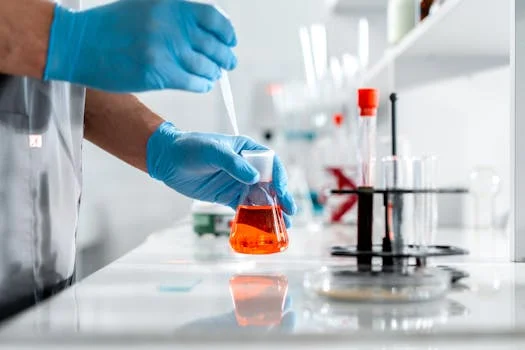
Regular cleaning of disinfection chambers is necessary to prevent biofilm accumulation, which can reduce UV transmittance or ozone mass transfer efficiency. Weekly protocols should focus on the physical integrity of the pretreatment and filtration stages. In dental settings, this specifically includes the inspection and cleaning of amalgam traps to prevent mercury and other heavy metals from entering the main treatment stream. General debris screens must also be cleared to prevent pump cavitation and blockages.
Monthly tasks involve a deeper inspection of the mechanical components. Pumps and blowers should be inspected for unusual vibrations, excessive heat, or oil leaks. Lubrication should be applied sparingly but consistently according to the manufacturer’s specifications. It is also the time to calibrate sensitive probes. Sensors for pH and Oxidation-Reduction Potential (ORP) are prone to "drifting" over time due to the chemical complexity of medical wastewater. Cleaning these probes with an appropriate solution and recalibrating them against standard buffers ensures the compact medical wastewater treatment systems are receiving accurate data for automated adjustments.
For facilities using on-site disinfection systems for clinic effluent, monthly inspections of the generator’s injection points and diffusers are necessary to prevent clogging from mineral scale. Additionally, sludge levels in sedimentation or clarification tanks must be measured. If the sludge blanket exceeds 30% of the tank depth, a professional pumping service should be scheduled to prevent solids carryover into the final effluent. Maintaining the integrity of the six core process zones—preliminary, primary, biological, secondary clarification, disinfection, and sludge handling—is essential for long-term reliability.
| Frequency | Component | Action Required | Compliance Impact |
|---|---|---|---|
| Weekly | Pretreatment Screens | Manual cleaning and debris removal | Prevents mechanical bypass |
| Weekly | Amalgam Traps | Inspect and replace if at capacity | Heavy metal discharge compliance |
| Monthly | pH/ORP Sensors | Cleaning and 2-point calibration | Ensures accurate chemical dosing |
| Monthly | Ozone Diffusers | Acid wash to remove mineral scaling | Maintains disinfection kill rates |
| Monthly | Sludge Blanket | Measure depth and record levels | Prevents TSS (Total Suspended Solids) spikes |
Annual & Bi-Annual Comprehensive System Overhaul
Replacing UV lamps and ozone generator components every 8,000 to 12,000 hours of operation is necessary to maintain the disinfection kill rates required by international standards and local discharge permits. While daily and monthly tasks can often be handled by trained clinic staff, the annual overhaul should involve a certified technician. This professional service includes a full electrical diagnostic of the control panels, testing of all emergency shut-off valves, and a comprehensive inspection of pump seals and bearings that are not visible during routine checks.
During the annual service, all treatment tanks and clarifiers should be completely drained and pressure-washed. This allows for the inspection of the tank liners and structural integrity, identifying potential leaks before they become environmental hazards. It is also the ideal time to implement detailed medical wastewater O&M protocols updates, ensuring the manual reflects any changes in clinic operations or local regulations. Comprehensive effluent testing by a third-party laboratory should be conducted at this stage to verify that the system meets all parameters defined in the NPDES or equivalent local permit.
Finally, clinic managers should use the annual review to assess system efficiency. If chemical consumption has risen significantly or if the system struggles to handle peak flows, it may be time to consider upgrades to the aeration system or the integration of more advanced filtration modules. Continuous improvement based on annual performance data is the most effective way to ensure the long-term health of the facility’s infrastructure.
Common Clinic Wastewater Treatment Issues and Troubleshooting
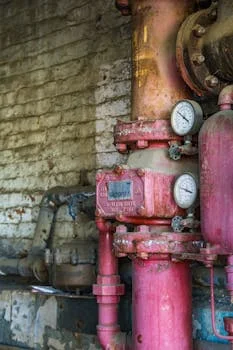
Inadequate contact time in the disinfection chamber is the primary cause of high pathogen counts in clinic effluent, even when chemical dosing levels appear correct. If laboratory results indicate a failure in disinfection efficacy, the first step is to check the flow rate; excessive hydraulic loading can push wastewater through the ozone or UV chamber too quickly for a complete "kill." If flow rates are normal, inspect the UV lamps for "solarization" (clouding) or check the ozone generator’s dielectric tubes for moisture accumulation, which significantly reduces output.
Odor issues in a clinic setting are typically caused by anaerobic conditions or excessive sludge accumulation. If the system begins to emit a "rotten egg" smell, it usually indicates that the dissolved oxygen (DO) levels in the biological stage have dropped too low. Increasing the aeration rate or checking the blowers for clogged intake filters often resolves the issue. If odors persist, verify the pH levels; acidic wastewater (below pH 6.0) can inhibit the bacteria responsible for breaking down organic matter, leading to stagnant, odorous conditions. Understanding the cost of clinic wastewater treatment systems includes factoring in the price of these corrective chemicals and emergency repairs.
High Total Suspended Solids (TSS) in the effluent are often the result of filter clogging or a "biological upset" where the sludge does not settle properly. In these cases, backwashing the media filters or adjusting the return activated sludge (RAS) rates can stabilize the clarifier. If a pump fails entirely, check for electrical faults or blockages caused by non-flushable medical items like gauze or gloves that may have bypassed the initial screening. Always clear the blockage and inspect the impeller for damage before restarting the motor to avoid a complete burnout.
Maintaining Compliance and Record-Keeping Best Practices
Regulatory audits for medical facilities focus on the "chain of custody" for wastewater data, requiring verified logs of chemical consumption, sensor calibration, and effluent testing. A clinic can have the most advanced treatment technology in the world, but without meticulous record-keeping, it remains at risk of heavy fines. Every maintenance action—from a simple filter rinse to a major pump overhaul—must be documented with the date, the name of the technician, and the specific outcome of the task.
The O&M manual should be a living document, tailored specifically to the clinic’s unique equipment configuration. It should include an emergency response plan that outlines exactly what to do in the event of a system failure, including who to notify and how to divert wastewater to prevent an illegal discharge. Robust record-keeping not only facilitates smooth audits but also helps identify long-term trends, such as a gradual increase in power consumption that might signal a failing motor or a leak in the aeration piping. By treating maintenance as a core component of clinic compliance, facilities ensure they remain operational, profitable, and environmentally responsible.
Frequently Asked Questions

What are the daily maintenance tasks for a clinic wastewater treatment system?
Daily tasks include checking the control panel for alarms, visually inspecting effluent clarity, verifying chemical levels in dosing tanks, and ensuring the ozone or UV disinfection units are powered on and functioning correctly.How often should a clinic's wastewater treatment system be inspected for compliance?
While daily checks are required for operation, a comprehensive compliance inspection by a qualified professional should occur at least annually to ensure all discharge permits and regulatory standards are being met.What are the common issues in clinic wastewater treatment and how are they resolved?
Common issues include poor disinfection (resolved by cleaning lamps/generators), odors (resolved by increasing aeration), and pump blockages (resolved by clearing debris from screens and impellers).What regulations apply to wastewater discharge from clinics?
Clinics must typically comply with the Clean Water Act (NPDES permits) in the US or the Urban Waste Water Directive in the EU, which set limits on pathogens, TSS, pH, and chemical concentrations.How does ozone disinfection in clinic wastewater treatment systems work?
Ozone is a powerful oxidant injected into the wastewater; it destroys bacteria, viruses, and pharmaceutical residues on contact by rupturing their cell walls, leaving no harmful chemical residue behind.