Why Hospital Wastewater in Madrid Needs Specialized Treatment
Hospital wastewater in Madrid requires advanced treatment to remove antibiotics like meropenem and comply with EU Urban Wastewater Directive 91/271/EEC. On-site systems achieve >99% pathogen reduction and 85–95% antibiotic removal using MBR or ozone disinfection, with costs ranging €80–€150/m³/year for facilities processing 10–50 m³/day. The Canal de Isabel II manages a massive centralized infrastructure treating over 6,000 L/s, but these municipal plants are generally designed for urban organic loads rather than the specific chemical and biological challenges of healthcare effluent.
The primary concern for Madrid’s environmental engineers is the presence of micropollutants, particularly pharmaceutical residues and multi-drug resistant (MDR) bacteria. Conventional activated sludge processes often fail to degrade complex molecules like carbapenems or fluoroquinolones, leading to their release into the Manzanares or Jarama rivers. This environmental persistence drives the development of EU-compliant hospital wastewater treatment frameworks that prioritize source-separation and pre-treatment.
Regulatory pressure is mounting through initiatives like the THERESA PCP project, which underscores the European Union’s focus on mitigating Antimicrobial Resistance (AMR) risks in urban water cycles. For Madrid hospitals, the discharge of untreated or under-treated effluent contributes to a reservoir of AMR genes in the environment. Specialized on-site treatment acts as a critical barrier, ensuring that high-risk streams—such as those from oncology or infectious disease wards—are neutralized before entering the public sewer. This approach ensures compliance with the EU Urban Wastewater Directive and protects downstream municipal biological processes.
Core Contaminants in Hospital Effluent and Regulatory Limits
Hospital effluent in Madrid contains significant levels of contaminants, including meropenem concentrations detected at levels ranging from 1 to 10 μg/L. These antibiotics are currently on the EU Watch List under the Water Framework Directive, signaling future mandatory monitoring and stricter discharge caps. Understanding the gap between influent characteristics and required discharge limits is crucial for facility managers.
Pathogen control is a key regulatory hurdle. According to EU UWWTD Annex I and local Madrid environmental standards, Enterococci and E. coli levels must be reduced to below 1,000 CFU/100 mL for safe discharge into the municipal network. Raw hospital sewage typically contains several orders of magnitude higher concentrations, necessitating a minimum 3 to 4 log reduction. The Chemical Oxygen Demand (COD) and Biochemical Oxygen Demand (BOD) of healthcare facilities are often volatile.
The risk of AMR genes (ARGs) is a specialized metric gaining traction in procurement technical specs. Studies of treated effluent in Spain have shown that even when traditional bacteria counts are low, ARGs can persist and transfer to environmental bacteria. Implementing a compact ozone-based hospital wastewater treatment unit or a high-flux MBR is often required to achieve the oxidative or physical barrier necessary to degrade these genetic materials.
Proven Treatment Technologies for Madrid Hospitals
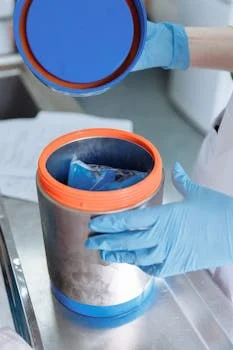
Membrane Bioreactor (MBR) systems are a benchmark for healthcare facilities with limited footprint, achieving over 4-log pathogen reduction and 90–95% COD removal. By combining biological degradation with membrane filtration, a high-efficiency MBR system for hospital effluent reuse produces effluent with turbidity consistently below 1 NTU.
Ozone disinfection has emerged as the preferred secondary treatment for antibiotic degradation. Ozone leaves no harmful chemical residues and is significantly more effective at breaking down pharmaceuticals. HydropureWater field data (2025) indicates that ozone dosages of 15–20 mg/L can achieve >99% inactivation of viruses and bacteria while oxidizing up to 90% of pharmaceutical micropollutants.
For facilities dealing with high fats, oils, and grease (FOG) from kitchen services combined with medical waste, Dissolved Air Flotation (DAF) serves as a robust pre-treatment. A DAF unit can remove over 90% of suspended solids and 80% of FOG, preventing the fouling of more sensitive downstream MBR membranes or ozone contactors.
| Technology | Antibiotic Removal Rate | Pathogen Reduction (Log) | Footprint Requirement | Primary Benefit for Madrid Hospitals |
|---|---|---|---|---|
| MBR (Membrane Bioreactor) | 60–85% | 4.0–5.0 | Low (Compact) | High-quality effluent suitable for reuse in cooling towers. |
| Ozone Disinfection | 85–95% | 3.0–4.0 | Very Low | Superior degradation of antibiotics like meropenem. |
| Biochar Adsorption | 75–85% | <1.0 | Medium | Sustainable polishing step for pharmaceutical removal. |
| DAF + Filtration | <20% | 1.0–2.0 | Medium | Essential pre-treatment for high-SS and FOG streams. |
On-Site vs Centralized Treatment: Which Is Right for Your Facility?
Madrid regional regulations mandate on-site pre-treatment for healthcare facilities discharging more than 25 m³/day or those classified as high-risk due to specialized pharmaceutical loads. Connecting directly to the Canal de Isabel II network leaves the hospital vulnerable to changing municipal surcharges and stricter environmental audits. Centralized treatment costs in Madrid average approximately €50/m³ in user fees and taxes.
On-site treatment provides a closed-loop compliance strategy. By installing a dedicated system, facility managers gain full traceability of their waste stream, critical for ISO 14001 certification and regional health inspections. Modular systems, such as the WSZ series underground integrated sewage treatment units, allow for phased deployment.
The decision-making framework often hinges on the hospital’s specific medical services. Facilities with large oncology, radiology, or infectious disease departments produce "hot" wastewater that municipal plants are ill-equipped to handle. On-site treatment reduces the load on Madrid's aging urban pipe infrastructure, potentially lowering long-term maintenance costs.
Cost Analysis and ROI for Hospital Wastewater Systems in Madrid
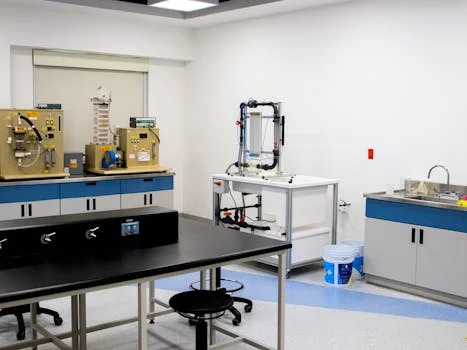
Capital expenditure (CAPEX) for compact on-site systems processing 10–50 m³/day typically ranges from €60,000 to €180,000. The return on investment is realized through a 40% reduction in footprint and significantly lower sludge production compared to traditional activated sludge plants. OPEX for these systems, including energy, membrane cleaning, and routine maintenance, sits between €80 and €150/m³/year.
Ozone-based units offer a distinct OPEX advantage by eliminating the need for bulk chemical storage and handling. The payback period for advanced on-site treatment in Madrid is generally 3 to 5 years, driven by the mitigation of compliance risks and the avoidance of municipal surcharges for high-COD effluent.
Financial assistance may also be available for Madrid-based facilities through EU Horizon funding programs, including the THERESA PCP initiative. Proper implementation of a B2B breakdown of modular sewage treatment costs helps in justifying the CAPEX to hospital boards.
Frequently Asked Questions
How is hospital wastewater treated in Madrid?
Treatment typically involves a multi-stage process: primary clarification to remove solids, biological treatment (often via MBR for high efficiency), and advanced disinfection using ozone or chlorine dioxide. On-site systems are increasingly required to target pharmaceuticals that municipal plants cannot remove.
What is the cost of hospital wastewater treatment in Madrid?
On-site system OPEX ranges from €80–€150/m³/year. CAPEX for a 10–50 m³/day system is between €60,000 and €180,000. Municipal discharge fees are roughly €50/m³.
Can hospital wastewater contain antibiotic-resistant bacteria?
Yes, hospital effluent is a known primary source of antibiotic-resistant bacteria (ARB) and genes (ARG). Advanced treatment like MBR and ozone is required to achieve a 3–4 log reduction in these microorganisms before discharge.
What standards apply to hospital effluent in Spain?
The primary regulations are the EU Urban Wastewater Directive 91/271/EEC, the Spanish Royal Decree 509/2022 regarding water reuse, and Madrid's local municipal ordinances. Following a 12-step O&M protocol for hospital wastewater systems is recommended.