Industrial wastewater treatment in Muharraq, Bahrain, addresses the unique effluent challenges from the region's diverse and growing industries, which include petrochemicals, manufacturing, and hospitality. Bahrain's extreme water stress—ranked 12th globally—makes effective treatment and reuse of industrial wastewater critical for environmental compliance and resource sustainability, building upon the established municipal infrastructure like the 100,000 m³/day Muharraq WWTP.
The Urgent Need for Industrial Wastewater Treatment in Muharraq, Bahrain
Bahrain is ranked 12th globally on the World Resources Institute’s list of most water-stressed nations, necessitating aggressive water management strategies across all industrial sectors. Muharraq's geographical and climatic factors compound the pressure on water resources. As an island nation, Bahrain faces the dual threat of rising sea levels—which lead to seawater intrusion into precious groundwater aquifers—and historically low precipitation levels that limit natural recharge. For industrial plant managers, this means that every cubic meter of water used in production must be accounted for, treated, and ideally, returned to the process cycle.
The existing municipal infrastructure, specifically the Muharraq Wastewater Treatment Plant (WWTP), serves as a cornerstone for the region’s water management. Currently operating at its design capacity of 100,000 m³/day, with plans for a 60,000 m³/day expansion, this facility primarily handles domestic sewage. However, industrial facilities cannot rely solely on municipal systems. Industrial effluent often contains high concentrations of pollutants that can disrupt the biological processes of municipal plants. Onsite industrial wastewater treatment is not just a regulatory requirement but a functional necessity to protect regional infrastructure.
Bahrain’s economic diversification—shifting focus toward tourism, hospitality, retail, and advanced manufacturing—has changed the profile of wastewater generated in Muharraq. While the oil and gas sector remains significant, the rise of food processing and large-scale hospitality projects introduces high organic loads and fats, oils, and grease (FOG) into the waste stream. Addressing these diverse pollutants requires specialized equipment that goes beyond standard sewage treatment, emphasizing the need for comprehensive industrial wastewater treatment solutions that cater to specific chemical and biological oxygen demands.
Understanding Industrial Wastewater Streams in Muharraq's Key Sectors
Industrial effluent in Muharraq differs from municipal sewage by its higher chemical complexity, often containing recalcitrant organic compounds, heavy metals, and high salinity levels typical of coastal industrial zones. The petrochemical and oil & gas services sectors' wastewater is frequently contaminated with emulsified oils, hydrocarbons, and phenols. These substances require advanced physical-chemical separation before any biological treatment can occur. Without robust pretreatment, these contaminants can coat microbial surfaces in downstream systems, rendering biological treatment ineffective.
The food and beverage processing sector in Bahrain presents a different set of challenges, characterized by high Biological Oxygen Demand (BOD) and Chemical Oxygen Demand (COD). Effluent from these facilities often contains high levels of suspended solids, nitrogen, and phosphorus. In a water-stressed environment like Muharraq, discharging this high-strength waste without treatment is not only environmentally damaging but also a lost opportunity for water recovery. The hospitality and retail sectors contribute significant volumes of greywater containing detergents and high FOG concentrations, which can lead to "fatbergs" in the sewage network if not managed at the source.
Specific contaminants common in Muharraq’s industrial zones include:
- High Salinity: Resulting from both industrial processes and the proximity to the sea, which can inhibit standard biological treatment.
- Heavy Metals: Including chromium, nickel, and lead from manufacturing and metal finishing processes.
- Total Suspended Solids (TSS): Fine particulates from construction materials and manufacturing that require mechanical filtration.
- Volatile Organic Compounds (VOCs): Emerging from chemical processing and painting operations.
The variability of these streams is a major hurdle. Unlike municipal wastewater, which follows predictable diurnal patterns, industrial discharge can be highly intermittent. A batch discharge of high-acidity cleaning agents or high-temperature process water can "shock" a treatment system. Understanding these specific characteristics is the first step in designing a system capable of achieving the DAF system applications in industrial settings required for stable operation and compliance.
Bahrain's Environmental Regulations for Industrial Wastewater Discharge
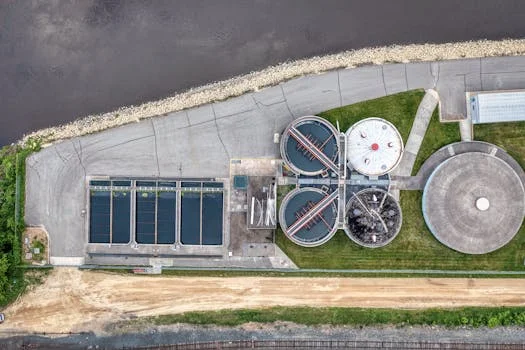
The Supreme Council for Environment (SCE) in Bahrain mandates that all industrial facilities treat their effluent to specific concentration limits before discharge into public networks or the marine environment. These regulations align with international environmental standards, ensuring that industrial growth does not harm the Kingdom’s fragile ecosystem. Compliance is monitored through mandatory permits and regular reporting of key water quality parameters.
Typical regulated parameters for industrial discharge in Muharraq include:
- Biochemical Oxygen Demand (BOD5): Usually restricted to levels that do not overwhelm the aerobic capacity of receiving waters.
- Chemical Oxygen Demand (COD): A measure of both biodegradable and non-biodegradable organic matter.
- Total Suspended Solids (TSS): To prevent sedimentation in sewers and the destruction of marine habitats.
- Oil and Grease: Strictly limited to prevent blockages and surface films on water bodies.
- pH Levels: Typically required to be between 6.0 and 9.0 to protect infrastructure from corrosion.
The Electricity & Water Conservation Directorate, established in 1999, promotes the reuse of treated sewage effluent (TSE). In Muharraq, the reuse of water for irrigation and industrial cooling is highly encouraged. Facilities that can demonstrate high-quality effluent suitable for reuse often benefit from lower water procurement costs and enhanced corporate social responsibility profiles. The Muharraq Wastewater Services Co. actively manages the export of treated water via tankers and pipelines to government and private sector consumers, highlighting the commercial value of compliant, high-quality treated water.
Failure to comply with these standards can result in significant fines, operational shutdowns, and legal liabilities. As the Muharraq WWTP expands its capacity, scrutiny on industrial pre-treatment will likely increase to ensure the municipal plant can continue to produce high-quality TSE for the nation’s irrigation and landscaping needs.
Advanced Technologies for Industrial Wastewater Treatment in Muharraq
Modern industrial wastewater treatment relies on a multi-stage approach, often starting with high-efficiency DAF systems to remove over 90% of total suspended solids and fats. In Muharraq's industries, where oil and grease are prevalent, Dissolved Air Flotation (DAF) is an essential pretreatment step. By introducing micro-bubbles into the wastewater, contaminants are floated to the surface and skimmed off, significantly reducing the load on secondary treatment stages. Using high-efficiency DAF systems is particularly effective for the petrochemical and food processing sectors found in Bahrain.
For facilities requiring the highest quality effluent for reuse or discharge into sensitive environments, Membrane Bioreactor (MBR) technology is the gold standard. Integrated MBR systems combine biological degradation with membrane filtration (typically < 0.1 μm), effectively removing bacteria, viruses, and ultra-fine solids. This technology is favored in Muharraq due to its compact footprint—critical for industrial sites with limited space—and its ability to produce water that meets stringent reuse standards. When selecting the right MBR system, engineers must consider the specific flux rates and chemical resistance of the membranes to handle industrial-strength waste.
Managing the byproduct of these processes—sludge—is equally important. Sludge dewatering filter presses are used to reduce the volume of waste by extracting water from the sludge, resulting in a dry "cake" that is much cheaper to transport and dispose of. The efficiency of these mechanical systems is often enhanced by automatic chemical dosing systems, which ensure the precise application of coagulants and flocculants. This precision prevents chemical waste and ensures optimal particle aggregation for both DAF and filtration processes.
| Technology | Primary Application | Typical Removal Efficiency | Key Benefit in Muharraq |
|---|---|---|---|
| Dissolved Air Flotation (DAF) | Removal of FOG, TSS, and insoluble COD | 90-95% TSS / 99% FOG | Protects downstream biological processes from oil fouling. |
| Membrane Bioreactor (MBR) | Advanced biological treatment and filtration | 99% BOD / 100% Pathogens | Produces high-quality water suitable for industrial reuse. |
| Plate & Frame Filter Press | Sludge dewatering and volume reduction | 30-60% Dry Solids Content | Reduces waste disposal costs and environmental footprint. |
| Automatic Dosing Systems | Chemical pretreatment and pH adjustment | Precise chemical control | Optimizes treatment efficiency and reduces chemical costs. |
Achieving Water Reuse and Sustainability in Muharraq's Industries
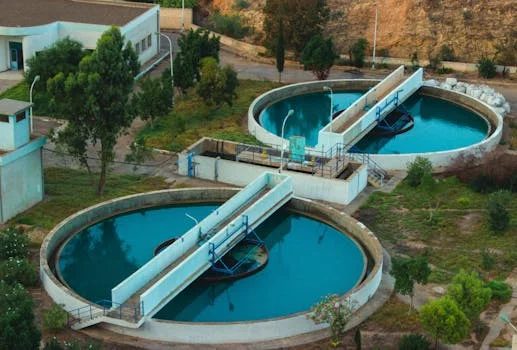
Treated industrial wastewater serves as a critical alternative to desalinated water for non-potable applications like cooling towers, boiler feed, and landscape irrigation. In a region where desalination is the primary source of fresh water—a process that is both energy-intensive and expensive—reusing treated effluent offers a significant economic advantage. By implementing a "closed-loop" or "semi-closed-loop" water system, industrial facilities in Muharraq can reduce their reliance on the municipal grid and groundwater reserves, which are currently being held as a strategic reserve for crises.
To achieve water quality suitable for high-end reuse, tertiary treatment is often required. This may involve reverse osmosis (RO) systems to remove dissolved salts and minerals, which is particularly important if the treated water is to be used in cooling towers where scaling is a concern. Additionally, disinfection is a non-negotiable step for any water intended for irrigation or human contact. A chlorine dioxide generator provides a powerful and stable disinfection solution that is effective against a broad spectrum of pathogens without the hazardous byproducts associated with traditional chlorination.
The sustainability benefits extend beyond water conservation. Efficient wastewater treatment also means better sludge management and lower energy consumption per cubic meter of water treated. By aligning with the goals of the Electricity & Water Conservation Directorate, industries in Muharraq contribute to the national effort to rebalance the economy toward sustainable growth. Sustainable industrial practices are no longer just an environmental choice; they are a core component of business resilience in the face of Bahrain's increasing water scarcity.
Partnering for Compliant and Efficient Industrial Wastewater Solutions in Muharraq
Effective wastewater management in Muharraq requires a technical partnership that balances capital expenditure with long-term operational compliance. Every industrial facility has a unique effluent profile, and a "one-size-fits-all" approach often leads to system failure or excessive operating costs. Partnering with experts who understand the local regulatory environment in Bahrain and the specific challenges of high-salinity, high-load industrial waste is essential for designing a system that delivers consistent results.
HydropureWater provides the technical expertise and advanced equipment necessary to help Muharraq’s industries meet their environmental obligations. From initial wastewater analysis to the commissioning of integrated MBR and DAF systems, our focus is on delivering reliable, cost-effective solutions that prioritize water reuse. We encourage facility managers to seek professional assessments to ensure their treatment infrastructure is optimized for both current regulations and future sustainability goals.
Frequently Asked Questions About Industrial Wastewater Treatment in Muharraq
What are the common types of industrial wastewater in Muharraq?
The most common streams come from petrochemical services (oily water), food processing (high BOD/organic waste), and the hospitality sector (FOG and detergents). Manufacturing also contributes wastewater containing heavy metals and suspended solids.
What are the discharge standards for industrial wastewater in Bahrain?
Standards are set by the Supreme Council for Environment (SCE) and typically regulate pH (6-9), BOD, COD, TSS, and oil/grease concentrations. Specific limits depend on whether the discharge is to a sewer