Inclined Plate Settler Cost Price 2026: What Buyers Pay
An inclined plate settler cost price in 2026 spans about $5,000 for compact modular units to more than $100,000 for large industrial installs. Capacity, plate material, automation, and site work set the band. Plate modules often cost about $1,300 each.
A PP tube settler unit may be about $1,374.87 (HydropureWater field data, 2025). A complete system still includes tankage, internal supports, effluent weirs, sludge hoppers, and often chemical pretreatment. An inclined plate settler, also called a lamella clarifier, removes settleable solids on plates tilted about 55° to 60°. That layout raises effective settling area by up to 10 times versus a conventional circular clarifier of the same footprint.
The footprint-to-efficiency ratio matters when floor space is tight, while hydraulic distribution across plates still adds engineering labor to CAPEX. According to the Wikipedia technical overview of lamella clarifiers, such units usually require only 65-80% of the area of clarifiers operating without inclined plates, and can run overflow rates 2 to 4 times those of traditional clarifiers.
In 2026, steel and plastic commodity prices still anchor basic sedimentation tank cost. According to the U.S. Bureau of Labor Statistics Producer Price Index release for August 2026, final demand moved up 0.4 percent in August, stood 5.4 percent above a year earlier, and diesel fuel jumped 24.1 percent. Those index moves do not replace the package dollar bands in this guide; they move freight and fabrication lines inside them.
Most plants we size for mid-range industrial flows sit toward the lower package band unless stainless steel or full PLC automation is required. Sludge-level sensors and flow controls raise packaged bids while cutting long-term ownership cost. Quote the alloy and the control scope on the same revision, or freight and steel swings move the tank line before fabrication starts.
What Is Lamella Clarifier Cost by Flow Capacity?
Lamella clarifier cost by flow capacity follows three equipment bands: under 10 m³/h at $5,000 to $25,000, 10 to 50 m³/h at $25,000 to $75,000, and above 50 m³/h from $75,000 to well over $200,000. Package content, not nameplate flow alone, moves a bid inside each band.
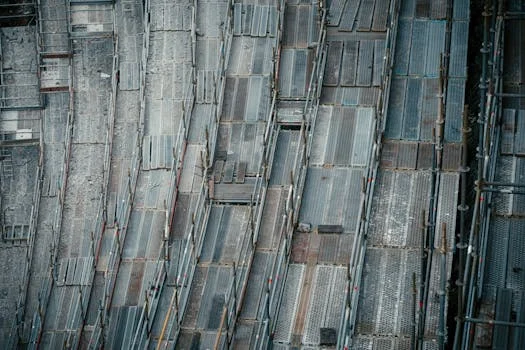
Modular inclined plate settlers for flows under 10 m³/h often price between $5,000 and $25,000. Many arrive pre-assembled and skid-mounted for fast install. They suit pilot plants, small metal finishing shops, or laboratory wastewater where space is tight and flow is steady. Most plants we size under 10 m³/h buy the skid rather than a field-erected tank.
Standard package systems handle 10 to 50 m³/h and typically range from $25,000 to $75,000. They often include flash-mix and flocculation tanks so fine solids can form settleable flocs. Price inside the band depends on sludge thickening compartments and plate material, usually polypropylene or stainless steel.
Custom industrial systems above 50 m³/h commonly run from $75,000 to well over $200,000. At that scale, sedimentation tank cost reflects heavy structural steel, advanced distribution manifolds, and sometimes parallel units for redundancy. Mining, municipal plants, and large chemical sites dominate this class. Working with an experienced inclined plate settler manufacturer helps match plate count and loading to surge conditions before steel is cut.
| System Type | Typical Flow Range (m³/h) | Estimated CAPEX (USD) | Primary Applications |
|---|---|---|---|
| Compact Modular | 1 – 10 | $5,000 – $25,000 | Metal finishing, labs, pilot projects |
| Standard Package | 10 – 50 | $25,000 – $75,000 | Food processing, textile, mid-size MFG |
| Custom Industrial | 50 – 300+ | $75,000 – $200,000+ | Mining, municipal, large chemical plants |
| Tube Settler Retrofit | Varies | $1,300 – $1,500 per unit | Upgrading existing circular clarifiers |
Compared with tube settlers, tube modules are often cheaper as parts (about $1,374.87 per unit), but lamella plates usually offer better structural integrity and easier cleaning. Lamella trains tend to last longer in heavy industrial duty where tube blinding causes downtime and replacement spend. If you are comparing an inclined plate clarifier against a tube retrofit, ask for projected effluent TSS at your peak hydraulic loading, not only the catalog footprint.
A buyer who searches lamella cone settler tank 200 l mild steel cost is pricing a small mild-steel cone tank, not a plated pack. Add plates, weirs, and a sludge outlet before comparing that tank with the package bands above. Most shops we quote treat the cone shell as tank steel only.
Key Factors That Set System Price
Hydraulic loading rates for industrial lamella clarifiers are usually engineered between 0.2 and 0.4 GPM/FT², and that loading sets total plate area and equipment price. As design flow rises, tank volume and plate count grow. Scaling is not fully linear: larger trains need heavier structure and more complex baffles to keep laminar flow (Reynolds number < 500), which raises fabrication labor.
The relationship between hydraulic loading rates and plate area directly affects the overall cost of an inclined plate settler system. Design guidance collected in the Wikipedia lamella clarifier overview states that loadings on plates should be limited to 2.9 m/h to ensure laminar flow is maintained between plates. Confirm whether a stated rate applies to plate area, projected horizontal area, or tank footprint before comparing bids.
Material of construction is a major wastewater clarifier price lever. Carbon steel with high-performance epoxy is the common industrial baseline. Corrosive or food-grade service usually needs 304 or 316L stainless steel, and specifying 316L can raise tank cost by 30% to 50% versus coated carbon steel. Fiber-reinforced plastic (FRP) often sits between coated steel and high-grade stainless for chemical plants, and most plants we price pick coated carbon steel unless chlorides or a food audit force 316L.
Automation and auxiliaries drive industrial settler cost next. A manual unit needs operators to open sludge valves and watch effluent turbidity. A fully automated HydropureWater high-efficiency lamella clarifier may add PLC-controlled automatic chemical dosing systems, ultrasonic sludge blanket sensors, and VFDs on feed pumps. Those packages can add $15,000 to $40,000 of CAPEX while cutting labor and chemical waste.
Site extras such as seismic bracing, custom footprints inside existing buildings, or specialty weirs for ultra-low TSS can add 10-20% to engineering and fabrication. Civil works, meaning the concrete pad and external piping, usually stay with the site contractor and track local labor and soil conditions. For a parallel view of package pricing by flow class, see the Lamella Clarifier Cost Price: 2026 B2B Buyer's Guide & ROI Analysis.
How Does an Inclined Gravity Settler Work?
An inclined gravity settler uses gravity and shallow plate channels so particles travel a short vertical distance before sliding down the plate face into a sludge hopper. Influent enters through a distribution zone that aims for even flow across every channel. Clarified water rises to effluent weirs while thickened solids collect below for intermittent or continuous withdrawal.
Designers watch Reynolds and Froude numbers inside the channels to keep flow laminar and avoid short-circuiting. Most industrial units we commission target plate angles of 55° to 60° so sludge slides without packing. That range sits inside wider design practice: the Wikipedia overview notes the general consensus is that plates should be inclined at a 50-70° angle from the horizontal to allow for self-cleaning, with typical spacing between plates of 50 to 80 mm. When oil and grease are high or pH swings hard, pretreatment chemistry or material upgrades change both performance and CAPEX before the settler itself is sized.
What Is the Inclined Plate Settler CAPEX OPEX Breakdown?
An inclined plate settler CAPEX OPEX breakdown puts package equipment from about $5,000 to more than $100,000, then reagents and sludge at 15% to 25% of ten-year ownership cost.
Operational spending on reagents and sludge handling can equal 15% to 25% of total cost of ownership over a ten-year period for an inclined plate settler train. The settler has few moving parts, yet pumps and mixers still burn energy. Feed pumps and flocculation mixers typically draw 2 to 10 kW depending on size. On 24/7 duty, electricity often lands between $1,500 and $8,000 per year at common industrial tariffs.
| Cost block | What sets it | Figure used here |
|---|---|---|
| Equipment CAPEX | Flow class in the capacity table | $5,000 – $200,000+ |
| Automation package | PLC dosing, blanket sensors, VFDs | $15,000 to $40,000 |
| Tank alloy upgrade | 316L versus coated carbon steel | 30% to 50% |
| Site engineering adder | Seismic, custom footprint, specialty weirs | 10-20% |
| Annual electricity | 2 to 10 kW on 24/7 duty | $1,500 and $8,000 per year |
| Reagents and sludge | Share of ten-year ownership | 15% to 25% |
| Annual spares | Gaskets, weirs, pump seals | 1-2% of initial CAPEX |
Chemical use is often the largest OPEX line. Coagulants such as alum or ferric chloride and polymer flocculants must be dosed to match influent TSS and flow. The polymer dosing system cost and ongoing chemical spend track those loads. Tight dosing improves clarity and cuts sludge volume, which lowers disposal fees.
Maintenance load stays moderate but must stay on schedule. Inspect plates quarterly for scale or biological fouling. Cleaning with high-pressure hose or chemical soak usually takes 8 to 16 man-hours per year. Spares such as gaskets, weir plates, and pump seals typically run 1-2% of initial CAPEX each year.
Sludge handling is a major indirect cost. Thickened underflow often holds only 1% to 3% solids, and many plants add plate and frame filter presses to reach 25-35% solids cake. That volume cut can save thousands of dollars per month in hauling and landfill fees when cake quality stays consistent. Most plants we track spend more on polymer and hauling than on the settler motor.
What Maintenance Does a Lamella Plate Settler Need?
Lamella plate settler maintenance centers on sludge withdrawal, weir level checks, and periodic plate cleaning rather than complex mechanical overhauls. Operators should confirm hopper draw-off prevents solids buildup that backs into the plate pack. Uneven weirs create short-circuiting and raise effluent TSS even when plate area looks adequate on paper.
Most plants we support clean plates on a quarterly to semi-annual cycle, faster when hardness or biological growth is high. Keep spare gaskets and a few plate blanks if the model allows single-plate pullout without a full drain. Document turbidity and sludge blanket trends weekly so fouling shows up before a compliance excursion.
What Is Industrial Inclined Plate Settler ROI Payback?
Industrial inclined plate settler ROI payback is often under 24 months where about 50% water recovery and lower downstream cleaning both show up in the annual savings.
A 90% TSS cut from well-tuned clarification can reduce cleaning frequency on downstream membranes by up to 60%, which is a measurable ROI lever. Many buyers also justify CAPEX by avoiding environmental fines when effluent limits are tight. Stable clarification protects permits and reduces emergency hauling or temporary treatment spend.
Permit math makes the fines line concrete for US dischargers. Clarification that holds those numbers keeps a permit whole, so compliance is a legitimate savings line in the payback frame.
Water reuse is another payback path. Clarified water returned to cooling towers or washdown can support about 50% recovery in suitable plants. Where industrial water rates are high, that recovery can yield payback under 24 months. Lower fouling on sand filters or RO also stretches membrane life and reduces related plate frame filter press cost pricing pressure when sludge cake targets stay on spec.
Use this payback frame:
Payback Period (Years) = Total CAPEX / (Annual Savings in Water + Annual Savings in Fines + Annual Savings in Downstream Maintenance - Annual OPEX)
For example, a $50,000 system that saves $20,000 in water and $10,000 in maintenance yearly, while costing $5,000 to operate, pays back in about 2 years ($50,000 / $25,000). Most plants we run this frame on forget the annual OPEX line and then overstate the payback.
What Does a Lamella Clarifier Installation Cost Guide Cover?
A lamella clarifier installation cost guide covers the pad, yard piping, power, and sludge handling that sit outside the skid price, plus any seismic or custom-footprint adder of 10-20%.
Skid-mounted units still need a level pad, a power feed, and a sludge path on site. Freight, crane time, and anchor bolts sit with the installer, not inside the plate-module price of about $1,300. Most plants we commission still pay the civil contractor for the pad and yard piping even when the settler arrives assembled.
Where a reviewing authority treats the basin like a conventional municipal primary tank, expect questions about unit redundancy, sludge draw-off sizing, and hopper slopes. An industrial inclined plate clarifier plant is usually reviewed on the data submitted rather than on municipal defaults. On the plate pack itself, demand adjustable weirs so one high side does not short-circuit the box, and confirm launder length against the peak hour rather than the daily average.
Choosing the Right Inclined Plate Settler: A Buyer's Framework
Technical checks of Reynolds and Froude numbers inside plate channels confirm laminar flow and help justify higher-spec models when short-circuiting would wreck effluent quality. Start with a full influent profile. High oil and grease or swinging pH force material upgrades or pretreatment that change total price before plate area is finalized.
Buy on effective settling area, not footprint alone. A low bid may hide fewer plates or aggressive loading that fails during surges. Demand loading rate in GPM/FT² and projected effluent TSS on your wastewater. Prefer designs that allow individual plate removal without draining the whole tank; that feature saves labor over a decade.
Selection checklist for EPC and plant buyers:
- Design flow and peak factor (m³/h) with measured influent TSS and particle settleability
- Target effluent TSS or turbidity and any reuse or membrane feed limits
- Plate angle, material, spacing, and effective settling area at stated loading (0.2–0.4 GPM/FT² typical)
- Tank material (coated carbon steel, 304/316L, or FRP) matched to corrosivity and food-grade rules
- Automation scope: manual valves versus PLC dosing, sludge blanket sensors, and VFDs
- Sludge path: hopper concentration (often 1–3% solids) and dewatering method
- Commissioning support, spare-parts lead time, and documentation package
A distant low bid can lose value through freight and weak commissioning support. Prioritize vendors who document loading assumptions and stock wear parts. Pair that diligence with the right High-Efficiency Sedimentation Tank (Lamella Clarifier) specification so hydraulic and materials choices stay aligned. Most plants we review lose the bid comparison on loading basis, not on paint color.
Who This Is For / Next Step
Plant engineers, EPC contractors, and procurement teams use this guide when sizing solids clarification for industrial or municipal wastewater. Look elsewhere if you only need dissolved contaminant removal without a solids settling step. Bring design flow, peak factor, influent TSS, plate material, and whether sludge leaves at 1% to 3% solids.
When you have flow, TSS, and material constraints ready, request a quote with those figures so CAPEX and OPEX bands can be checked against your duty.
Frequently Asked Questions
What is the average lifespan of an inclined plate settler?
A well-maintained stainless steel lamella clarifier can last 20-25 years in typical industrial service. Coated carbon steel units typically last 10-15 years when the coating stays intact and corrosion is controlled. Lifespan shortens if abrasive solids scour coatings or if aggressive chemicals attack seals and welds without the right alloy or lining. Most plants we inspect lose years to coating holidays, not to plate fatigue.
How does an inclined plate settler compare to a conventional clarifier in cost?
An inclined plate settler is often 30-50% cheaper overall when reduced land and building costs from the smaller footprint are included. Equipment CAPEX alone may not look lower on every bid. The civil and building savings usually decide the comparison for brownfield sites with limited floor space. Count pad area, column spacing, and sludge piping before treating a low equipment bid as the cheaper plant.
What maintenance is required for an inclined plate settler?
Routine work covers sludge hopper draw-off checks, effluent weir levelness, and periodic plate cleaning for scale or fouling. Quarterly inspections catch blinding before TSS spikes. Annual spare spend is commonly about 1-2% of initial CAPEX for gaskets, weirs, and pump seals under normal duty. Most plants we support clean plates on a quarterly to semi-annual cycle when hardness or biological growth is high.
What are typical TSS removal efficiencies for lamella clarifiers?
Properly sized inclined plate settlers can remove 85% to 95% of Total Suspended Solids when chemistry and loading match the solids. Effluent turbidity often falls below 10-20 NTU with suitable coagulation and flocculation upstream. Undersized area or poor distribution cuts those results during peak flow. A 90% TSS cut is a realistic target only after jar tests fix the dose.
How much does a compact modular inclined plate settler cost?
Compact modular units for about 1–10 m³/h typically price between $5,000 and $25,000 as packaged equipment. Final cost rises with stainless steel, integrated flocculation, or automation. Skid-mounted builds cut install time but still need a level pad, power, and sludge handling on site. Most plants we size in this band stay near the low end unless 316L or a PLC is specified.