Food processing wastewater is treated in stages: mechanical screening for coarse solids, dissolved air flotation (DAF) for fats, oils, and grease (FOG), biological treatment for dissolved organics, and optional tertiary membranes for reuse. Typical Chemical Oxygen Demand (COD) ranges from 2,000 to 10,000 mg/L, and Biological Oxygen Demand (BOD) from 1,000 to 5,000 mg/L, depending on product mix and cleanup intensity. Plants that skip FOG capture before biology commonly see floating sludge, short-circuiting, and higher aeration demand.
How to characterize food processing wastewater by sector
Food processing wastewater strength and volume vary by sector. Meat plants often generate 1,585–3,698 gallons per ton of product at COD 2,500–8,000 mg/L. Dairy typically runs 264–2,642 gallons per ton at COD 2,000–6,000 mg/L. Fruit, vegetable, and beverage lines sit lower but still exceed municipal sewage. Nitrogen, phosphorus, FOG, and pH swings set the process train before equipment is sized.
Meat and dairy streams carry protein-derived nitrogen and high FOG from slaughter, cooking, and CIP. Fruit and vegetable plants swing with harvest seasons and can show sharp pH shifts from peel and blanch water. Beverage effluent is often sugar-rich but lower in FOG. Most plants we size for run toward the lower half of published water-use bands when dry cleanup and water reuse are already in place.
| Food Industry Sector | Wastewater Generated (gallons/ton of product) | Typical COD Range (mg/L) | Key Pollutants |
|---|---|---|---|
| Meat Processing | 1,585 - 3,698 | 2,500 - 8,000 | High BOD/COD, Nitrogen, FOG, TSS |
| Dairy Processing | 264 - 2,642 | 2,000 - 6,000 | High BOD/COD, Nitrogen, Phosphorus, FOG |
| Fruit & Vegetable Processing | 977 - 2,800 | 1,000 - 5,000 | High BOD/COD, TSS, pH fluctuations |
| Beverage Industry | 528 - 1,849 | 500 - 3,000 | BOD/COD, TSS, pH fluctuations, Sugars |
(Source: Adapted from FAO data, 2013; HydropureWater field observations)
What sanitary screens suit food-grade plants?
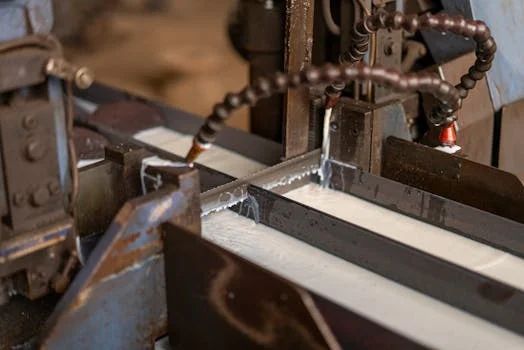
Sanitary screens for food-grade plants start with rotary mechanical bar screens that remove vegetable scraps, trimmings, and packaging before pumps. Openings of 3 mm to 10 mm catch gross solids that otherwise foul impellers and clog DAF sludge lines. Continuous rotation with automated raking keeps the deck clear during peak washdowns. A GX series rotary mechanical bar screen is typical upstream protection on meat, dairy, and produce drains.
After screening, DAF removes FOG and fine suspended solids. Air micro-bubbles of about 30–50 microns attach to FOG and float a skim layer. On meat and dairy feeds, DAF units commonly remove 90%+ of FOG and 80%+ of Total Suspended Solids (TSS) when coagulants and flotation pH are tuned to the waste stream. Cutting FOG before biology reduces scum on aeration tanks and lowers the organic load entering secondary treatment.
Secondary biological treatment for COD and BOD reduction
Secondary biological treatment reduces dissolved COD and BOD in clarified food effluent after solids and FOG removal. Process choice hinges on nitrogen load, footprint, and the discharge permit. Anoxic/Oxic (A/O) trains suit meat and dairy plants with ammonia and organic nitrogen. Denitrifiers convert nitrate to nitrogen gas in the anoxic zone; nitrifiers and heterotrophs work in the oxic zone. A/O systems typically reach 70–90% nitrogen removal and 85–95% BOD/COD removal when HRT, recycle, and dissolved oxygen are controlled.
Membrane Bioreactor (MBR) plants combine activated sludge with about 0.1 μm membrane separation in place of a secondary clarifier. Retained biomass supports higher Mixed Liquor Suspended Solids (MLSS) and a smaller tank volume—often about 60% less footprint than conventional activated sludge. Compact MBR systems for food effluent typically deliver >95% COD removal, >98% BOD removal, and near-complete TSS removal when membranes are cleaned on schedule. Effluent is often ready for sewer discharge or for polishing toward reuse.
Anaerobic digestion fits high-COD, warm streams such as slaughterhouse blood water, rendering condensate, or dairy whey when solids are already screened. Upflow anaerobic sludge blanket (UASB) or similar reactors cut COD load before aerobic polishing and generate biogas. Digesters need stable temperature, alkalinity, and FOG control; most food plants still keep a DAF or equalizer ahead of the reactor to avoid grease blanketing.
| Feature | Conventional Activated Sludge (e.g., A/O) | Membrane Bioreactor (MBR) |
|---|---|---|
| Core Mechanism | Suspended growth with gravity settling (clarifier) | Suspended growth with membrane filtration |
| Footprint | Larger (requires secondary clarifier) | Smaller (up to 60% reduction) |
| Effluent Quality (COD) | 85-95% removal, 100-250 mg/L typical effluent | >95% removal, <50 mg/L typical effluent |
| Effluent Quality (BOD) | 85-95% removal, 20-50 mg/L typical effluent | >98% removal, <10 mg/L typical effluent |
| Effluent Quality (TSS) | 70-90% removal, 20-50 mg/L typical effluent | >99% removal, <1 mg/L typical effluent |
| Sludge Production | Moderate | Higher (due to higher MLSS) |
| Operational Complexity | Moderate (clarifier management) | Moderate (membrane cleaning, aeration) |
| Nitrogen Removal | Good with A/O configuration (70-90%) | Excellent with anoxic zones (80-95%) |
How much does meat plant wastewater treatment cost?
Meat plant wastewater treatment cost is driven by live-weight throughput, FOG and blood load, and the discharge path. According to US EPA meat and poultry effluent guidelines (40 CFR Part 432), direct dischargers face production-based limits for BOD5, TSS, oil and grease, and fecal coliform. Larger slaughterhouses also face ammonia and total nitrogen limits. Indirect dischargers follow local sewer ordinances and surcharges keyed to BOD, TSS, and FOG mass.
CAPEX usually tracks equalization volume, DAF size, biological tank volume or MBR membrane area, and sludge dewatering. OPEX is dominated by power for aeration or membranes, coagulants and polymers, sludge hauling, and labor for CIP of screens and DAF. Plants producing about 15 tons/day of product should size anaerobic or aerobic stages on measured COD mass (kg/d), not on brochure hydraulic ratings. Use a wastewater treatment system sizing guide to convert production schedules into design flow and load before soliciting bids.
What drives anaerobic digester CAPEX and OPEX?
Anaerobic digester CAPEX and OPEX on a roughly 15 tons/day food line track reactor volume for peak COD, gas handling, and FOG pretreatment. Higher CAPEX items include the digester vessel, heating, and flare or CHP tie-in. Higher OPEX items include alkalinity chemicals, DAF float disposal, and downtime when grease or temperature swings stall methanogens. Aerobic polishing after the digester remains common when sewer or river limits require low residual BOD.
Tertiary treatment and the path to water reuse
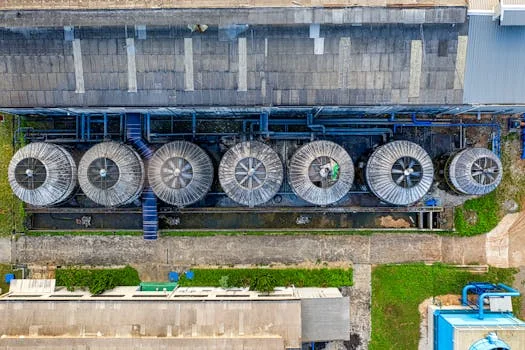
Tertiary treatment raises secondary effluent to reuse quality for cooling, boiler makeup, floor wash, or irrigation inside the plant. Ultrafiltration (UF) removes particles down to about 0.01–0.1 μm and prepares feed for reverse osmosis. Reverse Osmosis (RO) water purification can reject up to 99% of dissolved solids under design pressure and recovery, yielding low-salinity water for boilers or process makeup after disinfection. Pathogen control often uses chlorine dioxide (ClO2) for cooling towers and non-contact rinses because it covers a wide organism range and forms fewer classic chlorinated byproducts than free chlorine in many food-plant waters.
How do HACCP rules affect wastewater design?
HACCP rules affect wastewater design mainly through segregation and reuse boundaries. Treated water for food-contact or near-product zones needs validated quality specs, dedicated piping, and backflow prevention. CIP or floor drains must not contaminate process water. Non-food-contact reuse still needs microbial control and labeled lines. Keep sludge out of the food area: Plate and Frame Filter Presses commonly dewater DAF and biological sludge to about 25–45% dry solids, cutting haul volume.
Selection checklist and next step
Who this is for: plant engineers and EPC teams designing or upgrading meat, dairy, beverage, or produce pretreatment. Who should look elsewhere: facilities seeking only municipal sewer connection without on-site FOG or BOD control—local POTW rules may still force pretreatment. Before you buy steel, confirm these items:
- Peak and average flow (m3/d) plus COD, BOD, TSS, FOG, TN, TP, and pH from composite samples
- Discharge path: sewer ordinance versus direct NPDES / EPA categorical limits
- FOG and solids capture target ahead of biology (screen opening and DAF removal %)
- Footprint limit and whether MBR or conventional clarifiers fit the site
- Reuse goals and the UF/RO/disinfection train needed for each end use
- Sludge cake solids target and disposal route
- Seasonal or shift peaking that sets equalization volume
For a process train matched to your production schedule and permit, request a food-plant wastewater treatment quote with recent lab data and flow logs. The same load profile also frames the broader 7-step wastewater treatment process used across industrial plants.
Frequently Asked Questions
What is the most common method to treat liquid effluent in the food industry?
The most common train uses screening plus Dissolved Air Flotation (DAF) for FOG and TSS, then secondary biology such as activated sludge, A/O, or Membrane Bioreactor (MBR) for BOD and COD. DAF often removes 90%+ FOG on meat and dairy feeds when chemistry is tuned. Biology then targets dissolved organics that screens and flotation cannot capture. Tertiary UF/RO is added only when reuse or very tight permits require it.
How do you handle seasonal fluctuations in food processing wastewater?
Seasonal flow and load swings are buffered first with equalization tanks that dampen peaks before DAF and biology. Fruit, vegetable, and seasonal meat plants rely on this volume to avoid shock loads. PLC-controlled chemical dosing can track real-time influent quality during harvest peaks. Downstream reactors then run closer to steady hydraulic and organic loading, which protects sludge settleability and membrane flux.
What are the typical COD limits for food industry discharge?
Typical municipal sewer COD limits for food plants often fall between 100 mg/L and 250 mg/L. Sensitive direct discharges may require much lower values, such as under 50 mg/L COD. Exact numbers come from the local ordinance or NPDES permit. US meat and poultry rules (40 CFR Part 432) set many limits on a production basis (lb pollutant per 1,000 lb live weight killed). Design to the written permit and surcharge formula for the site.
What drives STP cost for food processing plants?
STP cost for food processing plants is set by COD and FOG mass, peak hourly flow, nutrient limits, and sludge disposal distance. Equalization, DAF, and biological volume dominate CAPEX; power, chemicals, and cake hauling dominate OPEX. Reuse with RO raises both capital and membrane replacement cost but can cut freshwater purchase. Accurate composite sampling before design prevents under-sized biology and chronic surcharge bills.
Related Equipment
HydropureWater offers products engineered for the wastewater challenges discussed above:
- DAF system for FOG removal — view specifications, capacity range, and technical data
Need a customized solution? Request a free quote with your specific flow rate and pollutant parameters.