Why Kalimantan Needs Modular Wastewater Treatment
Decentralized wastewater infrastructure in Kalimantan must account for an average annual rainfall of 2,000–4,000 mm, which significantly increases hydraulic surges in industrial drainage systems. Unlike the developed corridors of Java, Kalimantan’s remote industrial zones—ranging from coal mining operations in East Kalimantan to expansive palm oil plantations in Central Kalimantan—operate largely without access to centralized municipal sewer lines. This geographic isolation necessitates the deployment of standalone, modular wastewater treatment plants (WWTPs) that can be commissioned with minimal civil works. The regional tropical climate maintains influent temperatures between 30°C and 35°C; while this accelerates microbial activity, it also necessitates specialized aeration designs to prevent oxygen solubility drops that can lead to anaerobic pockets and odor issues.
The demand for integrated water-wastewater solutions is particularly evident in large-scale energy projects, such as the Asam-Asam power plant, where water scarcity and strict discharge regulations require high-performance treatment systems that can handle fluctuating loads. In these settings, traditional lagoon systems are often insufficient due to their large footprint and inability to meet modern environmental standards. Package plants provide a compact alternative that can be scaled as a project grows. During the monsoon season, the increased hydraulic loading in decentralized systems can overwhelm standard clarifiers, making the adoption of robust, automated package units essential for maintaining compliance. For engineers evaluating these sites, a compact underground package sewage treatment plant for 1–80 m³/h offers the necessary protection against environmental degradation while maintaining stable biological performance in high-humidity environments.
Core Technologies in Package Wastewater Plants
Biological treatment efficiency in package plants is primarily governed by the Food-to-Microorganism (F/M) ratio and the specific surface area available for biomass growth, which varies significantly between A/O and MBR configurations. The Anoxic/Aerobic (A/O) process is the baseline technology for most industrial sites in Indonesia, utilizing a two-stage biological tank to achieve 90–95% BOD removal and 80–85% Total Nitrogen (TN) removal. These systems are highly effective for domestic sewage from worker housing or light industrial runoff. However, for sites requiring high-purity discharge or water reuse, the Membrane Bioreactor (MBR) is the superior choice. A high-efficiency MBR system for reuse-quality effluent combines biological degradation with membrane filtration (typically 0.03 to 0.1 microns), delivering effluent with Total Suspended Solids (TSS) below 10 mg/L and Chemical Oxygen Demand (COD) below 20 mg/L. This results in a footprint approximately 60% smaller than conventional activated sludge plants because it eliminates the need for secondary clarifiers.
For industries in Kalimantan dealing with high oil and grease concentrations—such as palm oil mills or petrochemical facilities—Dissolved Air Flotation (DAF) is a critical pre-treatment or primary treatment step. A dissolved air flotation (DAF) machine can remove up to 95% of Fats, Oils, and Grease (FOG) and suspended solids, protecting downstream biological units from fouling. Disinfection is the final critical component; while chlorine dioxide (ClO₂) generators provide a consistent microbial kill and residual protection in long pipe runs, ozone (O₃) systems are increasingly favored for remote sites because they leave no chemical residue and do not require the transport of hazardous precursors. Engineers should consult a detailed MBR cost and performance analysis in tropical industrial settings to understand how these technologies perform under high-temperature influent conditions (HydropureWater field data, 2025).
| Technology Type | BOD Removal | TSS Output | Footprint Requirement | Primary Application |
|---|---|---|---|---|
| A/O (Anoxic/Aerobic) | 90–95% | < 30 mg/L | Moderate | Mining camps, general industrial parks |
| MBR (Membrane Bioreactor) | 98–99% | < 5 mg/L | Very Low | Water reuse, high-standard discharge |
| DAF (Dissolved Air Flotation) | 40–60% (as pre-treatment) | < 50 mg/L | Low | Palm oil (POME), food processing |
| SBR (Sequencing Batch Reactor) | 85–92% | < 30 mg/L | Moderate | Variable flow sites, small power plants |
Design Features for Kalimantan’s Industrial Sites
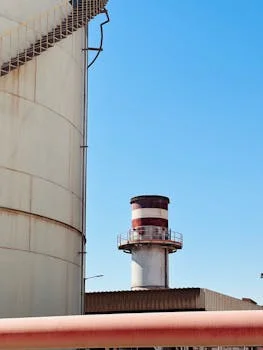
Modular wastewater units designed for the Indonesian archipelago utilize reinforced carbon steel with multi-layer epoxy coating or 304/316 stainless steel to withstand humidity levels consistently exceeding 80% and the corrosive effects of tropical rainfall. For sites where surface space is at a premium or aesthetic integration is required, the WSZ Series underground units (1–80 m³/h capacity) are the industry standard. These systems are buried beneath a layer of soil or landscaping, which provides natural thermal insulation for the biological process and protects the mechanical components from UV degradation and heavy monsoon downpours. The use of a compact underground package sewage treatment plant for 1–80 m³/h ensures that the facility remains operational without the need for extensive above-ground housing structures.
In contrast, containerized or trailer-mounted systems are preferred for mobile mining operations or developing plantations. These "plug-and-play" units are housed in standard ISO shipping containers, allowing for rapid deployment via Kalimantan’s river networks or logging roads with virtually no on-site civil works. These systems often feature fully automated PLC (Programmable Logic Controller) systems that enable remote monitoring and operation—a critical feature in regions where skilled wastewater technicians are scarce. High-quality sensors monitor dissolved oxygen (DO), pH, and turbidity in real-time, automatically adjusting aeration rates to save energy. The integration of a high-efficiency MBR system for reuse-quality effluent within a containerized frame provides the highest possible treatment density for remote sites with limited infrastructure.
Compliance with Indonesian Wastewater Standards
Indonesia’s Government Regulation (PP) No. 22 of 2021 establishes stringent effluent thresholds for industrial activities, requiring 90% or greater removal efficiency for most organic pollutants to protect the nation's water bodies. For general industrial discharge, the regulation mandates maximum limits of 100 mg/L for BOD, 150 mg/L for COD, 50 mg/L for TSS, and 5 mg/L for Ammonia-Nitrogen (NH₃-N). While standard biological systems can meet these limits under ideal conditions, the fluctuating influent loads typical of Kalimantan's mining and agricultural sectors often require the advanced filtration provided by MBR or chemical-enhanced pre-treatment. For example, palm oil mill effluent (POME) requires a dissolved air flotation (DAF) machine to reduce FOG levels to below the legal 30 mg/L limit before biological secondary treatment can be effective.
Compliance also involves rigorous monitoring and reporting protocols dictated by the Ministry of Environment and Forestry (KLHK) and the Ministry of Energy and Mineral Resources (ESDM). Modern package plants must include automatic sampling ports and digital logging capabilities to satisfy these regulatory bodies. In many cases, the use of a high-performance chlorine dioxide generator is necessary to ensure that fecal coliform levels remain below 3000 MPN/100mL, particularly for plants discharging near community water sources. For a broader perspective on regional standards, engineers may refer to a comparative buyer’s guide for Southeast Asian industrial WWTPs to see how Indonesian standards align with neighboring jurisdictions.
| Parameter | PP 22/2021 Limit (Industrial) | Typical A/O Output | Typical MBR Output |
|---|---|---|---|
| BOD (mg/L) | 100 | 15–25 | < 5 |
| COD (mg/L) | 150 | 40–60 | < 20 |
| TSS (mg/L) | 50 | 20–30 | < 2 |
| Ammonia (mg/L) | 5 | 1–3 | < 1 |
| Oil & Grease (mg/L) | 30 | < 10 (with DAF) | < 2 |
Cost Comparison: CAPEX, OPEX, and ROI
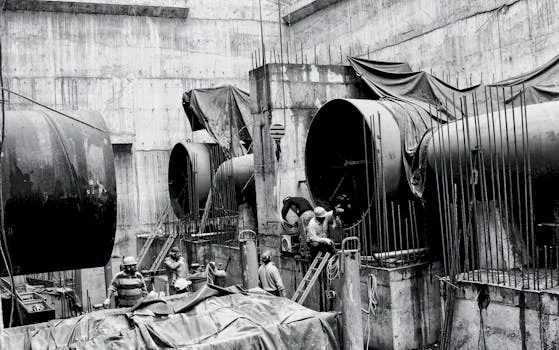
The total cost of ownership for an industrial package WWTP in Indonesia is determined by the intersection of initial capital expenditure and the long-term energy intensity of the aeration system. For a standard 10 m³/h A/O package plant, the CAPEX typically ranges around $25,000, with an annual OPEX of approximately $1,200 covering electricity and basic maintenance. In contrast, a 50 m³/h MBR system involves a higher CAPEX of roughly $95,000 due to the cost of membrane modules and sophisticated control systems. However, the MBR's OPEX of $4,500 per year includes the sinking fund for membrane replacement every 5–7 years but offers significant savings if the treated water is recycled for cooling towers or irrigation. Procurement managers should review a compact sewage treatment unit cost and price 2025 guide for a more granular breakdown of pricing tiers.
Return on Investment (ROI) is increasingly driven by the rising cost of industrial water in hubs like Samarinda and Balikpapan. Plants equipped with MBR technology can recover 30–40% of their total water costs by replacing raw water intake with high-quality recycled effluent. For DAF systems, which are essential in the palm oil sector, a 30 m³/h unit costs approximately $60,000 with an OPEX of $3,000 per year, primarily driven by chemical coagulant and flocculant consumption. To optimize these costs, many operators integrate a precision chemical dosing system to minimize waste. Typically, the ROI for a high-efficiency package plant in Kalimantan is achieved within 2.5 to 4 years, depending on the local cost of water and the stringency of environmental fines avoided through consistent compliance.
| System Type (Capacity) | Estimated CAPEX (USD) | Annual OPEX (USD) | ROI Period (Years) |
|---|---|---|---|
| A/O Package (10 m³/h) | $15,000 – $30,000 | $1,000 – $1,500 | 3.5 – 4.5 |
MBR System (
Get a Free Quote — Tell Us About Your Project
Contact Us
|