The Crisis of Untreated Industrial Wastewater in KPK
Industrial wastewater treatment in KPK Pakistan remains critically underdeveloped—only 1% of industrial effluent is treated nationwide. In Gadoon Amazai, Swabi, untreated discharge contains hazardous levels of chromium, lead, and cadmium, posing serious health and environmental risks. Effective solutions include DAF systems for oil and solids removal, MBR for high-quality effluent, and chemical dosing for heavy metal precipitation, especially for small to mid-sized industrial units lacking access to centralized treatment.
The Gadoon Amazai Industrial Estate (GAIE) in Swabi serves as a stark case study for the environmental toll of rapid industrialization without corresponding infrastructure. Research published in ScienceDirect highlights that this cluster, once a beacon of economic hope, has become a documented pollution hotspot. Because the estate lacks a functional centralized effluent treatment plant (CETP), hundreds of units discharge raw process water into local drains. This untreated effluent is frequently diverted by local farmers for irrigation, a practice that introduces toxic elements directly into the food chain.
Data from environmental assessments in the region confirm that heavy metals, including Chromium (Cr), Lead (Pb), and Cadmium (Cd), consistently exceed both World Health Organization (WHO) and Pakistan Environmental Protection Agency (EPA) limits. For industrial managers, this represents a significant liability. The contamination of soil and groundwater in the Swabi and Mardan districts has led to documented dermal and ingestion health risks for surrounding populations. As groundwater tables decline and surface water becomes increasingly toxic, the need for industrial wastewater solutions for mid-sized cities and industrial clusters becomes a matter of operational survival rather than just regulatory box-ticking.
The environmental degradation extends beyond the immediate vicinity of the factories. The direct discharge of high-COD (Chemical Oxygen Demand) and high-BOD (Biochemical Oxygen Demand) water into the Kabul and Indus river tributaries has decimated local aquatic ecosystems. According to the Global Methane Initiative (2020), the absence of functional treatment infrastructure in KPK means that nearly all industrial organic loads contribute to anaerobic decomposition in open drains, releasing significant greenhouse gases and foul odors that impact the quality of life in neighboring residential areas.
Common Pollutants in KPK Industrial Effluent
Textile and tannery industries in KPK discharge high levels of Cr(VI), sulfides, and COD, often exceeding National Environmental Quality Standards (NEQS) by 500% or more. Identifying the specific chemical profile of a facility's discharge is the first step in selecting a viable treatment train. In the Peshawar and Nowshera industrial zones, textile units are primary contributors of synthetic dyes and heavy metals used in fixing agents. These pollutants are not only toxic but also highly resistant to natural degradation, requiring specialized chemical intervention.
Food processing and pharmaceutical units, particularly those clustered near Hattar and Hayatabad, contribute high concentrations of BOD, fats, oils, and grease (FOG), and suspended solids. A typical food processing plant in KPK may produce effluent with COD levels ranging from 500 to 2,000 mg/L and BOD levels between 300 and 800 mg/L. Without a high-efficiency DAF system for oil and solids removal, these organic loads quickly overwhelm local drainage systems, leading to blockages and septic conditions.
Metal plating and engineering workshops, though often smaller in scale, release some of the most dangerous contaminants: Lead (Pb), Zinc (Zn), and Nickel (Ni). These metals appear in both soluble and particulate forms. Field data from mixed industrial drains in KPK shows Total Suspended Solids (TSS) levels frequently hovering between 200 and 600 mg/L. For these contaminants, simple sedimentation is insufficient; pH adjustment and chemical precipitation are required to transform dissolved metals into a solid sludge that can be safely separated and disposed of in accordance with hazardous waste protocols.
Why Centralized Treatment Fails in KPK
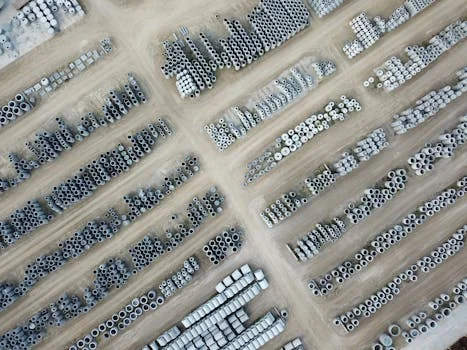
Islamabad has three municipal treatment plants, but only one is currently functional; similarly, Lahore’s grit removal systems are largely non-operational. This national trend of infrastructure failure is even more pronounced in Khyber Pakhtunkhwa. Despite the high concentration of industrial activity in Swabi, Peshawar, and Nowshera, no centralized industrial wastewater treatment plant currently exists in the province. This leaves individual factory owners with the sole responsibility of managing their waste, often without the technical guidance or space required for traditional large-scale systems.
The institutional gaps in KPK are significant. While the National Environmental Quality Standards (NEQS) provide a legal framework for discharge limits, enforcement is hampered by a lack of monitoring equipment and underfunded local EPA offices. This creates a "tragedy of the commons" where individual units discharge into shared drains, leading to a cumulative environmental impact that no single factory feels responsible for. However, as international buyers and local regulators increase pressure for "green" manufacturing, the lack of centralized infrastructure is becoming a trade barrier for KPK-based exporters.
Industrial clusters in the province operate without mandatory pre-treatment requirements, which would typically be the prerequisite for entering a centralized sewer. In the absence of these sewers, on-site treatment is the only path to compliance. Many SMEs in KPK hesitate to invest in treatment due to perceived costs, yet the long-term risks—including legal fines, factory closures, and the loss of irrigation water for the local community—far outweigh the initial capital expenditure of modular, on-site systems. Relying on future government projects is a high-risk strategy; the 2025 outlook suggests that decentralized, factory-level treatment will remain the primary mode of compliance for the foreseeable future.
Effective On-Site Treatment Technologies for KPK Industries
Dissolved Air Flotation (DAF) systems remove 90–95% of FOG and suspended solids, making them critical for the food, textile, and pharmaceutical effluent common in KPK. These systems work by injecting micro-bubbles into the wastewater, which attach to solid particles and float them to the surface for mechanical skimming. For a mid-sized unit in Gadoon Amazai producing 50 to 100 m³/h of effluent, a compact DAF unit provides a footprint-efficient way to meet TSS and oil/grease standards before the water ever leaves the site.
For industries requiring higher water quality—either for environmental compliance in sensitive areas or for internal process reuse—the Membrane Bioreactor (MBR) is the gold standard. A compact MBR system for high-quality effluent and water reuse achieves greater than 99% BOD and COD removal. By combining biological treatment with membrane filtration, MBR systems eliminate the need for large secondary clarifiers, which is a major advantage for space-constrained factories in Peshawar’s industrial estates. These systems produce water clear enough for cooling towers or irrigation, directly addressing the water scarcity issues facing the province.
Heavy metal removal requires a chemical approach. Automatic chemical dosing systems utilize coagulants like Ferric Chloride (FeCl₃) and various flocculants to precipitate metals like Chromium and Lead out of the solution. In a typical KPK industrial setup, the process follows a modular sequence: primary screening to remove large debris, followed by DAF for solids/oil removal, then MBR for organic degradation, and finally chemical dosing for specific metal polishing. This integrated approach ensures that even the most complex effluent from a mixed-use industrial zone can meet NEQS limits.
| Technology | Primary Target Pollutants | Removal Efficiency | Typical Flow Rates |
|---|---|---|---|
| DAF (Dissolved Air Flotation) | FOG, TSS, Insoluble COD | 90–95% | 4–300 m³/h |
| MBR (Membrane Bioreactor) | BOD, Soluble COD, Bacteria | >99% | 10–2,000 m³/day |
| Chemical Dosing | Cr, Pb, Cd, Phosphorus | 95–98% | 50–5,000 L/h |
| Activated Carbon | Trace Organics, Color, Odor | 80–90% | Varies by bed size |
Technology Comparison for Industrial Applications
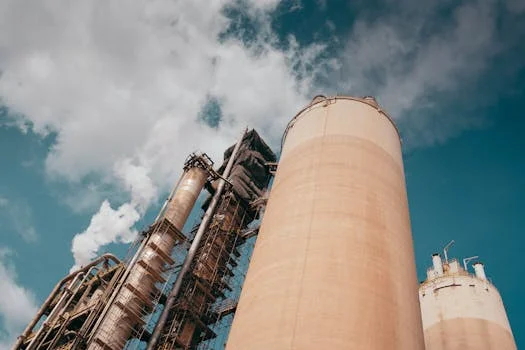
Selecting the right technology depends on a balance of removal efficiency, capital expenditure (CAPEX), and operational complexity. For many textile units in Swabi, a combination of DAF and chemical dosing offers the best ROI. While DAF handles the heavy lifting of solids and oils, chemical dosing targets the specific dyes and metals that cause regulatory non-compliance. This setup is generally more affordable and easier to maintain for local staff than a full-scale biological plant.
In contrast, pharmaceutical and food processing plants often face stricter BOD limits. Here, the MBR outperforms traditional sedimentation tanks by a wide margin. While the initial cost and membrane maintenance requirements are higher, the ability to reuse treated water provides a significant hedge against rising water costs in KPK. A data-driven comparison of sedimentation vs DAF and clarifiers shows that for modern industrial applications, the smaller footprint and higher reliability of MBR and DAF systems make them the preferred choice over older, land-intensive lagoon or sedimentation systems.
| Criteria | DAF System | MBR System | Chemical Dosing |
|---|---|---|---|
| Footprint | Small/Modular | Very Compact | Minimal (Skid-mounted) |
| CAPEX | Moderate | High | Low to Moderate |
| OPEX (Energy/Chem) | Moderate | High (Energy) | High (Chemicals) |
| Maintenance | Low (Mechanical) | Moderate (Membranes) | Low (Sensor calibration) |
| Best For | Textile, Food, Oil/Gas | Pharma, Reuse, High BOD | Tanneries, Metal Plating |
Frequently Asked Questions
How much does industrial wastewater treatment cost in Pakistan?
Costs range from $20,000 for small DAF units (10 m³/h) to $500,000+ for full MBR plants (500 m³/day). For more detailed pricing on specific components, see our chemical dosing system cost guide or our compact unit pricing guide.
What is industrial wastewater treatment?
It is the process of removing hazardous contaminants—including heavy metals, oils, dyes, and organic matter—from industrial process water to ensure it meets safety standards before being discharged into the environment or reused within the facility.
Which treatment system is best for textile units in KPK?
A combination of DAF for oil and solids removal followed by a chemical dosing system for Chromium (Cr) reduction and color removal is the most effective and compliant solution for KPK’s textile sector.
Are there any functional wastewater treatment plants in KPK?
Currently, there are no centralized industrial wastewater treatment plants operating in KPK. Individual industries are responsible for installing and maintaining their own on-site treatment systems to meet NEQS regulations.
Can treated wastewater be reused in KPK industries?
Yes. By utilizing MBR and Reverse Osmosis (RO) technologies, industries can recover 70–95% of their wastewater for non-potable uses such as boiler feed, cooling towers, and site irrigation, significantly reducing fresh water extraction.