What Is a Fabric Filter Dust Collector and How Does It Work?
A fabric filter dust collector, commonly known as a baghouse, is an industrial air pollution control device that utilizes permeable filter media to capture particulate matter from exhaust gases. This process relies on both surface filtration, where dust accumulates on the exterior of the filter bag, and depth filtration, where smaller particles are trapped within the filter media's matrix. For continuous industrial operations, particularly those involving coal-fired boilers and furnaces, effective dust removal without process interruption is paramount. This is achieved through advanced cleaning mechanisms. The pulse jet cleaning method, prevalent in high-efficiency industrial applications, employs short, high-pressure bursts of compressed air (typically ranging from 0.2 to 0.4 MPa) directed into the filter bags. These bursts generate a shockwave that dislodges the accumulated dust cake, allowing it to fall into a collection hopper below. This cleaning cycle is automated and occurs periodically, ensuring that the system's pressure drop remains within optimal operating parameters without requiring the system to be taken offline. The filtration velocity, a critical design parameter, typically ranges from 1.0 to 1.5 meters per minute, with the specific value influenced by factors such as dust loading characteristics, gas temperature, and the chosen fabric filter media type. While other cleaning methods like reverse air and shaker mechanisms exist, the pulse jet system's efficiency and suitability for demanding industrial environments have made it the dominant choice for flue gas particulate control.
Engineering Design of the ZSDM Series Pulse Jet Baghouse
The HydropureWater ZSDM Series pulse jet baghouse is engineered with specific innovations to address the rigorous demands of industrial dust collection, particularly for coal-fired boilers and furnaces. Its low-pressure, long-bag design leverages optimized airflow dynamics and more efficient pulse energy transfer, reducing compressed air consumption by up to 30% compared to conventional pulse cleaning systems. This results in lower operational energy costs and reduced wear on critical components. The modular steel construction allows scalable deployment for gas flow rates from 5,000 to 100,000 cubic meters per hour. This modularity simplifies installation, reduces site footprint, and supports future capacity expansion. To protect filter media during transient conditions such as boiler startup or temperature excursions above 180°C, an integrated bypass damper automatically diverts hot flue gas away from the filter bags, preventing thermal damage and extending bag life. The ZSDM Series uses robust stainless steel cages with anti-corrosion coating to ensure structural integrity and longevity, especially in high-moisture flue gas environments prone to condensation and corrosion. The dust collection hopper is designed for reliable material handling, featuring integrated acoustic level sensors to monitor dust accumulation and strategically placed vibrators to ensure consistent discharge and prevent bridging or blockages.
| Component/Feature | Specification/Benefit | Impact |
|---|---|---|
| Cleaning Mechanism | Low-Pressure Long-Bag Pulse Jet | Up to 30% reduction in compressed air consumption |
| Construction | Modular Steel | Scalable from 5,000 to 100,000 m³/h; simplified installation |
| Bag Protection | Integrated Bypass Damper | Prevents bag burnout during boiler startup/temperature spikes (>180°C) |
| Filter Cage Material | Stainless Steel with Anti-Corrosion Coating | Enhanced durability in high-moisture environments; extended bag life |
| Hopper Discharge | Acoustic Level Sensors & Vibrators | Reliable dust removal; prevents bridging and blockages |
For detailed technical specifications and customization options, please visit our product page: high-efficiency pulse jet baghouse dust collector with <10 mg/Nm³ emissions.
Performance Specifications and Compliance Standards
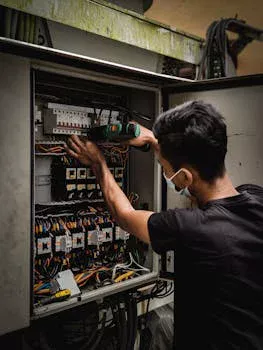
The ZSDM Series pulse jet baghouse from HydropureWater consistently achieves particulate emission levels below 10 mg/Nm³, meeting U.S. EPA New Source Performance Standards (NSPS) Subpart Dc for coal-fired boilers. It also complies with the European Union's Industrial Emissions Directive 2010/75/EU and adheres to BAT-AEL guidelines for large combustion plants, ensuring global regulatory alignment. Standard configurations operate within a temperature range of 80°C to 180°C, suitable for most coal-fired boiler applications. Optional PTFE membrane filters extend operational capability to over 200°C, accommodating higher-temperature industrial furnace conditions. The system maintains a pressure drop below 1,500 Pascals after each cleaning cycle. This optimized pressure drop reduces energy demand on induced draft fans, delivering significant energy savings and lower operating costs over the system's lifecycle. Combined ultra-low emissions, broad operating parameters, and energy efficiency define the ZSDM Series' performance and compliance profile.
For detailed technical specifications and customization options, please visit our product page: high-efficiency pulse jet baghouse dust collector with <10 mg/Nm³ emissions.
Filter Media Options and Bag Life Optimization
The selection of fabric filter media directly affects the performance, lifespan, and cost-effectiveness of an industrial dust collector. The ZSDM Series supports multiple standard media types tailored to specific operating conditions. Polyester provides a cost-effective solution for general-purpose dust collection up to 130°C. Polypropylene Sulfide (PPS), also known as Ryton, offers higher temperature resistance up to 190°C and improved chemical stability. For aggressive chemical environments or elevated temperatures, P84 (polyimide) maintains thermal stability up to 240°C. For the most extreme conditions, fiberglass bags with PTFE coating deliver chemical resistance and temperature tolerance up to 260°C. Media selection depends on flue gas chemistry, temperature, and particulate characteristics. HydropureWater also offers specialized PTFE membrane filters, which reduce initial dust penetration and improve dust cake release during cleaning. This enhanced release improves filtration efficiency and extends bag life by 2 to 3 years, especially in environments prone to blinding or sticky dust. Under typical conditions with proper media selection, ZSDM Series filter bags last 3 to 5 years. Premature failure is often caused by acid dew point corrosion from condensed acidic flue gas components or localized hot spots exceeding media thermal limits.
Comparison of Fabric Filter Systems: ZSDM vs. Market Alternatives
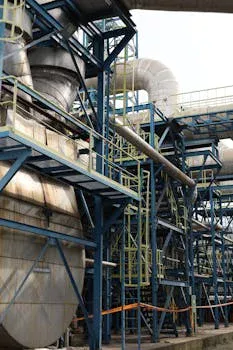
The HydropureWater ZSDM Series outperforms typical market alternatives in performance, durability, and total cost of ownership. While standard baghouse systems often emit 15 to 30 mg/Nm³ without upgrades, the ZSDM Series consistently achieves emissions below 10 mg/Nm³, meeting strict regulatory requirements without additional enhancements. Its modular design accelerates installation, reducing time by up to 40% compared to traditional field-welded systems, minimizing labor costs and site disruption. The low-pressure pulse cleaning technology consumes 25–30% less compressed air than conventional systems, lowering electricity use and reducing strain on plant air infrastructure. Integrated bypass dampers and advanced temperature monitoring protect against bag burnout during operational transients. This design enhances system reliability, reduces unplanned downtime, and decreases the frequency of costly bag replacements.
| Feature | HydropureWater ZSDM Series | Typical Market Alternatives |
|---|---|---|
| Particulate Emissions | < 10 mg/Nm³ | 15–30 mg/Nm³ (without upgrades) |
| Installation Time | 40% faster (modular design) | Standard (field-welded) |
| Compressed Air Consumption | 25–30% lower (low-pressure pulse) | Standard |
| Bag Protection | Integrated bypass damper & temperature monitoring | Basic or manual bypass |
| System Durability | Enhanced against transients | Standard |
For detailed technical specifications and customization options, please visit our product page: high-efficiency pulse jet baghouse dust collector with <10 mg/Nm³ emissions.
Frequently Asked Questions
- What emission level does the ZSDM Series achieve?
The ZSDM Series consistently achieves particulate emissions below 10 mg/Nm³, which is compliant with stringent U.S. EPA and European Union environmental standards. - Can the system handle high-moisture flue gas?
Yes, the ZSDM Series is designed to handle high-moisture flue gas. It incorporates corrosion-resistant materials and offers optional heated hoppers to prevent condensation and mitigate acid dew point corrosion. - Is remote monitoring available for the system?
Yes, optional PLC integration with SCADA systems is available. This allows for real-time monitoring of critical parameters such as differential pressure, temperature, and cleaning cycle status, enabling proactive maintenance and operational adjustments. - What industries is the ZSDM Series primarily designed for?
The ZSDM Series is engineered for a range of heavy industrial applications, including coal-fired boilers, industrial furnaces, cement kilns, and metal processing operations where effective flue gas particulate control is essential. - How often do filter bags typically need replacement?
Under normal operating conditions and with proper maintenance, filter bags in the ZSDM Series are expected to last between 3 to 5 years. Bag life is continuously monitored via differential pressure trends, which indicate when cleaning efficiency is declining and replacement may be necessary. For insights into maximizing bag life and system uptime, consult our industrial baghouse maintenance best practices for peak efficiency.