Understanding Coagulant Dosing Systems: Components & Function
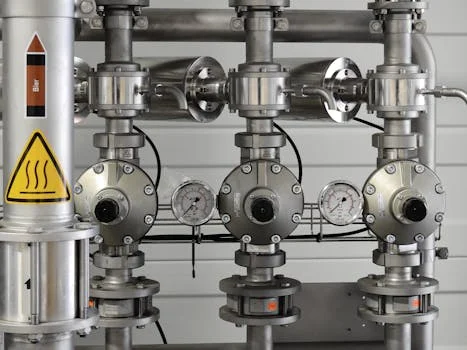
A coagulant dosing system is a critical component in industrial wastewater treatment, designed to precisely introduce chemical coagulants into a water stream. Its primary role is to facilitate the coagulation and flocculation process, which effectively removes suspended solids (TSS), oils, greases (FOG), and other particulate matter that contribute to turbidity and pollution. This process is fundamental for preparing wastewater for subsequent treatment stages, such as dissolved air flotation (DAF) or filtration. Key components of a typical coagulant dosing system include:- Dosing Pumps: These are the heart of the system, responsible for delivering a precise volume of coagulant. Common types include:
- Hydraulic Dosing Pumps: Also known as hydraulically actuated diaphragm pumps, they use hydraulic pressure to drive a diaphragm, offering robust and consistent flow.
- Peristaltic Pumps: These hose pumps move fluids by mechanically compressing a flexible tube with rollers, ideal for viscous chemicals or those with suspended solids.
- Servo Pumps: Electric motor-driven, servo pumps provide highly precise chemical injections using a calibrated rotor and stator mechanism, often used where exact volumetric control is paramount.
- Solenoid Dosing Pumps: Featuring a compact design, these pumps use an electromagnetic coil's push stroke to move a diaphragm, offering flow adjustment and corrosion resistance.
- Chemical Storage Tanks: These hold the concentrated or diluted coagulant solutions. They vary in material (HDPE, fiberglass, stainless steel) and volume based on consumption rates.
- Mixers & Agitators: Mounted on storage tanks, these ensure chemicals are properly dissolved or kept in suspension, maintaining consistent concentration for dosing.
- Piping & Valves: A network of pipes, fittings, and valves guides the chemical from the storage tank to the injection point. Material selection is crucial for chemical compatibility.
- Instrumentation: Sensors like pH meters, ORP (Oxidation-Reduction Potential) probes, and flow meters provide real-time data on water quality and chemical flow, enabling adjustments.
- Control Panels: These house the system's logic, from simple manual controls to advanced Programmable Logic Controllers (PLCs) and Human-Machine Interfaces (HMIs). They interpret sensor data and control pump speed or duration to achieve precise chemical injection, often utilizing 4-20mA signal control for integrated automation.
Coagulant Dosing System Cost Breakdown: CAPEX & OPEX
A comprehensive understanding of a coagulant dosing system's true financial scope requires a detailed breakdown of both its Capital Expenditure (CAPEX) and Operational Expenditure (OPEX). Initial purchase prices are only one part of the total cost of ownership.CAPEX (Capital Expenditure)
Initial investment costs for a coagulant dosing system cover the purchase and installation of all physical components.- Dosing Pumps: The type, capacity, and material of the dosing pump significantly influence its cost. For instance, a basic diaphragm pump structure for a 20 LPH flow rate might start around US$4,700, while larger capacity, higher-pressure, or corrosion-resistant stainless steel pumps can easily cost several times more. Peristaltic pumps, ideal for viscous chemicals, also vary widely based on flow rate and material.
- Chemical Storage Tanks: Costs depend on material (e.g., HDPE for basic chemicals, fiberglass for stronger acids, stainless steel for corrosive or high-purity applications), volume, and any specialized linings or secondary containment requirements. Larger volumes and higher-grade materials increase prices.
- Mixers & Agitators: The price of mixers is determined by motor power (to handle chemical viscosity), material of construction (corrosion resistance), and impeller design. More powerful motors and specialized materials for aggressive chemicals will incur higher costs.
- Piping & Valves: The choice of material (e.g., PVC for mild solutions, CPVC for higher temperatures, stainless steel for harsh chemicals) and the complexity of the piping network (length, number of valves, specialized fittings) directly impact costs.
- Control System: A basic manual control system is the least expensive. However, advanced PLC-controlled systems with HMIs, integrated instrumentation (such as pH sensors, ORP sensors, and flow meters), and capabilities for 4-20mA signal control for precise, automated chemical injection represent a significant investment, offering greater precision and reduced labor.
- Skid-Mounting & Fabrication: Pre-assembled, factory-tested skid-mounted units, such as HydropureWater's precision chemical dosing systems, offer significant advantages in terms of reduced installation time and guaranteed integration. While a basic chemical dosing skid might range from US$700 to US$7,800, more complex, multi-chemical, or high-capacity skids can be substantially more expensive. These costs cover the frame, assembly, and internal piping/wiring.
- Installation & Commissioning: These costs include labor for site preparation, physical installation of the system, electrical wiring, plumbing connections, and initial system calibration and testing. Complexity of integration with existing plant infrastructure can also influence these costs.
OPEX (Operational Expenditure)
Ongoing costs are crucial for assessing the total cost of ownership over the system's lifespan.- Chemical Costs: This is often the largest operational expense. The 'price of 5 liter dosing chemical' is highly variable depending on the specific coagulant (e.g., PAC, ferric chloride (FeCl3), aluminum sulfate), concentration, and supplier. Bulk purchasing can reduce per-unit costs, but overall consumption rates, driven by wastewater characteristics and dosing precision, dictate the total expenditure.
- Power Consumption: Relates directly to the size and continuous operation of pump motors, mixers, and control systems. Larger systems and those with high-power mixers consume more electricity.
- Maintenance & Spares: Regular maintenance, including replacement of wear parts like pump diaphragms, seals, and calibration of sensors, is essential. Industrial equipment requires adherence to typical maintenance schedules to ensure longevity and consistent performance.
- Labor: Costs associated with operator oversight, routine checks, chemical replenishment, and troubleshooting. Automated systems can reduce labor requirements compared to manual systems.
| Cost Category | Examples / Factors Influencing Cost | Typical Cost Impact |
|---|---|---|
| CAPEX: Dosing Pumps | Type (Peristaltic, Diaphragm, Servo), Capacity (20 LPH vs. 200 LPH), Material (PVC vs. SS) | US$2,000 - US$20,000+ per pump |
| CAPEX: Chemical Storage Tanks | Material (HDPE, Fiberglass, SS), Volume (100L vs. 5,000L), Secondary Containment | US$500 - US$15,000+ per tank |
| CAPEX: Control System | Manual, Semi-auto (4-20mA), Fully PLC/SCADA, HMI, Instrumentation | US$1,000 - US$30,000+ |
| CAPEX: Skid-Mounting & Fabrication | Standardized vs. Custom, Material of frame, Pre-assembly complexity | US$700 - US$7,800+ for basic skids |
| CAPEX: Installation & Commissioning | Labor rates, Site complexity, Electrical/Plumbing integration | 10-25% of equipment cost |
| OPEX: Chemical Costs | Coagulant type (PAC, FeCl3), Concentration, Consumption rate, Bulk pricing | Significant, often 50-70% of total OPEX |
| OPEX: Power Consumption | Pump motor size, Mixer power, Operating hours | Moderate, varies with system size and run time |
| OPEX: Maintenance & Spares | Diaphragms, Seals, Calibration fluids, Wear parts | 5-15% of initial CAPEX annually |
| OPEX: Labor | Operator time for monitoring, refilling, routine checks | Varies based on automation level and plant staffing |
Key Factors Influencing Coagulant Dosing System Pricing
- Capacity & Flow Rate: Higher required flow rates, whether expressed in m³/h for the overall wastewater stream or LPH (liters per hour) for chemical dosing, necessitate larger and more powerful pumps, tanks, and associated piping. For example, a system designed to treat up to 300 m³/h for DAF systems will require a significantly more robust and expensive dosing system than one for a smaller pilot plant.
- Precision & Control: The level of automation and control directly impacts cost. Basic systems rely on manual adjustments. More advanced systems integrate PLCs (Programmable Logic Controllers), SCADA (Supervisory Control and Data Acquisition) systems, and feedback loops from real-time sensors (e.g., pH, ORP, turbidity). Systems capable of 4-20mA signal control for dynamic, precise chemical injections based on influent quality are more expensive but offer superior performance and chemical savings.
- Materials of Construction: The chemicals being dosed dictate the required corrosion resistance of all wetted parts. Standard PVC or HDPE components are suitable for milder solutions, but corrosive coagulants like ferric chloride often require more expensive materials such as stainless steel (SS304, SS316) or specialized plastics like PTFE and PVDF for pumps, piping, and tanks.
- Customization vs. Standardized Units: Standardized, modular, or skid-mounted units are generally more cost-effective due to economies of scale in manufacturing and simpler installation. Highly customized systems, designed for unique space constraints, specific chemical requirements, or complex integration with existing infrastructure, will incur higher engineering, fabrication, and assembly costs compared to HydropureWater's standardized skid-mounted units.
- Certification & Compliance: Systems requiring specific international certifications (e.g., CE certification for European markets), or adherence to stringent industry regulations (e.g., pharmaceutical, food & beverage), will have higher costs due to additional testing, documentation, and material traceability requirements.
- Brand & Manufacturer: Established manufacturers with a reputation for quality, reliability, extensive R&D, and robust after-sales support often have higher pricing. This premium typically includes better warranty terms, readily available spare parts, and expert technical assistance, which can reduce long-term operational risks.
- Ancillary Equipment: The inclusion of additional safety features like safety showers, eye wash stations, spill containment bunds, remote monitoring capabilities, or specialized transfer pumps for bulk chemical delivery will add to the overall system cost.
Choosing the Right Coagulant Dosing System: A Buyer's Framework
Selecting the optimal coagulant dosing system requires a structured approach that balances initial investment with long-term operational efficiency. Procurement managers and project engineers should consider the following framework to make an informed decision.- Assess Wastewater Characteristics: Begin by thoroughly analyzing the influent wastewater. Key parameters include turbidity (e.g., surface water can have up to 3,000 mg/L), pH, Total Suspended Solids (TSS), and Fats, Oils, and Greases (FOG) content. These characteristics will determine the type and quantity of coagulant needed, and thus the system's capacity and material requirements.
- Define Dosing Requirements: Specify the exact coagulant type (e.g., PAC, FeCl3, Alum), its concentration, and the target dosing rate. Consider if the system needs to dose chemicals for DAF systems or other specific processes. This directly dictates pump capacity (LPH) and storage tank volume.
- Evaluate System Scale & Footprint: Determine the available space at your facility for chemical storage tanks and skid-mounted units. A compact, integrated design might be crucial for constrained sites, influencing the choice between modular and custom solutions.
- Consider Automation Level: Decide on the desired level of operational control. Manual systems are simpler but demand more operator intervention. Semi-automatic systems with basic feedback loops offer more control, while fully PLC-controlled operations provide the highest precision, integrate seamlessly with plant SCADA systems, and minimize labor, often leading to better chemical efficiency.
- Material Compatibility: Crucially, ensure that all wetted parts of the dosing system (pumps, piping, tanks, seals) are chemically compatible and resistant to the specific coagulants and their concentrations being used. Failure to do so can lead to premature equipment failure, leaks, and safety hazards.
- Total Cost of Ownership (TCO): Look beyond the initial CAPEX. Factor in the long-term OPEX, including chemical consumption, power usage, routine maintenance, and labor costs over the system's projected lifespan. A slightly higher CAPEX for a more precise or durable system can often lead to substantial savings in TCO.
- Supplier Support & Service: Prioritize suppliers who offer robust after-sales support, readily available spare parts, and expert technical assistance. Reliable support minimizes downtime and ensures the system operates efficiently throughout its life cycle. For example, a well-maintained DAF system for efficient solids removal relies heavily on consistent chemical dosing, making supplier support for the dosing system critical.
| Decision Criterion | Key Considerations for Selection | Impact on System Choice & Cost |
|---|---|---|
| Wastewater Characteristics | Turbidity (e.g., >500 mg/L), pH range, TSS, FOG content | Determines coagulant type, required dosing rate, and material compatibility. Higher contamination usually means larger capacity, more robust system. |
| Dosing Precision Needs | Constant vs. variable flow, regulatory limits, chemical cost sensitivity | Manual (low precision, low cost) vs. 4-20mA signal control/PLC (high precision, higher cost, chemical savings). |
| Chemical Aggressiveness | Corrosivity of coagulant (e.g., FeCl3 vs. Alum) | Material of construction (PVC/HDPE for mild, SS/PTFE for aggressive). Higher grade materials increase cost. |
| Available Footprint | Space constraints for tanks and skid-mounted units | Compact, integrated skid-mounted solutions (higher CAPEX for integration) vs. component-based (lower CAPEX, higher installation complexity). |
| Operational Budget (OPEX) | Long-term chemical costs, power, maintenance, labor | Justifies investment in higher CAPEX for automation and precision to reduce chemical and labor OPEX. |
ROI & Long-Term Value of Precision Dosing
Frequently Asked Questions
What is the average cost of an industrial coagulant dosing system?
The average cost for a standard skid-mounted industrial coagulant dosing system typically ranges from US$2,500 to US$25,000, with highly customized or large-capacity systems potentially exceeding US$100,000.
How do dosing pump types (e.g., peristaltic vs. solenoid) affect the system price?
Dosing pump types affect price based on their precision, flow range, material compatibility, and complexity. Solenoid pumps are often more economical for lower flows and pressures, while peristaltic pumps can handle viscous liquids and slurries but may have higher maintenance for hose replacement. Hydraulic or servo-driven pumps offer superior precision and robustness for demanding applications, leading to higher costs.
What are the main operational costs associated with a coagulant dosing system?
The main operational costs (OPEX) include chemical consumption (often the largest component), power consumption for pumps and mixers, routine maintenance and replacement of wear parts (e.g., diaphragms, seals), and labor for monitoring and chemical replenishment.
Can a coagulant dosing system be integrated with existing wastewater treatment plants?
Yes, most industrial coagulant dosing systems are designed for integration with existing wastewater treatment plants. Modern systems, especially those with PLC controls and 4-20mA signal capabilities, can be seamlessly integrated into a plant's central control system for automated operation and optimization.
What features should I look for to ensure precise chemical dosing and cost efficiency?
To ensure precise dosing and cost efficiency, look for systems with advanced control (PLC/SCADA), real-time feedback instrumentation (pH, ORP, flow meters), variable speed dosing pumps, and materials compatible with your specific chemicals. Skid-mounted, pre-engineered solutions often offer better precision and faster commissioning.
Related Equipment
The following HydropureWater products are engineered for the wastewater challenges discussed above:
- precision chemical dosing systems — view specifications, capacity range, and technical data
- DAF system for efficient solids removal — view specifications, capacity range, and technical data
- integrated water purification solutions — view specifications, capacity range, and technical data
Need a customized solution? Request a free quote with your specific flow rate and pollutant parameters.