
Debris buildup on a trash rack can contribute about 50% of total head loss at the screen face, cutting flow and raising pump energy. Structured trash rake screen maintenance—daily checks, monthly chain work, quarterly lubrication, and annual calibration—keeps coarse screening available for continuous duty and supports 90%+ operational uptime on industrial and municipal headworks.
Trash Rake Screen Maintenance Protocol Overview
Daily visual checks, weekly overload tests, monthly chain tensioning, lubrication every 90 days, and annual calibration keep coarse screens available. Plants that hold this cadence typically sustain about 90%+ screen availability and avoid cascade failures into grit and primary units.
Unplanned headworks downtime often costs an estimated $2,000–$5,000 per hour in lost throughput, labor, and compliance exposure for food-processing and large municipal plants. Fouled chains, bent rake teeth, and misaligned drives raise friction until motors overload and bearings fail. A time-based protocol prevents that cascade. For closely related gear, use the same discipline described in the mechanical bar screen maintenance protocol.
Daily and Weekly Visual Inspections: What to Look For
Daily visual inspections catch early wear or blockage before a jam forces a shutdown. Operators should check rake teeth for bending, breakage, or heavy wear—common in stormwater intakes and food-processing streams. Damaged teeth pass oversized debris that can wreck pumps and valves downstream. Keep walking paths clear and confirm safety signage stays readable.
Weekly checks should prove the automatic cycle: the rake must start and reverse on overload so dual protection is live. Listen for grinding, scraping, or skipping from the drive or chain; those sounds often mean worn sprockets or bearings. Compare control-panel voltage, current draw, and cycle timing with the established baseline and investigate any reading outside ±5%. On a Rotary Mechanical Bar Screen (GX Series), those deviations usually point to rising mechanical load or a control fault.
Monthly Maintenance: Chain Tension, Lubrication, and Drive Alignment

Monthly attention to chain tension, lubrication, and drive alignment directly prevents premature wear. On multirake units, clean rags, plastic strips, and fiber from the chain before adjusting tension; fouling is a leading cause of stoppages. A common roller-chain guideline is about 1/2 inch of deflection under light hand pressure across a 12-inch span, then match the OEM setting. Too loose or too tight accelerates chain and sprocket wear.
Lubricate pivot points, bearings, and sprockets every 90 days with high-quality lithium-based grease (NLGI #2) rated for water washout and extreme pressure. In harsh GX Series service, synthetic greases with stronger corrosion protection perform better. Check drive sprocket and shaft alignment with a laser tool or straight edge. Misalignment above 0.005 inches per foot of shaft length drives vibration and early bearing failure—correct it with shims or motor-mount adjustment. Pair this routine with the broader mechanical bar screen maintenance protocol so headworks and fine screens stay synchronized.
| Maintenance Task | Interval | Specification/Material | Action |
|---|---|---|---|
| Chain Tension Check | Monthly | 1/2" deflection per 12" span | Adjust tensioners as needed |
| Lubrication (Pivot Points, Bearings, Sprockets) | Quarterly (Every 90 days) | NLGI #2 Lithium-based grease (water-resistant) | Apply grease until purge is visible |
| Drive Sprocket/Shaft Alignment | Monthly | Max 0.005" per foot misalignment | Correct using shims or adjustments |
| Fastener Torque Check | Quarterly | Refer to manufacturer's manual (e.g., M12 bolts: 75 Nm) | Retorque as necessary |
Annual Deep Maintenance: Structural Integrity and Performance Calibration
Comprehensive annual servicing extends trash rake screen life and restores design hydraulic capacity. Inspect every screen bar and the main frame for corrosion, cracks, and weld deformation. Confirm bar spacing still matches the design value, typically 1 to 3 inches depending on the duty. Gaps more than 10% wider than specified let damaging debris reach grit and primary equipment.
According to US EPA rural headworks guidance (2021), bar spacing outside the 0.25–2.0 inch inspection range is a flag. That same checklist calls for verifying tine condition, greasing bearings, confirming chain tension on guides, and testing overload devices. Pressure-wash all screen surfaces to remove silt, algae, and biofilm. Keep stainless rake-tooth wash pressure below 3,000 psi and use a non-corrosive detergent to avoid pitting. Calibrate overload sensors and test emergency stops so a jam triggers reverse or shutdown before the motor or frame is strained. Document results to plant safety rules and OSHA lockout practice. Fold this work into a full inlet works maintenance strategy for coarse screening systems.
Should Grit Channels Slope for Sediment Settlement?
Grit channels should be graded and velocity-controlled so denser grit settles while organics stay suspended. Place a rag trap and manual hand-rake screen (for example 32 mm spacing) upstream of the grit trains. Two channels with HDPE inlet sluices commonly slope gently toward the grit hopper so solids migrate to collection. Washington State Ecology design criteria (2008, with later chapter updates) note typical bar openings near 0.5–3 inches. Manually cleaned racks are often set at about 30–45 degrees from vertical to ease hand raking. Keep sluices free of rag wrap so differential head across the screen does not surcharge the inlet sewer.
What Rake Tooth Length Works for Coarse Bar Screens?
Rake tooth length on a coarse wastewater bar screen must pass between the bars, clear the full bar face, and stop short of the channel floor. Most plants we size for municipal coarse duty match OEM tooth geometry to bar depth plus a small over-travel margin. Teeth that are too short leave residual mat. Teeth that are too long strike concrete or jam on large objects. Prefer replaceable tines so bent teeth can be swapped without rebuilding the rake beam. When debris load is fibrous, increase rake frequency before lengthening teeth.
Common Failure Modes and Troubleshooting Tips
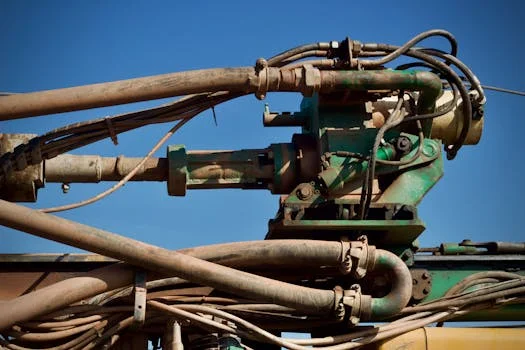
Prompt diagnosis of trash rake failures can cut repair time by up to 70% and reduce spare-parts waste. Rake jamming usually comes from long rags, plastic straps, or fiber binding the mechanism. Run the reverse cycle first. If the jam holds, lock out per 29 CFR 1910.147 (OSHA lockout/tagout) before any manual clearing—servicing and unjamming are covered energy-control tasks. Recurring jams often need an upstream shredder or a higher rake stroke rate.
Motor tripping signals overload. Check the torque limiter; a typical trip point is 150% of rated motor load for about 5 seconds. Trips below that threshold point to seized bearings or excess debris load. For incomplete discharge, inspect the discharge brush and confirm the rake dump angle is about 75–80°. Excessive vibration usually means worn bearings, an unbalanced rake, or a bent shaft—replace worn bearings within 48 hours to protect the shaft. Ignoring vibration can take down the drive train and starve downstream units covered in the sludge press equipment maintenance guide.
How do you troubleshoot a step screen?
Step screen troubleshooting starts with the same checks used on trash rakes: confirm drive current stays near baseline, verify step plates are not packed with grit, and prove the reverse or cleaning cycle completes. Sticky polymer or fine grit between steps often causes incomplete lift. Wash the plates and check seals before replacing drives. If the unit stalls only at high flow, shorten the timed off interval so cleaning keeps pace with screenings load.
Maintenance Schedule and Service Log Template
A written schedule and service log prove due diligence and feed better spare planning. Each entry should record date, technician, findings, actions, and parts replaced. Advanced plants push the same data into a CMMS so interval alerts and work orders fire automatically.
Retain maintenance records for at least three years where EPA or EU Urban Wastewater Treatment Directive audits apply. The same logging habit supports compact plants described in the skid-mounted treatment plant maintenance guide.
| Task | Frequency | Date Completed | Technician | Findings | Actions Taken | Parts Replaced | Next Due |
|---|---|---|---|---|---|---|---|
| Visual Inspection (Rake, Paths, Sounds) | Daily/Weekly | ||||||
| Chain Tension Check & Clean | Monthly | ||||||
| Lubrication (Bearings, Sprockets, Pivots) | Quarterly | ||||||
| Drive Alignment Check | Monthly | ||||||
| Structural Inspection (Bars, Frame) | Annually | ||||||
| Overload Protection Calibration | Annually | ||||||
| Pressure Wash Screen Surfaces | Annually |
Who This Is For and Next Step
This protocol fits plant engineers and maintenance leads running mechanical trash rakes or rotary bar screens at municipal or industrial headworks. Teams still on manual racks with light debris loads may need only the daily/weekly checks plus annual wash-down. If you are sizing a replacement screen, overload package, or spare-parts kit, send duty data through our request-quote form so the response matches flow, bar spacing, and debris type.
Frequently Asked Questions
How often should trash rake screens be cleaned?
Daily visual checks catch debris before differential head rises, monthly work covers chain cleaning and tension, and annual deep cleaning restores hydraulic capacity. Lubricate bearings and sprockets every 90 days with NLGI #2 water-resistant grease. Increase rake frequency during storm peaks or high rag loads rather than waiting for a timed interval alone.
What causes chain fouling in multirake screens?
Rags, plastic strips, and fibrous material wrap submerged chains and sprockets until the drive trips. Clean the chain monthly, keep tension near 1/2 inch deflection per 12-inch span, and consider upstream pre-shredding when fouling repeats. Persistent wrap also accelerates sprocket wear and raises motor current above the ±5% baseline.
Can I retrofit overload protection on older models?
Yes, many older rakes accept a modern dual overload package with torque limiting and electrical reverse. Set a typical trip near 150% of rated motor load for about 5 seconds, then commission reverse-on-jam and e-stop tests. After retrofit, calibrate sensors annually and document results in the service log for audit readiness.
What is a typical step screen price range?
Step screen price depends on channel width, step depth, materials, and controls, so published single-number quotes are rarely useful. Budget from the duty point: peak flow, screenings load, and whether the drive, wash system, and controls are included. Request a packaged quote with installation envelope rather than comparing bare mechanical prices alone.
Do I need lockout before clearing a jammed rake?
Yes. According to OSHA 29 CFR 1910.147, servicing and unjamming that place a worker in the danger zone require energy isolation and lockout before work starts. Never reach into a live rake path after only pressing stop. Verify zero energy, then clear debris and restore guards before returning the unit to automatic mode.