The Critical Role of Coarse Screens in Industrial Wastewater Treatment
Coarse screen inlet works maintenance is crucial for preventing downstream equipment damage and ensuring continuous wastewater treatment. It involves regular inspections, thorough cleaning, and scheduled preventive tasks. Key maintenance includes weekly checks for bent or broken bars, daily debris removal, and annual overhauls, which can extend equipment lifespan and reduce operational costs by improving efficiency and compliance.
Coarse screens serve as the primary mechanical barrier in an industrial wastewater treatment plant (WWTP), specifically designed to remove large solids—typically those greater than 6mm—from the influent stream. By acting as the "first line of defense," these screens protect sensitive downstream components such as centrifugal pumps, fine screens, and heat exchangers from catastrophic mechanical failure. In industrial settings, where debris may include everything from textile scraps and plastic packaging to wood fragments and heavy organic solids, the reliability of the headworks determines the stability of the entire treatment process.
Neglecting maintenance on these systems leads to a cascade of operational failures. Poorly maintained screens allow bypass or carry-over of debris, which quickly clogs pipes and fouls aeration basins. This results in reduced treatment efficiency, increased energy consumption due to higher head loss, and potential regulatory non-compliance if the plant’s hydraulic capacity is throttled. A fine screen for wastewater in food processing focuses on removing smaller organic particles to reduce BOD/COD, while the coarse screen’s mission is structural protection. Without a functional coarse screen, the fine screening and secondary treatment stages are subjected to abrasive wear and frequent blockages that drive up maintenance costs and unplanned downtime.
Comprehensive Coarse Screen Maintenance Checklist
A structured preventive maintenance schedule for coarse screens can reduce unplanned downtime by up to 30% compared to reactive "run-to-fail" strategies, according to industrial field data. Because industrial influent can be highly variable in volume and composition, maintenance must be performed with technical precision. Operators should maintain a detailed log-keeping system to track performance trends, such as increasing motor torque or frequent rake jams, which often signal the need for a deeper mechanical overhaul. This approach ensures that maintenance is proactive, rather than reactive, which is critical for maintaining equipment longevity.
Daily maintenance focuses on visual and auditory assessments. Operators must check for excessive debris buildup that the automated system might have missed and listen for unusual grinding or squealing noises from the motor and gearbox. Weekly tasks transition into physical inspections of the screen's structural components. Operators should inspect screen bars for bent, broken, or clogged elements, as even a single misaligned bar can cause a mechanical rake to jump its track. For comprehensive plant-wide reliability, these steps should be integrated with other protocols, such as detailed DAF system maintenance checklists, to ensure the entire pretreatment train is functional.
| Frequency | Component | Action Required |
|---|---|---|
| Daily | Screen Rack & Rake | Visual check for debris accumulation; verify automated rake cycle operation. |
| Daily | Drive System | Listen for unusual noise or vibration in the motor and gearbox. |
| Weekly | Screen Bars | Inspect for bent, broken, or clogged bars; check for signs of rust/corrosion. |
| Weekly | Chains & Sprockets | Verify alignment and lubricate moving parts according to the manual. |
| Monthly | Electrical/Control | Inspect control panel for faults; clean sensors and ultrasonic level probes. |
| Monthly | Tensioning | Check and adjust the tension of drive chains or belts to prevent slippage. |
| Annual | Gearbox | Drain and replace gearbox oil; inspect seals for leaks. |
| Annual | Structural Frame | Full inspection of structural integrity; replace worn rake teeth and bearings. |
Monthly and annual tasks require more technical depth. Monthly, technicians should focus on the electrical "brain" of the unit, ensuring that ultrasonic level sensors are free of spider webs or condensation that could cause false readings. Annual overhauls are the time to perform deep mechanical audits, replacing high-wear items like rake teeth or underwater bushings. Following a similar cadence to a rotary drum screen maintenance guide ensures that no component of the headworks is left to deteriorate unnoticed.
Effective Cleaning Procedures for Coarse Screens
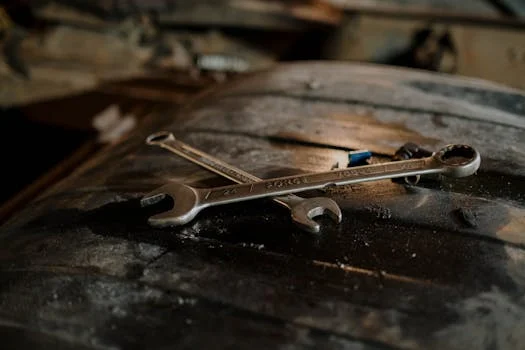
Mechanical coarse screens require a combination of automated discharge mechanisms and periodic manual deep-cleaning to prevent the accumulation of fats, oils, and grease (FOG) that can lead to "blinding" of the bar rack. In industrial environments, substances like industrial sludge or sticky polymers can cling to the bars, rendering the automated rake less effective over time. A thorough cleaning protocol not only maintains hydraulic throughput but also prevents the biological degradation of trapped solids, which causes odor and corrosion issues.
Before any cleaning begins, safety is the absolute priority. Maintenance staff must follow strict lockout/tagout (LOTO) procedures to de-energize the drive motor. Mandatory Personal Protective Equipment (PPE) including chemical-resistant gloves, eye protection, and high-visibility clothing must be worn to protect against pathogens and chemical splash-back. For screens like the HydropureWater GX Series Rotary Mechanical Bar Screen, which features a self-cleaning brush discharge, the brush itself should be inspected for wear and cleared of any entangled hair or fiber during this time.
- Manual Debris Removal: Use long-handled rakes or shovels to remove large, heavy debris (such as timber or large plastic sheets) that may be lodged at the base of the screen where automated rakes cannot reach.
- High-Pressure Washing: Utilize a high-pressure hose to dislodge stubborn sediment and "bio-slime" clinging to the screen bars. Direct the spray from the clean side toward the dirty side to push particles back into the screenings trough.
- Vacuuming and Sump Cleaning: In industrial applications involving heavy grit, use a vacuum device to remove accumulated material from the bottom of the inlet channel to prevent the rake from "plowing" through sediment.
- Automated System Calibration: Ensure that any self-cleaning brushes or spray bars are properly aligned and that the nozzles are not clogged with mineral scale.
- Waste Disposal: All collected screenings must be handled in accordance with local and federal environmental regulations. Screenings should be moved to a sealed container or a wash-press compactor immediately to minimize odors and pest attraction.
Troubleshooting Common Coarse Screen Issues
Most mechanical failures in coarse screens result from either debris overloading or misaligned rake mechanisms, both of which trigger motor overload protection to prevent structural damage. Operators must be trained to identify the root cause of a fault rather than simply resetting the control panel. For example, a recurring "Motor Overload" fault is rarely an electrical issue; it is typically a sign of a physical obstruction or a chain that has stretched beyond its operational limits.
Industrial influent often contains "ragging" materials—long fibers or wipes that can wrap around rotating shafts. If the rake jams, it is essential to inspect the drive chain and sprockets for signs of wear. The HydropureWater GX Series addresses this with dual overload protection (both mechanical and electrical), but manual intervention is still required to clear the obstruction. The following diagnostic framework can be used to address the most frequent operational challenges.
| Issue | Probable Cause | Recommended Fix |
|---|---|---|
| Reduced Flow/Clogging | Excessive debris load; blinded bars; rake cycle too infrequent. | Increase cleaning frequency; use high-pressure wash to remove grease; check sensor settings. |
| Rake Jamming | Large timber or metal debris; worn chain links; misaligned tracks. | Safely clear obstruction; inspect and replace worn chains or sprockets; check track alignment. |
| Motor Overload | Mechanical jam; gearbox oil depletion; electrical phase imbalance. | Check for physical blocks; inspect gearbox oil levels; verify electrical supply parameters. |
| Excessive Corrosion | High chemical concentration; lack of protective coating; infrequent rinsing. | Apply rust-resistant coatings; consider upgrading to stainless steel (304/316); increase rinse frequency. |
| Odor & Pests | Organic matter accumulation; screenings sitting in hopper too long. | Implement more frequent screenings removal; clean the discharge chute daily; use covered containers. |
Benefits of Proactive Coarse Screen Maintenance
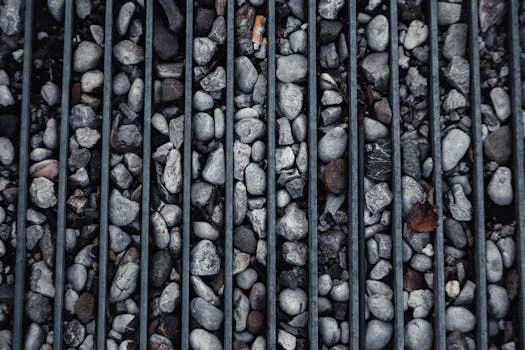
Proactive maintenance of inlet works equipment reduces Total Expenditure (TOTEX) by extending asset life and minimizing the energy penalties associated with head loss across a fouled screen. When a coarse screen operates at peak efficiency, the downstream pumps experience less "drag" and lower risk of impeller damage, which can save a facility thousands of dollars in annual repair costs. Consistent screening prevents solids from entering secondary treatment tanks, where they would otherwise occupy valuable volume and reduce the hydraulic retention time (HRT) required for biological processes.
Beyond cost savings, rigorous maintenance ensures regulatory compliance. A screen failure that leads to a bypass event can result in heavy fines and environmental damage. By following a comprehensive sludge dewatering system maintenance guide in conjunction with coarse screen care, plant managers can ensure that the entire solids-handling train is optimized for maximum uptime. A well-maintained coarse screen also enhances workplace safety by reducing the need for emergency, high-risk repairs in confined spaces or around moving heavy machinery.
Frequently Asked Questions
What is the difference between fine and coarse screens in wastewater treatment?
Coarse screens are the first stage of treatment, removing large debris (typically >6mm) like rags and sticks to protect pumps. Fine screens are used further downstream to remove smaller particles (typically 1mm to 6mm) to protect membrane systems or reduce organic loading in biological stages.
What is the recommended frequency for industrial coarse screen inspections?
Industry best practice suggests daily visual checks for debris and unusual noise, with a more technical, detailed inspection of bars, chains, and lubrication points performed at least once a week.
How does coarse screen maintenance prevent downstream damage?
By ensuring all large solids are captured, maintenance prevents debris from reaching pumps (where it causes impeller clogs), valves (where it prevents proper seating), and fine screens (where it can cause mechanical overload).
What safety precautions are necessary during coarse screen maintenance?
Technicians must implement mandatory lockout/tagout (LOTO) procedures, wear appropriate PPE (gloves, face shields, and waterproof gear), ensure adequate ventilation to manage H2S gas, and never reach into the rake mechanism while the power is connected.