RO Desalination System Troubleshooting: Industrial-Grade Fixes & Data
Industrial RO desalination system troubleshooting starts with monitoring feed pressure, permeate flow, and salt rejection. A 10–15% drop in performance signals needed cleaning; fouling is confirmed if inter-stage pressure differential exceeds 15 psi. For systems above 10 m³/h, verify pretreatment efficiency—SDI >5 indicates filter failure. Immediate action prevents membrane damage and maintains 85–95% recovery rates.Why Industrial RO Desalination Systems Fail
Industrial reverse osmosis (RO) desalination systems operate under significantly different conditions and pressures than residential units, leading to distinct failure modes. While residential RO systems typically function at 50–80 psi, industrial RO systems are engineered to handle pressures ranging from 150–800 psi to achieve high flow rates and efficient salt rejection across large volumes of water. This scale difference, often exceeding 10 m³/h in permeate output, means that common residential issues like faucet drips or small storage tank problems are irrelevant. Instead, industrial failures predominantly stem from high-pressure pump malfunctions, compromised chemical cleaning-in-place (CIP) systems, or, most critically, inadequate pretreatment of the feed water. Multi-stage designs are standard in industrial applications, allowing for precise inter-stage pressure monitoring, which is crucial for early detection of fouling or damage within specific membrane vessels. Neglecting these industrial-specific considerations leads to rapid performance degradation, increased operational costs, and premature membrane replacement. These system-specific challenges underscore the need for a structured diagnostic approach to quickly identify and correct performance deviations.Step-by-Step Diagnostic Flow for RO Operators
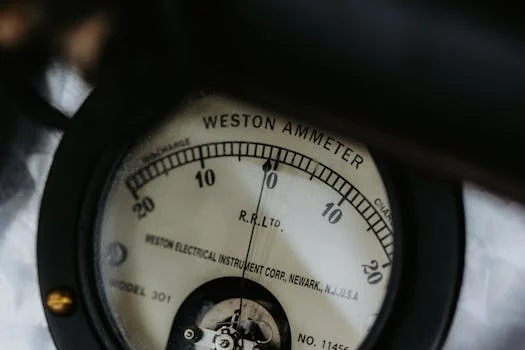
- Step 1: Check Feed Water Pressure. Industrial RO units require a stable feed pressure, typically above 150 psi. A reading below this threshold indicates a potential issue with the raw water supply pump, a partially closed feed valve, or a clogged pre-filter. Documenting deviations from baseline pressure is critical for identifying trends.
- Step 2: Measure Permeate Flow and Conductivity. A sustained drop of more than 10% in permeate flow, coupled with an increase in permeate conductivity, triggers immediate investigation. This dual symptom often points to membrane fouling or degradation, impacting both quantity and quality of treated water.
- Step 3: Record Inter-Stage Pressure Drop. Monitoring the pressure differential across each membrane stage is a primary indicator of fouling. An inter-stage pressure drop exceeding 15 psi typically confirms membrane fouling, necessitating a chemical cleaning cycle. This data helps pinpoint which membrane vessels are most affected.
- Step 4: Verify SDI of Feed Water. The Silt Density Index (SDI) of the RO feed water must consistently remain below 5. An SDI value greater than 5 is a definitive sign that the upstream pretreatment system, such as a multi-media filter, is failing to adequately remove suspended solids, leading to rapid membrane fouling.
- Step 5: Inspect CIP System Function and Chemical Dosing Logs. Ensure the CIP system is fully operational, with correct chemical concentrations, temperatures, and contact times as per protocol. Reviewing historical CIP logs can reveal inconsistencies or inadequate cleaning procedures that contribute to recurring issues.
Common Industrial RO Problems and Proven Fixes
Low permeate flow, high salt passage, frequent CIP cycles, and pump cavitation are among the most common industrial RO system issues, each linked to specific operational deviations.Low Permeate Flow: This is frequently caused by membrane fouling or insufficient feed pressure. For fouling, a chemical cleaning is the primary solution. For organic fouling, use a 0.1% NaOH solution (pH 11) at 30°C for 60 minutes. For inorganic scaling, a 1–2% citric acid solution (pH 3) at 30°C for 60 minutes is effective. If low feed pressure is the root cause, inspect the high-pressure pump for cavitation noise or verify the feed tank level and inlet pipe sizing to ensure adequate Net Positive Suction Head (NPSH).
High Salt Passage: An increase in permeate conductivity, indicating high salt passage, typically points to membrane degradation or damage. If a chemical cleaning does not restore salt rejection, and the increase in conductivity persists above 15% of the baseline, membrane replacement is usually necessary. This is especially critical in pharmaceutical or food & beverage applications where product water quality is paramount.
Frequent CIP Cycles: An escalating need for chemical cleaning suggests that the pretreatment system is inadequate. Optimizing the multi-media filter backwash cycle, potentially by increasing frequency or duration, can improve feed water quality. In some cases, upgrading to an ultrafiltration (UF) system as primary pretreatment may be required to consistently achieve an SDI below 5, significantly reducing the load on RO membranes. For robust multi-media filter for RO pretreatment and SDI control, consider solutions like HydropureWater’s multi-media filter for RO pretreatment and SDI control.
Pump Cavitation Noise: A distinct grinding or rattling sound from the high-pressure RO pump indicates cavitation, caused by insufficient NPSH. This can lead to severe pump damage. The immediate fix involves verifying the feed tank level to ensure it is adequately above the pump inlet and inspecting the inlet pipe sizing and any associated valves for restrictions that could impede flow.
Here’s a summary of common industrial RO problems and their typical remedies:
| Problem Symptom | Probable Cause | Diagnostic Threshold/Data | Proven Fix |
|---|---|---|---|
| Permeate Flow Drop (>10%) | Membrane fouling | Inter-stage ΔP > 15 psi | Chemical cleaning (e.g., 1-2% citric acid, pH 3, 30°C, 60 min) |
| Permeate Conductivity Increase (>15%) | Membrane degradation/damage | Post-cleaning conductivity increase persists | Membrane replacement |
| Frequent CIP Cycles (e.g., monthly) | Inadequate pretreatment | Feed water SDI > 5 | Optimize multi-media filter backwash or upgrade to UF |
| High-Pressure Pump Cavitation | Low NPSH (Net Positive Suction Head) | Audible grinding/rattling from pump | Verify feed tank level, inspect inlet pipe sizing |
| Low Feed Pressure (<150 psi) | Supply pump issue / Clogged pre-filter | Pressure gauge reading below baseline | Inspect pump, clean/replace pre-filters |
RO Membrane Cleaning Protocols by Fouling Type
Organic Fouling: This type of fouling, often indicated by a dissolved organic carbon (DOC) level exceeding 2 ppm in the feed water and a gradual pressure drop, requires an alkaline cleaner. The standard protocol involves cleaning with 0.1% NaOH (caustic soda) combined with 0.1% SDS (sodium dodecyl sulfate, a surfactant) at an elevated temperature of 35°C for a minimum of 60 minutes. The surfactant helps to penetrate and disperse organic matter.
Inorganic Scaling: Characterized by a sudden pressure drop and often caused by the precipitation of sparingly soluble salts like calcium sulfate (CaSO₄) or silica (SiO₂), inorganic scaling demands an acidic cleaning solution. A 2% citric acid solution at pH 3, maintained at 30°C for 60 minutes, is highly effective for dissolving most inorganic scales. For more persistent silica scales, specialized high-pH cleaners may be required after an initial acid wash.
Biofouling: Identified by a rapid pressure drop, a slimy residue, and sometimes an unpleasant odor in the permeate or concentrate lines, biofouling is best addressed with a sequential cleaning approach. An initial alkaline clean (e.g., 0.1% NaOH) helps to loosen and remove the biofilm matrix. This should be followed by a soak with a biocide like 1% sodium bisulfite (NaHSO₃) for several hours to kill remaining microorganisms. Proper flushing is crucial after biocidal treatment.
Cleaning Frequency: Proactive cleaning is essential to prevent irreversible fouling. Industrial RO membranes should typically undergo chemical cleaning every 3–6 months as part of routine maintenance. However, immediate cleaning is warranted if the system's performance, such as permeate flow or salt rejection, drops by 10–15% from its normalized baseline, or if the inter-stage pressure differential increases by more than 15 psi. Integrating an automatic chemical dosing system can optimize these cleaning cycles; HydropureWater offers advanced automatic chemical dosing systems to ensure precise and efficient membrane cleaning.
Preventing Recurring RO System Failures
Recurring failures in industrial RO systems are preventable through consistent monitoring, optimized pretreatment, and disciplined maintenance practices that extend membrane life and reduce downtime.Maintaining the feed water SDI below 5 is paramount, often accomplished by an automated multi-media filter backwash system triggered by a differential pressure (ΔP) across the filter exceeding 10 psi. Installing online conductivity and flow meters for real-time performance tracking provides immediate feedback on system health, allowing for proactive adjustments before minor issues escalate. Scheduling quarterly CIP with a full chemical analysis of foulants allows operators to tailor cleaning protocols, ensuring maximum effectiveness against specific contaminants. Comprehensive training for operators on meticulous logbook documentation of pressure, flow, and cleaning cycles fosters a culture of preventive maintenance. Implementing these proven strategies to prevent membrane fouling is critical for sustainable operations. For reliable industrial RO water treatment system with automated CIP, HydropureWater offers advanced industrial RO water treatment system with automated CIP solutions.
Frequently Asked Questions