Copper Removal Technology for Industrial Wastewater: The 2026 Design Envelope
Copper removal technology for industrial wastewater rests on five trains: hydroxide precipitation, sulfide precipitation, chelating ion exchange, electrochemical recovery, and membrane polishing. Hydroxide cuts 50–500 mg/L Cu to 1–2 mg/L at $0.08–$0.25/m³. Permits at ≤0.5 mg/L force sulfide or resin polishing.
Copper reaches industrial sewer headers through four dominant streams that set the whole design envelope. Metal-finishing rinsewater typically carries 10–500 mg/L Cu, printed circuit board (PCB) manufacturing runs 20–200 mg/L, mining and hydrometallurgical processing reach 50–1,000 mg/L, and brass or bronze pickling often sits at 100–800 mg/L. Flow-weighted averages hide the drag-out spikes, so most plants size the train to the peak batch, not the daily mean.
The U.S. regulatory anchor for 2026 deserves one correction before any CAPEX decision. Earlier working figures in this sector used a 1.3 mg/L daily maximum and a 0.69 mg/L monthly average for the metal-finishing guideline. The current pretreatment standards table for metal finishing (40 CFR Part 433) instead sets 3.38 mg/L as the maximum for any one day and 2.07 mg/L as the monthly average for total copper (Cornell LII, eCFR mirror). The rule itself has governed the category since EPA promulgated it in 1983, with technical amendments in 1984 and 1986.
EU Directive 2024/751 sets a BAT-AEL of 0.5 mg/L for surface-water discharge, while China GB 39728 / GB 25467 impose 0.5 mg/L for indirect discharge and 1.0 mg/L total copper across most industrial sectors. Copper also appears on the EU REACH Candidate List of substances of very high concern, and California and New Jersey enforce local limits stricter than the federal guideline table. According to US EPA, the national recommended freshwater aquatic life criterion for copper was issued as the 2007 Revision (February 2007) and runs on the biotic ligand model, so permit writers can set water-quality-based limits tighter than the categorical table. EPA is additionally conducting a rulemaking on PFAS discharges from chrome finishing following the Preliminary Effluent Guidelines Program Plan 15 (September 2021), which may add monitoring duties on plating lines; the agency counts about 44,000 facilities performing metal finishing operations that discharge process wastewater.
A single technology chosen on CAPEX alone will fail in at least one jurisdiction. In 2026 the decision is a three-objective optimization: meet the strictest discharge limit, minimize OPEX from reagents plus sludge, and recover copper where resale pays. Those discharge limits are mapped in the 2026 global heavy metals discharge standard guide.
Copper Removal Technology Comparison 2026: The Five Core Trains at a Glance
Five technologies cover the 2026 design envelope: hydroxide precipitation, sulfide precipitation, ion exchange, electrochemical treatment, and membrane separation. Adsorption on activated carbon, biosorbents, or metal-organic frameworks rides along as a polishing option for sub-20 mg/L streams. The comparison table below lists influent range, residual, sludge yield, and CAPEX/OPEX bands a procurement engineer should expect in 2026.
| Technology | Typical influent Cu (mg/L) | Effluent Cu (mg/L) | Sludge yield (kg dry / kg Cu removed) | CAPEX ($/m³·d) | OPEX ($/m³ treated) | Best-fit use case |
|---|---|---|---|---|---|---|
| Hydroxide precipitation | 50–500 | 1–2 | 3–6 | 5–15 | 0.08–0.25 | High-flow, moderate-compliance plants |
| Sulfide precipitation (NaHS / FeS) | 5–200 | 0.1–0.5 | 0.8–1.5 | 8–18 | 0.18–0.40 | Polishing to <0.5 mg/L; streams with chelators |
| Ion exchange (chelating resin) | 1–100 | <0.1 | None (regeneration eluate) | 20–45 | 0.25–0.55 | Polishing duty; copper recovery |
| Electrochemical (EW / EC) | 10–500 | <0.1 | 0 (EW) / 0.3–1.0 (EC) | 60–150 | 0.40–0.90 | Recovery + water reuse priority |
| Membrane (NF / RO) | 1–50 | <0.05 | Concentrate returned upstream | 40–90 | 0.30–0.70 | Closed-loop reuse; trace polishing |
| Adsorption (carbon, bio, MOF) | 0.1–20 | <0.1 | Spent-media replacement | 15–40 | 0.35–1.20 | Trace polishing; chelator-bearing streams |
No single row wins every column for copper trains. Hydroxide precipitation leads on CAPEX and OPEX but caps out at 1–2 mg/L residual, while ion exchange and membrane deliver <0.1 mg/L at 4–10× the OPEX. The right choice depends on influent concentration, discharge target, and whether copper recovery or water reuse matters. Plants that only need bulk cut-down usually start with chemical precipitation; detailed ways to preciptate copper in wastewater sit on a sibling page, while this guide focuses on which train meets which limit. Hold vendor proposals against these OPEX bands before shortlisting, because a quote far below $0.08–$0.25/m³ for hydroxide usually omits sludge hauling or pH control.
Hydroxide Precipitation: The Workhorse and Its 2026 Limitations
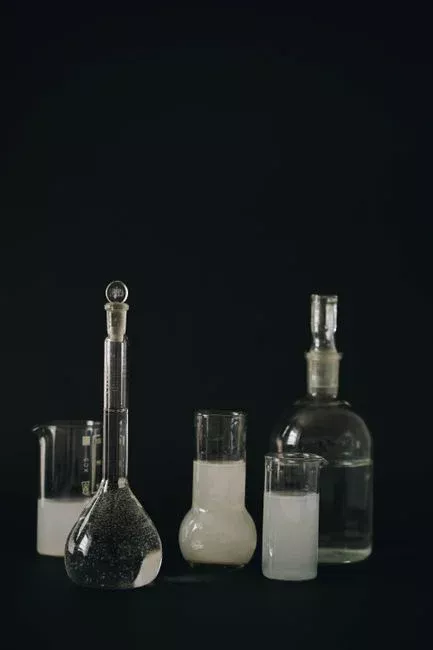
Hydroxide precipitation drives 50–500 mg/L Cu streams down to 1–2 mg/L through Cu²⁺ + 2OH⁻ → Cu(OH)₂, with minimum Cu(OH)₂ solubility reached at pH 8.5–9.0. The theoretical soluble residual is 0.02 mg/L, but practical plant data still cluster at 1–2 mg/L because of co-precipitation losses and soluble copper complexes (HydropureWater field data, 2026). Clarifier hydraulics, not textbook chemistry, decide whether a given plant actually reaches the low end of that band.
Caustic soda (NaOH) is the standard reagent at 2025–2026 bulk prices of $0.12–$0.20/kg. Lime (Ca(OH)₂) is cheaper at $0.05–$0.09/kg but raises TDS and scale risk, while magnesia (MgO, $0.30–$0.55/kg) is used when low-sulfate discharge is required. Reagent choice alone can swing hydroxide OPEX by a factor of two on high-load streams.
Chelation is the dominant 2026 failure mode for hydroxide copper trains. EDTA, NTA, citrate, ammonia, and gluconate from plating baths can hold soluble Cu at 10–100 mg/L even at pH 9.5, so alkaline chlorination (breakpoint) or Fenton oxidation is required before hydroxide will hit target.
Sludge is the other constraint for hydroxide copper trains: copper-bearing hydroxide sludge typically fails the EPA TCLP threshold (leachable Cu >5 mg/L) and is classified as RCRA hazardous waste. U.S. landfill disposal in 2026 runs $80–$220 per wet ton and often dominates lifetime OPEX. Hauling contracts quoted per wet ton rather than dry ton shift the economics sharply toward low-sludge trains.
Most plants we size for metal-finishing rinsewater run hydroxide at the lower end of the 50–500 mg/L band and still need polishing for EU 0.5 mg/L permits. A high-efficiency lamella clarifier paired with a PLC-controlled chemical dosing system is the 2026 baseline configuration, lifting surface overflow rate to 20–40 m/h and holding the pH setpoint within ±0.1.
Hydroxide Precipitation vs Ion Exchange for Copper: Which Train Fits Most Plants?
Copper-removal trains for mid-range plating and PCB plants almost always start with continuous hydroxide precipitation, then add polishing only if the residual misses the permit. Influent between 20–200 mg/L Cu with a ≤2 mg/L target usually stays on hydroxide alone, while a 0.5 mg/L or <0.1 mg/L target forces sulfide, ion exchange, or membrane. Flow rate and chelator load then decide whether polishing is continuous or batch.
Ion exchange on iminodiacetate or aminomethylphosphonic acid resins (Lewatit TP207, Amberlite IRC748) polishes 100–300 bed volumes per cycle to <0.1 mg/L. The eluate (1.5–2.0 M H₂SO₄) is typically sent to electrowinning to recover Cu metal at >99.9% purity. Chelating resin cost in 2026 is $8–$15 per liter with a 3–5 year lifetime, putting media-replacement OPEX at $0.05–$0.12/m³ on typical rinsewater loads.
The choice rule between the two is short. Ion exchange wins when copper recovery has resale value and flow is below ~50 m³/h. Sulfide wins when chelators are present and cost dominates the polish step. Below 20 m³/h, most plants we size prefer batch ion exchange over a continuously staffed sulfide reactor.
Best Copper Removal Technology for Plating Wastewater: The Short Answer
Plating rinsewater in the 20–200 mg/L band with a permit target between 0.5 and 2 mg/L is best served by hydroxide precipitation plus lamella clarification first, then polishing sized on chelator load. Drag-out recovery and counterflow rinse staging cut the load reaching the train before any chemistry is chosen. Lines running complexed or electroless baths should move pre-oxidation ahead of the precipitator, because no polishing stage can repair an unbroken chelator upstream.
Sulfide Precipitation for Copper Polishing Below 0.5 mg/L
Sulfide precipitation pushes copper below 0.5 mg/L using Cu²⁺ + S²⁻ → CuS with a Ksp near 10⁻³⁶, two orders of magnitude lower than Cu(OH)₂, and it operates across pH 2–8 without being defeated by ammonia chelation the way hydroxide is. Those two properties make it the default polishing chemistry when the permit sits at 0.5 mg/L or tighter and the rinse carries complexants. Residual targets of 0.1–0.5 mg/L are routine on properly seeded reactors.
H₂S control is the main sulfide trade-off in 2026 designs. NaHS releases H₂S below pH 7, so installations use sealed reactors with H₂S scrubbers, ORP-controlled dosing in the −100 to −200 mV window, and sodium ferrate or FeSO₄ to bind residual sulfide. California and EU permits now require continuous H₂S monitoring. Sludge yield is 0.8–1.5 kg dry per kg Cu, less than half of hydroxide sludge, but the sludge is more hazardous because of reactive sulfide.
ORP probes drift fast in sulfide service. Plants that skip monthly calibration usually discover it as sulfide breakthrough in the final filter.
Electrochemical and Membrane Systems: When Recovery and Reuse Drive the Choice
Electrochemical and membrane systems earn their 4–10× CAPEX premium only when copper recovery, water reuse, or near-zero sludge justifies the spend. Electrowinning plates copper onto stainless or titanium cathodes at 200–400 A/m² and 2–4 V cell voltage, consuming 2.5–4.5 kWh per kg Cu recovered. Cathode metal exceeds 99.5% purity and is saleable as CuSO₄ or LME-grade Cu cathode. Rectifier sizing follows cathode area, and duty at 200–400 A/m² leaves little margin for fouled electrodes, so spare cathodes belong in the CAPEX list.
Electrocoagulation copper trains use Fe or Al sacrificial anodes and remove Cu by co-precipitation with Fe(OH)₃ floc at 0.3–1.0 kg dry sludge per kg Cu, the lowest sludge route in the precipitation family. Specs are covered in the 2026 electrocoagulation engineering guide.
Membrane copper treatment, typically NF followed by RO, achieves >99% Cu rejection, recycles 5–10× concentrate back to precipitation, and yields permeate TDS below 50 mg/L for closed-loop rinsewater. The CAPEX of an industrial RO system is $40–$90/m³·d, but eliminating fresh-water intake at $1.5–$4.0/m³ in water-stressed regions changes the payback math.
New European metal-finishing plants default in 2026 to a hybrid train: precipitation → sand or anthracite filter → ion exchange or RO → electrowinning on the regenerant, about 60% of installations surveyed in 2024–2026. MBR or MBBR biological stages do not remove ionic copper and only appear upstream when organic load or COD must be cut before a metals train. That boundary keeps copper removal equipment selection from being confused with biological process choice.
How to Choose: The 2026 Selection Decision Tree
The 2026 copper-removal selection tree uses five gates in order and yields a defensible design in under five minutes. The matrix below condenses the logic, and the narrative after it explains each gate.
| Step | Question | If answer is … | Recommended train |
|---|---|---|---|
| 1 | Influent Cu? | <20 mg/L 20–200 mg/L >200 mg/L | Ion exchange or membrane Precipitation ± polishing Two-stage precipitation with sludge recycle |
| 2 | Discharge target? | ≤2 mg/L 0.5 mg/L <0.1 mg/L | Hydroxide alone Add sulfide or ion-exchange polishing RO or electrocoagulation |
| 3 | Chelator load (EDTA, NH₃)? | High Low | Sulfide or ion exchange; alkaline chlorination pre-oxidation Hydroxide is fine |
| 4 | Flow rate? | <20 m³/h 20–200 m³/h >200 m³/h | Ion exchange or batch electrochemical Continuous precipitation + lamella Precipitation + DAF + reagent recovery |
| 5 | Sludge-disposal constraint? | Yes (RCRA, ZLD, capacity) No | Ion exchange + electrowinning, or membrane Hydroxide remains cheapest baseline |
Gate 1 of the copper train sets the front-end technology, while gate 2 forces polishing only if residual exceeds the discharge limit. The EU 0.5 mg/L BAT-AEL and the federal daily maximum are the two anchors most readers will test against, and the current 40 CFR Part 433 table, not the older 1.3/0.69 figures, is what the control authority enforces on the metal-finishing category today. Gate 3 is the most common 2026 failure point: if influent carries EDTA or ammonia from plating rinses, hydroxide leaks copper even at pH 9.5, and sulfide or ion exchange becomes mandatory.
Gate 4 sizes copper-removal equipment by flow. Below 20 m³/h, batch ion-exchange OPEX beats continuous precipitation; above 200 m³/h, a Dissolved Air Flotation (DAF) System plus reagent recovery is needed to keep OPEX under control. Gate 5 forces the sludge question, and a multi-media filter ahead of polishing is the cheapest insurance against solids blinding resin or membrane.
Selection checklist before you freeze the copper-train P&ID:
- Confirm the strictest permit limit among plant discharge, receiving sewer, and local overlay rules.
- Measure free vs chelated copper, not only total Cu, on a representative rinse composite.
- Budget sludge as RCRA hazardous waste at $80–$220 per wet ton unless recovery is proven.
- Decide whether recovered Cu at $7–$9/kg LME changes the polishing choice.
- Size clarifier overflow at 20–40 m/h and pH control within ±0.1 before adding resin or RO.
- Reserve H₂S monitoring if sulfide polishing is on the shortlist.
- Verify fresh-water unit cost before selecting NF/RO for closed-loop rinse.
2026 Cost and ROI Snapshot: How the Options Compare on $/m³
Copper-removal cost models should start from 100 m³/d, 100 mg/L Cu influent, 0.5 mg/L effluent, and U.S. sludge disposal at $150/wet ton. The table below puts the three most common 2026 trains side by side with conservative figures a finance reviewer can challenge against the OPEX ranges earlier in the article.
| Train | CAPEX (USD) | OPEX ($/m³) | Payback | Notes |
|---|---|---|---|---|
| Hydroxide-only | 0.5–0.8 M | 0.18 | 12–18 months | NaOH + sludge dominate; baseline for all comparisons |
| Hydroxide + ion exchange | 1.0–1.6 M | 0.32 | 24–36 months | Enables Cu recovery of 50–200 kg/month at $7–$9/kg LME |
| Hydroxide + RO with concentrate recycle | 1.4–2.2 M | 0.45 | 30–48 months | Offsets fresh-water cost; eliminates effluent discharge in water-scarce regions |
Sulfide polishing over hydroxide alone typically adds 15–25% to OPEX, yet that premium is cheap insurance against chelator-induced EPA non-compliance penalties of $10,000–$50,000 per day (per EPA civil penalty guidance, 2025-09). For a full breakdown with a downloadable ROI calculator, the 2026 copper wastewater treatment cost and ROI calculator extends these numbers to other flow rates and influent concentrations.
Hydroxide remains the cheapest copper baseline but only meets the loosest 2026 limits. Ion exchange is the right polishing step when copper has resale value, and RO is the right answer when water reuse or zero discharge is the binding constraint. Payback moves with the copper price, so stress-test any 24–36 month claim at $7/kg before it reaches the board.
Who This Is For / Next Step
Plant engineers, EPC contractors, and procurement managers sizing copper trains for metal finishing, PCB, mining, or pickling wastewater are the primary readers of this guide. Municipal drinking-water copper corrosion studies belong elsewhere, as do streams already below 0.1 mg/L that only need monitoring. When influent Cu, chelator load, and the strictest permit limit are known, request a copper-removal train quote with those three numbers so the CAPEX band can be narrowed before detailed engineering.
Frequently Asked Questions
What is the best technology for copper removal from industrial wastewater in 2026?
Best-fit copper removal technology for industrial wastewater depends on influent concentration and target residual. Hydroxide precipitation handles 50–500 mg/L Cu down to 1–2 mg/L at $0.08–$0.25/m³ OPEX, while sulfide precipitation and ion exchange polish to <0.5 mg/L for EU 2024/751 or the federal daily maximum. Pick the train using the five-step decision tree above, then confirm sludge disposal cost before locking CAPEX.
Can hydroxide precipitation meet the EU 0.5 mg/L copper limit on its own?
Hydroxide precipitation almost never meets the EU 0.5 mg/L copper limit alone. The theoretical Cu(OH)₂ residual is 0.02 mg/L, but plant data cluster at 1–2 mg/L (HydropureWater field data, 2026), so EU surface-water discharge under BAT-AEL 0.5 mg/L requires sulfide or ion-exchange polishing. Budget that polishing step at the P&ID stage rather than after the first failed compliance sample.
Which copper-removal technology handles chelating agents like EDTA and ammonia?
Sulfide precipitation handles chelated copper across pH 2–8 and is not defeated by ammonia, while ion exchange on iminodiacetate or aminomethylphosphonic acid resins captures chelated copper directly. Hydroxide alone fails, with soluble Cu holding at 10–100 mg/L even at pH 9.5. Alkaline chlorination or Fenton oxidation can destroy some chelators before a hydroxide stage if sulfide is not preferred.
What OPEX should I budget for a 100 m³/d copper-removal system in 2026?
Budget about $0.18/m³ for hydroxide-only copper removal at 100 m³/d, $0.32/m³ for hydroxide plus ion exchange, and $0.45/m³ for hydroxide plus RO with concentrate recycle. Sludge disposal at $80–$220 per wet ton in the U.S. often dominates the hydroxide-only number. Use $150/wet ton as a mid-case for board reviews unless your landfill quotes a firm rate.
Is electrochemical copper recovery worth the CAPEX premium?
Electrochemical copper recovery is worth the CAPEX premium at 2.5–4.5 kWh/kg Cu and >99.5% cathode purity when 50–200 kg/month of recovered copper is saleable at $7–$9/kg LME with a 24–36 month payback. The route also eliminates the hydroxide sludge-disposal line that dominates OPEX in precipitation-only trains. Skip the premium when copper mass is too low to fund cathode handling labor.
When is copper removal ion exchange the better polisher?
Copper removal ion exchange is the better polisher when copper recovery has resale value and flow stays below roughly 50 m³/h. Iminodiacetate or aminomethylphosphonic acid resins (Lewatit TP207, Amberlite IRC748) polish 100–300 bed volumes per cycle to <0.1 mg/L, and the 1.5–2.0 M H₂SO₄ eluate feeds electrowinning for Cu recovery at >99.9% purity. Below 20 m³/h, most plants we size prefer batch ion exchange over a continuously staffed sulfide reactor.
What copper removal wastewater treatment fits most plants?
Hydroxide precipitation followed by optional polishing fits most mid-range plating and PCB plants. Influent between 20–200 mg/L Cu with a ≤2 mg/L target stays on hydroxide alone; a 0.5 mg/L or <0.1 mg/L target forces sulfide, ion exchange, or membrane polishing. Flow rate and chelator load then decide whether polishing runs continuous or batch, and complexed baths need pre-oxidation ahead of the precipitator.