Electrocoagulation for Phosphorus Removal: 2026 Engineering Specs, 99% Efficiency & Zero-Risk Industrial Selection Guide
Electrocoagulation (EC) removes 99%+ of phosphorus from industrial wastewater in under 60 minutes, achieving effluent levels below 0.5 mg/L—meeting EPA 40 CFR Part 133 and EU Urban Waste Water Directive 91/271/EEC limits. Using iron or aluminum electrodes, EC generates metal hydroxides that bind phosphate ions, forming flocs removable via sedimentation or DAF. Industrial systems (e.g., HydropureWater’s EC units) operate at 0.2–0.5 kWh/m³, with electrode lifespans of 1,200–2,000 operating hours. CapEx ranges from $50,000–$200,000 for 10–100 m³/h systems, with OpEx dominated by electrode replacement ($0.05–$0.15/m³) and energy costs.
Why Industrial Plants Are Switching to Electrocoagulation for Phosphorus Removal
Global phosphorus discharge limits have reached a critical threshold where traditional biological and chemical treatments often fail to maintain consistent compliance. Under EPA 40 CFR Part 133, discharge limits for streams are frequently set at 1 mg/L, while sensitive lake ecosystems may require levels as low as 0.1 mg/L. Similarly, the EU 91/271/EEC directive mandates 1–2 mg/L for sensitive areas, and China’s GB 18918-2002 Class I standard requires 0.5 mg/L. For industrial engineers, the primary challenge is that influent phosphorus concentrations can fluctuate wildly—from 5 mg/L in light manufacturing to 500 mg/L in food processing—rendering fixed-dose chemical systems inefficient or prone to over-dosing.
Chemical precipitation using alum or ferric chloride typically generates 30–50% more sludge than electrocoagulation, according to 2023 EPA benchmarks. This is because chemical dosing introduces counter-ions (like chlorides or sulfates) that increase the total dissolved solids (TDS) and sludge volume. In contrast, EC provides "on-demand" coagulant generation through electrolytic oxidation, which produces a denser, more easily dewatered sludge. For example, a 50 m³/h dairy processing plant in Wisconsin recently transitioned to an EC system, successfully reducing influent phosphorus from 35 mg/L to 0.3 mg/L. This shift resulted in a 42% reduction in monthly chemical procurement costs and a 35% decrease in sludge disposal expenditures.
The ecological imperative for such precision is stark. Phosphorus is the primary limiting nutrient in freshwater ecosystems; a single kilogram of phosphorus can trigger the growth of up to 500 kg of algae. This rapid eutrophication leads to oxygen depletion and massive fish kills. By utilizing electrocoagulation for phosphorus removal, industrial facilities can achieve ultra-low effluent levels that are difficult to reach with biological phosphorus removal (BPR) alone, especially in wastewater with low carbon-to-phosphorus ratios.
How Electrocoagulation Removes Phosphorus: Chemistry, Reactor Design, and Process Parameters
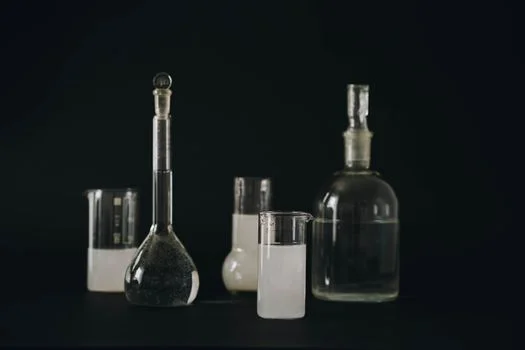
Electrocoagulation functions through the simultaneous processes of electrolytic oxidation, gas bubble generation, and flocculation within a single reactor. When a direct current is applied to sacrificial anodes, metal ions are released into the wastewater: iron anodes produce Fe²⁺ (which oxidizes to Fe³⁺), while aluminum anodes produce Al³⁺. These cations react with the alkalinity of the water to form metal hydroxides, such as Fe(OH)₃ or Al(OH)₃. These hydroxides act as powerful adsorbents and coagulants, binding with phosphate ions (PO₄³⁻) to form stable, insoluble complexes that can be separated from the liquid phase.
The efficiency of this reaction is highly dependent on the pH and conductivity of the influent. According to a study in ACS Sustainable Chemistry & Engineering, the optimal pH range for iron-based EC is 6.5–7.5, whereas aluminum-based systems perform best between 5.5 and 6.5. If the wastewater conductivity is below 500 µS/cm, the electrical resistance increases, leading to higher energy consumption. Engineers can mitigate this by adding electrolytes like NaCl or Na₂SO₄ at concentrations of 0.5–1 g/L, which can reduce total energy use by 20–30% by facilitating electron transfer at lower voltages.
Reactor configuration also dictates performance. Monopolar systems (where electrodes are connected in parallel or series) are standard, but bipolar configurations—where only the outer plates are connected to the power source—are gaining traction. Bipolar systems can reduce electrode consumption by approximately 15%, though they require roughly 10% higher voltage to overcome the internal resistance of the plate stack. the electrolytic process generates hydrogen gas (H₂) at the cathode. These micro-bubbles attach to the forming phosphorus flocs, increasing their buoyancy and significantly enhancing the efficiency of a high-efficiency DAF system for electrocoagulation sludge separation.
| Parameter | Iron Electrode (Fe) | Aluminum Electrode (Al) | Hybrid (Fe-Al) |
|---|---|---|---|
| Optimal pH Range | 6.5 – 7.5 | 5.5 – 6.5 | 6.0 – 7.0 |
| Target Conductivity | 1,000 – 3,000 µS/cm | 1,000 – 3,000 µS/cm | 1,200 – 3,000 µS/cm |
| Current Density | 15 – 30 A/m² | 10 – 25 A/m² | 15 – 25 A/m² |
| Phosphorus Removal | 95% – 99% | 85% – 92% | 90% – 97% |
Iron vs Aluminum Electrodes: Head-to-Head Comparison for Phosphorus Removal
Selecting the correct electrode material is the most critical decision in EC system design, as it dictates both the removal kinetics and the long-term OpEx. Iron electrodes are generally the preferred choice for high-strength industrial wastewater, such as that found in food processing or textile manufacturing, where phosphorus levels range from 50 to 500 mg/L. Iron-based EC achieves 95–99% removal efficiency by forming ferric-phosphate precipitates. While iron systems have a slightly higher energy demand (0.4–0.5 kWh/m³), the lower cost of raw iron plates compared to aluminum often results in a lower total cost per kilogram of phosphorus removed.
Aluminum electrodes are better suited for low-to-medium strength wastewater, such as municipal effluent or light industrial wash water (5–20 mg/L P). Aluminum-based EC operates at a lower energy density (0.3–0.4 kWh/m³), translating to energy costs of roughly $0.03–$0.05/m³. Aluminum also produces less sludge (0.5–0.8 kg/m³) compared to iron (0.8–1.2 kg/m³), which can reduce downstream disposal costs by 20–30%. However, aluminum electrode lifespans of 1,800–2,000 hours come at a higher replacement cost ($0.05–$0.09/m³ for Al vs $0.08–$0.12/m³ for Fe), making the material choice a balance between sludge volume and electrode budget.
| Metric | Iron (Fe) System | Aluminum (Al) System |
|---|---|---|
| Energy Consumption | 0.4 – 0.5 kWh/m³ | 0.3 – 0.4 kWh/m³ |
| Electrode Lifespan | 1,200 – 1,500 hours | 1,800 – 2,000 hours |
| Replacement Cost | $0.08 – $0.12/m³ | $0.05 – $0.09/m³ |
| Sludge Production | 0.8 – 1.2 kg/m³ | 0.5 – 0.8 kg/m³ |
| Best Application | High-strength (50-500 mg/L P) | Low-strength (5-20 mg/L P) |
Electrocoagulation Reactor Design: Sizing, Flow Rates, and Industrial Configurations

Engineering an industrial EC system requires precise calculation of residence time and current density to ensure 99% removal without excessive power draw. For most industrial phosphorus applications, a residence time of 20–40 minutes is sufficient for 90% removal, but achieving ultra-low levels (<0.1 mg/L) typically requires 40–60 minutes of contact time. This is because the final stages of phosphate adsorption onto the metal hydroxide flocs are kinetics-limited. Reactor sizing is therefore based on the maximum hourly flow rate multiplied by the required residence time, often leading to modular designs that can scale with plant growth.
Electrode spacing is another critical design variable, typically set between 5 mm and 15 mm. Narrower gaps reduce the ohmic resistance of the wastewater, lowering the voltage required and saving energy. However, gaps smaller than 5 mm significantly increase the risk of passivation (the formation of an insulating oxide layer) and clogging from suspended solids. To maintain efficiency, industrial configurations often utilize modular skids for 10–50 m³/h or containerized systems for larger flows up to 200 m³/h. Integrating aeration into the reactor can further enhance floc formation and reduce the chemical demand of downstream flotation by 20–30%.
| System Capacity | Configuration | Residence Time | Typical Footprint |
|---|---|---|---|
| 10 m³/h | Modular Skid | 30 – 45 min | 2.5m x 1.5m |
| 50 m³/h | Dual Reactor Skid | 30 – 45 min | 4.5m x 2.5m |
| 100 m³/h | Containerized System | 45 – 60 min | 20ft Container |
| 200 m³/h | Multi-Train System | 45 – 60 min | 40ft Container |
CapEx and OpEx Breakdown: Electrocoagulation vs Chemical Precipitation for Phosphorus Removal
Procurement managers must evaluate the total cost of ownership (TCO) rather than just the initial capital expenditure. While EC systems have a higher CapEx ($50,000–$200,000 for 10–100 m³/h) than simple chemical dosing stations ($30,000–$120,000), the operational savings often lead to a rapid ROI. Chemical systems require large dosing tanks, complex mixers, and significant safety infrastructure for handling corrosive substances like ferric chloride. EC systems, however, are compact and use inert metal plates, eliminating the risks associated with chemical spills and reducing the footprint required for sludge handling.
The primary OpEx advantage of EC lies in sludge management. Because EC generates 30–50% less sludge than chemical precipitation, the costs for polymer, dewatering, and landfilling are drastically reduced. In a 5-year TCO model for a 50 m³/h system, the higher initial investment of electrocoagulation is typically offset by year 3 through savings in chemical procurement and sludge disposal fees. Maintenance costs for EC are also predictable, centered on periodic electrode replacement and automated cleaning cycles, whereas chemical pumps and mixers often require more frequent mechanical repair.
| Cost Component | Electrocoagulation (EC) | Chemical Precipitation |
|---|---|---|
| Initial CapEx (50 m³/h) | $110,000 – $140,000 | $60,000 – $90,000 |
| OpEx (per m³) | $0.10 – $0.30 | $0.15 – $0.40 |
| Sludge Disposal Cost | Low (Dense Sludge) | High (Voluminous Sludge) |
| Chemical Storage Risk | None | High (Corrosives) |
| Payback Period | 1.5 – 3 Years | N/A |
Compliance and Discharge Limits: How Electrocoagulation Meets Global Phosphorus Standards
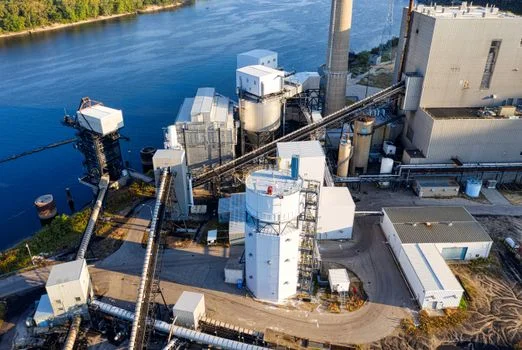
Electrocoagulation provides a level of consistency that is difficult to achieve with manual or semi-automated chemical dosing. By linking the power supply to real-time phosphorus sensors, EC systems can automatically adjust current density to match influent spikes, reducing compliance risk by 40% according to 2024 EPA data. This precision allows plants to reliably meet the EPA 40 CFR Part 133 standard of <1 mg/L for stream discharge and even the more stringent <0.1 mg/L for lakes, provided a 60-minute residence time is maintained.
In international markets, EC is a proven solution for meeting the EU Urban Waste Water Directive 91/271/EEC, which requires 1–2 mg/L in sensitive catchments like the Baltic Sea. In China, where discharge standards have tightened under GB 18918-2002, EC has become a staple for industrial parks. A textile plant in Jiangsu province recently reported reducing phosphorus from 45 mg/L to 0.4 mg/L using an EC system, comfortably passing the Class I discharge requirement. This reliability is vital for facilities operating in regions with regional compliance and cost benchmarks for industrial wastewater treatment in Gujarat or other high-growth industrial hubs.
Common Electrocoagulation Problems and How to Fix Them
Despite its efficiency, electrocoagulation requires proactive management of electrode health to prevent performance degradation. The most common issue is passivation, where an oxide layer forms on the electrode surface, potentially causing a 40%+ drop in efficiency within the first 500 operating hours. The standard mitigation strategy is polarity reversal, where the direction of the current is switched every 15–30 minutes to "self-clean" the plates. For persistent scaling, a 10-minute soak in 5% HCl or citric acid is recommended to restore conductivity.
Scaling from calcium and magnesium deposits can also reduce current density by 25–35%, increasing energy costs. If influent hardness is high, ion exchange softening pre-treatment should be considered. because EC sludge is 20–30% denser than chemical sludge, standard clarifiers may require higher torque scrapers. For optimal dewatering, a plate-and-frame filter press for EC sludge dewatering to 30–40% solids is the industry standard, ensuring that the volume of waste transported off-site is minimized. If floc carryover occurs, it usually indicates insufficient residence time or an issue with the DAF unit; increasing the residence time to 60 minutes or adding a small amount of polymer (0.5–1 mg/L) typically resolves the issue.
Frequently Asked Questions
Q: What’s the maximum phosphorus concentration EC can handle?
A: EC can effectively treat influent concentrations up to 500 mg/L with iron electrodes, achieving 99% removal in 60 minutes. For concentrations exceeding 500 mg/L, we recommend a two-stage approach using chemical precipitation for bulk removal followed by EC for polishing.
Q: How often do electrodes need replacement?
A: Replacement cycles depend on current density and water chemistry. Typically, iron electrodes last 1,200–1,500 hours, while aluminum electrodes last 1,800–2,000 hours. Automated monitoring systems can alert operators when plate thickness reaches a critical minimum.
Q: Can EC remove other contaminants besides phosphorus?
A: Yes. EC is highly effective at removing heavy metals (90–98%), COD (60–80%), and suspended solids (95–99%). For ultra-low phosphorus requirements or multi-contaminant streams, consider resin adsorption as an alternative or complement to electrocoagulation for phosphorus removal.
Q: Is EC suitable for small-scale applications (<10 m³/h)?
A: Yes, modular EC skids are ideal for small-scale plants. While the CapEx per m³ is 20–30% higher than for larger systems, the ease of automation and lack of chemical handling make it a practical choice for smaller industrial sites.
Q: What’s the typical payback period for an EC system?
A: Most industrial facilities see a payback period of 1.5 to 3 years. This is driven primarily by the 30–50% reduction in sludge disposal costs and the elimination of expensive chemical coagulants.