Hospital wastewater in Gold Coast requires treatment to meet stringent Queensland EPA and City of Gold Coast standards, including effluent quality benchmarks of <10 mg/L BOD, <10 mg/L TSS, and 99.99% pathogen kill rates for indicator organisms like E. coli and enterococci. Systems must effectively handle complex contaminants such as pharmaceutical residues, potent disinfectants, and significantly higher organic loads—all common in medical effluents. Capital expenditure (CAPEX) for a 10–50 m³/day system typically ranges from AUD 120,000 to AUD 1.2 million, depending on the selected technology (Membrane Bioreactor, ozone, or chlorine dioxide). On-site treatment is mandatory for medical facilities without direct sewer access, with treated effluent disposal strictly limited to property boundaries as per Gold Coast On-site Sewerage Facilities (OSSF) regulations.
Why Hospital Wastewater Treatment Differs from Standard Sewage Systems
Hospital wastewater presents a unique and complex treatment challenge due to its distinct contaminant profile and higher concentrations compared to domestic sewage. Hospital wastewater typically contains 3–5 times higher Biochemical Oxygen Demand (BOD) and Chemical Oxygen Demand (COD) loads than domestic sewage, with average BOD ranging from 150–500 mg/L compared to 20–60 mg/L for residential waste, often peaking significantly during surgical procedures (WHO, 2023 data). This elevated organic load necessitates robust biological or advanced physical-chemical treatment processes to achieve compliance with discharge limits.
A critical differentiator is the presence of pharmaceutical residues, including antibiotics, chemotherapy drugs, and other active pharmaceutical ingredients (APIs), which are not effectively removed by conventional sewage treatment. Queensland EPA 2024 guidelines emphasize the need for advanced oxidation processes (AOPs) like ozone or UV/H₂O₂, or advanced membrane filtration such as Membrane Bioreactors (MBR), to achieve over 90% removal of these micropollutants. These compounds pose ecological risks even at trace concentrations, contributing to antibiotic resistance and hormonal disruption in aquatic environments.
hospital wastewater contains various disinfectants (e.g., glutaraldehyde, quaternary ammonium compounds, chlorine-based agents) used for sterilization and cleaning. These chemicals can be highly toxic to the beneficial microorganisms essential for conventional biological treatment processes. Effective pretreatment strategies, such as activated carbon adsorption or pH adjustment, are often required to neutralize or remove these inhibitory substances before the wastewater enters the main biological treatment train, safeguarding the efficiency of the overall system.
Pathogen kill rates for hospital effluent must also be significantly higher than those for residential systems, often exceeding 99.99% for indicator organisms like E. coli and enterococci, as mandated by City of Gold Coast OSSF standards. This stringent requirement reflects the higher prevalence of antibiotic-resistant bacteria and virulent pathogens in medical wastewater, necessitating advanced disinfection methods beyond simple chlorination to ensure public health and environmental safety.
| Parameter | Domestic Sewage (Typical) | Hospital Wastewater (Typical) | Impact on Treatment |
|---|---|---|---|
| BOD (mg/L) | 20–60 | 150–500 (WHO 2023) | Requires higher capacity biological treatment. |
| COD (mg/L) | 50–150 | 300–1000 | Indicates complex organic matter, harder to break down. |
| Pathogens (Kill Rate) | 99% | >99.99% (Gold Coast OSSF) | Demands advanced disinfection. |
| Pharmaceuticals | Low/Trace | High (e.g., antibiotics, APIs) | Requires advanced oxidation or membrane filtration (QLD EPA 2024). |
| Disinfectants | Low | High (e.g., glutaraldehyde) | Can inhibit biological processes; requires pretreatment. |
| TSS (mg/L) | 50–150 | 100–300 | Higher solids load, impacts clarifier/filtration design. |
Gold Coast Regulatory Requirements for Hospital Wastewater Treatment
Compliance with Gold Coast regulatory requirements is non-negotiable for hospital wastewater treatment, with specific standards set by both the Queensland EPA and the City of Gold Coast. The Queensland EPA's 2024 standards for medical wastewater discharge are particularly stringent, mandating effluent quality benchmarks of less than 10 mg/L for Biochemical Oxygen Demand (BOD) and Total Suspended Solids (TSS). fecal coliform levels must be below 100 CFU/100mL, and if chlorination is used, total residual chlorine must not exceed 1 mg/L to protect receiving environments.
For facilities not connected to the municipal sewer network, City of Gold Coast On-site Sewerage Facilities (OSSF) regulations mandate that all wastewater be treated and disposed of within the property boundaries. Permitted disposal methods primarily include subsurface irrigation systems, where treated effluent is dispersed underground, or evapotranspiration beds, which are designed for arid or semi-arid climates where evaporation and plant uptake minimize direct discharge. The choice of disposal method is contingent upon site-specific soil conditions, groundwater levels, and available land area.
Ongoing operational compliance requires regular monitoring and reporting. Quarterly effluent monitoring is mandated for key parameters including BOD, TSS, pH, and fecal coliforms. All monitoring results and maintenance records must be retained for a minimum period of five years, enabling regulatory bodies to review compliance history. Failure to adhere to these stringent standards can result in significant financial penalties; breaches of the Queensland Environmental Protection Act 1994, updated in 2023, carry penalties of up to AUD 12,615 per offense, underscoring the critical need for reliable and compliant treatment systems.
| Parameter | Queensland EPA 2024 Standard | Monitoring Frequency | Regulatory Body |
|---|---|---|---|
| Biochemical Oxygen Demand (BOD) | <10 mg/L | Quarterly | Queensland EPA |
| Total Suspended Solids (TSS) | <10 mg/L | Quarterly | Queensland EPA |
| Fecal Coliforms | <100 CFU/100mL | Quarterly | Queensland EPA / City of Gold Coast |
| Total Residual Chlorine (if used) | <1 mg/L | Quarterly | Queensland EPA |
| pH | 6.5–8.5 | Quarterly | Queensland EPA |
| On-site Disposal | Mandatory within property boundaries | Continuous operational oversight | City of Gold Coast OSSF |
Treatment Technologies for Hospital Wastewater: MBR vs. Ozone vs. Chlorine Dioxide
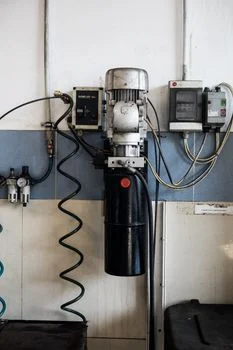
Selecting the optimal wastewater treatment technology for Gold Coast hospitals involves a critical evaluation of performance, footprint, operational costs, and local environmental conditions. Membrane Bioreactor (MBR) systems are highly effective, consistently achieving effluent quality of less than 10 mg/L for both BOD and TSS, alongside superior pathogen removal rates exceeding 99.99%. MBR technology is particularly ideal for space-constrained sites due to its compact design, integrating biological treatment with membrane filtration. However, MBR systems require periodic membrane cleaning, typically every 3–6 months, to maintain flux and prevent fouling. CAPEX for MBR systems designed for 10–50 m³/day hospital applications in Gold Coast ranges from AUD 250,000 to AUD 1.2 million, offering a robust solution for high-quality effluent, potentially suitable for reuse. Discover more about an MBR system for hospital wastewater with <10 mg/L BOD/TSS effluent.
Ozone disinfection offers a powerful solution for both pathogen inactivation and pharmaceutical residue removal, achieving a 99.9% pathogen kill rate and over 80% removal of recalcitrant pharmaceutical compounds. Ozone leaves no chemical residuals, decomposing rapidly into oxygen, making it an environmentally friendly option. However, ozone generation is energy-intensive, with consumption typically ranging from 0.8–1.2 kWh/m³ of treated wastewater. CAPEX for ozone systems for 10–50 m³/day flows is generally between AUD 180,000 and AUD 900,000. Gold Coast's humid and often warm climate can impact ozone solubility, which decreases at higher temperatures, potentially requiring larger or more efficient contactor designs to ensure effective disinfection. A compact hospital wastewater treatment system with ozone disinfection can be highly effective.
Chlorine Dioxide (ClO₂) provides 99.9% disinfection efficacy against a broad spectrum of pathogens, including viruses and bacteria, and is particularly effective against biofilms within distribution systems. It operates with lower chemical consumption than traditional chlorine (0.5–1.0 mg/L residual) and generates fewer harmful disinfection byproducts. However, ClO₂ requires on-site generation due to its instability, adding to the complexity and safety considerations of the system. CAPEX for ClO₂ systems, including an on-site chlorine dioxide generator for hospital effluent disinfection, for 10–50 m³/day capacities ranges from AUD 120,000 to AUD 600,000. While less affected by temperature than ozone, the handling and storage of precursor chemicals need careful management in Gold Coast's subtropical conditions.
| Technology | Key Performance | Pros for Gold Coast | Cons for Gold Coast | CAPEX (10–50 m³/day) | OPEX Considerations |
|---|---|---|---|---|---|
| MBR (Membrane Bioreactor) | <10 mg/L BOD/TSS, 99.99% pathogen removal, 90%+ pharma removal | Compact footprint, high effluent quality, potential for reuse | Membrane cleaning every 3–6 months, skilled operation required | AUD 250K–1.2M | Energy (aeration, pumps), membrane replacement, cleaning chemicals |
| Ozone Disinfection | 99.9% pathogen kill, 80%+ pharma removal, no chemical residuals | Effective against broad pathogens & micropollutants, environmentally friendly | High energy consumption (0.8–1.2 kWh/m³), solubility decreases with temp | AUD 180K–900K | High energy (electricity), oxygen supply (if pure O2 used) |
| Chlorine Dioxide (ClO₂) | 99.9% disinfection, effective against biofilms, lower DBP formation | Lower chemical consumption than chlorine, effective over wide pH range | Requires on-site generation, precursor chemical handling, safety protocols | AUD 120K–600K | Chemicals (precursors), energy for generation, safety training |
CAPEX and OPEX Breakdown for Hospital Wastewater Treatment in Gold Coast
A transparent cost model is essential for Gold Coast medical facilities budgeting for new or upgraded wastewater treatment systems, encompassing both capital expenditure (CAPEX) and operational expenditure (OPEX). Capital costs for hospital wastewater treatment systems in Gold Coast vary significantly based on capacity and chosen technology. For small clinics requiring 10 m³/day systems, CAPEX typically ranges from AUD 120,000 to AUD 250,000. Medium-sized hospitals with capacities of 20–30 m³/day can expect CAPEX between AUD 250,000 and AUD 600,000, while large hospitals needing 50 m³/day systems face CAPEX from AUD 600,000 to AUD 1.2 million. These figures include equipment, installation, civil works, and initial engineering design.
Operational expenditure (OPEX) is a recurring cost that includes energy, chemicals, maintenance, and mandatory compliance testing. Energy costs typically range from AUD 0.30 to AUD 0.80 per cubic meter (m³) of treated water, varying with the technology (e.g., MBRs have higher aeration demands, ozone has high power consumption). Chemical costs, for disinfection or pH adjustment, are estimated at AUD 0.20 to AUD 0.50/m³. Routine maintenance, including labor, parts, and preventative servicing, adds AUD 0.10 to AUD 0.30/m³. Annual compliance testing, which involves laboratory analysis of effluent samples, typically costs AUD 5,000 to AUD 15,000 per year, depending on the number of parameters and frequency required by the Queensland EPA and City of Gold Coast.
Beyond direct treatment costs, permit fees are a significant consideration. Initial approval for an On-site Sewerage Facility (OSSF) from the City of Gold Coast can cost AUD 3,000 to AUD 10,000, with annual renewal fees typically ranging from AUD 1,000 to AUD 3,000. Evaluating the Return on Investment (ROI) for a compliant system is crucial. For a 30 m³/day system, avoiding EPA fines of AUD 12,615 per breach (Queensland Environmental Protection Act 1994) and potential sewer surcharges (AUD 2.50–4.00/m³ for high-strength wastewater) can lead to a payback period of 5–7 years. This calculation highlights that upfront investment in a compliant system mitigates significant financial risks and ensures operational continuity.
| Cost Category | Description | Typical Range (AUD) | Frequency |
|---|---|---|---|
| Capital Expenditure (CAPEX) | |||
| Small Clinic (10 m³/day) | Equipment, installation, civil works | 120,000 – 250,000 | One-time |
| Medium Hospital (20–30 m³/day) | Equipment, installation, civil works | 250,000 – 600,000 | One-time |
| Large Hospital (50 m³/day) | Equipment, installation, civil works | 600,000 – 1,200,000 | One-time |
| Initial Permit & Design | City of Gold Coast OSSF approval, engineering plans | 13,000 – 40,000 | One-time |
| Operational Expenditure (OPEX) per cubic meter (m³) | |||
| Energy | Electricity for pumps, aeration, ozone generation | 0.30 – 0.80/m³ | Ongoing |
| Chemicals | Disinfectants, pH adjusters, membrane cleaning agents | 0.20 – 0.50/m³ | Ongoing |
| Maintenance | Labor, spare parts, preventative servicing | 0.10 – 0.30/m³ | Ongoing |
| Annual Operational Expenditure (OPEX) | |||
| Compliance Testing | Quarterly effluent analysis (BOD, TSS, pH, fecal coliforms) | 5,000 – 15,000/year | Annual |
| Permit Renewals | City of Gold Coast OSSF renewal fees | 1,000 – 3,000/year | Annual |
Step-by-Step Guide to Installing a Hospital Wastewater Treatment System in Gold Coast
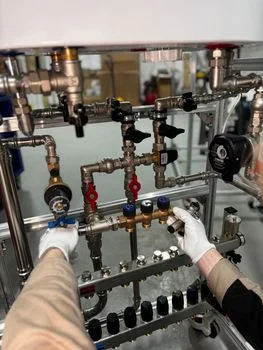
Installing a compliant hospital wastewater treatment system in Gold Coast is a multi-stage process that requires meticulous planning, expert engineering, and adherence to local council approvals. The initial step is a comprehensive feasibility study, which includes crucial soil percolation tests, costing approximately AUD 2,000–5,000. These tests are vital for determining the site's suitability for different effluent disposal methods, such as subsurface irrigation or evapotranspiration beds, and ensuring compliance with City of Gold Coast OSSF regulations.
Following the feasibility study, the design phase commences, requiring the engagement of a licensed environmental engineer to prepare detailed plans and specifications for the treatment system and disposal area. This engineering design typically costs AUD 10,000–30,000. Once complete, these plans are submitted to the City of Gold Coast for OSSF approval, a process that can take 6–12 weeks for review and permitting. Timely submission of complete and accurate documentation is critical to avoid delays.
The physical installation phase for a typical 30 m³/day system generally spans 8–16 weeks. This period includes significant civil works, such as excavation for tanks and pipelines, installation of the treatment plant equipment (e.g., MBR units, ozone generators, or ClO₂ systems), and construction of the effluent disposal field. All construction must comply with Australian standards and local building codes, with regular inspections by certified professionals.
The final crucial step is commissioning, which involves start-up, calibration, and rigorous effluent testing to verify that the system operates in full compliance with Queensland EPA standards. This initial effluent testing typically costs AUD 1,000–3,000 and confirms that parameters like BOD, TSS, and pathogen levels meet the required discharge limits before the system is put into full operational service. Adequate operator training is also provided during this phase to ensure safe and efficient long-term operation.
Frequently Asked Questions
What are the primary contaminants in Gold Coast hospital wastewater?
Gold Coast hospital wastewater contains significantly higher loads of organic matter (BOD/COD), pharmaceutical residues (e.g., antibiotics, chemotherapy drugs), disinfectants, and pathogenic microorganisms compared to domestic sewage. The Queensland EPA 2024 guidelines specifically target pharmaceutical residue removal.
What are the key effluent quality standards for hospitals in Gold Coast?
Queensland EPA standards for medical wastewater require effluent to be <10 mg/L BOD, <10 mg/L TSS, <100 CFU/100mL fecal coliforms, and <1 mg/L total residual chlorine (if used).
Is on-site wastewater treatment mandatory for all Gold Coast hospitals?
On-site treatment is mandatory for medical facilities in Gold Coast that do not have access to the municipal sewer network, as per City of Gold Coast OSSF regulations, requiring disposal within property boundaries.
How much does a hospital wastewater treatment system typically cost in Gold Coast?
Capital expenditure (CAPEX) for a 10–50 m³/day system ranges from AUD 120,000 to AUD 1.2 million, depending on capacity and technology chosen (e.g., MBR, ozone, chlorine dioxide).
What is the typical operational cost (OPEX) for a hospital wastewater treatment system?
Operational costs include energy (AUD 0.30–0.80/m³), chemicals (AUD 0.20–0.50/m³), maintenance (AUD 0.10–0.30/m³), and annual compliance testing (AUD 5,000–15,000/year).
Which treatment technology is best for removing pharmaceutical residues?
Membrane Bioreactors (MBR) and advanced oxidation processes like ozone are highly effective, achieving over 90% and 80% pharmaceutical removal, respectively, as per Queensland EPA 2024 guidelines.
What are the penalties for non-compliance with Gold Coast wastewater regulations?
Penalties for non-compliance with the Queensland Environmental Protection Act 1994 can reach AUD 12,615 per breach, emphasizing the financial risks of inadequate treatment.
Related Equipment

The following HydropureWater products are engineered for the wastewater challenges discussed above:
- compact hospital wastewater treatment system with ozone disinfection — view specifications, capacity range, and technical data
Need a customized solution? Request a free quote with your specific flow rate and pollutant parameters.